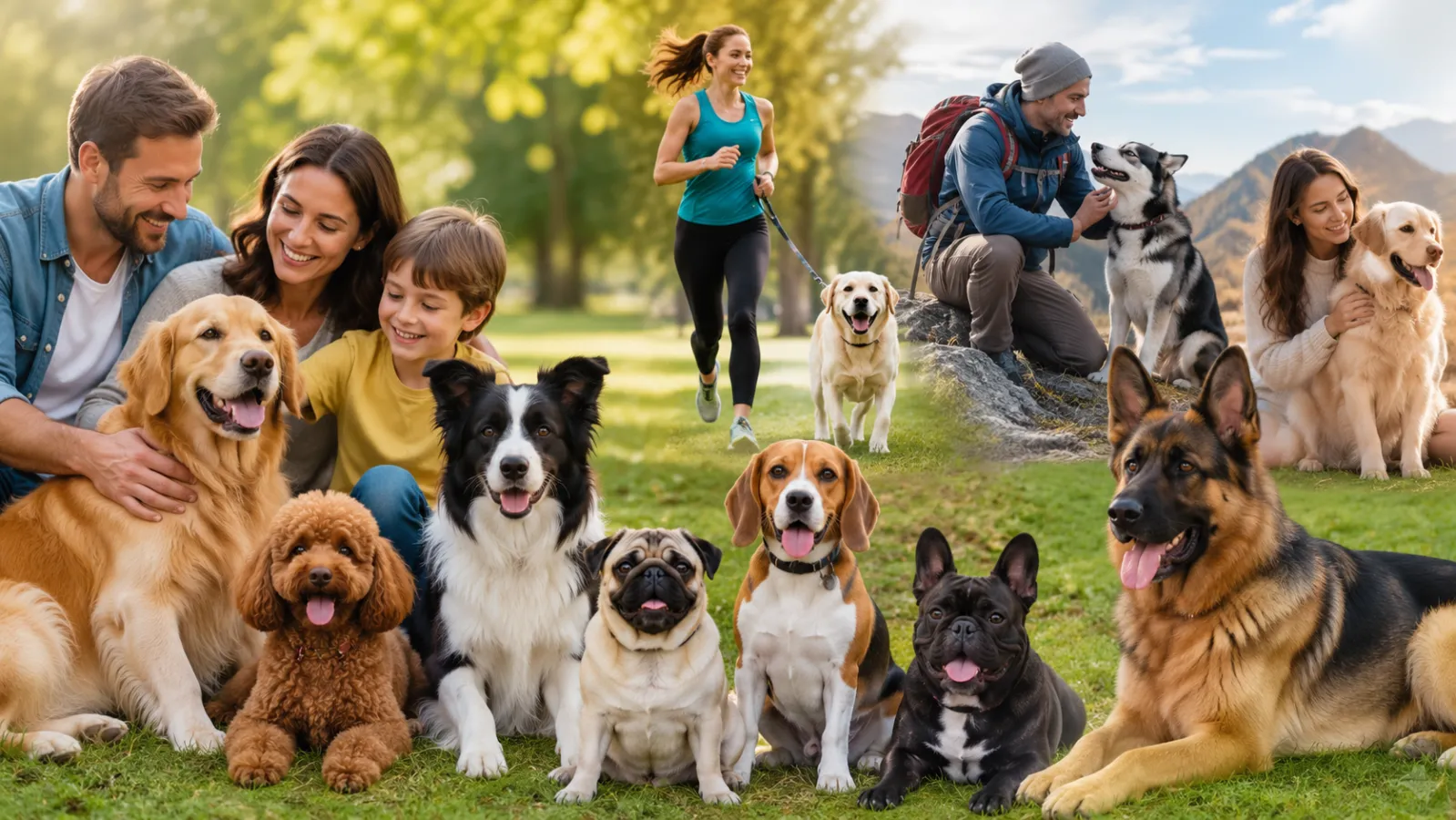
Living in an apartment doesn't mean you have to give up the dream of owning a dog. In fact, many small dog breeds for apartments thrive in compact living spaces when they receive proper care, training, and attention. As more people move to cities across North America, apartment-friendly dogs have become increasingly popular because they adapt well to smaller homes while still providing companionship, affection, and entertainment.
However, choosing the right breed is about much more than size. A dog's energy level, barking habits, personality, exercise needs, and trainability all play important roles in determining whether they'll be happy in an apartment. Some small breeds are surprisingly energetic and vocal, while others are calm, quiet, and content relaxing beside their owners.
This comprehensive guide explores everything you need to know about selecting the best apartment dog, including size considerations, indoor exercise, barking tendencies, potty training, enrichment ideas, and the most neighbor-friendly breeds.
1. Why Small Dog Breeds Are Perfect for Apartments
Many people assume that only tiny dogs can live comfortably in apartments, but the truth is more nuanced. While size certainly matters, temperament and energy level are often even more important.
A well-trained small dog can comfortably adapt to apartment life because they require less living space, consume less food, and generally have lower exercise requirements than larger breeds. Their compact size also makes travelling, grooming, and veterinary visits easier for many owners.
Urban lifestyles have also increased the popularity of apartment-friendly dogs. Many people work remotely or live close to parks, allowing them to provide regular walks despite having limited indoor space.
The ideal apartment dog should be:
- Comfortable in smaller living spaces
- Friendly toward neighbours
- Moderate or low-energy indoors
- Easy to train
- Adaptable to daily routines
- Comfortable spending short periods alone
Remember that every dog is an individual. Even within the same breed, personalities can vary significantly.
2. Size Considerations When Choosing an Apartment Dog
Choosing a small breed involves more than selecting the tiniest puppy available.
Many apartment dwellers focus solely on weight, but factors such as activity level and body shape also matter. A calm 30-pound dog may actually suit apartment life better than a hyperactive 10-pound breed.
Generally, apartment-friendly dogs weigh between 4 and 30 pounds, making them easy to manage in elevators, staircases, and smaller homes.
Consider these important factors:
Available Indoor Space
Your dog should have enough room to:
- Walk comfortably
- Stretch fully
- Play with toys
- Rest without feeling cramped
Even small apartments can work well if furniture is arranged efficiently.
Building Rules
Many apartment complexes across North America have:
- Breed restrictions
- Weight limits
- Pet registration requirements
- Noise policies
Always check your lease before bringing home a dog.
Lifestyle Compatibility
Choose a breed that matches your daily routine.
If you work from home, a companion breed may thrive.
If you're away for several hours daily, select a dog that tolerates alone time reasonably well.
3. Indoor Exercise: Keeping Small Dogs Healthy
One common misconception is that small dogs don't need exercise.
While they require less activity than many large breeds, daily exercise remains essential for maintaining physical health, preventing obesity, and reducing destructive behaviours.
Apartment dogs can stay fit through a combination of indoor activities and outdoor walks.
Daily Walks
Aim for:
- Two to three walks each day
- 20–40 minutes total depending on breed
- Opportunities to sniff and explore
Mental stimulation during walks is just as valuable as physical exercise.
Indoor Games
Apartment-friendly activities include:
- Fetch using soft toys
- Hide-and-seek
- Tug-of-war
- Puzzle feeders
- Treat-finding games
These games burn energy without requiring a large backyard.
Stair Climbing
If appropriate and approved by your veterinarian, supervised stair climbing can provide excellent exercise for healthy adult dogs.
Avoid excessive stair use for puppies and breeds prone to joint issues.
Training Sessions
Short training sessions provide valuable mental stimulation.
Teaching new tricks often tires dogs more effectively than physical activity alone.
4. Understanding Barking Tendencies
Noise is one of the biggest concerns for apartment residents.
Even the friendliest dog can create problems if excessive barking disturbs neighbours.
Dogs bark for many reasons:
- Boredom
- Loneliness
- Anxiety
- Alerting owners
- Excitement
- Fear
Fortunately, barking can often be reduced through training and proper management.
Preventing Excessive Barking
Start training from day one.
Reward quiet behaviour rather than unintentionally reinforcing barking with attention.
Provide enough:
- Exercise
- Mental stimulation
- Social interaction
- Predictable routines
A tired dog is usually a quieter dog.
Apartment Noise Training
Help your puppy become comfortable with common apartment sounds such as:
- Elevators
- Hallway conversations
- Vacuum cleaners
- Doorbells
- Traffic
- Other pets
Gradual exposure reduces unnecessary barking later.
5. Choosing Neighbor-Friendly Dog Breeds
Being a responsible apartment pet owner means considering your neighbours.
Neighbor-friendly dogs typically have:
- Calm temperaments
- Moderate barking
- Good social skills
- Easy trainability
- Friendly personalities
Proper socialisation is equally important regardless of breed.
Introduce your puppy to:
- Different people
- Elevators
- Apartment hallways
- Other dogs
- Children
- Visitors
Positive experiences help prevent fear-based behaviours.
6. Potty Training in an Apartment
Potty training can seem more challenging when you don't have immediate backyard access.
However, with consistency and patience, apartment puppies can become fully house-trained.
Establish a Routine
Take your puppy outside:
- Immediately after waking
- After meals
- After playtime
- Before bedtime
- Every few hours initially
Routine helps puppies learn quickly.
Use Positive Reinforcement
Reward successful bathroom trips with:
- Praise
- Small treats
- Affection
Avoid punishment for accidents.
Instead, clean thoroughly using enzymatic cleaners to eliminate lingering odours.
Consider Indoor Options
Some apartment owners temporarily use:
- Puppy pads
- Artificial grass patches
- Balcony potty stations (where permitted)
These can be helpful during harsh weather or for young puppies but should not replace regular outdoor walks long-term.
Consistency remains the key to successful potty training.
7. Apartment Enrichment Ideas
Mental stimulation is just as important as physical exercise.
Dogs left bored for long periods may develop:
- Excessive barking
- Chewing
- Digging
- Anxiety
- Destructive behaviours
Simple enrichment activities can keep your dog engaged throughout the day.
Food Puzzle Toys
Instead of feeding from a bowl every day, use:
- Puzzle feeders
- Treat-dispensing balls
- Snuffle mats
These encourage natural problem-solving.
Rotate Toys
Rather than leaving every toy available, rotate them every few days.
This keeps familiar toys feeling new and exciting.
Window Watching
Many dogs enjoy safely observing outdoor activity.
Provide a comfortable perch where your dog can watch birds, pedestrians, or passing cars.
Teach New Tricks
Learning keeps a dog's brain active.
Spend five to ten minutes daily teaching:
- Spin
- Shake
- Roll over
- Touch
- Stay
- Leave it
Mental work often tires dogs faster than physical exercise.
Scent Games
Hide treats around the apartment and encourage your dog to find them using their nose.
This satisfies natural instincts while providing excellent enrichment.
8. Best Small Dog Breeds for Apartments
Every breed has unique strengths. Here are five of the most popular apartment-friendly dogs in North America.
French Bulldog
The French Bulldog is widely regarded as one of the best apartment dogs.
Their calm personality, moderate energy level, and relatively quiet nature make them excellent companions for city living.
Pros
- Low barking tendency
- Doesn't require excessive exercise
- Very affectionate
- Excellent for first-time owners
- Comfortable in small homes
Considerations
French Bulldogs can overheat easily because of their short noses.
Avoid strenuous exercise during hot weather.
Pug
Pugs are charming, affectionate companions known for their playful personalities.
They enjoy spending time with their families and usually adapt very well to apartment living.
Pros
- Friendly with children
- Moderate exercise needs
- Social personality
- Generally neighbour-friendly
Considerations
Pugs can gain weight easily.
Daily walks and portion control are essential.
Shih Tzu
Originally bred as companion dogs, Shih Tzus naturally enjoy indoor living.
They are affectionate, gentle, and relatively adaptable.
Pros
- Comfortable indoors
- Friendly temperament
- Moderate barking
- Excellent lap dogs
Considerations
Regular grooming is necessary to maintain their beautiful coat.
Chihuahua
Despite their tiny size, Chihuahuas have enormous personalities.
They require consistent training to prevent excessive barking and overprotective behaviour.
Pros
- Extremely small
- Easy to transport
- Loyal companions
- Low food costs
Considerations
Without early socialisation, Chihuahuas may become vocal or wary of strangers.
Maltese
The Maltese is an elegant companion breed that thrives on human interaction.
Their gentle personality makes them excellent apartment pets.
Pros
- Small size
- Friendly nature
- Intelligent
- Low shedding coat
Considerations
Daily brushing helps prevent coat tangles.
9. Tips for Apartment Dog Owners
Living successfully with a dog in an apartment requires thoughtful planning.
Here are several habits that make apartment life easier for both owners and pets.
Create a Daily Routine
Dogs thrive on predictable schedules.
Maintain consistent times for:
- Meals
- Walks
- Playtime
- Potty breaks
- Bedtime
Routine reduces anxiety and improves behaviour.
Respect Shared Spaces
Keep your dog on a leash in common apartment areas and always clean up after them.
Good pet etiquette benefits everyone in the building.
Prevent Separation Anxiety
Gradually teach your dog to feel comfortable alone.
Provide safe chew toys and avoid making departures overly emotional.
Schedule Regular Vet Visits
Routine health checks help detect issues before they become serious.
Healthy dogs generally display better behaviour and energy levels.
10. Common Mistakes Apartment Owners Should Avoid
Even experienced dog owners can make mistakes.
Avoid these common pitfalls:
Choosing Based Only on Appearance
A cute puppy may not fit your lifestyle.
Research temperament before selecting a breed.
Skipping Daily Walks
Indoor living does not eliminate exercise needs.
Regular walks remain essential.
Ignoring Mental Stimulation
Physical activity alone isn't enough.
Provide puzzles, games, and training every day.
Inconsistent House Rules
Everyone in the household should use the same commands and expectations.
Consistency speeds up learning.
Overlooking Socialisation
Expose your puppy to new people, sounds, and environments early.
Proper socialisation creates confident, well-adjusted adult dogs.
Final Thoughts
Finding the best small dog breeds for apartments is about much more than choosing the smallest dog available. The ideal apartment companion combines a manageable size with a calm temperament, moderate exercise needs, and a friendly personality.
Breeds such as the French Bulldog, Pug, Shih Tzu, Chihuahua, and Maltese each offer unique advantages for apartment living, but success ultimately depends on responsible ownership. Daily walks, consistent potty training, mental enrichment, positive reinforcement, and proper socialisation all contribute to a happy and well-behaved companion.
Whether you're moving into your first apartment or adding a furry friend to your urban lifestyle, choosing a breed that matches your living situation and routine will create a rewarding experience for both you and your dog. With patience, structure, and plenty of affection, even a compact apartment can become the perfect home for a happy, healthy canine companion.