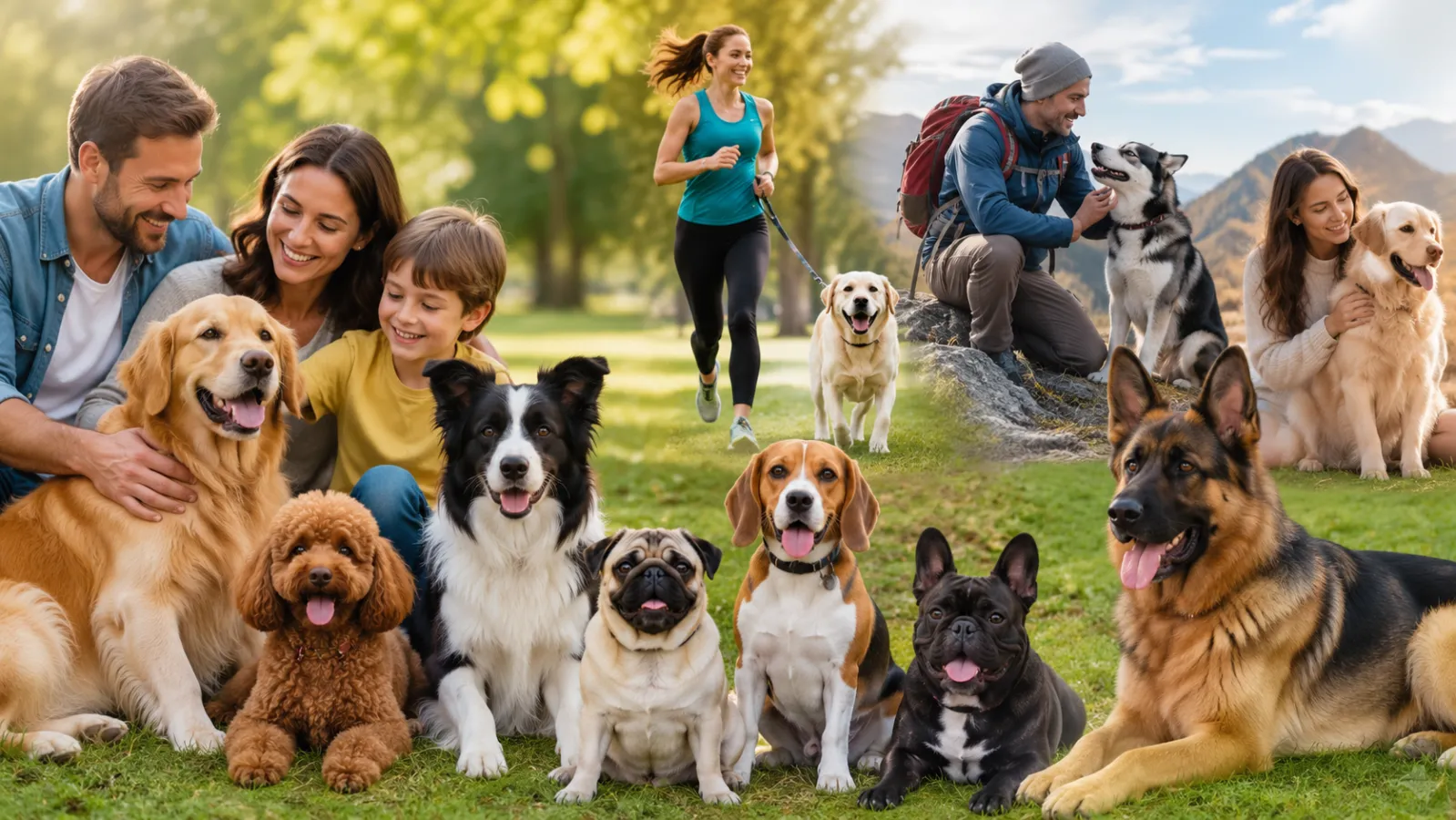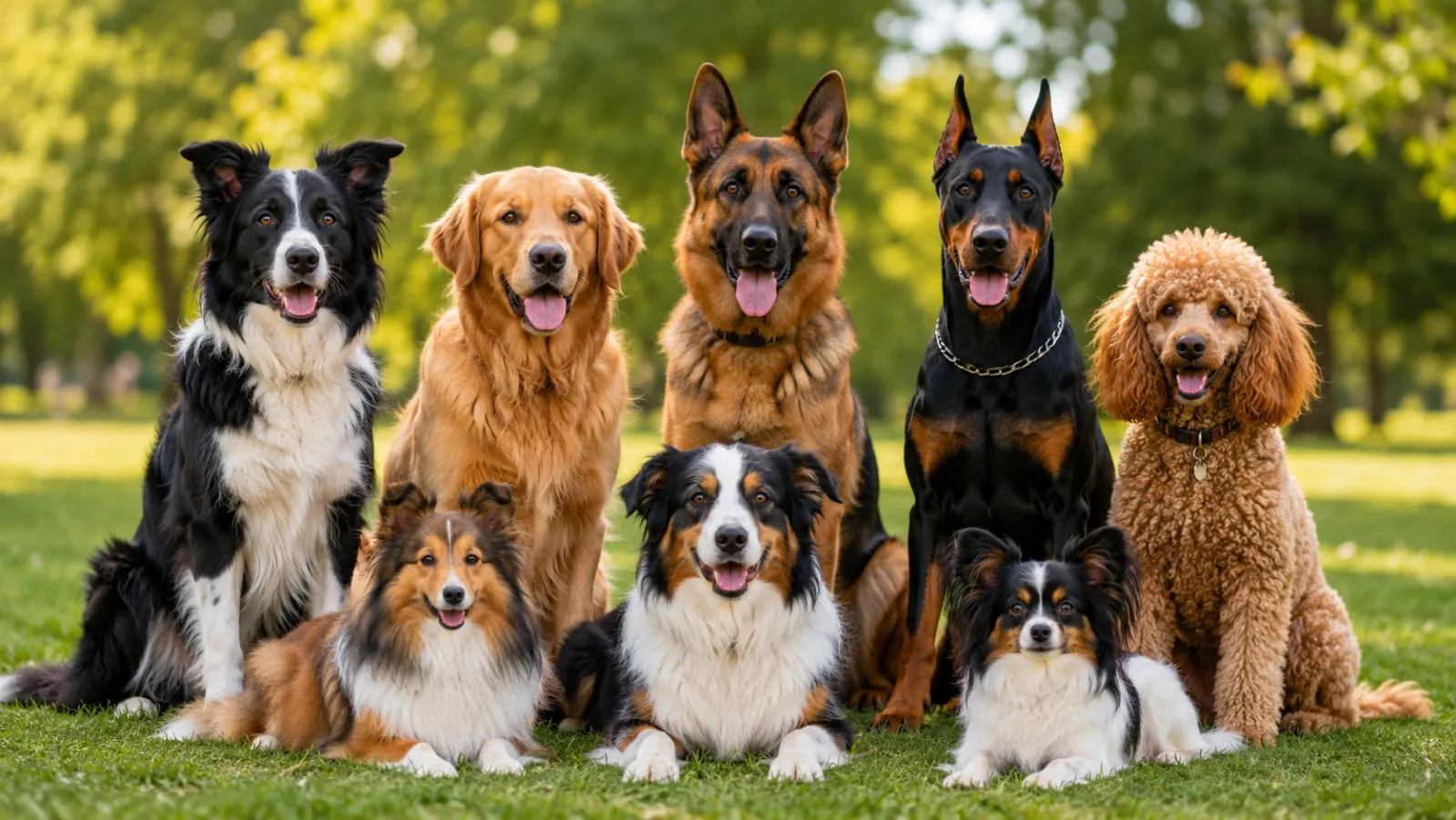
For people who love hiking mountain trails, running through scenic parks, camping under the stars, or spending weekends by the lake, having an energetic dog can make every adventure even more enjoyable. While every dog needs daily exercise, some breeds are naturally built for active lifestyles. These dogs thrive when they have plenty of opportunities to run, swim, hike, and explore alongside their owners.
Choosing the right breed is important because high-energy dogs require far more than occasional walks around the neighborhood. Without enough physical activity and mental stimulation, they may develop destructive behaviors, anxiety, or excessive barking. On the other hand, when their exercise needs are met, they become loyal, healthy, and enthusiastic companions.
This guide explores the best active dog breeds for outdoor lifestyles, how much exercise they need, hiking and swimming safety tips, travel advice, proper nutrition, and what makes each breed unique.
1. Understanding Active Dog Breeds
Active dog breeds were originally developed for demanding jobs such as herding livestock, retrieving game, pulling sleds, or assisting hunters. These working backgrounds mean they possess exceptional stamina, intelligence, and determination.
Unlike low-energy breeds that may be satisfied with short daily walks, active dogs crave challenges. They enjoy learning new skills, solving problems, and participating in activities that keep both their bodies and minds engaged.
Characteristics of active breeds include:
- High endurance
- Strong athletic ability
- Quick learning
- Excellent problem-solving skills
- Desire to work alongside humans
- Need for regular mental stimulation
Owners who enjoy hiking, running, backpacking, kayaking, camping, or trail walking often find these breeds to be ideal companions.
2. Daily Exercise Needs
Meeting your dog's daily exercise requirements is the foundation of a healthy outdoor lifestyle. Exercise isn't just about burning energy—it also supports heart health, joint mobility, mental wellbeing, and healthy behaviour.
Australian Shepherd
Australian Shepherds are among the most energetic dog breeds. Originally bred to herd livestock, they need both physical exercise and mentally stimulating activities.
Daily requirements include:
- 2–3 hours of exercise
- Long walks
- Running sessions
- Agility training
- Frisbee
- Herding games
- Puzzle toys
Without enough activity, Australian Shepherds often become bored and may chew furniture, dig holes, or bark excessively.
Border Collie
Border Collies are widely regarded as one of the smartest dog breeds in the world.
Their daily routine should include:
- 2+ hours of vigorous activity
- Running
- Fetch
- Agility courses
- Obedience training
- Interactive games
- Mental challenges
A Border Collie that isn't challenged mentally can become restless even after a long walk.
Siberian Husky
Huskies were bred to pull sleds across long snowy distances, making endurance one of their greatest strengths.
They benefit from:
- 90–120 minutes of exercise
- Running
- Hiking
- Backpack walks
- Pulling sports
- Cooler weather adventures
Because Huskies have incredible stamina, they often require more exercise than many first-time owners expect.
Labrador Retriever
Labradors combine athletic ability with a friendly personality.
Ideal activities include:
- Daily walks
- Swimming
- Hiking
- Retrieving games
- Running
- Dock diving
Most adult Labradors require approximately 1.5–2 hours of exercise every day.
Vizsla
Often called the "Velcro Dog," the Vizsla loves staying close to its owner.
Their daily routine should include:
- Long-distance running
- Hiking
- Swimming
- Off-leash play in secure areas
- Advanced obedience training
Vizslas typically need around two hours of activity every day.
Signs Your Dog Needs More Exercise
Every active dog communicates boredom differently.
Common signs include:
- Excessive barking
- Digging
- Chewing furniture
- Hyperactivity indoors
- Constant pacing
- Attention-seeking behaviour
- Weight gain
Increasing both physical exercise and mental stimulation usually improves these behaviours significantly.
3. Hiking Safety for Active Dogs
Hiking is one of the best activities for energetic dogs, but preparation is essential to keep them safe.
Build Endurance Gradually
Never start with a difficult trail if your dog is new to hiking.
Begin with:
- Short nature walks
- Easy local trails
- Flat terrain
- Moderate distances
Increase the distance gradually as your dog's fitness improves.
Bring Enough Water
Dogs become dehydrated much faster than humans.
Always pack:
- Fresh water
- Portable dog bowl
- Electrolyte solution (if recommended by your veterinarian)
Never allow your dog to drink from stagnant ponds or slow-moving water, as they may contain harmful bacteria or parasites.
Check Trail Conditions
Before heading out, research:
- Trail difficulty
- Temperature
- Wildlife
- Water availability
- Trail regulations
- Dog-friendly policies
Avoid hiking during extreme heat.
Protect Their Paws
Rocky trails, hot pavement, snow, and rough terrain can injure paw pads.
After every hike:
- Check for cuts
- Remove burrs
- Inspect between the toes
- Apply paw balm if needed
Dog boots may be helpful on rough terrain.
Keep Identification Updated
Outdoor adventures increase the chance of getting separated.
Your dog should have:
- Updated ID tags
- Microchip
- GPS collar (optional but helpful)
Know Your Dog's Limits
Even energetic breeds become tired.
Watch for:
- Heavy panting
- Slowing down
- Limping
- Refusing to continue
- Excessive drooling
Take regular breaks and never force your dog to continue.
4. Best Swimming Dog Breeds
Swimming provides excellent low-impact exercise that builds muscle while reducing stress on joints.
Among our featured breeds, some are naturally stronger swimmers than others.
Labrador Retriever
Labradors were originally bred to retrieve waterfowl.
They typically love:
- Lakes
- Rivers
- Beaches
- Dock diving
- Retrieving floating toys
Their water-resistant coat makes them exceptional swimmers.
Vizsla
Many Vizslas enjoy swimming, especially when introduced early.
Swimming helps:
- Build endurance
- Strengthen muscles
- Cool down after runs
- Protect growing joints
Australian Shepherd
Australian Shepherds often enjoy swimming as another mentally engaging activity.
Many happily combine swimming with retrieving games.
Dogs That Need More Supervision
Although Huskies can swim, they are generally not as naturally enthusiastic about water as Labradors.
Border Collies vary widely—some love swimming, while others prefer land-based activities.
Water Safety Tips
Always remember:
- Use a canine life jacket when boating
- Avoid strong currents
- Rinse off chlorine or saltwater
- Dry ears thoroughly
- Watch for fatigue
5. Running Partners: Which Breed Excels?
If you're a runner, choosing the right breed can transform your daily workouts.
Vizsla
The Vizsla is widely considered one of the best running companions.
Strengths include:
- Excellent endurance
- Fast pace
- Lightweight build
- Strong owner bond
They comfortably accompany runners over long distances.
Border Collie
Border Collies thrive on trail running.
Their agility allows them to navigate uneven terrain with ease.
Australian Shepherd
Australian Shepherds make outstanding partners for:
- Trail runs
- Mountain routes
- Obstacle courses
- Long-distance jogging
Labrador Retriever
Healthy adult Labradors enjoy running but should avoid excessive running during puppyhood while their joints develop.
Siberian Husky
Huskies excel at endurance rather than sprinting.
They perform best:
- During cool weather
- On long-distance routes
- At moderate speeds
Avoid running Huskies during hot summer afternoons.
6. Adventure Travel with Active Dogs
Many outdoor enthusiasts enjoy taking their dogs on camping trips, road trips, and vacations.
Preparation makes every journey safer and more enjoyable.
Essential Packing List
Bring:
- Food
- Water
- Travel bowls
- Leash
- Harness
- Waste bags
- First-aid kit
- Favourite toy
- Blanket
- Vaccination records
- Tick prevention
Car Safety
Dogs should always travel safely.
Use:
- Crash-tested harness
- Travel crate
- Rear-seat restraint
Never allow dogs to ride unsecured in the front seat.
Camping Tips
Choose dog-friendly campsites.
Keep your dog:
- Leashed when required
- Away from wildlife
- Hydrated
- Comfortable with shade
Bring familiar bedding to help them settle overnight.
Wildlife Awareness
Many hiking destinations contain:
- Bears
- Coyotes
- Snakes
- Porcupines
- Deer
Teach reliable recall before allowing off-leash freedom in approved areas.
Weather Considerations
Heat can quickly become dangerous.
During warm weather:
- Hike early morning
- Take frequent water breaks
- Rest in shaded areas
- Watch for overheating
Cold-weather breeds like Huskies tolerate lower temperatures much better than warm climates.
7. Nutrition for Active Dogs
Dogs that exercise heavily burn significantly more calories than less active pets.
Proper nutrition supports:
- Muscle recovery
- Healthy joints
- Immune function
- Energy production
High-Quality Protein
Protein helps repair muscles after exercise.
Look for foods with quality protein sources such as:
- Chicken
- Turkey
- Beef
- Salmon
- Lamb
Healthy Fats
Healthy fats provide long-lasting energy.
Important sources include:
- Fish oil
- Flaxseed
- Chicken fat
Omega-3 fatty acids also support skin, coat, and joint health.
Hydration
Hydration is just as important as nutrition.
Always provide:
- Fresh water before exercise
- Water during hikes
- Plenty of water after activity
Active dogs can lose significant fluids through panting.
Joint Support
Highly active breeds may benefit from nutrients that support healthy joints.
These include:
- Glucosamine
- Chondroitin
- Omega-3 fatty acids
Always consult your veterinarian before adding supplements.
Feeding Around Exercise
Avoid vigorous activity immediately after eating.
Most experts recommend:
- Feeding at least one hour before exercise
- Waiting one to two hours after strenuous activity before offering a large meal
This helps reduce the risk of digestive discomfort and, in susceptible breeds, may lower the risk of gastric issues.
8. Choosing the Right Active Breed
Each breed has its own personality and strengths.
| Breed Energy Level Best Activities Swimming Running Hiking | |||||
| Australian Shepherd | Very High | Agility, Hiking, Frisbee | Good | Excellent | Excellent |
| Border Collie | Very High | Running, Agility, Herding | Moderate | Excellent | Excellent |
| Siberian Husky | Very High | Endurance Running, Snow Sports | Moderate | Excellent | Excellent |
| Labrador Retriever | High | Swimming, Hiking, Retrieving | Excellent | Very Good | Excellent |
| Vizsla | Very High | Running, Hiking, Hunting | Very Good | Outstanding | Excellent |
Common Mistakes Active Dog Owners Make
Even experienced owners sometimes overlook important aspects of caring for energetic breeds.
Common mistakes include:
Underestimating Exercise Needs
A short walk around the block is rarely enough for highly active breeds.
Ignoring Mental Stimulation
Puzzle toys, scent games, obedience training, and learning new tricks are just as important as physical activity.
Exercising in Extreme Heat
Dogs can overheat quickly, especially during summer hikes or runs. Plan outdoor adventures during cooler parts of the day.
Skipping Rest Days
Recovery is essential. Incorporate lighter activity days to help muscles recover and reduce the risk of injury.
Neglecting Preventive Care
Regular veterinary check-ups, parasite prevention, nail trimming, and paw inspections are all vital for dogs that spend significant time outdoors.
Final Thoughts
An active dog can be the perfect companion for people who enjoy hiking, running, camping, swimming, and exploring nature. Breeds like the Australian Shepherd, Border Collie, Siberian Husky, Labrador Retriever, and Vizsla are known for their athleticism, intelligence, and enthusiasm for outdoor adventures. However, these energetic companions also require a significant commitment to daily exercise, mental enrichment, proper nutrition, and preventive care.
By matching your dog's activity level with your own lifestyle, preparing carefully for every adventure, and prioritising their health and safety, you'll build a strong partnership that benefits both of you. Whether you're tackling mountain trails, enjoying a lakeside swim, or setting off on a weekend camping trip, the right active breed will be ready to share every step of the journey, making every outdoor experience more rewarding and unforgettable.