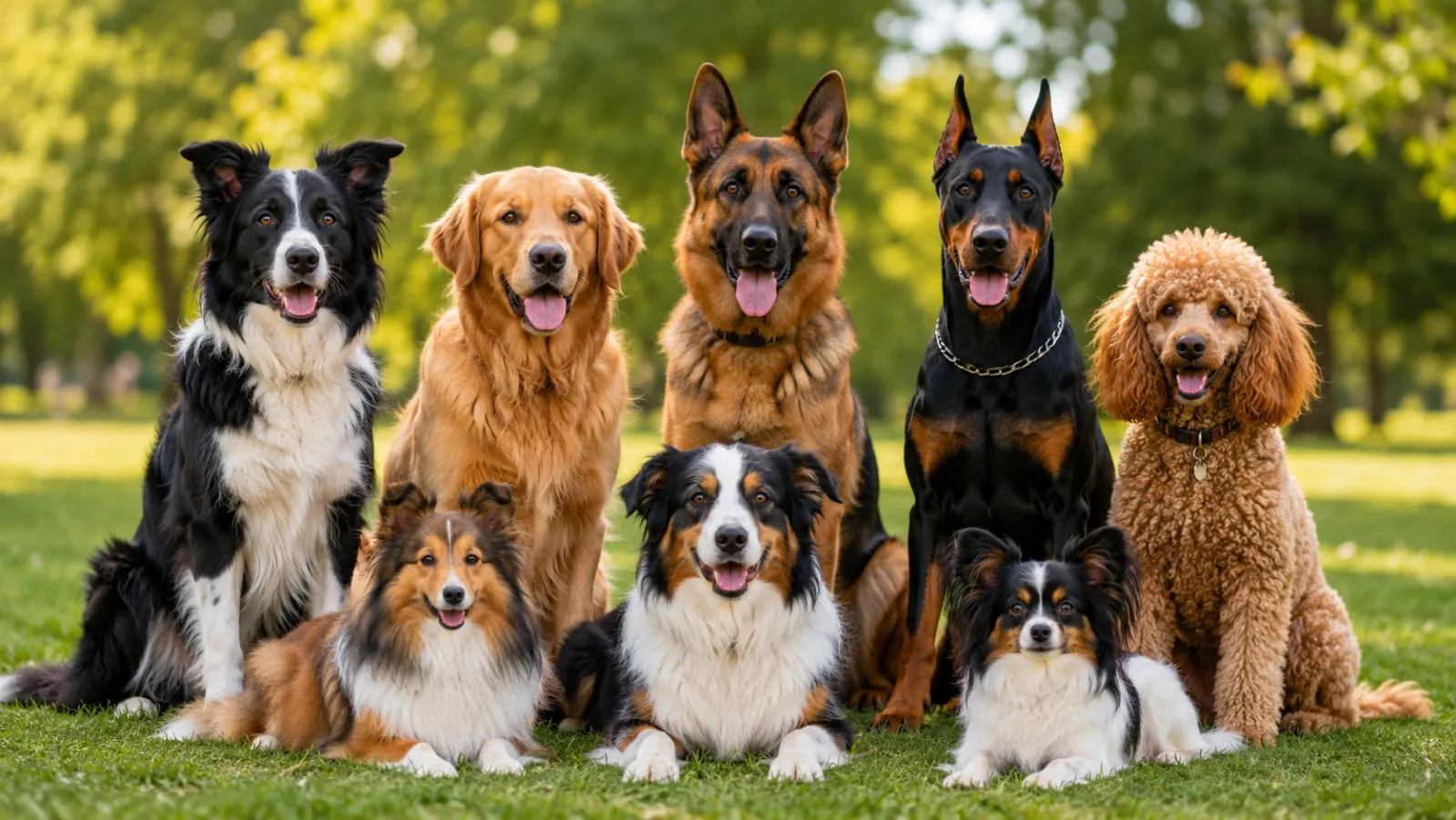
Bringing a dog into your home is an exciting decision, but choosing the right breed is one of the most important steps in ensuring a happy life for both you and your future pet. While many people fall in love with a dog's appearance, the best match goes far beyond looks. Every breed has unique needs, energy levels, grooming requirements, and personality traits that should align with your daily routine and living situation.
Whether you live in a downtown apartment, have a large backyard, work long hours, or enjoy hiking every weekend, there is a dog breed that fits your lifestyle. Taking the time to evaluate your home, schedule, and expectations before adopting can help prevent common behavioral problems, reduce stress, and create a lifelong bond.
This comprehensive guide will help you understand the key factors to consider when choosing the right dog breed, making it easier to find the perfect companion for your family and lifestyle.
1. Consider Your Living Space
Your home plays a major role in determining which breeds will thrive.
Apartment Living
Living in an apartment doesn't mean you can't own a dog. However, choosing a breed that adapts well to smaller spaces is essential.
Many apartment-friendly breeds tend to:
- Stay relatively calm indoors
- Require moderate exercise
- Bark less frequently
- Feel comfortable without a large yard
Examples include:
- French Bulldog
- Cavalier King Charles Spaniel
- Greyhound
- Boston Terrier
- Pug
Even small apartments can be ideal if owners provide daily walks and mental stimulation.
House with a Yard
Homes with fenced yards offer more flexibility, especially for energetic breeds.
Dogs that benefit from larger spaces include:
- Labrador Retriever
- Golden Retriever
- German Shepherd
- Australian Shepherd
- Border Collie
- Siberian Husky
Remember that even dogs with big yards still need daily walks, training, and interaction. A backyard should never replace exercise or companionship.
2. Choosing a Dog for Families with Children
Dogs often become cherished family members, but not every breed has the same temperament around children.
What Makes a Good Family Dog?
Ideal family dogs typically are:
- Patient
- Gentle
- Friendly
- Easy to train
- Tolerant of noise and activity
Popular family-friendly breeds include:
- Labrador Retriever
- Golden Retriever
- Beagle
- Boxer
- Newfoundland
- Bernese Mountain Dog
Teach children to:
- Respect the dog's personal space
- Avoid pulling ears or tails
- Never disturb dogs while eating or sleeping
- Interact calmly and gently
Proper supervision creates positive relationships between children and dogs.
3. Best Dog Breeds for Seniors
Many seniors enjoy the companionship, routine, and emotional support dogs provide. However, choosing a manageable breed is essential.
Look for breeds that are:
- Calm
- Affectionate
- Easy to handle
- Moderate or low energy
- Comfortable indoors
Excellent choices include:
- Shih Tzu
- Maltese
- Bichon Frise
- Cavalier King Charles Spaniel
- Miniature Poodle
Avoid extremely high-energy breeds unless daily exercise is already part of your lifestyle.
4. Matching Dogs to Active Lifestyles
If you enjoy outdoor adventures, your dog should be able to keep up.
Ideal Activities
- Running
- Hiking
- Camping
- Swimming
- Trail walking
- Cycling
High-Energy Breeds
These breeds excel with active owners:
- Australian Shepherd
- Border Collie
- Labrador Retriever
- Vizsla
- German Shorthaired Pointer
- Belgian Malinois
- Weimaraner
These dogs require:
- Daily vigorous exercise
- Mental stimulation
- Obedience training
- Interactive games
Without enough activity, energetic breeds may become destructive, anxious, or develop behavioral issues.
5. Think About Your Work Schedule
Your daily routine affects your dog's happiness more than many people realize.
Long Work Hours
If you're away for eight to ten hours every day, choose breeds that tolerate alone time better.
Suitable breeds include:
- Basset Hound
- Greyhound
- Shih Tzu
- Bulldog
- Chow Chow
You should also consider:
- Dog walkers
- Doggy daycare
- Family members
- Interactive toys
- Puzzle feeders
Work From Home
Working remotely allows more flexibility.
Breeds that enjoy constant companionship include:
- Labrador Retriever
- Golden Retriever
- Cocker Spaniel
- Australian Shepherd
- Poodle
However, even work-from-home owners should teach dogs to be comfortable spending short periods alone to avoid separation anxiety.
6. Understand Grooming Commitment
Different breeds require dramatically different grooming routines.
Low-Maintenance Dogs
If you prefer minimal grooming, consider:
- Beagle
- Boxer
- Doberman Pinscher
- Whippet
- Great Dane
Routine care usually includes:
- Weekly brushing
- Nail trimming
- Occasional baths
- Ear cleaning
High-Maintenance Dogs
Some breeds require frequent professional grooming.
Examples include:
- Poodle
- Shih Tzu
- Old English Sheepdog
- Afghan Hound
- Yorkshire Terrier
Expect:
- Daily brushing
- Regular trimming
- Professional grooming every 4–8 weeks
- More time and grooming expenses
Ignoring grooming needs can lead to painful mats, skin infections, and discomfort.
7. Budget Considerations
Owning a dog is a long-term financial commitment.
Initial Costs
Expect expenses such as:
- Adoption or purchase fee
- Vaccinations
- Microchipping
- Crate
- Bed
- Leash
- Collar
- Toys
- Food bowls
Ongoing Costs
Every year you'll likely pay for:
- Food
- Veterinary care
- Flea and tick prevention
- Grooming
- Training classes
- Pet insurance
- Boarding or pet sitting
Large breeds generally cost more due to:
- Larger food portions
- Bigger medications
- Larger equipment
- Higher veterinary costs
Planning your budget ahead of time helps ensure your dog receives excellent care throughout their life.
8. Adoption vs. Buying from a Breeder
One of the biggest decisions is where your future dog will come from.
Adoption
Adopting from shelters or rescue organizations offers many benefits.
Advantages include:
- Saving a dog's life
- Lower adoption fees
- Adult dogs often have established personalities
- Many dogs are already vaccinated and spayed or neutered
Shelters often have dogs of every size, age, and breed mix.
Responsible Breeders
If you're looking for a specific breed, choose a responsible breeder who prioritizes health and temperament.
A reputable breeder should:
- Perform health testing
- Allow visits
- Answer questions openly
- Provide medical records
- Raise puppies in clean environments
- Never pressure buyers
Avoid puppy mills or sellers who cannot provide health information.
9. Match Personality with Breed Traits
Every breed has general personality tendencies.
Although every individual dog is unique, understanding breed characteristics improves compatibility.
If You Want a Relaxed Companion
Consider:
- Basset Hound
- Bulldog
- Great Dane
- Greyhound
If You Want an Intelligent Dog
Look at:
- Border Collie
- Poodle
- German Shepherd
- Belgian Malinois
If You Want a Social Family Dog
Excellent options include:
- Golden Retriever
- Labrador Retriever
- Boxer
- Beagle
If You Prefer an Independent Dog
Some breeds naturally enjoy greater independence.
Examples include:
- Shiba Inu
- Chow Chow
- Basenji
Always remember that training and socialization influence personality just as much as genetics.
10. Understand Breed Energy Levels
Energy level is one of the biggest factors affecting long-term compatibility.
Low-Energy Dogs
Ideal for quieter households:
- Bulldog
- Basset Hound
- Great Dane
- Shih Tzu
Daily exercise:
20–40 minutes
Moderate-Energy Dogs
Balanced companions for most families:
- Labrador Retriever
- Golden Retriever
- Cocker Spaniel
- Standard Poodle
Daily exercise:
60–90 minutes
High-Energy Dogs
Need significant physical and mental activity:
- Border Collie
- Australian Shepherd
- Belgian Malinois
- Jack Russell Terrier
Daily exercise:
90–120+ minutes
Choosing a breed whose energy matches your own helps prevent frustration for both owner and dog.
Common Mistakes When Choosing a Dog Breed
Many first-time owners make decisions based on appearance instead of lifestyle.
Avoid these common mistakes:
- Choosing a breed because it's popular
- Ignoring exercise needs
- Underestimating grooming requirements
- Buying a puppy without researching breeders
- Selecting a breed that doesn't match your work schedule
- Overlooking long-term financial responsibilities
- Assuming all dogs of one breed behave exactly the same
Research before adoption can prevent years of challenges.
Decision Checklist Before Bringing Home a Dog
Ask yourself these important questions honestly.
How much exercise can you provide?
- Less than 30 minutes daily
- Around one hour daily
- More than two hours daily
How much grooming can you manage?
- Minimal brushing
- Weekly grooming
- Daily brushing and professional grooming
Do you have children or other pets?
- Young children
- Teenagers
- Cats
- Other dogs
- No other pets
How much time will the dog spend alone?
- Rarely
- Four to six hours
- More than eight hours
What size dog suits your home?
- Small
- Medium
- Large
- Giant
Additional Questions
- Can you afford long-term veterinary care?
- Will your landlord allow dogs?
- Do you travel frequently?
- Who will care for your dog while you're away?
- Are you ready for a commitment that may last 10–15 years or more?
Answering these questions honestly will narrow your options and help you find the right breed.
Finding Your Perfect Match
The best dog isn't necessarily the smartest, fastest, or most beautiful—it's the one whose needs align with your lifestyle. A breed that thrives in your environment will be happier, healthier, and easier to train, while you'll enjoy a more rewarding companionship.
Take your time researching breeds, meeting dogs in person, and speaking with shelters, rescue organizations, or reputable breeders. Remember that every dog deserves a loving home where their physical, emotional, and social needs are met.
Final Thoughts
Choosing the right dog breed is one of the most important decisions you'll make as a future pet owner. By considering your living space, family dynamics, activity level, work schedule, grooming commitment, budget, and personal preferences, you'll greatly increase the chances of finding a lifelong companion that truly fits your lifestyle.
Whether you adopt a mixed-breed rescue or purchase a puppy from a responsible breeder, success comes from preparation rather than impulse. Dogs rely on us for love, care, guidance, and stability. When you choose a breed that matches your daily life, both you and your dog will enjoy years of happiness, trust, and unforgettable memories.