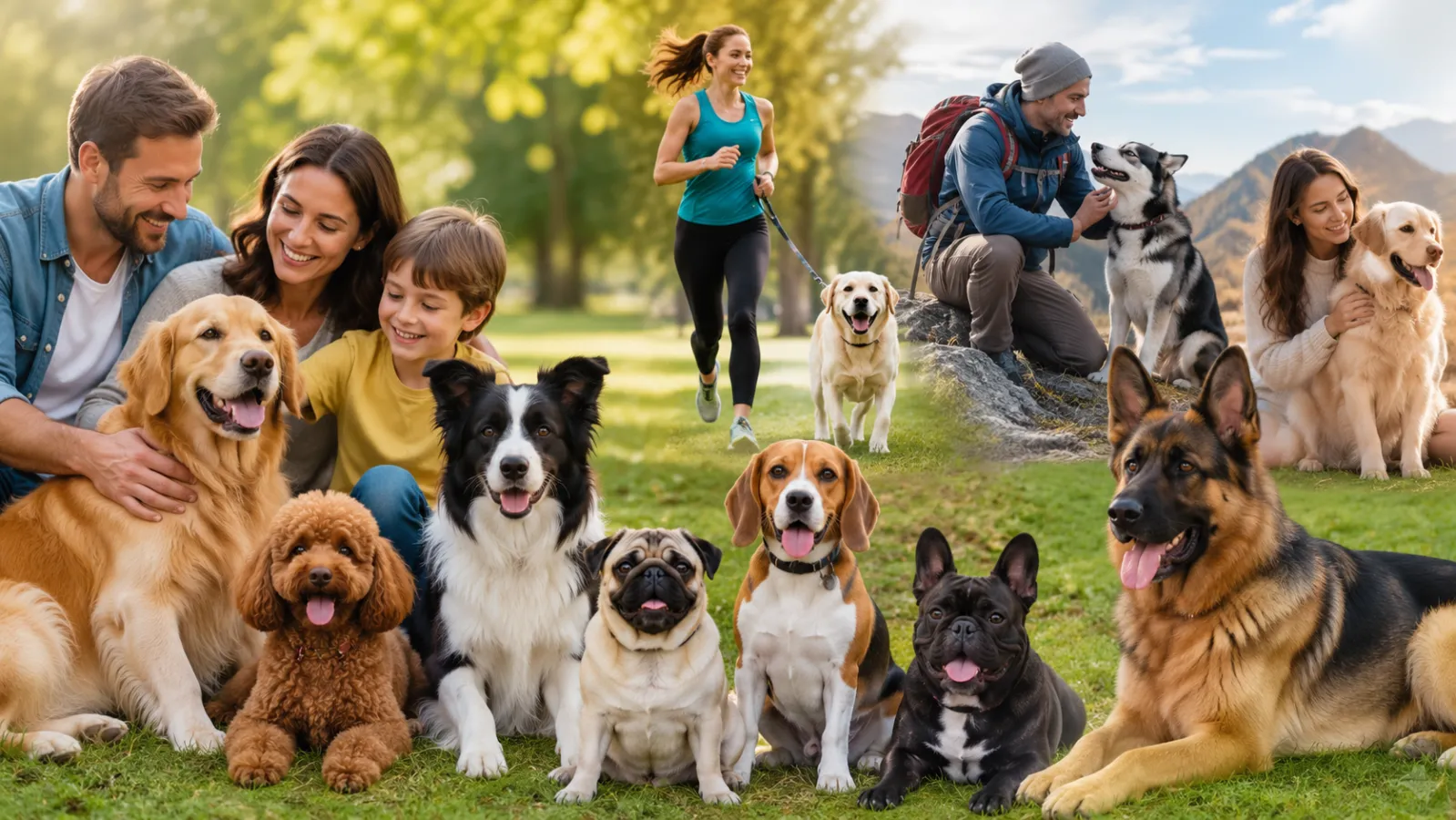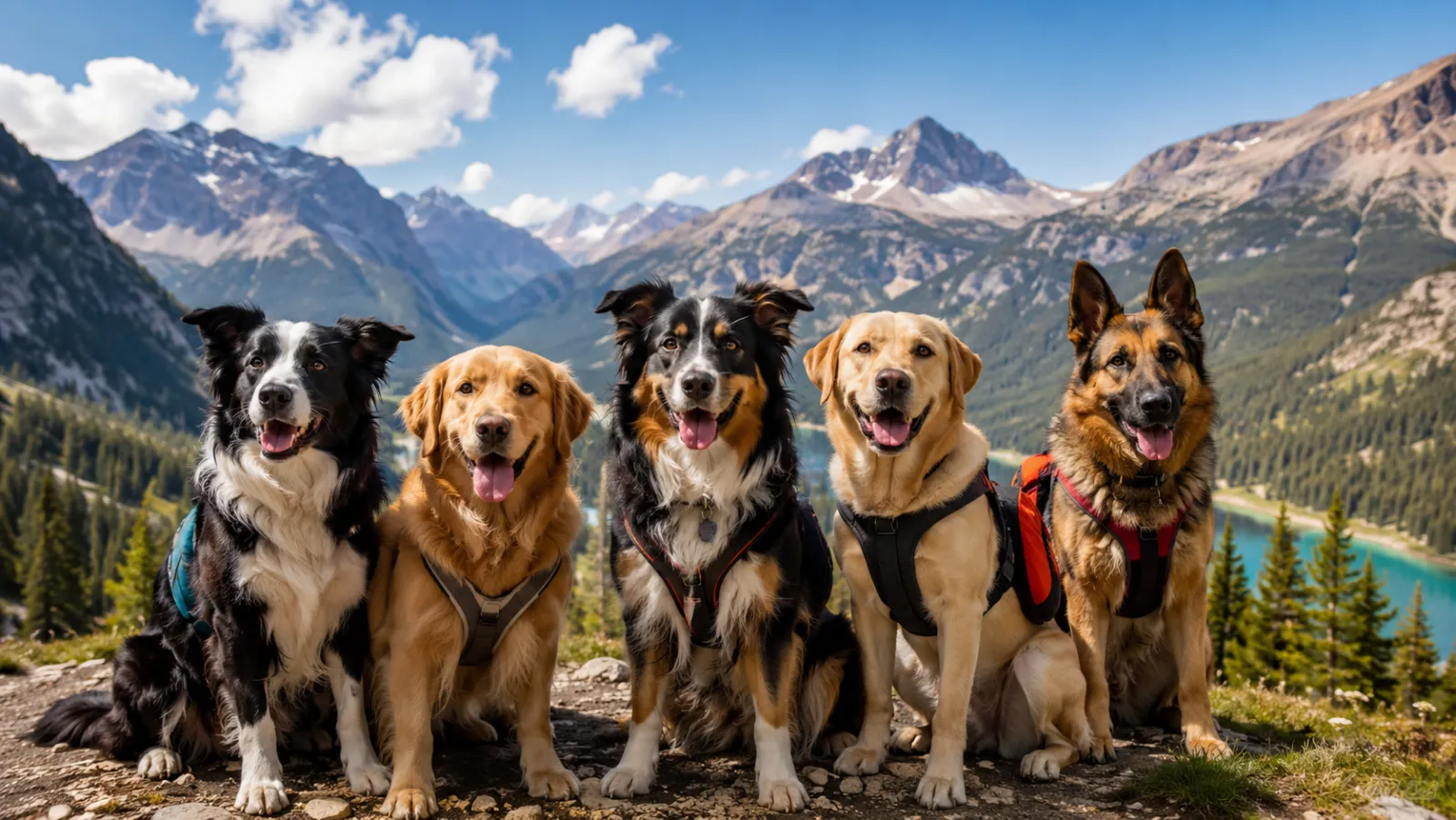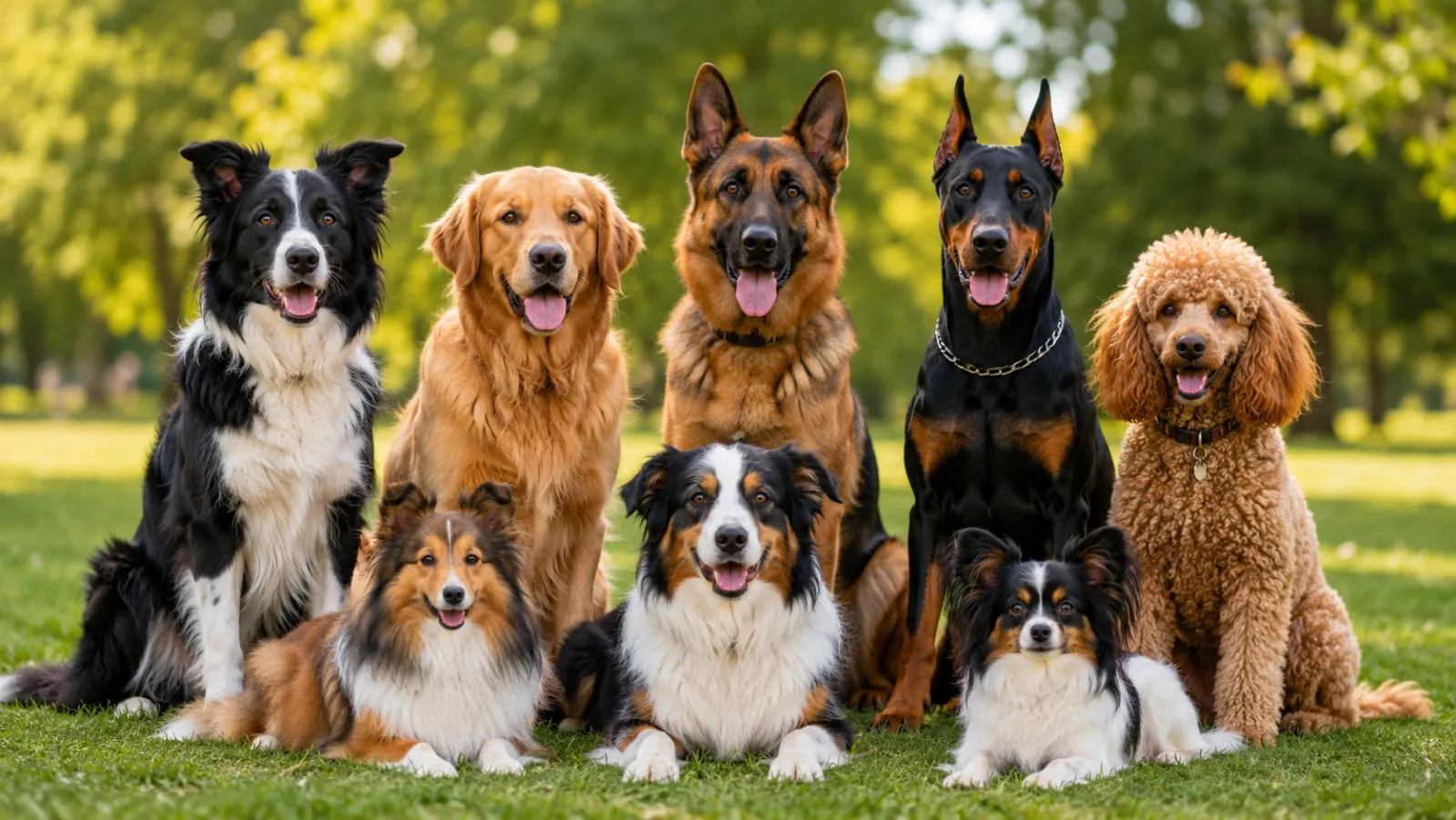
Choosing the right guard dog is about much more than finding a breed with an intimidating appearance. The best guard dogs combine natural protective instincts with intelligence, loyalty, confidence, and a stable temperament. When properly trained and socialized, these dogs become loving family companions who know when to protect and when to remain calm.
Many families across North America look for dogs that can provide both companionship and security. Whether you live in the suburbs, on a rural property, or in a busy neighborhood, selecting the right breed—and raising it responsibly—makes all the difference. A well-trained guard dog should deter threats through confidence rather than aggression.
In this guide, we'll explore the best guard dog breeds, explain what makes them effective protectors, and discuss responsible ownership, training, socialization, and legal responsibilities.
Understanding Natural Guarding Instincts
Some dog breeds have been developed over centuries to protect livestock, homes, or families. These instincts are deeply rooted in their genetics, but they don't automatically make a dog aggressive.
A good guard dog typically demonstrates:
- Confidence instead of fearfulness
- Loyalty to its family
- Alertness to unfamiliar situations
- Intelligence and quick decision-making
- Calm behavior until a genuine threat appears
The goal is not to create an aggressive dog but to nurture a confident one that can distinguish between normal visitors and real danger.
Remember that even breeds with strong guarding instincts require guidance. Without proper training and socialization, natural protective behaviors may develop into fear-based reactions or excessive territorial behavior.
1. German Shepherd
One of the world's most respected working dogs, the German Shepherd has earned its reputation through decades of service in police, military, and search-and-rescue roles.
Why They're Excellent Guard Dogs
German Shepherds possess exceptional intelligence, courage, and loyalty. They naturally watch over their families and respond quickly when something seems unusual.
Unlike many breeds, they can assess situations before reacting, making them dependable protectors rather than unpredictable guardians.
Personality
- Extremely loyal
- Highly trainable
- Protective without unnecessary aggression
- Great with families when socialized early
Exercise Needs
German Shepherds require at least 1–2 hours of daily exercise, including:
- Long walks
- Obedience practice
- Agility training
- Puzzle toys
- Fetch games
Without enough activity, they may become bored and develop destructive behaviors.
Best For
- Active families
- Homes with yards
- Owners willing to invest in ongoing training
2. Rottweiler
The Rottweiler is one of the strongest and most confident guard dog breeds. Originally bred to drive cattle and protect property, today's Rottweilers remain excellent family guardians.
Why They're Excellent Guard Dogs
Rottweilers are naturally suspicious of strangers while remaining affectionate with their families.
Their confidence means they rarely react out of panic. Instead, they observe first and respond only when necessary.
Personality
- Calm
- Courageous
- Devoted
- Confident
Exercise Needs
Daily exercise should include:
- Brisk walks
- Strength-building games
- Advanced obedience
- Mental challenges
A bored Rottweiler can become stubborn, making consistent leadership essential.
Best For
- Experienced owners
- Larger homes
- Families seeking a dependable protector
3. Doberman Pinscher
Elegant, athletic, and fearless, the Doberman Pinscher is one of the fastest and most responsive protection breeds.
Why They're Excellent Guard Dogs
Dobermans were specifically bred to protect people. They form incredibly close bonds with their owners and often become highly attuned to family routines.
Their speed, intelligence, and obedience make them outstanding protectors.
Personality
- Alert
- Affectionate
- Intelligent
- Energetic
Exercise Needs
Dobermans thrive with:
- Daily running
- Advanced obedience
- Interactive toys
- Agility courses
- Scent games
Without adequate exercise, they may become restless.
Best For
- Active individuals
- Families committed to training
- Owners who enjoy outdoor activities
4. Cane Corso
The Cane Corso is a powerful Italian mastiff originally developed to guard farms and estates.
Why They're Excellent Guard Dogs
This breed naturally monitors its surroundings without excessive barking.
Rather than reacting immediately, Cane Corsos carefully evaluate situations before acting, making them reliable guardians.
Personality
- Protective
- Calm
- Confident
- Family-oriented
Exercise Needs
They require:
- Daily walks
- Obedience sessions
- Controlled socialization
- Moderate play
- Mental stimulation
Despite their size, Cane Corsos are not overly hyperactive.
Best For
- Experienced dog owners
- Homes with secure fencing
- Families seeking a calm protector
5. Belgian Malinois
The Belgian Malinois has become one of the most trusted breeds for military and law enforcement work worldwide.
Why They're Excellent Guard Dogs
Few breeds match the Malinois for intelligence, athleticism, and work ethic.
However, their energy level is significantly higher than most other guard breeds.
Personality
- Extremely intelligent
- Highly driven
- Loyal
- Fearless
Exercise Needs
These dogs require:
- Two or more hours of activity daily
- Advanced obedience
- Agility sports
- Tracking
- Interactive training games
Without sufficient stimulation, they can become destructive.
Best For
- Experienced handlers
- Active households
- Working environments
Proper Socialization Is Essential
Socialization is one of the most important aspects of raising a guard dog.
A poorly socialized dog may view every stranger as a threat, while a properly socialized dog learns to remain calm in everyday situations.
Introduce Your Puppy To
- Adults of different ages
- Children
- Friendly dogs
- Veterinarians
- Delivery workers
- Busy streets
- Parks
- Vehicles
- Different sounds
- New environments
Positive experiences help dogs develop confidence instead of fear.
The ideal socialization period occurs during puppyhood, but adult dogs also benefit from continued exposure to new experiences.
Obedience Training Creates Reliable Protectors
Training transforms natural instincts into controlled behavior.
Every guard dog should master fundamental commands before learning advanced protection skills.
Essential Commands
Sit
Builds self-control and attention.
Stay
Prevents impulsive reactions.
Come
Could save your dog's life during emergencies.
Down
Encourages calm behavior.
Leave It
Stops unwanted interactions.
Heel
Keeps your dog focused while walking.
Daily practice strengthens communication between owner and dog.
Use Positive Reinforcement
Modern training methods emphasize rewarding desired behaviors instead of punishing mistakes.
Effective rewards include:
- Small treats
- Verbal praise
- Favorite toys
- Play sessions
- Affection
Positive reinforcement builds confidence and trust while reducing fear-based behaviors.
Harsh punishment may increase anxiety and can actually make protective breeds less predictable.
Avoid Encouraging Aggression
Many people mistakenly believe aggressive dogs make the best guard dogs.
The opposite is usually true.
An aggressive dog:
- May react unpredictably
- Can become difficult to control
- Poses legal risks
- May bite without proper cause
A well-trained guard dog:
- Remains calm
- Watches carefully
- Responds only when necessary
- Listens immediately to commands
The goal is confidence—not hostility.
Avoid games that encourage uncontrolled aggression, and never reward threatening behavior toward friendly people.
Responsible Ownership
Owning a powerful guard dog comes with significant responsibility.
Provide Daily Exercise
Working breeds require physical and mental stimulation every day.
Without it, they may develop:
- Excessive barking
- Chewing
- Digging
- Anxiety
- Destructive habits
Maintain Regular Veterinary Care
Routine checkups help identify health issues before they become serious.
Stay current on:
- Vaccinations
- Parasite prevention
- Dental care
- Weight management
Secure Your Property
Strong fencing helps protect both your family and your dog.
Never allow a guard dog to roam freely.
Supervise Interactions
Even friendly guard dogs should be supervised around unfamiliar children and visitors until everyone is comfortable.
Mental Stimulation Is Just as Important
Many guard breeds are highly intelligent.
Mental exercise prevents boredom and improves obedience.
Ideas include:
- Puzzle feeders
- Nose work
- Hide-and-seek
- Obedience drills
- Agility courses
- Interactive toys
Ten minutes of mental training can sometimes tire a working dog more than a long walk.
Legal Responsibilities of Guard Dog Ownership
Laws vary throughout North America, but owners generally have legal obligations.
These may include:
- Following local leash laws
- Licensing your dog
- Keeping vaccinations current
- Preventing bites through proper management
- Using secure fencing
- Maintaining liability insurance where required
Some municipalities also have breed-specific regulations or restrictions.
Before bringing home a guard breed, research your local and provincial, state, or municipal laws.
Responsible ownership protects both your family and your community.
Choosing the Right Guard Dog for Your Lifestyle
Not every protective breed fits every household.
| Breed Energy Level Trainability Family Friendly Experience Needed | ||||
| German Shepherd | High | Excellent | Excellent | Moderate |
| Rottweiler | Moderate-High | Excellent | Excellent | Moderate-High |
| Doberman Pinscher | High | Excellent | Excellent | Moderate |
| Cane Corso | Moderate | Very Good | Very Good | High |
| Belgian Malinois | Very High | Outstanding | Very Good | Very High |
Consider:
- Your activity level
- Home size
- Experience with dogs
- Time available for training
- Budget for veterinary care
- Grooming needs
The best breed is one that matches your lifestyle—not simply the strongest-looking dog.
Common Mistakes New Owners Make
Skipping Early Socialization
Waiting too long can result in fearfulness and reactivity.
Inconsistent Training
Mixed signals confuse dogs.
Everyone in the household should use the same commands and expectations.
Underestimating Exercise Needs
Guard breeds often require significantly more activity than average family dogs.
Encouraging Protective Behavior Too Early
Allow puppies to develop confidence through obedience and socialization before expecting protective instincts to mature naturally.
Ignoring Mental Stimulation
Smart breeds need regular challenges to remain happy and well-behaved.
Are Guard Dogs Good Family Pets?
Absolutely—when properly raised.
The best guard dogs spend most of their time being affectionate companions rather than actively guarding.
They enjoy:
- Family activities
- Outdoor adventures
- Playing with children
- Learning new commands
- Spending time with their owners
Proper breeding, responsible ownership, and consistent training help these dogs become gentle family members who instinctively protect when necessary.
Final Thoughts
The best guard dog breeds combine loyalty, intelligence, confidence, and dependable protective instincts. German Shepherds, Rottweilers, Doberman Pinschers, Cane Corsos, and Belgian Malinois have earned their reputations because they excel when paired with responsible owners who prioritize training, socialization, and lifelong care.
Natural guarding instincts are only part of the equation. Early socialization, positive reinforcement, regular obedience training, and responsible ownership shape these powerful breeds into trustworthy companions who know when to stay calm and when to protect.
If you're considering adding a guard dog to your family, choose a breed that matches your experience level and lifestyle. With patience, consistency, and proper guidance, your dog can become both a devoted family member and a confident guardian for many years to come.