Your dog's eyes are one of their most sensitive and important features. They help your pet explore the world, communicate with you, and stay aware of their surroundings. However, many dog owners overlook routine eye care until they notice excessive tearing, discharge, redness, or unsightly tear stains. While a small amount of eye discharge is normal, persistent buildup or staining can indicate irritation, poor hygiene, allergies, or even an underlying medical condition.
Daily eye cleaning is a simple grooming habit that helps prevent infections, reduces discomfort, and keeps your dog's face looking clean. Whether you own a fluffy Shih Tzu, a white Maltese, a Bulldog, or a Labrador Retriever, proper eye care should be part of every grooming routine.
1. Clean Your Dog's Eyes Every Day
Eye cleaning should become as routine as brushing your dog's coat or checking their ears. Daily removal of dirt and discharge prevents bacteria from multiplying around the eyes and reduces the chance of irritation.
Why Daily Eye Cleaning Matters
Throughout the day, dust, pollen, grass particles, and natural tears collect around your dog's eyes. Small amounts of discharge are completely normal, especially after sleeping. However, when this material remains on the skin, it can harden into crusts that become uncomfortable and may encourage bacterial growth.
Dogs with long facial hair or deep facial folds are especially prone to buildup because moisture remains trapped around the eyes.
Daily cleaning helps:
- Remove dried eye discharge
- Reduce bacteria around the eyes
- Prevent skin irritation
- Keep the fur clean
- Reduce tear staining
- Improve overall eye comfort
Making eye cleaning part of your dog's morning routine only takes a minute or two but offers long-term benefits.
Why Tear Stains Develop
Tear stains appear as reddish-brown discoloration beneath the eyes. Although they are most noticeable on white or light-colored dogs, any breed can develop them.
The stains occur because tears contain naturally occurring compounds called porphyrins. When tears remain on the fur, these compounds oxidize after exposure to air, leaving behind dark stains.
Several factors contribute to tear stains:
- Excessive tear production
- Blocked tear ducts
- Long facial hair directing tears downward
- Allergies
- Eye irritation
- Certain facial structures
- Poor grooming habits
Tear stains themselves are usually cosmetic, but excessive tearing should never be ignored because it can signal an underlying health problem.
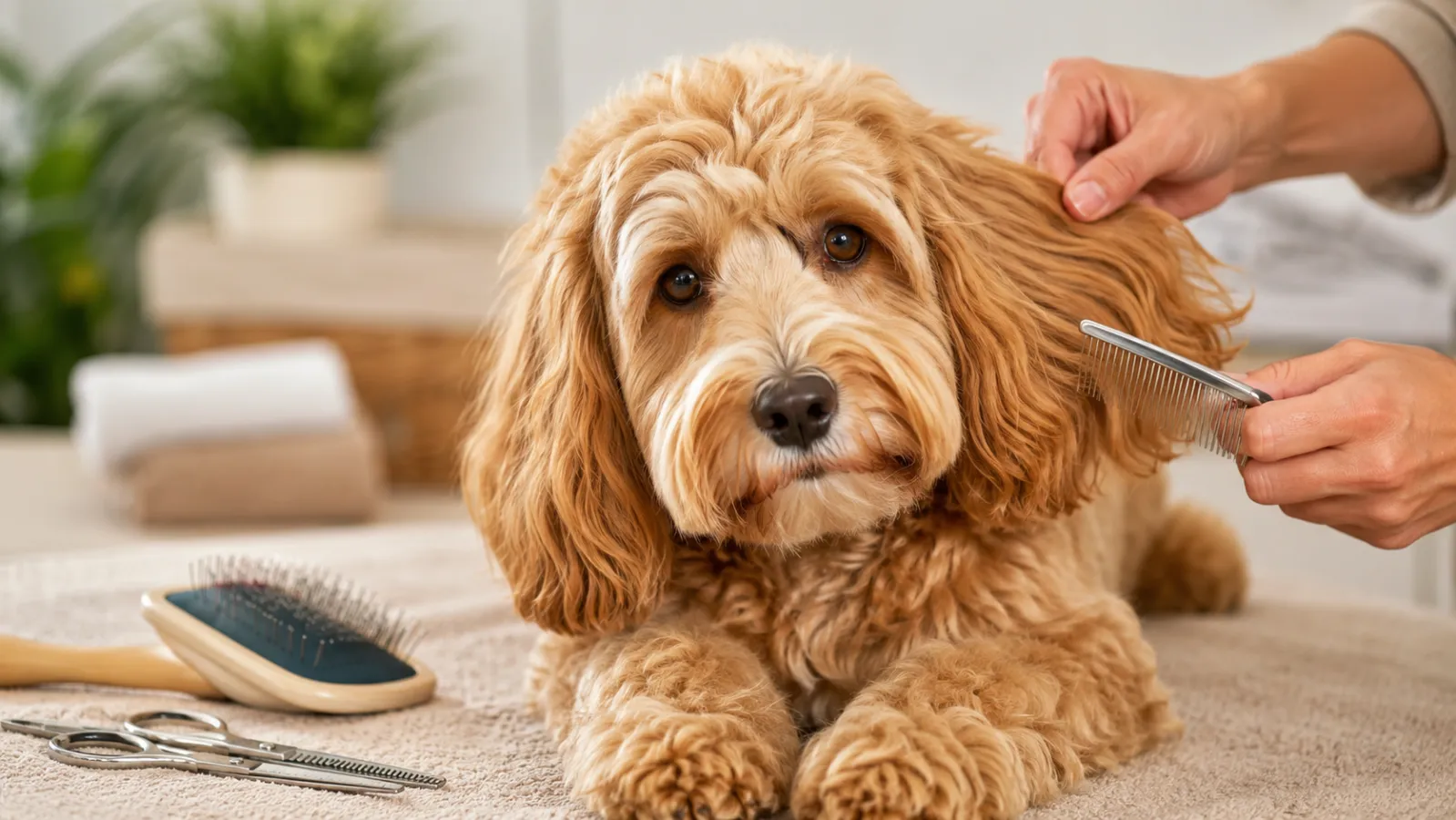
Use Soft, Clean Cloths or Pet Wipes
The skin surrounding your dog's eyes is delicate. Using rough towels or dirty cloths can cause irritation instead of helping.
Choose gentle materials such as:
- Soft microfiber cloths
- Cotton pads
- Warm damp washcloths
- Veterinarian-approved pet eye wipes
Always use a clean cloth for each eye whenever possible. This helps prevent transferring bacteria if one eye develops an infection.
Proper Eye Cleaning Steps
Follow these simple steps every day:
- Wash your hands.
- Dampen a soft cloth with warm water.
- Gently wipe from the inner corner outward.
- Remove crusts without rubbing aggressively.
- Dry the surrounding fur afterward.
- Reward your dog with praise or a treat.
Avoid scrubbing or pressing directly on the eyeball. Gentle wiping is all that is needed.
Never Use Human Eye Products
Many people assume human eye drops or facial cleansers are safe for dogs. Unfortunately, this is not true.
Avoid using:
- Human eye drops
- Contact lens solutions
- Alcohol-based wipes
- Hydrogen peroxide
- Baby shampoo around the eyes
- Household disinfectants
Only use products specifically formulated for dogs or those recommended by your veterinarian.
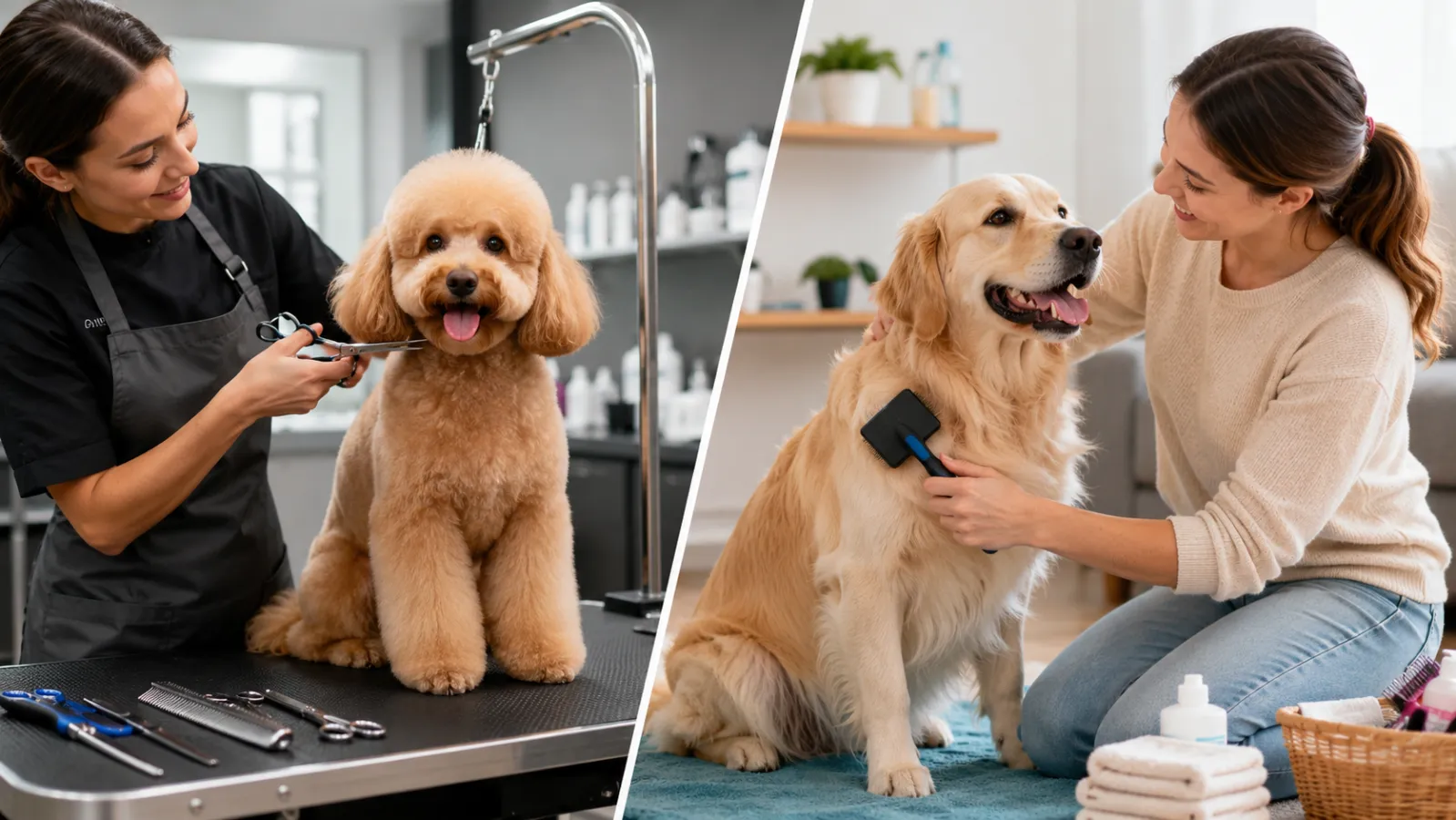
Trim Hair Around the Eyes
Long facial hair often traps moisture and directs tears onto the fur. This increases staining while allowing dirt and bacteria to accumulate.
Breeds commonly affected include:
- Shih Tzu
- Maltese
- Lhasa Apso
- Havanese
- Yorkshire Terrier
- Poodle
- Cocker Spaniel
Keeping the hair neatly trimmed improves airflow and reduces constant contact between the fur and the eyes.
Safe Trimming Tips
If trimming at home:
- Use rounded-tip grooming scissors.
- Keep your dog calm.
- Work in a well-lit room.
- Trim slowly.
- Never point scissors toward the eye.
If your dog moves frequently, let a professional groomer handle facial trimming to prevent injury.
Understand What Normal Eye Discharge Looks Like
Not all eye discharge is a cause for concern.
Normal discharge usually includes:
- Small dried crusts after sleeping
- Clear tears
- Tiny amounts of light-colored mucus
Abnormal discharge may include:
- Thick yellow mucus
- Green discharge
- Bloody discharge
- Large amounts of tearing
- Continuous crust formation
Changes in discharge often indicate irritation or infection and should be evaluated by your veterinarian.
Watch for Signs of Eye Problems
Healthy eyes should be bright, clear, and comfortable.
Contact your veterinarian if you notice:
- Persistent redness
- Swollen eyelids
- Squinting
- Pawing at the eyes
- Cloudiness
- Excessive blinking
- Thick discharge
- Bad odor
- Sudden increase in tearing
- Visible injury
Eye problems can worsen quickly, making prompt treatment extremely important.
Keep the Area Around the Eyes Dry
Moisture encourages bacteria and yeast to multiply.
After cleaning:
- Gently dry the fur.
- Keep facial folds clean.
- Avoid leaving wet fur after baths.
- Dry the face after drinking water.
- Remove food stuck around the muzzle.
A dry facial area helps reduce both odor and tear stains.
Prevent Dirt and Irritants
Dogs frequently encounter environmental irritants that affect the eyes.
Common irritants include:
- Dust
- Pollen
- Smoke
- Wind
- Shampoo
- Sand
- Grass seeds
- Household cleaning sprays
After walks, especially during allergy seasons, wipe around your dog's eyes to remove debris before irritation develops.
Nutrition Supports Healthy Eyes
Good nutrition contributes to healthy skin, coat, and tear production.
A balanced diet provides nutrients that support eye health, including:
- Vitamin A
- Vitamin E
- Omega-3 fatty acids
- Zinc
- High-quality protein
- Antioxidants
Fresh drinking water is equally important because dehydration can affect normal tear production.
Always discuss dietary supplements with your veterinarian before adding them to your dog's routine.
Certain Breeds Need Extra Eye Care
Some breeds naturally require more frequent eye cleaning.
Flat-Faced Breeds
Breeds such as:
- Pug
- French Bulldog
- Boston Terrier
- Bulldog
have prominent eyes that collect dirt more easily.
Long-Haired Breeds
Dogs like:
- Maltese
- Shih Tzu
- Lhasa Apso
often develop tear stains because facial hair directs moisture beneath the eyes.
Large-Eyed Breeds
Cavalier King Charles Spaniels and Cocker Spaniels can also experience excessive tearing.
Owners of these breeds should inspect their dog's eyes every day.
Common Eye Cleaning Mistakes
Many well-meaning owners accidentally create more irritation during grooming.
Avoid these mistakes:
Using Dirty Cloths
Dirty towels spread bacteria instead of removing it.
Scrubbing Too Hard
Aggressive rubbing can scratch sensitive skin.
Ignoring Tear Stains
Persistent stains may indicate excessive tearing or blocked tear ducts.
Waiting Too Long
Allowing crusts to build up makes cleaning more difficult.
Skipping Grooming
Long hair around the eyes contributes significantly to irritation.
Creating an Eye Care Routine
The easiest way to maintain healthy eyes is by adding eye cleaning to your daily grooming schedule.
A simple routine may include:
Morning
- Check both eyes
- Remove overnight discharge
- Wipe away tears
After Walks
- Remove dust and pollen
- Check for grass seeds
- Inspect for redness
Weekly
- Examine facial hair
- Check for unusual discharge
- Inspect tear stains
- Clean grooming tools
Consistency prevents small issues from becoming larger health concerns.
When Tear Stains Require Veterinary Care
Occasional staining is common, but excessive tearing should always be investigated.
Schedule a veterinary examination if your dog experiences:
- Constant watery eyes
- One eye tearing much more than the other
- Red, swollen eyelids
- Thick discharge
- Eye pain
- Frequent rubbing
- Cloudy eyes
- Sudden vision changes
Your veterinarian may evaluate for:
- Allergies
- Eye infections
- Corneal ulcers
- Blocked tear ducts
- Eyelid abnormalities
- Eyelash disorders
- Foreign objects
- Glaucoma
Early diagnosis often prevents more serious complications.
Building Positive Grooming Habits
Some dogs dislike having their faces touched. Patience and positive reinforcement make eye cleaning much easier.
Tips include:
- Start handling the face while your dog is young.
- Keep sessions short.
- Offer treats after cleaning.
- Speak calmly throughout the process.
- Never force your dog if they become frightened.
- Practice daily until eye cleaning becomes routine.
Most dogs learn to tolerate eye care when it is associated with praise and rewards.
Final Thoughts
Eye cleaning and tear stain care are simple but essential parts of responsible dog ownership. Regular removal of discharge, gentle cleaning with soft cloths or pet-safe wipes, keeping the fur trimmed around the eyes, and monitoring for changes all help protect your dog's vision and comfort. While tear stains are often harmless, persistent tearing, redness, swelling, or unusual discharge should never be ignored, as they may signal an underlying medical issue that requires veterinary attention.
By making eye care part of your daily grooming routine, you can reduce irritation, minimize tear stains, lower the risk of infection, and keep your dog's eyes bright, healthy, and comfortable for years to come. A few minutes of consistent care each day can make a significant difference in your pet's overall well-being.