A beautiful, soft coat is more than just a sign of a well-groomed dog—it's an indicator of overall health. Unfortunately, many dog owners underestimate how quickly mats and tangles can develop, especially in dogs with medium, long, or curly coats. What starts as a small knot behind the ears or under the legs can quickly become a painful mat that affects your dog's comfort and health.
Matted fur isn't simply a cosmetic issue. It traps dirt, moisture, loose hair, bacteria, and debris against the skin, increasing the risk of skin infections, hot spots, parasites, and restricted movement. Severe matting can even cut off airflow to the skin, causing irritation and pain every time your dog walks, runs, or lies down.
The good news is that preventing mats and tangles is much easier than removing severe ones. With a consistent grooming routine, the right tools, and regular professional care, you can keep your dog's coat clean, comfortable, and healthy all year long.
Why Mats and Tangles Are a Serious Concern
Many pet owners think mats are simply clumps of tangled hair, but they can have much more serious consequences.
As loose hair becomes intertwined with healthy fur, it forms tight knots that continue collecting dirt, moisture, grass, dust, and bacteria. Over time, these knots become denser and pull tightly against your dog's skin.
This constant pulling can cause:
- Skin irritation
- Pain when moving
- Restricted circulation
- Hot spots
- Fungal and bacterial infections
- Hidden parasites like fleas and ticks
- Reduced airflow to the skin
In severe cases, mats can become so tight that they bruise the skin underneath or tear the skin when removed improperly.
Dogs rarely show obvious signs until the matting becomes painful, making prevention extremely important.
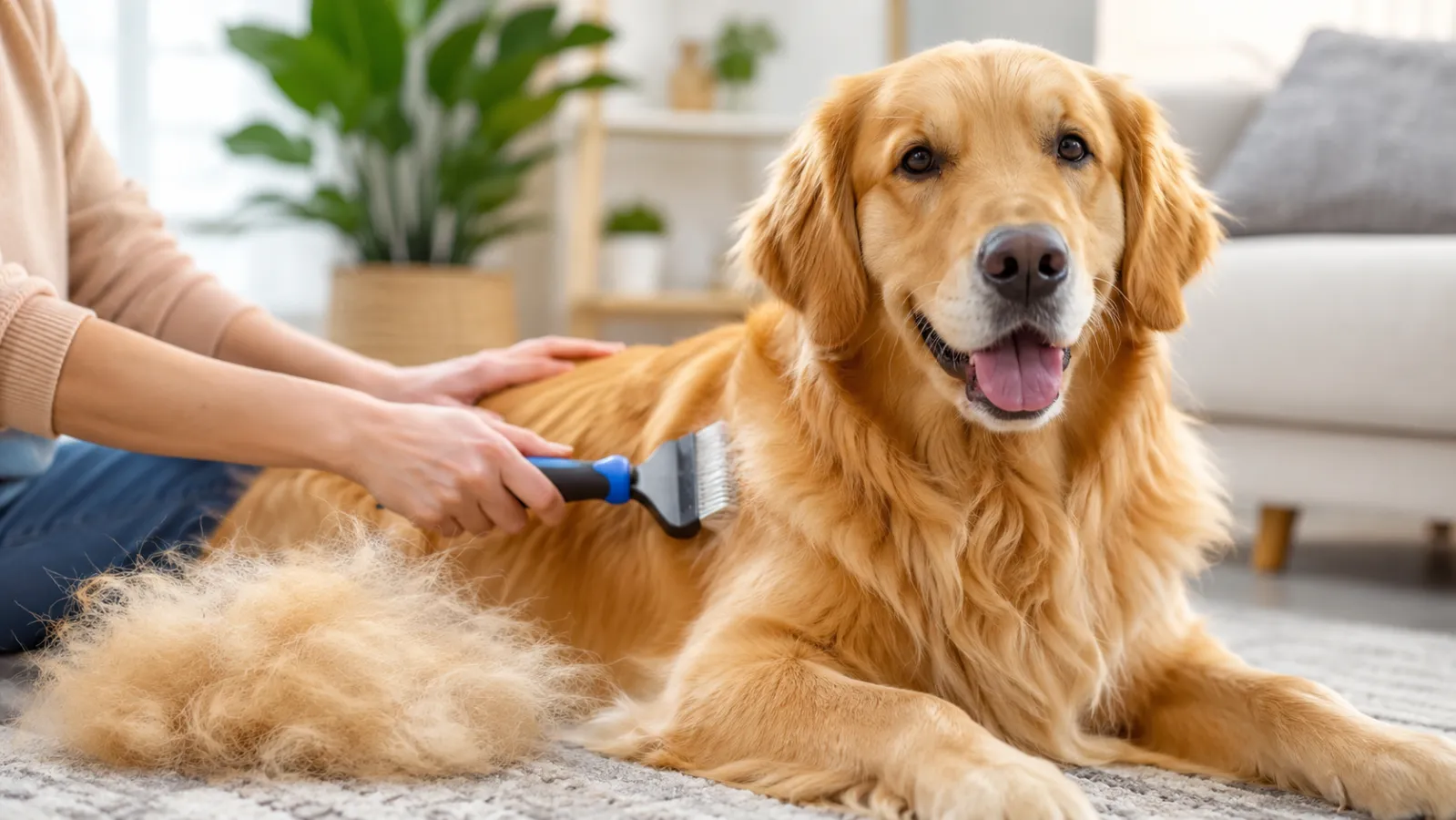
1. Brush Long Coats Every Day
Daily brushing is the single most effective way to prevent mats and tangles.
Dogs with long, curly, silky, or double coats shed loose hair that often becomes trapped instead of falling naturally. If this loose hair isn't removed, it quickly wraps around healthy strands, forming tangles that eventually become mats.
Why Daily Brushing Works
Brushing helps:
- Remove loose hair
- Distribute natural skin oils
- Prevent knots from tightening
- Improve blood circulation
- Remove dirt and debris
- Keep the coat soft and shiny
It also allows you to inspect your dog's skin for cuts, bumps, parasites, or irritation before they become serious problems.
Which Dogs Need Daily Brushing?
Although every dog benefits from brushing, some breeds require daily attention.
Examples include:
- Goldendoodles
- Labradoodles
- Poodles
- Shih Tzus
- Maltese
- Yorkshire Terriers
- Afghan Hounds
- Old English Sheepdogs
- Bernese Mountain Dogs
- Rough Collies
Double-coated breeds may also require extra brushing during seasonal shedding.
Use the Right Brush
Different coats require different grooming tools.
Some common options include:
- Slicker brushes for removing loose hair and tangles
- Pin brushes for long silky coats
- Undercoat rakes for double-coated breeds
- Wide-tooth combs for finishing and checking hidden knots
Using the wrong brush may only smooth the surface while leaving mats underneath.
Brush All the Way to the Skin
Many owners accidentally brush only the top layer of fur.
Instead:
- Separate the coat into small sections.
- Brush from the skin outward.
- Work slowly.
- Check each section with a comb afterward.
This technique, often called line brushing, ensures hidden tangles don't remain underneath.
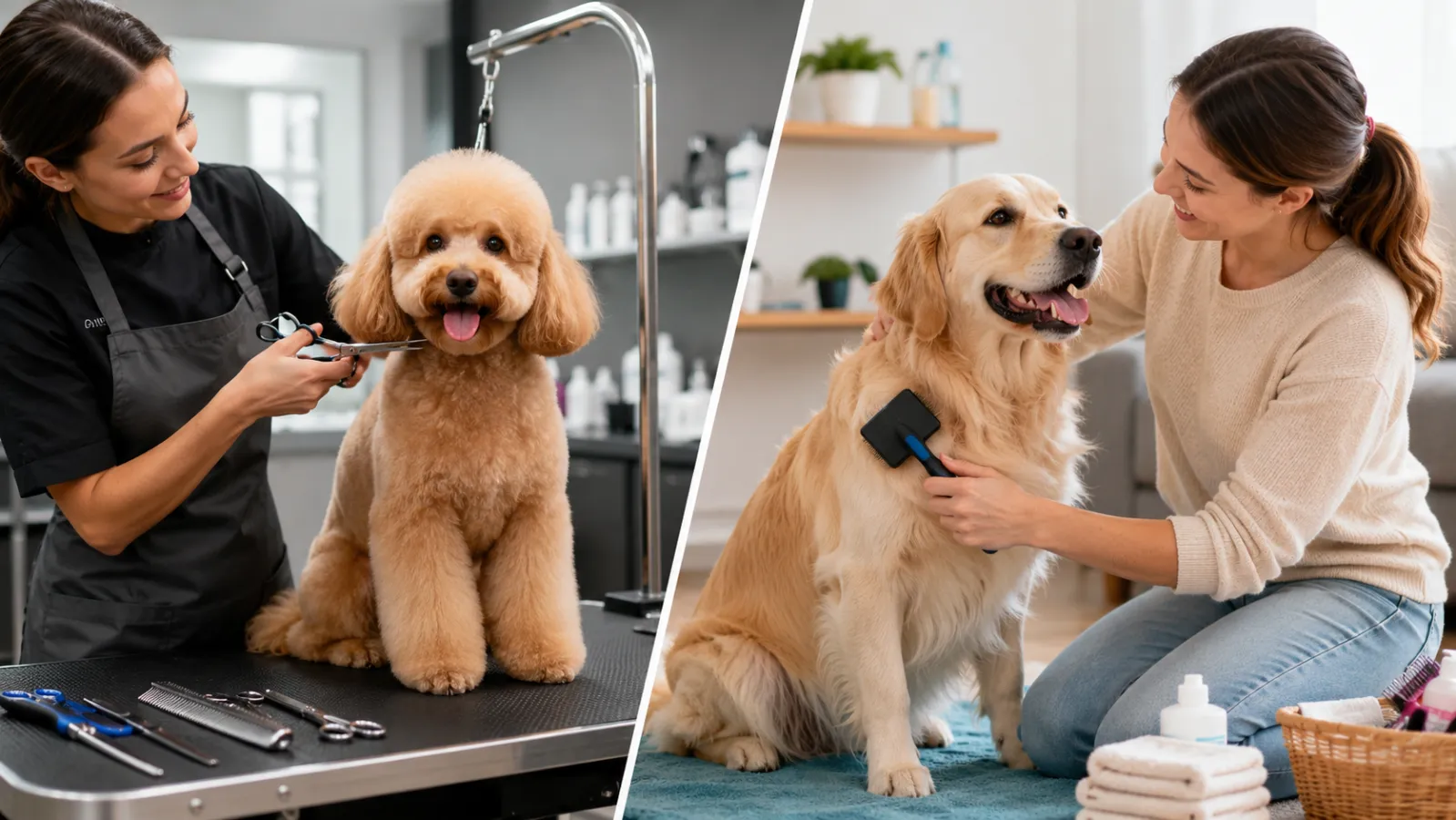
2. Schedule Regular Professional Grooming
Even the most dedicated dog owners benefit from professional grooming.
Professional groomers have specialized equipment, experience, and techniques for keeping coats healthy while preventing painful matting.
Why Professional Grooming Matters
Professional groomers can:
- Remove loose undercoat safely
- Trim difficult areas
- Spot early skin issues
- Remove beginning mats
- Bathe and dry the coat correctly
- Maintain breed-specific coat styles
Regular appointments often prevent expensive emergency grooming sessions caused by severe matting.
How Often Should Dogs Be Groomed?
The ideal schedule depends on coat type.
General recommendations include:
- Long-haired breeds: Every 4–6 weeks
- Curly coats: Every 4–8 weeks
- Double coats: Every 6–10 weeks
- Short-haired breeds: Every 8–12 weeks
Dogs that swim frequently or spend lots of time outdoors may require more frequent grooming.
Professional Grooming Isn't Just About Haircuts
Many owners assume grooming means getting a haircut.
A complete grooming session often includes:
- Brushing
- Bathing
- Blow drying
- Nail trimming
- Ear cleaning
- Sanitary trimming
- Coat inspection
- Dematting if necessary
These services work together to maintain healthy skin and coat condition.
3. Remove Small Tangles Immediately
Tiny tangles rarely stay tiny.
A knot the size of a marble today can become a fist-sized mat within a few days, especially after outdoor play or bathing.
Why Immediate Action Matters
Every time your dog moves, sleeps, or rolls around, tangled hairs tighten together.
Eventually, the knot becomes impossible to brush out without causing discomfort.
Removing small tangles early:
- Saves time
- Reduces pain
- Prevents skin irritation
- Avoids shaving
- Keeps grooming enjoyable
How to Remove Small Tangles Safely
Hold the hair close to the skin to reduce pulling.
Then:
- Use your fingers to gently separate the knot.
- Apply a dog-safe detangling spray if needed.
- Work from the outer edges inward.
- Use a wide-tooth comb afterward.
Never yank on tangled fur.
If the knot feels extremely tight or close to the skin, consult a professional groomer instead.
Never Use Household Scissors
Many emergency veterinary visits occur because owners accidentally cut their dog's skin while trying to remove mats.
Dog skin stretches easily beneath dense mats, making it difficult to distinguish fur from skin.
Professional grooming tools are much safer than ordinary scissors.
4. Keep Problem Areas Trimmed
Certain parts of a dog's body naturally collect tangles faster than others.
These areas experience more movement, friction, and moisture throughout the day.
Common problem areas include:
- Behind the ears
- Under the collar
- Armpits
- Groin
- Belly
- Tail
- Legs
- Between the toes
Keeping these areas neatly trimmed greatly reduces mat formation.
Why Friction Causes Mats
Whenever fur rubs against another surface, individual hairs twist together.
Examples include:
- Harness straps
- Collars
- Blankets
- Car seats
- Grass
- Snow
- Water
Over time, repeated rubbing creates stubborn tangles.
Sanitary Trims Help Too
Professional sanitary trims around sensitive areas help reduce:
- Moisture buildup
- Dirt accumulation
- Urine staining
- Fecal contamination
This not only prevents matting but also improves hygiene and reduces unpleasant odors.
Bathing the Right Way Helps Prevent Mats
Bathing alone doesn't prevent tangles.
In fact, improper bathing can actually create them.
Never shampoo a heavily tangled coat.
Water causes existing knots to tighten, making them much harder to remove afterward.
Before every bath:
- Brush thoroughly.
- Remove loose tangles.
- Check for mats.
After bathing:
- Dry completely.
- Brush while drying.
- Never allow a long-haired dog to air dry naturally.
Wet hair twists together much faster than dry hair.
Nutrition Supports a Healthy Coat
Healthy fur begins with proper nutrition.
Dogs lacking essential nutrients often develop dry, brittle coats that tangle more easily.
A balanced diet should include:
- High-quality protein
- Omega-3 fatty acids
- Omega-6 fatty acids
- Vitamins A and E
- Zinc
Adequate hydration also supports healthy skin and flexible hair strands.
If your dog's coat suddenly becomes dull, dry, or unusually tangled, consult your veterinarian to rule out nutritional deficiencies or underlying medical conditions.
Seasonal Coat Changes
Many dogs experience heavier shedding during spring and fall.
During these periods:
- Brush more frequently.
- Schedule additional grooming appointments.
- Remove loose undercoat regularly.
Ignoring seasonal shedding allows loose hair to remain trapped, dramatically increasing the likelihood of matting.
Exercise and Outdoor Adventures
Dogs that enjoy hiking, swimming, or running through fields collect:
- Burrs
- Twigs
- Seeds
- Mud
- Sand
- Leaves
After outdoor activities:
- Inspect the entire coat.
- Brush out debris.
- Dry wet fur completely.
- Check between the toes.
Five minutes of grooming after each adventure can prevent hours of dematting later.
Common Grooming Mistakes That Cause Mats
Many well-meaning owners unknowingly contribute to matting.
Common mistakes include:
Skipping brushing for several days
A few missed grooming sessions can allow tangles to become permanent mats.
Bathing before brushing
Water tightens existing knots.
Using human grooming products
Human shampoos can dry your dog's skin and damage the coat.
Brushing only the surface
Hidden mats often remain close to the skin.
Waiting too long between grooming appointments
Even naturally low-maintenance coats benefit from routine professional care.
Signs Your Dog May Already Have Mats
Not every mat is immediately visible.
Watch for signs such as:
- Your dog scratching constantly
- Excessive licking
- Sensitive areas during brushing
- Bad odor
- Thick clumps of hair
- Red or irritated skin
- Difficulty walking comfortably
- Hair pulling when your dog moves
If severe matting is present, avoid pulling it apart yourself.
Professional groomers can determine the safest removal method while minimizing discomfort.
Creating an Easy Grooming Routine
Consistency makes grooming much easier.
A simple routine may include:
Daily
- Quick five- to ten-minute brushing
- Check behind ears and under legs
- Remove debris after walks
Weekly
- Thorough brushing
- Inspect skin
- Clean ears if needed
- Trim small problem areas if appropriate
Monthly
- Professional grooming
- Nail trimming
- Full coat assessment
This routine keeps grooming manageable while preventing major coat problems.
When to See a Veterinarian
Sometimes excessive matting points to an underlying health problem.
Consult your veterinarian if you notice:
- Sudden coat deterioration
- Persistent skin infections
- Hair loss
- Excessive itching
- Strong odor
- Pain when touched
- Repeated hot spots
- Parasites beneath the coat
Medical conditions such as allergies, hormonal disorders, arthritis, or obesity may make grooming difficult for your dog and contribute to recurring mats.
Final Thoughts
Preventing mats and tangles is one of the most important parts of responsible dog ownership. While mats may seem like a simple grooming issue, they can quickly lead to pain, restricted movement, skin infections, and significant discomfort for your dog.
Fortunately, prevention is straightforward. Daily brushing removes loose hair before it forms knots, regular professional grooming keeps the coat healthy and manageable, small tangles can be addressed before they become painful mats, and trimming high-friction areas greatly reduces the risk of future problems.
Every dog deserves to feel comfortable in its own skin. By making grooming a consistent part of your routine, you protect your dog's health, improve coat quality, and strengthen the bond you share. A few minutes of care each day can prevent hours of discomfort and help your canine companion stay happy, active, and healthy throughout every season.