Shedding is a natural part of a dog's life, but when loose hair seems to cover every piece of furniture, every corner of the house, and every outfit you own, it can quickly become frustrating. While all dogs shed to some degree, the amount of hair they lose depends on their breed, coat type, age, health, diet, and even the changing seasons. Understanding why your dog sheds and how to manage it can help keep both your pet and your home healthier.
Excessive shedding isn't always just a housekeeping problem. Sometimes it can be an early warning sign of poor nutrition, skin irritation, allergies, parasites, hormonal disorders, or other medical conditions. Learning the difference between normal seasonal shedding and abnormal hair loss allows you to respond appropriately before small problems become serious.
Fortunately, managing shedding doesn't require expensive treatments or complicated routines. With regular brushing, proper nutrition, appropriate bathing, and routine veterinary care, most pet owners can significantly reduce the amount of loose hair while improving their dog's overall coat health.
Why Dogs Shed
Shedding is the body's natural way of replacing old, damaged, or dead hair with healthy new growth. Just like humans lose hair daily, dogs constantly cycle through different stages of hair growth.
The amount of shedding varies depending on several factors:
- Breed
- Coat type
- Climate
- Age
- Overall health
- Diet
- Hormonal changes
- Stress levels
Some breeds, like Golden Retrievers, Labrador Retrievers, German Shepherds, Huskies, and Alaskan Malamutes, naturally shed large amounts throughout the year. Others, including Poodles, Bichon Frises, and Portuguese Water Dogs, shed much less because their hair continues growing rather than falling out frequently.
Knowing your dog's normal shedding pattern makes it easier to recognize when something unusual is happening.
Understanding Seasonal Shedding
Many dogs experience heavy shedding twice a year.
Spring Shedding
During spring, dogs lose their thick winter undercoat as temperatures begin to rise. This prepares them for warmer weather.
Owners often notice:
- Large clumps of fur
- Increased brushing needs
- Hair collecting around the home
- Longer vacuuming sessions
This process is completely normal.
Fall Shedding
In autumn, many dogs shed their lighter summer coat to make room for a thicker insulating winter coat.
This seasonal coat change helps regulate body temperature during colder months.
Double-coated breeds experience the most noticeable seasonal shedding, while single-coated breeds usually shed more evenly throughout the year.
Why Excessive Shedding Can Be a Concern
Although shedding is normal, excessive hair loss deserves attention.
Warning signs include:
- Bald patches
- Red or inflamed skin
- Constant scratching
- Hair breaking easily
- Dry, flaky skin
- Open sores
- Sudden increase in shedding
- Dull-looking coat
These symptoms may indicate:
- Allergies
- Fleas or mites
- Skin infections
- Poor nutrition
- Hormonal disorders
- Stress
- Autoimmune diseases
- Thyroid problems
If your dog's coat changes dramatically without an obvious seasonal explanation, consult your veterinarian.
1. Brush Frequently During Shedding Seasons
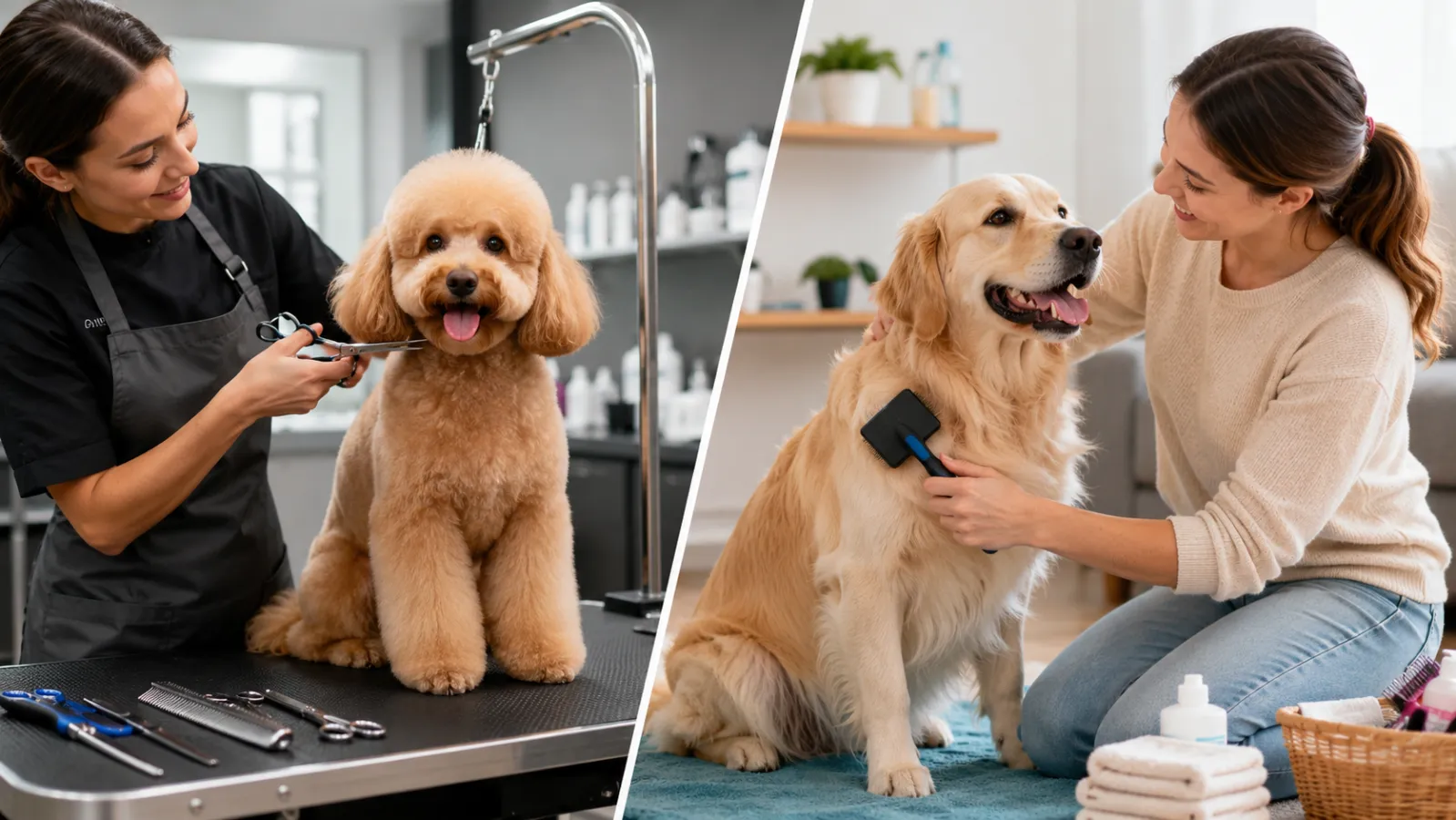
Brushing is the single most effective way to control shedding.
Instead of allowing loose hair to fall around your home, brushing removes dead fur before it ends up on your furniture, clothing, or floors.
Benefits of Regular Brushing
Frequent brushing helps:
- Remove loose hair
- Prevent mats
- Spread natural skin oils
- Improve circulation
- Reduce tangles
- Keep skin healthy
- Detect skin problems early
It also creates a wonderful bonding experience between you and your dog.
How Often Should You Brush?
Different coat types require different schedules.
Short-coated breeds
Brush 1–2 times each week.
Examples include:
- Beagles
- Boxers
- Dobermans
Medium coats
Brush every other day during heavy shedding.
Examples include:
- Labradors
- Border Collies
Long-haired breeds
Brush daily.
Examples include:
- Golden Retrievers
- Afghan Hounds
- Rough Collies
Double-coated breeds
Daily brushing during seasonal shedding helps remove the loose undercoat before it accumulates inside the home.
Examples include:
- Huskies
- German Shepherds
- Akitas
- Samoyeds
Choosing the Right Brush
Using the proper grooming tool makes a significant difference.
Common brush types include:
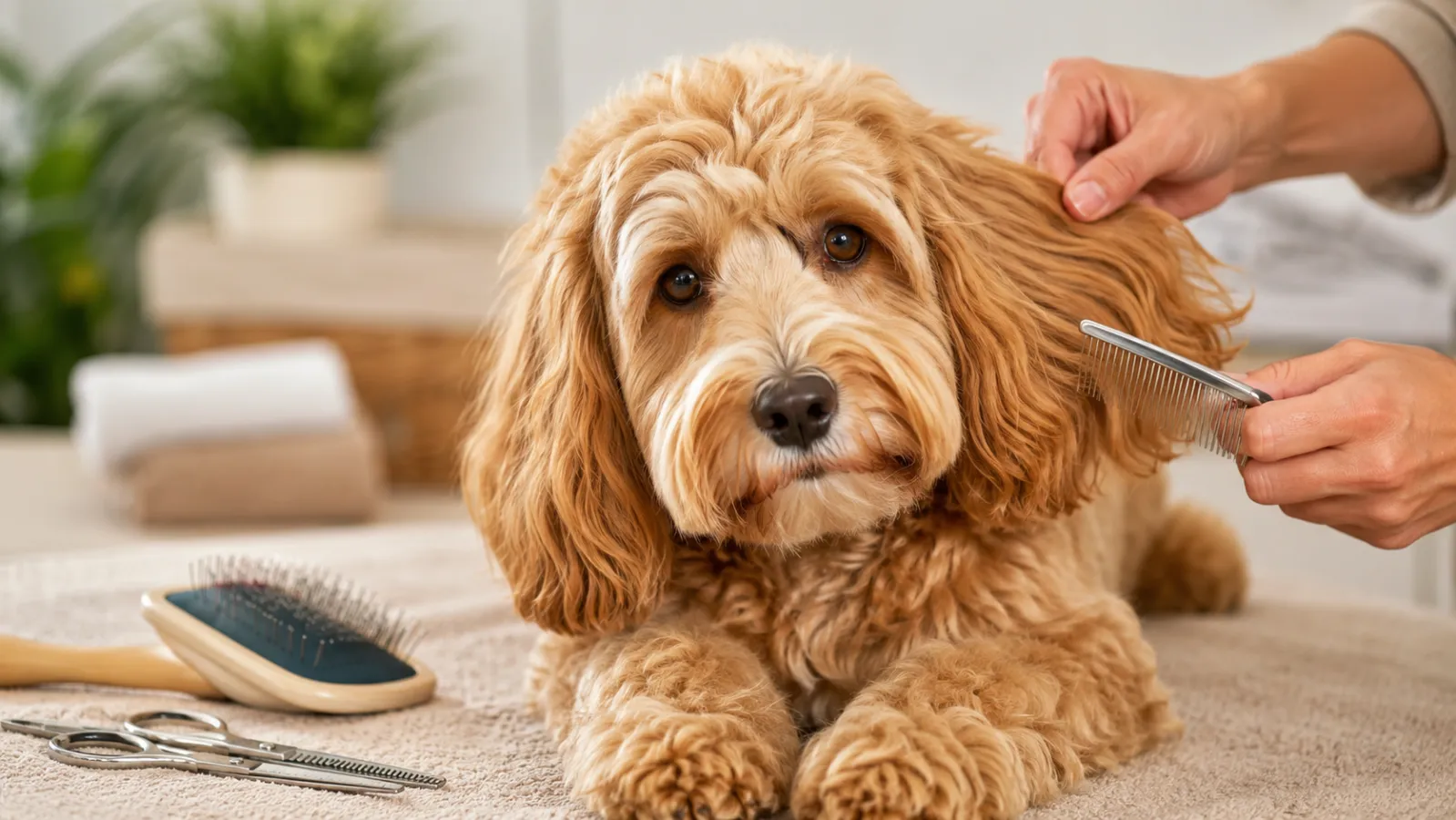
Slicker Brush
Ideal for:
- Long-haired breeds
- Curly coats
- Removing tangles
Undercoat Rake
Perfect for:
- Huskies
- German Shepherds
- Malamutes
It reaches deep into the coat to remove loose undercoat safely.
Bristle Brush
Best for:
- Short-haired breeds
- Smooth coats
It removes loose hair while adding shine.
Rubber Grooming Mitt
Excellent for:
- Sensitive dogs
- Short coats
- Daily maintenance
It gently massages the skin while lifting loose hair.
Brush Gently
Brushing too aggressively can damage the skin.
Instead:
- Work in the direction of hair growth.
- Brush slowly.
- Avoid pulling mats forcefully.
- Use detangling spray if necessary.
- Give treats to create a positive experience.
Dogs that enjoy grooming are much easier to brush consistently.
2. Feed a Balanced Diet for Healthy Skin
Healthy skin produces healthy hair.
Poor nutrition is one of the leading causes of dull coats and excessive shedding.
Dogs require balanced nutrition containing:
- High-quality protein
- Healthy fats
- Vitamins
- Minerals
- Fresh water
Protein is especially important because hair consists primarily of protein.
Nutrients That Support Coat Health
Omega-3 Fatty Acids
These healthy fats help:
- Reduce inflammation
- Improve skin moisture
- Increase coat shine
- Reduce excessive shedding
Common sources include:
- Salmon
- Sardines
- Fish oil
- Flaxseed
Omega-6 Fatty Acids
These support:
- Healthy skin cells
- Hair growth
- Coat texture
Zinc
Zinc contributes to:
- Skin repair
- Hair growth
- Immune function
Deficiencies may cause hair loss.
Biotin
Biotin supports:
- Hair follicles
- Healthy skin
- Strong coat growth
Vitamin E
Vitamin E protects skin cells and supports healthy coat condition.
Importance of Hydration
Dehydration affects the skin just as much as nutrition.
Dogs that don't drink enough water may develop:
- Dry skin
- Brittle hair
- Increased shedding
Always provide clean, fresh drinking water throughout the day.
3. Bathe Your Dog Appropriately
Bathing helps remove loose hair while keeping skin healthy.
However, both over-bathing and under-bathing can create problems.
Bathing Too Often
Excessive bathing strips away natural oils, leading to:
- Dry skin
- Irritation
- Itching
- Increased shedding
Bathing Too Infrequently
Without occasional bathing, dirt, oil, allergens, and dead hair accumulate within the coat.
This can cause:
- Odor
- Matting
- Skin irritation
- Poor coat condition
Finding the Right Bathing Schedule
The ideal schedule depends on coat type and lifestyle.
Generally:
- Every 4–8 weeks works well for most dogs.
- Active outdoor dogs may require more frequent baths.
- Dogs with skin conditions should follow veterinary recommendations.
Use Dog-Specific Shampoo
Human shampoo is not suitable for dogs because their skin has a different pH level.
Choose products that are:
- Moisturizing
- Gentle
- Soap-free
- Designed for dogs
Dogs with allergies may benefit from veterinarian-recommended medicated shampoos.
Dry the Coat Thoroughly
After bathing:
- Towel dry thoroughly.
- Use a pet-safe dryer if needed.
- Brush during drying.
- Ensure thick undercoats are completely dry.
Leaving moisture trapped within the coat may encourage skin infections.
4. Visit Your Veterinarian if Shedding Becomes Excessive
Not every shedding problem can be solved with grooming.
Veterinary examinations are essential if shedding suddenly increases or is accompanied by other symptoms.
Seek veterinary care if you notice:
- Bald patches
- Persistent itching
- Skin redness
- Scabs
- Hair loss around the eyes
- Weight changes
- Low energy
- Repeated ear infections
Medical Conditions That May Cause Excessive Shedding
Several health conditions can contribute to abnormal hair loss.
Examples include:
Allergies
Dogs may react to:
- Food ingredients
- Grass
- Dust mites
- Pollen
- Flea saliva
Parasites
Fleas, ticks, and mites often cause severe scratching and hair loss.
Hormonal Disorders
Conditions like hypothyroidism and Cushing's disease frequently affect coat quality.
Skin Infections
Bacterial and fungal infections may damage hair follicles.
Stress
Major life changes can trigger temporary increases in shedding.
Examples include:
- Moving
- Boarding
- New family members
- Surgery
Early diagnosis helps prevent long-term complications.
Create a Year-Round Shedding Management Routine
Consistency is more effective than occasional intensive grooming.
A simple routine may include:
Daily
- Check skin and coat.
- Remove debris after walks.
- Provide fresh water.
Weekly
- Brush thoroughly.
- Inspect ears, paws, and skin.
- Wash bedding if needed.
Monthly
- Bathe if appropriate.
- Trim nails.
- Clean grooming tools.
Seasonally
- Increase brushing frequency.
- Schedule professional grooming if needed.
- Monitor changes in coat thickness.
Reduce Hair Around the Home
Even healthy dogs shed.
Simple household habits can make cleanup easier.
Helpful tips include:
- Vacuum regularly.
- Use washable furniture covers.
- Brush outdoors whenever possible.
- Keep lint rollers available.
- Wash pet bedding frequently.
- Use air purifiers to reduce airborne hair and dander.
These habits improve cleanliness without affecting your dog's natural shedding cycle.
Common Mistakes to Avoid
Many owners accidentally make shedding worse.
Avoid these common mistakes:
Skipping Regular Brushing
Loose hair builds up and falls throughout the house instead of being removed during grooming.
Using Human Shampoo
This often causes dry skin and irritation.
Poor Nutrition
Low-quality diets can quickly affect coat quality.
Ignoring Skin Changes
Excessive scratching, redness, or bald spots should never be ignored.
Shaving Double-Coated Dogs
Many owners believe shaving reduces shedding.
In reality, shaving often damages the coat's natural insulation and may interfere with healthy regrowth. Regular brushing is usually a better solution.
Every Breed Has Different Needs
No single grooming routine works for every dog.
For example:
Heavy shedders
- Labrador Retrievers
- Golden Retrievers
- German Shepherds
- Siberian Huskies
These breeds require frequent brushing, especially during spring and fall.
Moderate shedders
- Cocker Spaniels
- Border Collies
- Australian Shepherds
These dogs benefit from routine brushing throughout the year.
Low shedders
- Poodles
- Maltese
- Bichon Frises
Although they shed less, they require regular grooming to prevent tangles and matting.
Understanding your dog's coat type helps you build the most effective grooming routine.
Final Thoughts
Managing shedding throughout the year is about much more than keeping your home clean. Healthy shedding reflects a healthy coat, while sudden or excessive hair loss may signal underlying health concerns that deserve attention. By brushing frequently during seasonal coat changes, feeding a nutritious diet that supports healthy skin, bathing appropriately with dog-safe products, and seeking veterinary care when shedding becomes abnormal, you can keep your dog's coat looking its best year-round.
Every dog sheds differently, and there is no way to eliminate shedding completely. However, with consistency, patience, and proper grooming habits, you can greatly reduce loose hair, improve coat quality, and make grooming a positive experience for both you and your pet. A healthy coat isn't just beautiful—it's one of the clearest signs that your dog is thriving from the inside out.