Keeping your dog clean and well-groomed is about much more than appearance. Regular grooming supports healthy skin, prevents painful mats, reduces shedding, keeps nails at a safe length, and helps you spot health issues before they become serious. Yet one question confuses many pet owners: Should you groom your dog at home, or should you rely on a professional groomer?
The truth is that there isn't a one-size-fits-all answer. For many dogs, the ideal grooming routine combines both home grooming and professional grooming. Knowing which tasks you can safely perform yourself—and when it's time to call in an expert—helps keep your dog comfortable, healthy, and stress-free.
Whether you own a short-haired Labrador Retriever, a fluffy Goldendoodle, a curly Poodle, or a double-coated Husky, understanding the strengths and limitations of home and professional grooming will help you make the best decision for your furry companion.
Why Choosing the Right Grooming Method Matters
Many pet owners assume grooming is only about keeping their dog looking nice. In reality, proper grooming directly affects your dog's overall health and quality of life.
Poor grooming can lead to:
- Painful mats and tangles
- Skin infections
- Overgrown nails
- Ear infections
- Dirty teeth and bad breath
- Excessive shedding
- Parasites hiding beneath the coat
- Difficulty moving because of matted fur
Regular grooming also allows you to notice unusual lumps, skin irritation, cuts, fleas, ticks, or changes in your dog's coat before they become major health concerns.
The key is knowing what you can confidently do at home and when professional expertise becomes necessary.
1. Home Grooming: What You Can Safely Do Yourself
Home grooming should be part of every dog's regular care routine. Even dogs that visit professional groomers every month still need maintenance between appointments.
The biggest advantage of home grooming is consistency. Small grooming tasks performed regularly prevent larger problems from developing.
Routine Brushing
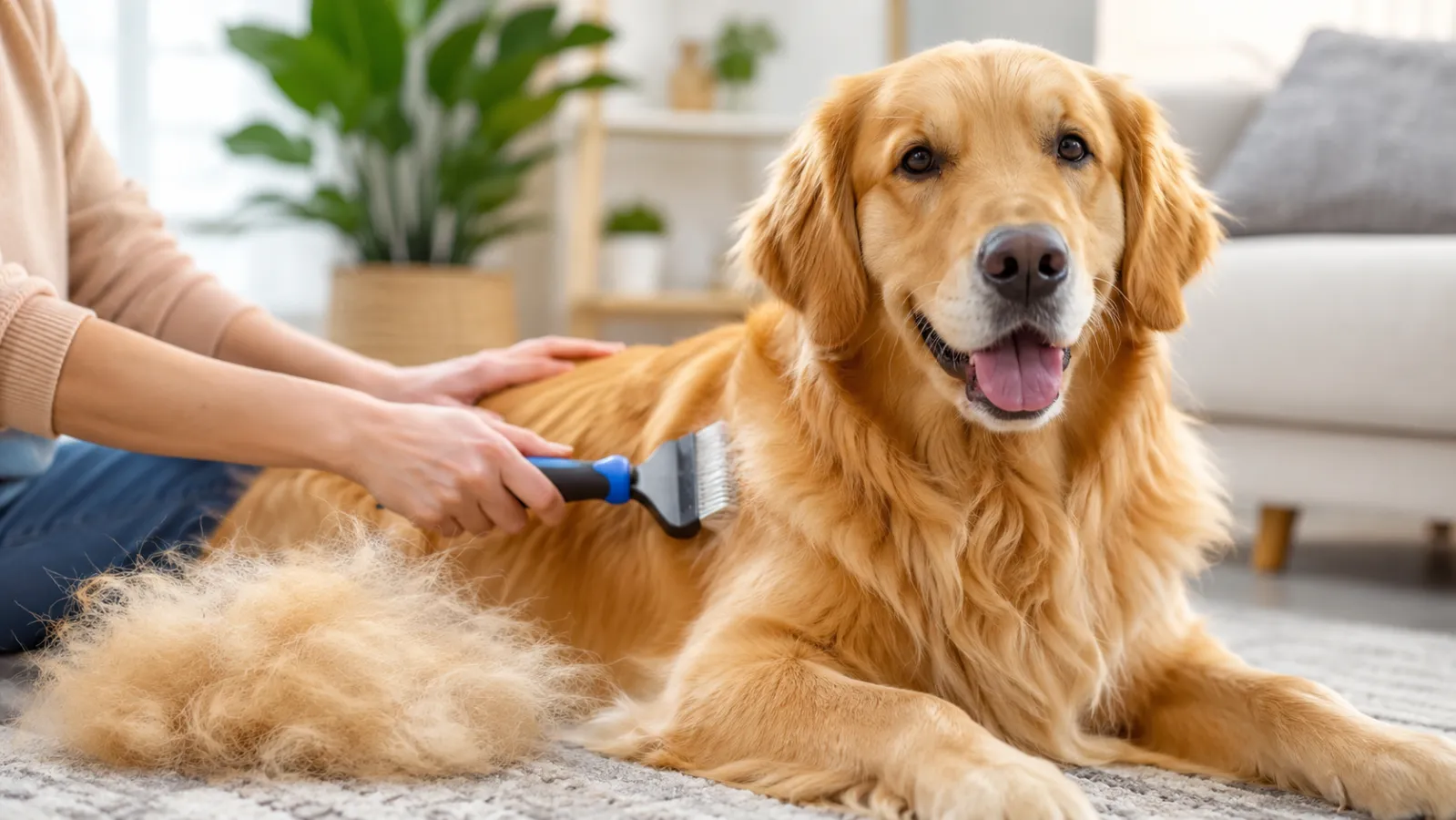
Brushing is the single most important grooming task you can perform at home.
Benefits include:
- Removes loose hair
- Prevents tangles
- Distributes natural skin oils
- Keeps the coat shiny
- Reduces shedding around the house
- Helps detect skin issues early
Different coats require different brushing schedules.
Short-coated breeds may only need brushing once or twice a week.
Medium-coated breeds usually benefit from brushing several times weekly.
Long-haired breeds often require daily brushing to prevent mats.
Curly-coated dogs also need frequent brushing because loose hairs become trapped inside the curls instead of falling out naturally.
Make brushing a positive experience by rewarding your dog with praise and treats after each session.
Bathing at Home
Most dogs can safely be bathed at home using a dog-specific shampoo.
Bathing removes:
- Dirt
- Allergens
- Loose fur
- Odors
- Excess oils
However, more bathing is not always better.
Most healthy dogs only require bathing every four to eight weeks, although active dogs that spend time outdoors may need baths more frequently.
Always:
- Use lukewarm water
- Choose shampoos designed specifically for dogs
- Rinse thoroughly
- Dry your dog completely
Leftover shampoo can irritate sensitive skin.
Nail Maintenance
Some owners are comfortable trimming their dog's nails.
If your dog tolerates nail trimming and you understand proper technique, you can maintain nail length between professional visits.
Be cautious.
Cutting into the quick—the blood vessel inside the nail—can cause pain and bleeding.
If you're unsure, ask your veterinarian or groomer to demonstrate proper trimming techniques before attempting it yourself.
Ear Cleaning
Healthy ears should be checked regularly.
You can safely:
- Wipe away visible debris
- Use veterinarian-approved ear cleaners
- Dry ears after swimming or bathing
Never insert cotton swabs deep into the ear canal.
If you notice:
- Strong odor
- Redness
- Swelling
- Dark discharge
- Constant scratching
your dog should be examined by a veterinarian.
Dental Care
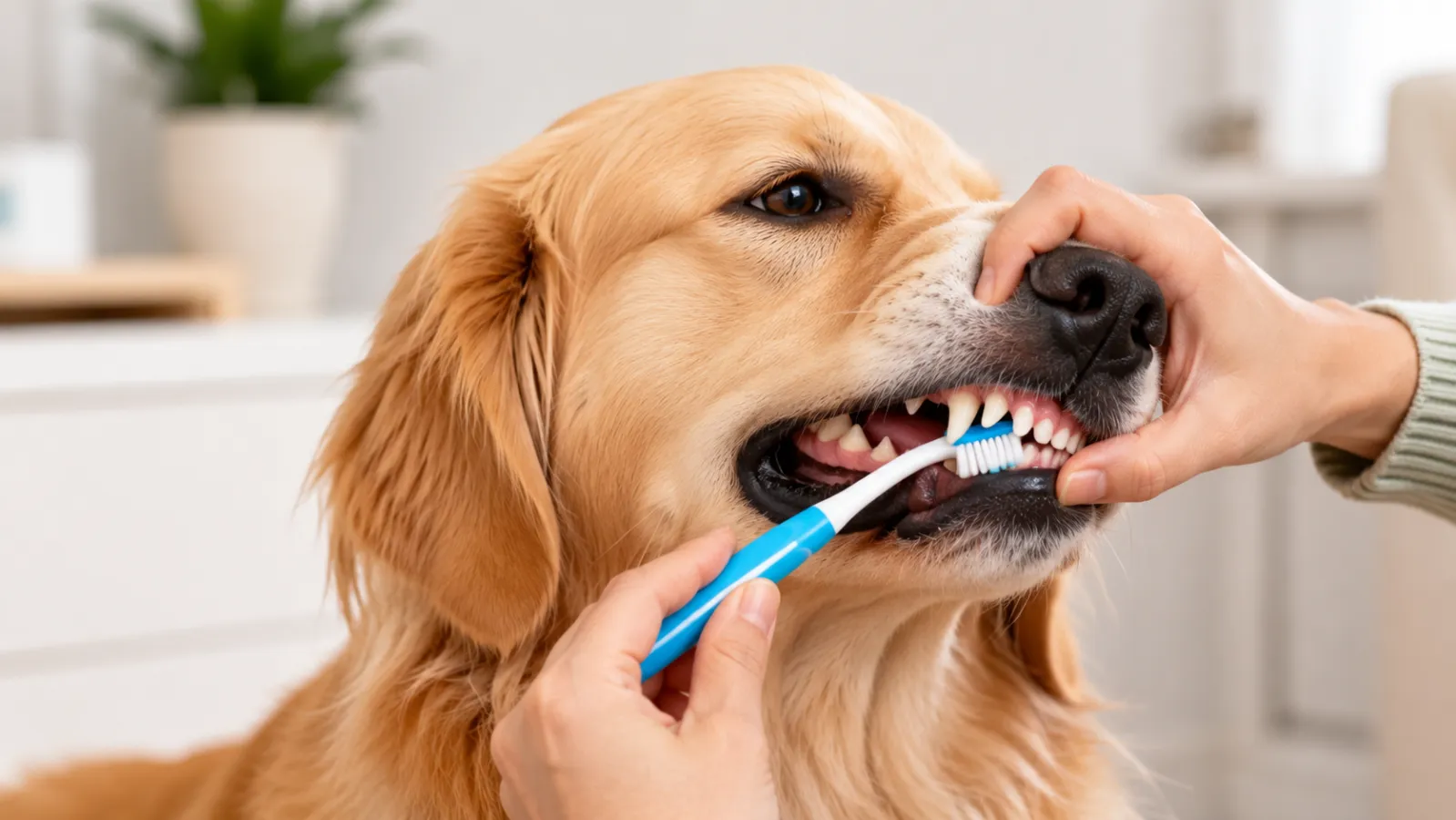
Brushing your dog's teeth is another important home grooming task.
Daily brushing helps reduce:
- Plaque
- Tartar
- Bad breath
- Gum disease
Use only toothpaste formulated for dogs.
Human toothpaste contains ingredients that may be harmful if swallowed.
2. Benefits of Home Grooming
Many owners enjoy grooming because it strengthens their relationship with their dog.
Home grooming offers several advantages.
Builds Trust
Gentle grooming sessions help dogs become comfortable being handled.
This makes veterinary visits and professional grooming less stressful later.
Saves Money
Routine brushing, bathing, and basic maintenance reduce the number of professional appointments needed throughout the year.
Although quality grooming tools require an initial investment, they often save money over time.
Helps Detect Health Problems Early
When you groom your dog regularly, you're more likely to notice:
- Skin bumps
- Cuts
- Parasites
- Hair loss
- Lumps
- Hot spots
- Dry skin
Early detection often leads to quicker treatment.
Reduces Shedding
Regular brushing removes loose undercoat before it ends up on your furniture, carpets, and clothing.
This is especially important for heavy-shedding breeds.
3. When Professional Grooming Is the Better Choice
While home grooming is important, certain tasks are best left to trained professionals.
Professional groomers have specialized equipment, training, and experience that many pet owners simply don't possess.
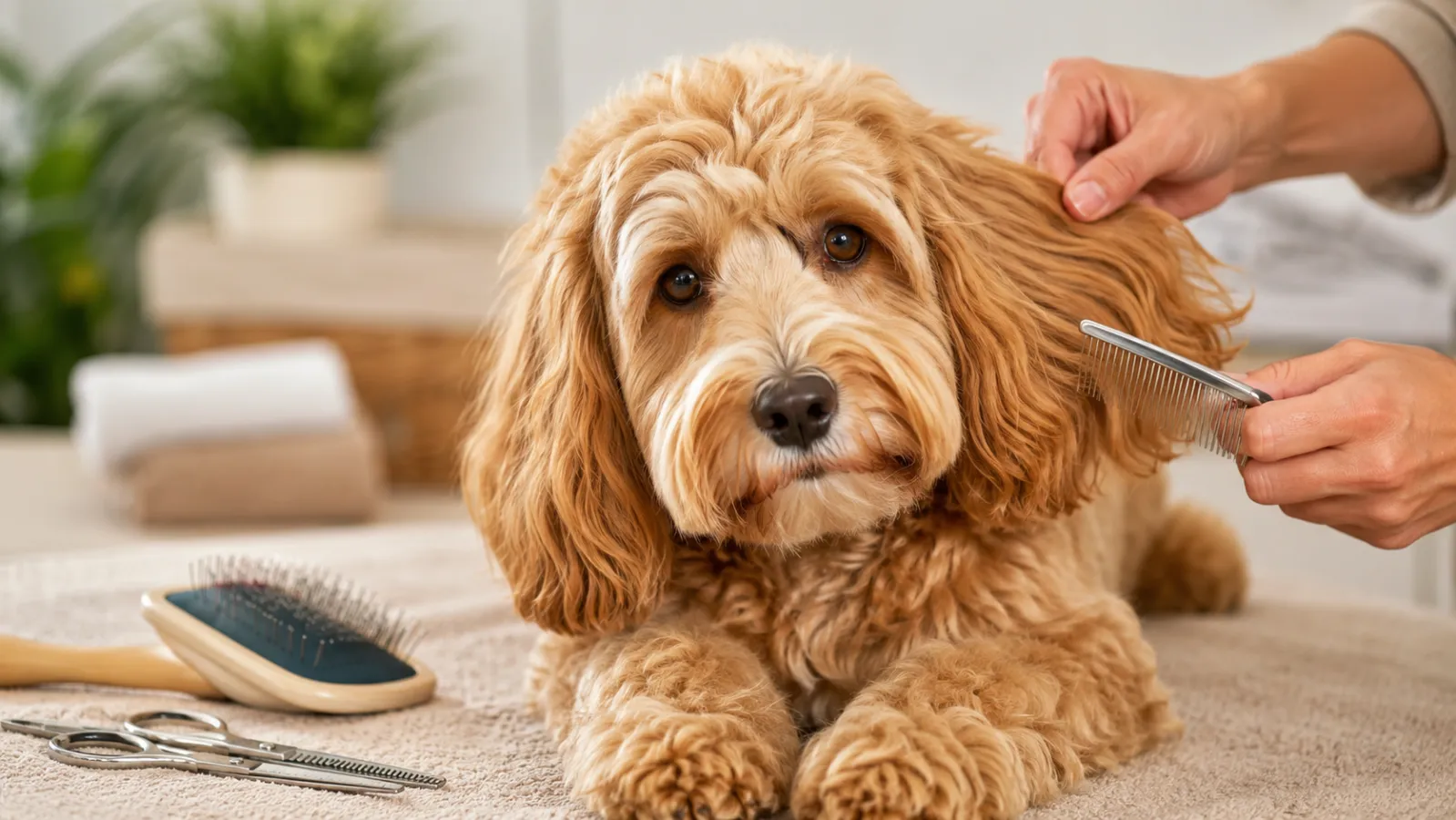
Haircuts
Dogs with continuously growing coats require regular trimming.
Examples include:
- Poodles
- Bichon Frises
- Shih Tzus
- Yorkshire Terriers
- Maltese
- Doodles
Professional groomers understand breed-specific styles while ensuring the coat remains healthy.
Uneven home haircuts can accidentally injure the skin or damage coat quality.
Severe Matting
Mats can become extremely painful.
They:
- Pull on the skin
- Trap bacteria
- Hold moisture
- Cause sores
- Restrict movement
Never attempt to cut severe mats with household scissors.
Many emergency veterinary visits occur because owners accidentally cut their dog's skin while removing mats.
Professional groomers use specialized tools designed for safe mat removal.
Difficult Coat Types
Certain breeds require advanced grooming techniques.
Examples include:
- Double-coated breeds
- Corded coats
- Curly coats
- Thick undercoats
Improper grooming can permanently damage coat texture or interfere with natural insulation.
Professionals understand proper coat maintenance.
Anal Gland Expression
Some dogs require anal gland expression.
Unless instructed by your veterinarian, this should generally be handled by trained professionals.
Improper technique can cause injury or infection.
Breed-Specific Grooming
Show-quality grooming and breed-standard trims require years of training.
Professional groomers understand the unique grooming needs of different breeds.
4. Signs Your Dog Needs Professional Grooming
Sometimes it's obvious that professional help is needed.
Watch for these warning signs:
Persistent Mats
If brushing no longer removes tangles, professional grooming is necessary before the mats become painful.
Nails Touch the Ground
Long nails change your dog's posture and walking pattern.
They may eventually cause joint discomfort.
Coat Blocks Vision
Hair covering the eyes can reduce visibility and collect debris.
Professional trimming restores comfort.
Dirty Facial Hair
Dogs with beards or facial furnishings often collect food, dirt, and moisture.
Regular trimming improves hygiene.
Excessive Shedding Despite Brushing
Professional deshedding treatments remove loose undercoat more effectively than home brushing alone.
Strong Odor
Persistent odor after bathing may indicate:
- Ear infections
- Skin infections
- Dental disease
- Impacted glands
Professional evaluation helps determine the cause.
5. Learning Basic Grooming Skills
Every dog owner should know the basics of safe grooming.
Learning proper techniques increases your confidence while improving your dog's comfort.
Start with:
- Brushing
- Bathing
- Drying
- Ear cleaning
- Tooth brushing
- Paw inspection
Watch instructional videos from trusted veterinary sources, attend local grooming workshops, or ask your groomer to demonstrate proper techniques during appointments.
Many professional groomers are happy to teach owners simple maintenance routines.
6. What If Your Dog Hates Grooming?
Some dogs become anxious during grooming.
This doesn't necessarily mean they're aggressive.
Fear may result from:
- Lack of early exposure
- Previous bad experiences
- Loud grooming equipment
- Sensitive skin
- Pain from mats
Instead of forcing the process, gradually build positive associations.
Try:
- Short grooming sessions
- High-value treats
- Calm praise
- Frequent breaks
- Gentle handling
Allow your dog to become comfortable with brushes before introducing clippers or dryers.
If your dog continues showing severe fear, professional groomers experienced with anxious pets can often help.
Some dogs may require grooming at a veterinary clinic if anxiety becomes extreme.
7. Creating the Perfect Grooming Routine
The best grooming plan usually combines home care with professional appointments.
For example:
Weekly
- Brush coat
- Check ears
- Brush teeth
- Inspect paws
Monthly
- Bath if needed
- Trim nails
- Check for skin issues
Every 6–8 Weeks
Schedule professional grooming for:
- Haircuts
- Coat trimming
- Deep brushing
- Deshedding
- Nail shaping
- Sanitary trimming
Dogs with faster-growing coats may require more frequent appointments.
Common Mistakes Pet Owners Should Avoid
Even experienced owners sometimes make grooming mistakes.
Avoid these common errors:
Skipping Brushing
Waiting until mats develop makes grooming much harder.
Small tangles quickly become large mats.
Using Human Shampoo
Human shampoos disrupt a dog's natural skin pH.
Always choose products designed specifically for dogs.
Bathing Too Frequently
Excessive bathing strips natural oils and may cause dry, itchy skin.
Cutting Mats with Scissors
This is one of the most common grooming accidents.
Professional tools are much safer.
Ignoring Stress Signals
If your dog appears frightened, stop and allow them to relax.
Forcing grooming can increase anxiety over time.
Home Grooming vs Professional Grooming: Which Is Better?
The answer isn't choosing one over the other.
Instead, think of home grooming and professional grooming as partners.
Home grooming focuses on:
- Daily brushing
- Routine bathing
- Ear checks
- Dental care
- Monitoring coat health
Professional grooming focuses on:
- Haircuts
- Advanced coat care
- Severe mat removal
- Breed-specific grooming
- Difficult grooming tasks
- Professional deshedding
Combining both approaches gives your dog the healthiest coat while preventing painful grooming problems.
Final Thoughts
Choosing between professional grooming and home grooming doesn't have to be an either-or decision. Most dogs thrive when they receive regular maintenance at home along with scheduled visits to a qualified professional groomer. Daily brushing, routine bathing, ear cleaning, and dental care help keep your dog comfortable between appointments, while professionals provide expert haircuts, coat maintenance, and specialized care that many owners cannot safely perform themselves.
Every dog has unique grooming needs based on breed, coat type, age, activity level, and temperament. Learning basic grooming techniques empowers you to care for your pet confidently, but recognizing your limits is equally important. If your dog develops severe mats, requires complex coat maintenance, or becomes anxious during grooming, professional assistance is the safest option.
By combining consistent home care with expert grooming when needed, you'll help your dog stay clean, healthy, comfortable, and looking their best throughout every stage of life.