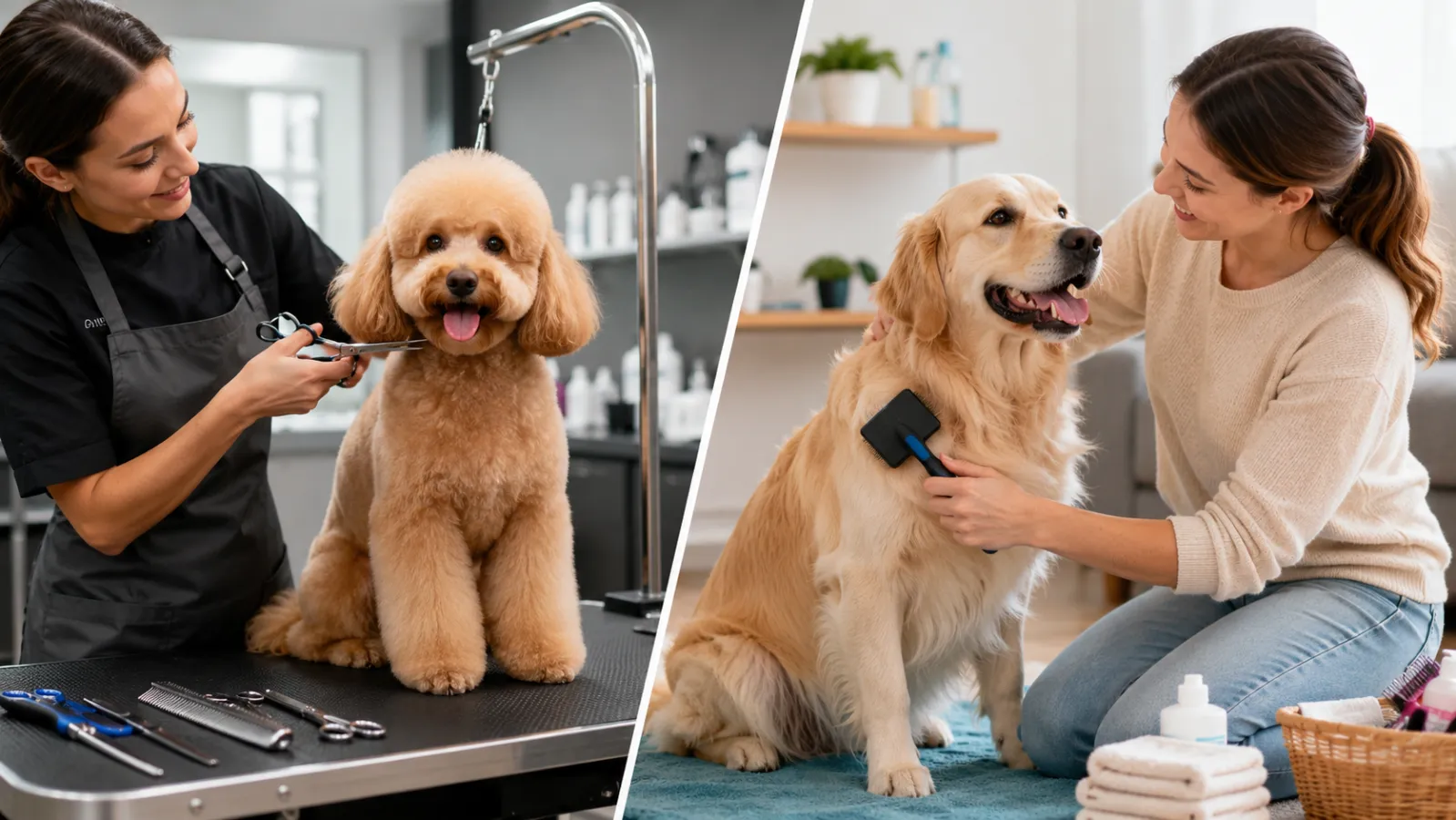
Keeping your dog well-groomed is about much more than maintaining a clean appearance. A proper grooming routine plays a vital role in your dog's overall health, comfort, and happiness. Every dog has unique grooming needs depending on factors such as breed, coat type, age, activity level, and even the climate they live in. A routine that works perfectly for a short-haired Beagle may not be suitable for a long-coated Golden Retriever or a curly-coated Poodle.
Unfortunately, many dog owners either groom too frequently or not enough. Bathing too often can strip the skin of natural oils, while infrequent brushing can lead to painful mats, skin irritation, and hidden health problems. Establishing the right grooming schedule helps prevent these issues while giving you regular opportunities to check for lumps, parasites, cuts, or other signs of illness.
Whether you've recently welcomed a new puppy or want to improve your adult dog's care routine, understanding your dog's specific grooming requirements is one of the best investments you can make in their long-term health.
1. Understand Your Dog's Coat Type
The first step in creating the right grooming routine is identifying your dog's coat type. Different coats require different levels of care, and using the wrong grooming schedule can create unnecessary problems.
Why Coat Type Matters
A dog's coat isn't just about appearance. It protects against weather, regulates body temperature, and shields the skin from injury. Proper maintenance ensures the coat continues performing these important functions.
The main coat types include:
Short Coat
Breeds such as Beagles, Boxers, Doberman Pinschers, and Dachshunds have short, smooth coats that require relatively little maintenance. While these dogs shed throughout the year, regular brushing removes loose hair and distributes healthy skin oils.
Medium Coat
Dogs like Labrador Retrievers and Border Collies benefit from weekly brushing to control shedding and prevent loose undercoat buildup.
Long Coat
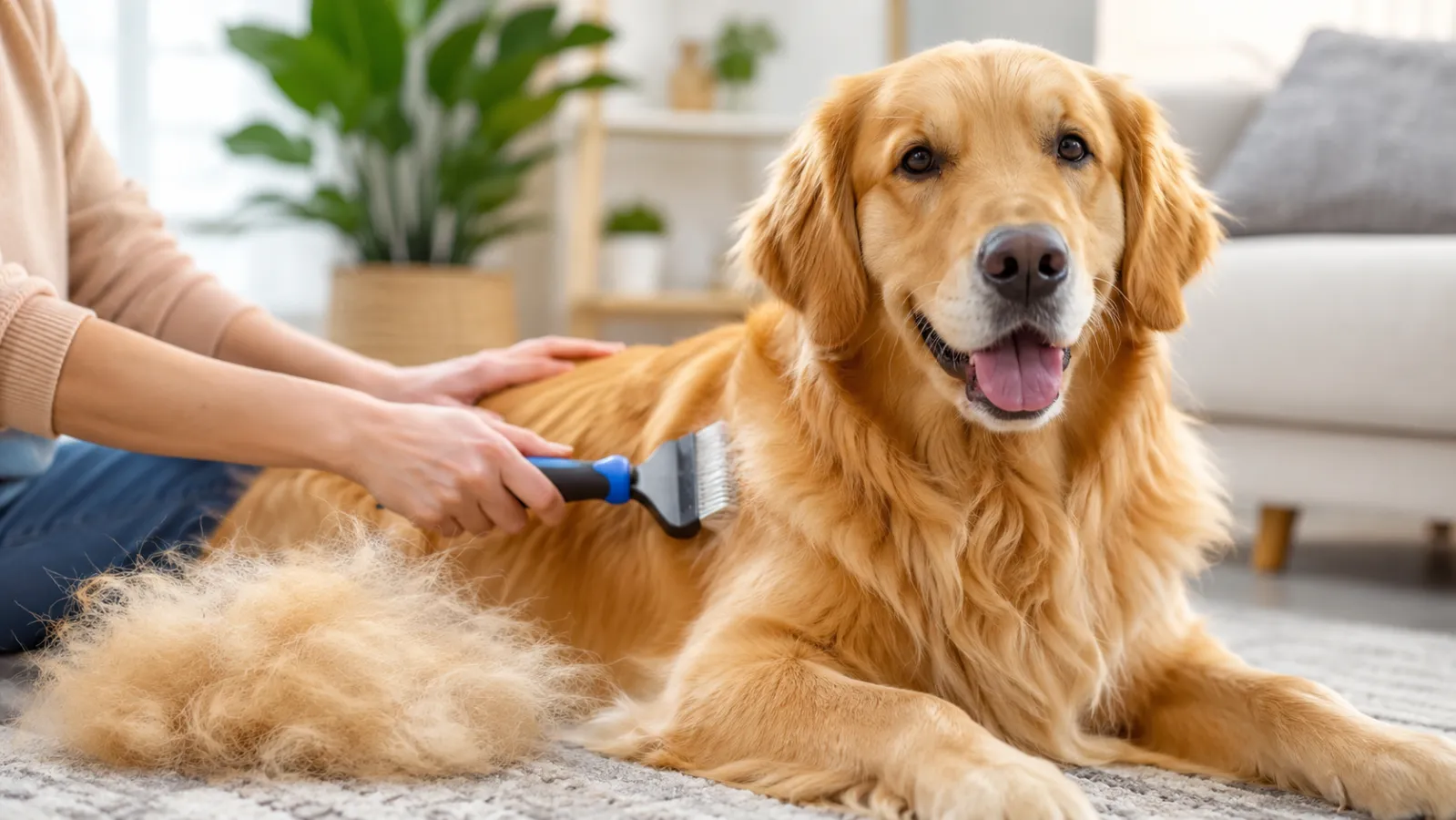
Golden Retrievers, Afghan Hounds, Shih Tzus, and Yorkshire Terriers need frequent brushing to prevent tangles and mats. Without regular care, knots can become painful and may require professional removal.
Curly or Wavy Coat
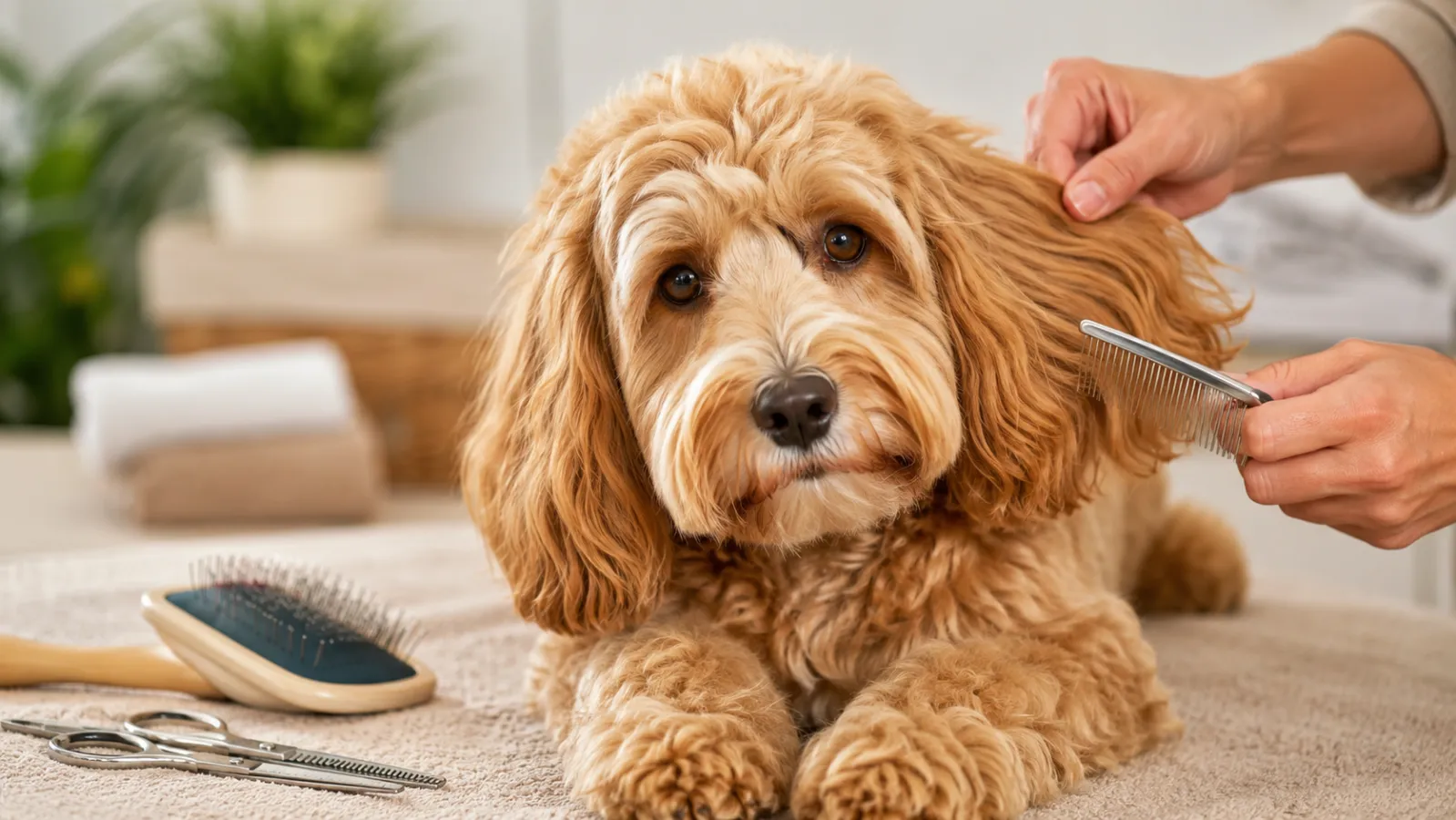
Poodles, Labradoodles, and Portuguese Water Dogs have coats that trap loose hair rather than shedding it naturally. Daily or near-daily brushing and regular trimming are usually necessary.
Double Coat
German Shepherds, Huskies, Samoyeds, and Australian Shepherds have a dense undercoat beneath longer guard hairs. These breeds experience seasonal shedding and require specialized brushing to remove loose undercoat while protecting the outer coat.
Understanding your dog's coat type allows you to choose the right grooming tools, schedule, and products from the beginning.
2. Create a Grooming Schedule
Rather than grooming only when your dog looks dirty, establish a consistent schedule that matches their coat and lifestyle.
Why Consistency Is Important
Routine grooming prevents problems before they develop. Waiting until mats appear or nails become overgrown often makes grooming more stressful for both you and your dog.
A basic grooming schedule may include:
Daily
- Quick body inspection
- Wipe muddy paws if necessary
- Check eyes and ears
- Brush curly or long-coated breeds
Weekly
- Brush most coat types
- Inspect skin for irritation or parasites
- Clean ears if recommended
- Brush teeth several times
Monthly
- Trim nails
- Bathe when needed
- Check paw pads
- Examine teeth and gums
Every 6–10 Weeks
- Professional grooming for breeds requiring haircuts
- Coat trimming
- Sanitary trims if needed
Dogs that spend significant time outdoors, hike regularly, or swim often may require more frequent maintenance than indoor dogs.
3. Brush Regularly to Prevent Tangles and Shedding
Brushing is arguably the most important part of any grooming routine. It keeps the coat healthy, removes dirt, stimulates blood circulation, and prevents painful mats.
Benefits of Regular Brushing
Consistent brushing offers several health benefits:
- Removes loose fur
- Prevents tangles
- Distributes natural oils
- Reduces shedding around the home
- Improves skin health
- Allows early detection of injuries, lumps, or parasites
Different coat types require different brushing frequencies.
Short-coated dogs
Brush once or twice each week using a rubber grooming mitt or soft bristle brush.
Medium-coated dogs
Brush two to three times weekly to remove loose undercoat.
Long-coated dogs
Brush daily using a slicker brush and metal comb to prevent knots from forming close to the skin.
Curly-coated dogs
Brush every day or every other day to prevent severe matting.
Never pull aggressively on tangles. Instead, work slowly using a detangling spray and appropriate comb. Severe mats may need professional grooming rather than attempting painful removal at home.
4. Bathe Only When Necessary
One of the biggest grooming mistakes owners make is bathing their dog too frequently.
Why Over-Bathing Can Be Harmful
Dogs naturally produce oils that protect their skin and coat. Frequent bathing removes these oils, potentially causing:
- Dry skin
- Itching
- Dull coat
- Increased shedding
- Skin irritation
Instead of following a strict weekly bathing schedule, consider your dog's activity level and coat condition.
General guidelines include:
Short-haired indoor dogs
Every 2–3 months or when visibly dirty.
Active outdoor dogs
Every 4–8 weeks, depending on exposure to dirt and mud.
Long-coated breeds
Approximately every 4–6 weeks.
Dogs with skin conditions
Only as directed by your veterinarian using medicated shampoos.
Always brush your dog before bathing. Water tightens existing mats, making them more difficult and painful to remove afterward.
After bathing:
- Rinse thoroughly.
- Dry completely.
- Brush again after drying.
- Keep your dog warm until fully dry.
5. Use Grooming Products Made Specifically for Dogs
Human shampoos, soaps, and conditioners are formulated for human skin, which has a different pH level than canine skin.
Choosing Safe Grooming Products
Select products designed specifically for dogs, including:
Dog Shampoo
Choose based on your dog's needs:
- Sensitive skin formula
- Moisturizing shampoo
- Oatmeal shampoo
- Puppy shampoo
- Whitening shampoo for light-colored coats
- Hypoallergenic shampoo
Dog Conditioner
Useful for long-haired breeds to reduce tangles and improve coat softness.
Detangling Spray
Makes brushing easier and reduces coat breakage.
Ear Cleaner
Use veterinarian-approved ear cleaning solutions rather than household products.
Dog Toothpaste
Never use human toothpaste. Dog toothpaste is formulated to be swallowed safely.
Using quality grooming products minimizes skin irritation while improving coat health.
6. Don't Forget Nail Care
Many owners focus on the coat while forgetting one of the most important aspects of grooming—nail trimming.
Why Nail Maintenance Matters
Overgrown nails can cause:
- Pain while walking
- Joint strain
- Poor posture
- Broken nails
- Increased risk of injury
Most dogs need nail trimming every three to four weeks, although active dogs walking regularly on concrete may naturally wear them down.
If you hear nails clicking loudly on hard floors, they're likely too long.
If you're uncomfortable trimming nails yourself, ask your veterinarian or professional groomer for assistance.
7. Keep the Ears Clean
Healthy ears are essential for your dog's comfort, especially in breeds with floppy ears.
Dogs More Prone to Ear Problems
Breeds like:
- Cocker Spaniels
- Basset Hounds
- Labrador Retrievers
- Golden Retrievers
may develop ear infections more easily due to reduced airflow.
Signs of ear problems include:
- Bad odor
- Redness
- Excessive scratching
- Head shaking
- Dark discharge
Clean ears only when needed using dog-specific ear cleaners. Avoid inserting cotton swabs deep into the ear canal.
8. Maintain Good Dental Hygiene
Dental care is often overlooked, yet it plays a significant role in overall health.
Why Oral Care Is Important
Poor dental hygiene can lead to:
- Bad breath
- Gum disease
- Tooth loss
- Pain while eating
- Bacterial infections affecting internal organs
Brush your dog's teeth several times each week using dog toothpaste and a canine toothbrush.
Dental chews and veterinarian-approved dental diets may also help reduce plaque buildup.
9. Adjust Grooming as Your Dog Ages
Your dog's grooming needs will change throughout their life.
Puppies
Introduce grooming slowly.
Keep sessions:
- Short
- Positive
- Reward-based
Early exposure helps puppies become comfortable with brushing, nail trimming, bathing, and handling.
Adult Dogs
Maintain a consistent routine based on coat type and activity level.
Senior Dogs
Older dogs may have:
- Arthritis
- Sensitive skin
- Thinning coats
- Reduced mobility
Handle senior dogs gently and allow extra breaks during grooming sessions.
10. Know When Professional Grooming Is Needed
Home grooming works well for many dogs, but some breeds benefit from professional care.
Professional groomers can provide:
- Breed-specific haircuts
- Safe mat removal
- Nail trimming
- Ear cleaning
- Coat de-shedding treatments
- Sanitary trims
Dogs with heavily matted coats should never have mats cut with household scissors, as serious skin injuries can occur. A professional groomer has the proper equipment and experience to remove mats safely.
Common Grooming Mistakes to Avoid
Even experienced owners can unintentionally create grooming problems.
Avoid these common mistakes:
Bathing Too Frequently
Excessive bathing removes protective oils and may lead to dry, itchy skin.
Skipping Regular Brushing
Small tangles can quickly become painful mats, especially in long-haired breeds.
Using Human Products
Human shampoos and soaps may irritate canine skin.
Ignoring Small Skin Problems
Regular grooming allows early detection of lumps, cuts, ticks, fleas, or skin infections.
Forgetting Positive Reinforcement
Treat grooming as a positive experience by rewarding calm behavior with praise, treats, or play.
Building a Lifelong Grooming Routine
The best grooming routine isn't the most expensive or the most complicated—it's the one you consistently follow. Grooming should become part of your dog's regular lifestyle rather than something done only when problems appear.
Start slowly, especially with puppies or rescue dogs that may be nervous about grooming. Keep sessions calm, use appropriate tools, and reward cooperation throughout the process. Over time, your dog will learn that grooming is a safe and enjoyable experience.
Remember that every dog is unique. Factors such as breed, climate, activity level, age, and health all influence grooming needs. Pay attention to your dog's skin, coat, and behavior, and adjust your routine as needed.
Final Thoughts
Choosing the right grooming routine for your dog is one of the simplest yet most effective ways to support their long-term health and well-being. Regular brushing prevents painful tangles, appropriate bathing protects the skin's natural oils, proper nail care promotes healthy movement, and routine inspections help identify health concerns before they become serious.
Rather than following a one-size-fits-all approach, build a grooming schedule based on your dog's coat type, age, and lifestyle. Use grooming products specifically formulated for dogs, stay consistent with brushing, and seek professional grooming when necessary.
With patience, consistency, and the right techniques, grooming becomes much more than a maintenance task—it becomes an opportunity to strengthen your bond, keep your dog comfortable, and ensure they enjoy a healthier, happier life for years to come.
If you'd like, I can also optimize this article for SEO (North America) with meta title, meta description, FAQs, internal linking suggestions, and schema-ready FAQ content.