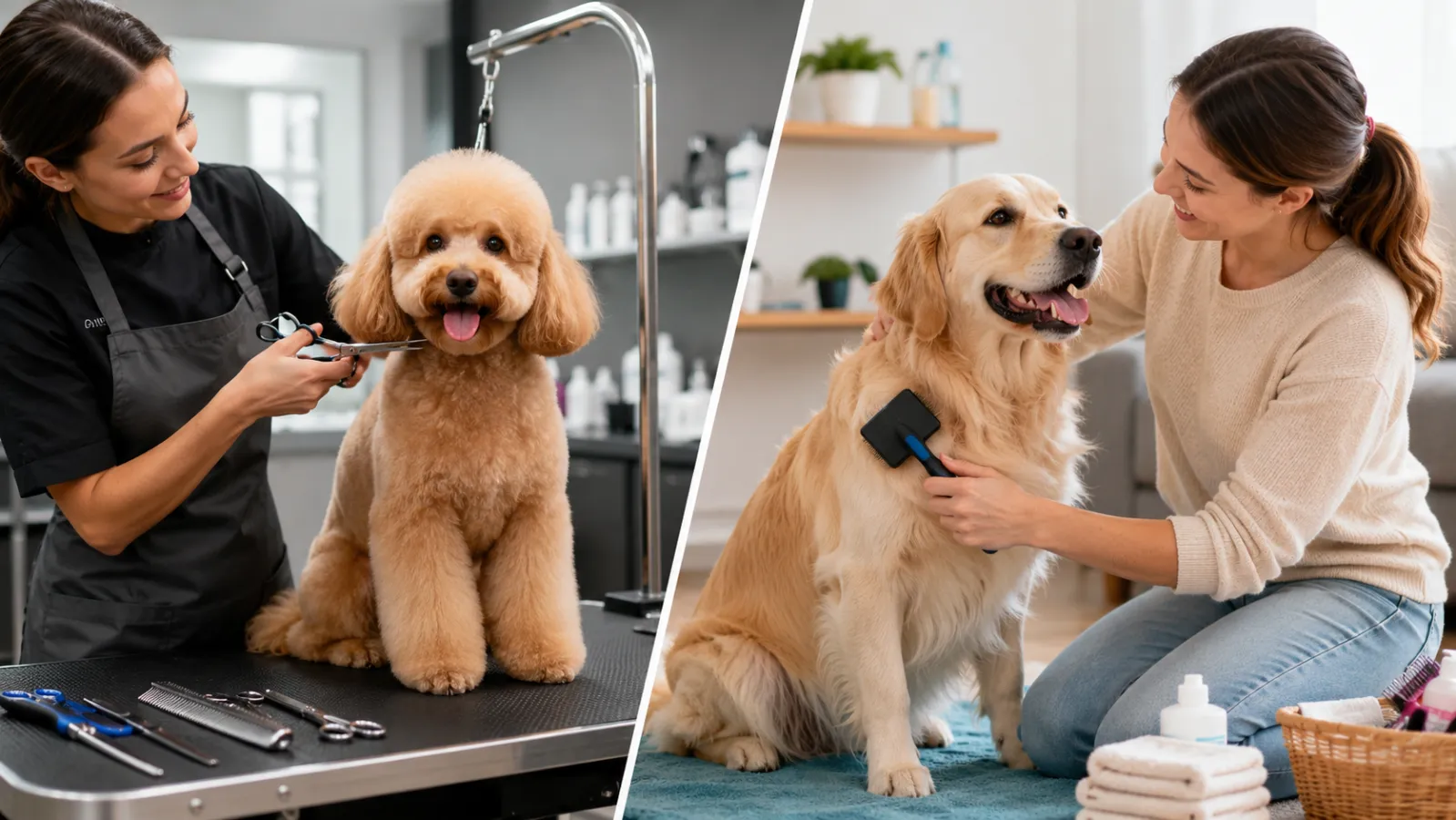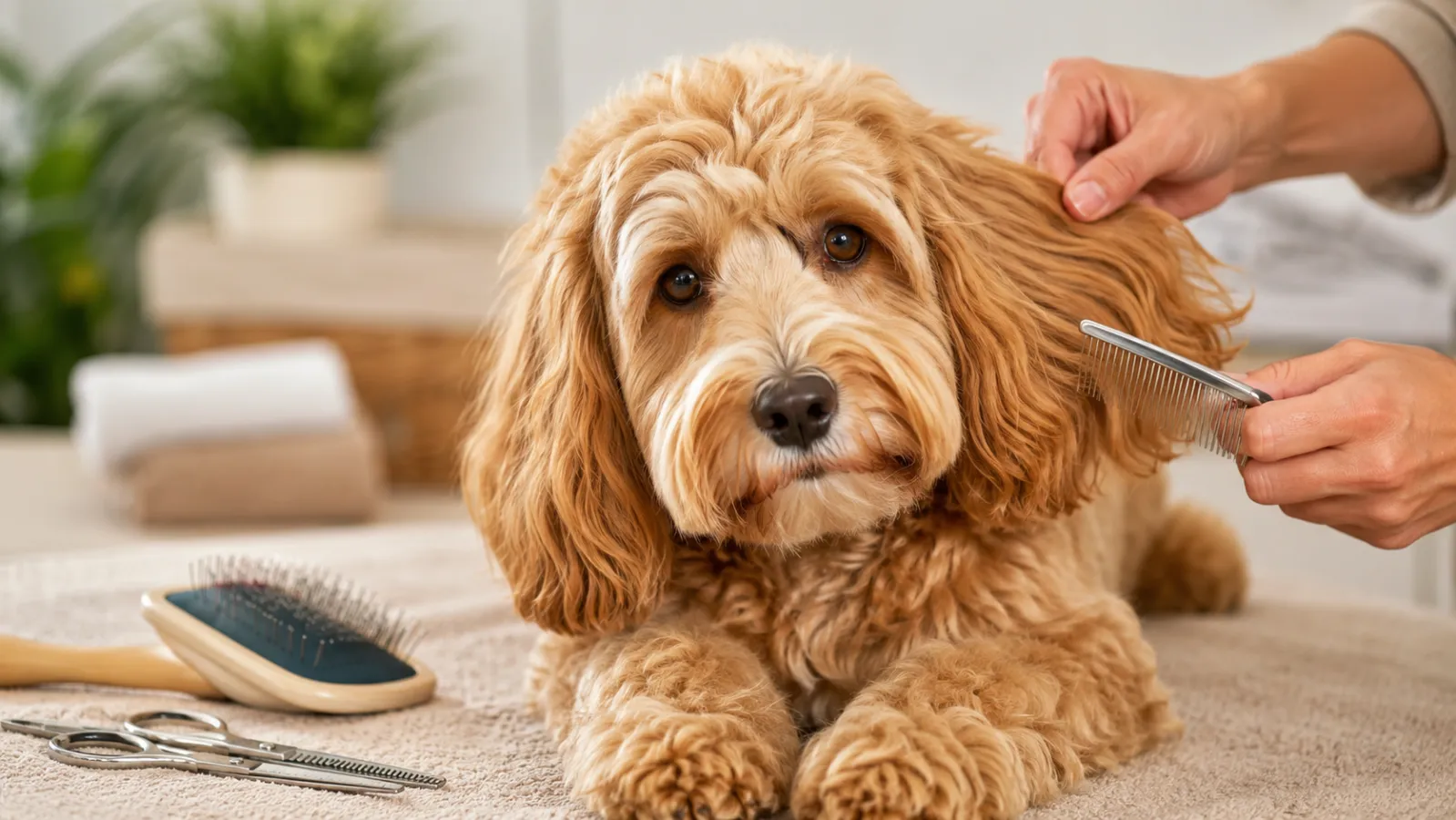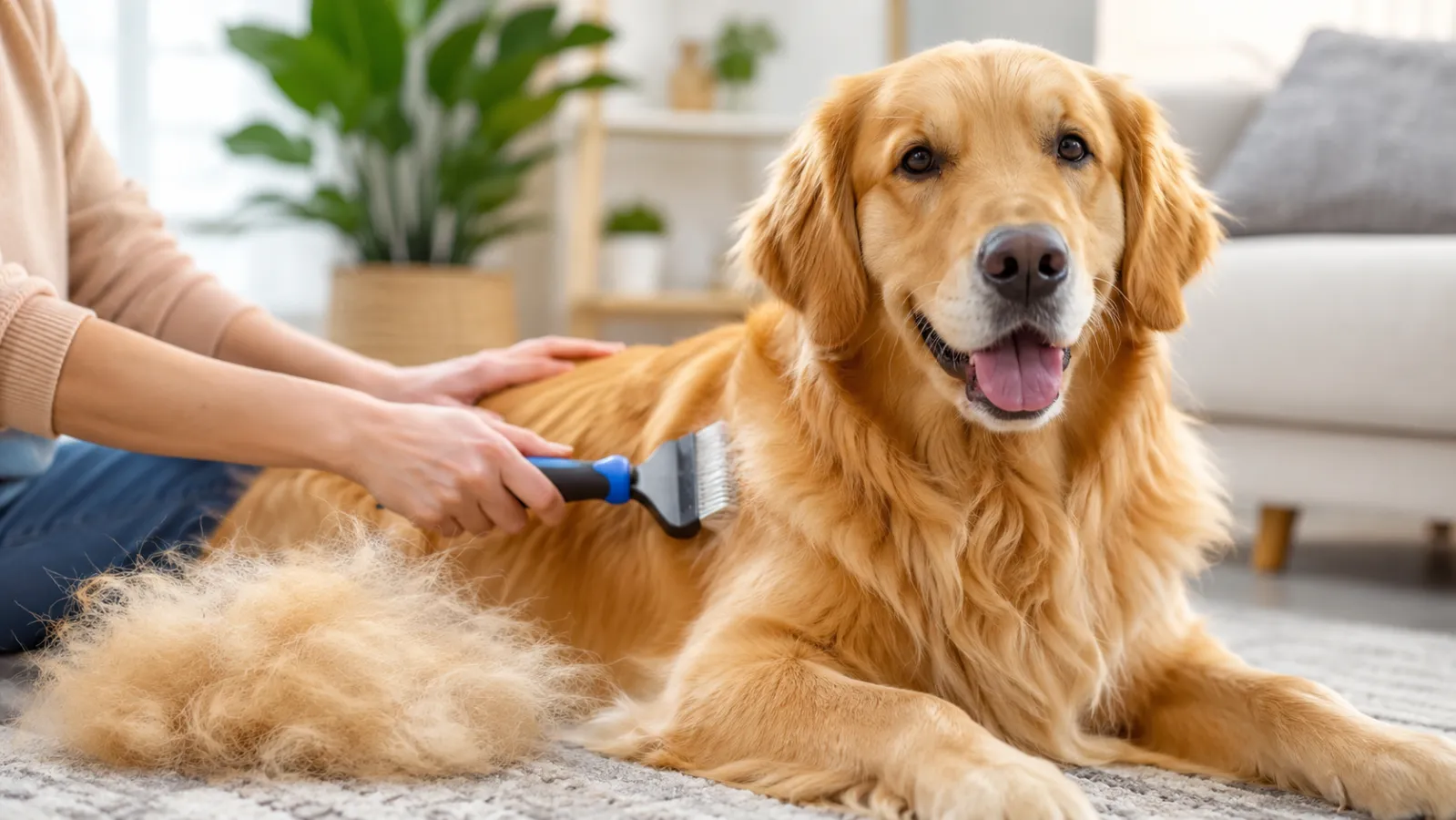
A beautiful coat is more than just a sign of a good-looking dog—it's a reflection of their overall health. Many dog owners underestimate the importance of regular brushing, believing it's only necessary to reduce shedding or keep their pet looking neat. In reality, brushing plays a vital role in maintaining healthy skin, preventing painful mats, improving circulation, and strengthening the bond between you and your dog.
Infrequent brushing can quickly lead to tangled fur, excessive shedding, skin irritation, trapped dirt, and even infections, particularly in long-haired and double-coated breeds. Whether you own a Golden Retriever, Poodle, Husky, Labrador Retriever, German Shepherd, or a small mixed breed, understanding how to brush your dog's coat properly is one of the most important aspects of responsible pet care.
Why Regular Brushing Matters
Brushing is much more than a grooming routine. It helps remove loose hair, dirt, dust, and debris before they become trapped in your dog's coat. It also distributes natural skin oils throughout the fur, creating a healthier, shinier appearance while keeping the skin moisturized.
Regular brushing allows you to inspect your dog closely for lumps, bumps, cuts, parasites, ticks, fleas, hot spots, or unusual skin changes that may otherwise go unnoticed.
When brushing becomes part of your routine, your dog also becomes more comfortable with handling, making vet visits and professional grooming sessions much easier.
1. Brush According to Your Dog's Coat Type
Every dog has different grooming requirements. Brushing schedules vary depending on coat length, texture, and how much your dog sheds.
Short-Coated Dogs
Examples include:
- Labrador Retriever
- Beagle
- Boxer
- Doberman Pinscher
- Dalmatian
Many owners assume short-haired dogs don't need brushing. However, these breeds still shed year-round.
Benefits include:
- Removing dead hair
- Reducing loose fur around your home
- Stimulating healthy skin
- Spreading natural oils evenly
Recommended schedule:
Brush once or twice each week.
Rubber grooming mitts or soft-bristle brushes work exceptionally well for these breeds.
Medium-Coated Dogs
Examples include:
- Border Collie
- Australian Shepherd
- Cocker Spaniel
- Brittany
These breeds typically require brushing several times per week because their coats can trap debris and begin forming tangles.
Recommended schedule:
Brush two to four times weekly.
Pay close attention to:
- Behind the ears
- Under the legs
- Chest
- Tail
- Belly
These areas develop knots first.
Long-Coated Dogs
Examples include:
- Golden Retriever
- Afghan Hound
- Yorkshire Terrier
- Shih Tzu
- Maltese
Long-haired dogs require much more frequent grooming because mats can develop surprisingly fast.
Recommended schedule:
Brush daily or at least every other day.
Skipping brushing for even a week may result in:
- Painful mats
- Skin irritation
- Moisture trapped beneath the coat
- Difficult grooming sessions
Daily maintenance keeps the coat soft, healthy, and manageable.
Double-Coated Dogs
Examples include:
- Siberian Husky
- German Shepherd
- Akita
- Samoyed
- Alaskan Malamute
Double-coated breeds have a dense undercoat beneath a protective outer coat.
During seasonal shedding, these dogs release enormous amounts of loose undercoat.
Recommended schedule:
Brush three to five times each week.
Increase brushing to daily during spring and fall shedding seasons.
Proper brushing helps prevent excessive fur accumulation inside your home while keeping your dog's skin healthy.
Curly or Wavy Coats
Examples include:
- Poodle
- Labradoodle
- Portuguese Water Dog
- Bichon Frise
Curly coats shed less but trap loose hair inside the curls.
Without brushing, mats develop quickly.
Recommended schedule:
Brush daily.
Professional grooming every six to eight weeks is also recommended.
2. Choose the Correct Brush
Using the wrong brush can make grooming uncomfortable and ineffective.
Different coat types require different grooming tools.
Slicker Brush
Best for:
- Long-haired dogs
- Curly coats
- Dogs prone to tangles
Benefits:
- Removes loose fur
- Detangles small knots
- Prevents mats
Pin Brush
Best for:
- Long silky coats
Ideal for:
- Yorkshire Terriers
- Afghan Hounds
- Maltese
This brush gently separates long fur without excessive pulling.
Bristle Brush
Best for:
- Short-haired breeds
Benefits:
- Removes dirt
- Smooths the coat
- Distributes natural oils
Undercoat Rake
Best for:
- Double-coated dogs
Benefits:
- Removes loose undercoat
- Reduces seasonal shedding
- Prevents compacted fur
Always use gentle pressure to avoid irritating the skin.
Rubber Grooming Mitt
Perfect for:
- Sensitive dogs
- Puppies
- Short-haired breeds
Benefits include:
- Gentle massage
- Loose hair removal
- Improved circulation
Many dogs enjoy grooming mitts because they feel similar to petting.
3. Remove Tangles Before They Become Mats
One of the biggest grooming mistakes owners make is waiting until mats become severe.
A small tangle can develop into a tight mat within days.
Mats:
- Pull painfully on the skin
- Restrict airflow
- Trap moisture
- Harbor bacteria
- Cause infections
Preventing mats is much easier than removing them.
Areas Where Mats Commonly Form
Pay close attention to:
- Behind the ears
- Under the collar
- Armpits
- Belly
- Tail
- Legs
- Feathered fur
Check these areas every brushing session.
How to Remove Small Tangles
If you notice a knot:
Hold the fur close to the skin to reduce pulling.
Use:
- A slicker brush
- Wide-tooth grooming comb
- Detangling spray
Start brushing from the ends of the hair.
Gradually work toward the skin.
Never yank or force the brush through the knot.
Patience prevents discomfort.
When Mats Become Severe
Large mats should never be cut with household scissors.
The skin beneath mats is often pulled tightly, making accidental cuts very common.
If brushing doesn't loosen the mat, consult a professional groomer or veterinarian.
4. Check for Skin Problems While Brushing
Brushing gives you an opportunity to inspect your dog's skin every week.
Early detection often prevents more serious health problems.
Look for:
- Redness
- Dry patches
- Scabs
- Lumps
- Ticks
- Fleas
- Hot spots
- Cuts
- Swelling
- Hair loss
- Unusual odors
If anything appears abnormal or persists for several days, contact your veterinarian.
Create a Comfortable Brushing Routine
Dogs are far more cooperative when brushing is calm and predictable.
Choose a quiet location with minimal distractions.
Allow your dog to relax before beginning.
Offer praise frequently throughout the session.
Some dogs enjoy grooming immediately after a walk because they're calmer.
Others prefer brushing before bedtime.
Finding a consistent routine helps reduce stress.
Brush in the Right Direction
Always brush in the natural direction of hair growth.
Brushing against the coat repeatedly can:
- Irritate the skin
- Damage healthy hair
- Cause discomfort
For thick-coated breeds, gently separate sections of fur and brush layer by layer.
This technique ensures the undercoat receives proper attention.
Keep Brushing Sessions Positive
Dogs remember grooming experiences.
If brushing is painful or rushed, they may begin avoiding future sessions.
Instead:
- Speak calmly
- Reward cooperation
- Take breaks when needed
- Stop before your dog becomes frustrated
Treats and praise reinforce positive behavior.
Young puppies especially benefit from short, enjoyable grooming sessions that build confidence.
Bathing and Brushing Work Together
Many owners wonder whether brushing should happen before or after bathing.
The answer is both.
Before Bathing
Brush first to remove:
- Loose hair
- Dirt
- Small tangles
Bathing tangled fur often makes mats tighter.
After Bathing
Wait until the coat is mostly dry.
Brush gently to:
- Prevent tangles
- Restore volume
- Separate the fur evenly
Avoid brushing soaking wet fur unless using products specifically designed for wet grooming.
Common Brushing Mistakes
Even experienced dog owners sometimes develop poor grooming habits.
Brushing Too Hard
Excessive force can scratch the skin and make grooming unpleasant.
Gentle, controlled strokes are always more effective.
Ignoring the Undercoat
Only brushing the top layer leaves loose fur trapped underneath.
Over time this creates mats and skin irritation.
Work in sections to reach the entire coat.
Skipping Grooming During Winter
Some owners brush less during colder months.
Winter coats still require regular maintenance.
Snow, mud, and moisture can increase matting.
Waiting Until Shedding Becomes Severe
Brushing consistently prevents overwhelming seasonal shedding.
Daily brushing during shedding seasons dramatically reduces loose hair around your home.
Using the Wrong Tool
Every brush has a purpose.
Choosing the right grooming tool improves comfort and efficiency.
Signs Your Dog Needs More Frequent Brushing
You may need to increase brushing if you notice:
- Hair accumulating around your home
- Small tangles forming
- Dull-looking fur
- Excessive scratching
- Strong odors trapped in the coat
- Loose undercoat falling out in clumps
- Visible mats
Increasing grooming frequency often resolves these issues before they become serious.
Benefits Beyond Appearance
Proper brushing offers benefits that extend far beyond aesthetics.
Regular grooming helps:
- Reduce shedding
- Prevent painful mats
- Improve blood circulation
- Spread natural skin oils
- Remove dirt and allergens
- Detect health concerns early
- Improve coat shine
- Strengthen the bond between you and your dog
- Reduce stress during professional grooming
- Promote healthier skin year-round
A consistent grooming routine contributes to your dog's comfort, confidence, and overall well-being.
Brushing Frequency at a Glance
| Coat Type Recommended Brushing | |
| Short Coat | 1–2 times per week |
| Medium Coat | 2–4 times per week |
| Long Coat | Daily or every other day |
| Double Coat | 3–5 times weekly (daily during shedding) |
| Curly Coat | Daily |
Final Thoughts
Brushing your dog's coat properly is one of the simplest yet most effective ways to maintain their health and happiness. Regular grooming prevents mats, minimizes shedding, keeps the skin healthy, and allows you to spot potential health issues before they become serious. By brushing according to your dog's coat type, choosing the correct grooming tools, removing tangles early, and checking the skin during every session, you can help your companion stay comfortable and looking their best throughout the year.
Remember that grooming is more than a chore—it's an opportunity to build trust and strengthen your relationship with your dog. A few minutes of brushing several times a week can make a lasting difference in your pet's comfort, appearance, and overall quality of life.