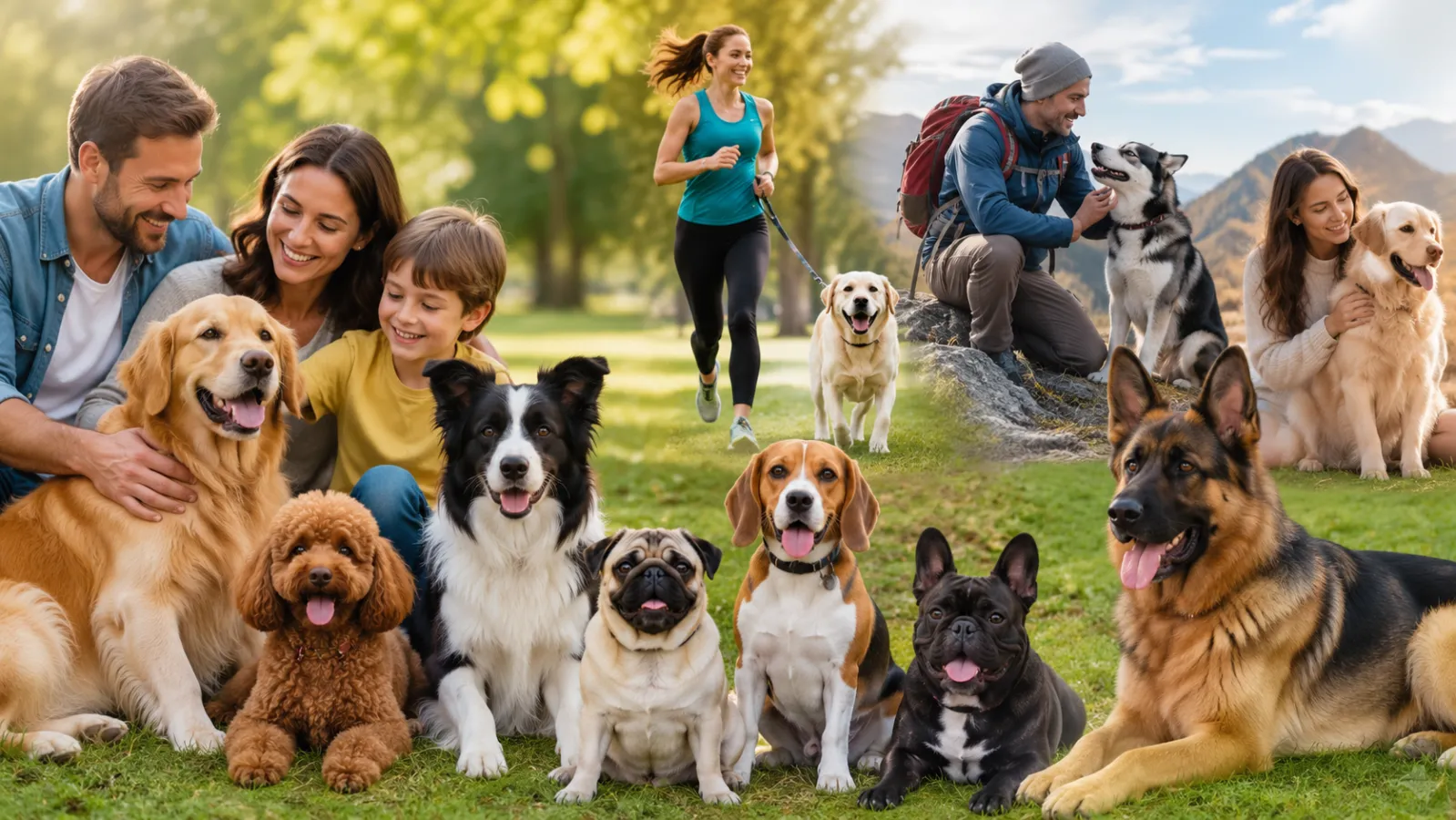
Choosing the right dog for your family is an exciting decision, but it also comes with important responsibilities. A family dog should be more than cute or popular—it should be affectionate, patient, reliable, and able to adapt to your household's lifestyle. Whether you have toddlers who are just learning to interact with pets or teenagers looking for an active companion, selecting the right breed can make all the difference.
The best family dog breeds are known for their friendly personalities, trainability, and ability to build strong bonds with both adults and children. While every dog has its own unique personality, certain breeds consistently stand out for their gentle nature and love of family life.
This guide explores what makes a great family dog, highlights the best breeds for different age groups, explains grooming and exercise needs, and shares practical training and safety tips to help you choose the perfect canine companion.
What Makes a Good Family Dog?
Not every dog is naturally suited for life with children. The best family dogs possess several characteristics that make them enjoyable and safe companions.
Gentle Temperament
A good family dog remains calm in busy households and is patient with children. Kids can be loud, energetic, and unpredictable, so dogs with a gentle personality are usually the best fit.
Friendly Personality
Family dogs should enjoy meeting new people, spending time with visitors, and getting along well with other pets. Friendly breeds adapt more easily to different situations.
Easy to Train
Dogs that learn commands quickly make family life much easier. Basic obedience helps create a safer environment for everyone.
Appropriate Energy Level
Some families enjoy hiking, camping, and outdoor adventures, while others prefer quiet evenings at home. Choosing a breed whose activity level matches your family's lifestyle prevents boredom and unwanted behaviors.
Loyal and Affectionate
The strongest family dogs enjoy spending time with their people. They become loyal companions who love participating in everyday family activities.
Best Dog Breeds for Families with Toddlers
Toddlers require dogs that are calm, patient, and tolerant. These breeds have earned excellent reputations for living happily with young children.
Labrador Retriever
The Labrador Retriever has remained one of North America's favorite family dogs for decades.
Why Families Love Them
Labradors are friendly, intelligent, and incredibly patient with children. They love being included in family activities and generally get along well with other pets.
Temperament
- Friendly
- Loyal
- Gentle
- Playful
- Intelligent
Energy Level
Labs are active dogs that enjoy walks, swimming, games of fetch, and outdoor play. Daily exercise helps keep them physically and mentally healthy.
Grooming Needs
Their short double coat sheds throughout the year. Weekly brushing helps reduce loose hair around the home.
Training
Labradors are eager to please, making them one of the easiest breeds to train. Positive reinforcement works extremely well.
Golden Retriever
Golden Retrievers are famous for their loving personalities and dependable nature.
Why They're Excellent with Toddlers
Golden Retrievers are patient, affectionate, and gentle. They naturally enjoy spending time with children and often become deeply attached to every member of the family.
Temperament
- Loving
- Calm
- Friendly
- Intelligent
- Reliable
Energy Level
They enjoy daily exercise and interactive games but also appreciate relaxing with the family after an active day.
Grooming Needs
Their beautiful coat requires brushing several times each week to prevent tangles and reduce shedding.
Training
Goldens are highly intelligent and respond quickly to consistent, reward-based training.
Newfoundland
Despite their enormous size, Newfoundlands are often called "gentle giants."
Why They're Great Family Dogs
Newfoundlands are incredibly patient and protective. Their calm personality makes them one of the safest large breeds for families with young children.
Temperament
- Patient
- Calm
- Protective
- Affectionate
- Loyal
Energy Level
Moderate. They enjoy walks and family outings without requiring constant activity.
Grooming Needs
Their thick coat requires frequent brushing and regular grooming throughout the year.
Training
Because they grow into very large dogs, early obedience training is essential.
Best Dog Breeds for Families with Teenagers
Teenagers often enjoy active dogs that can join outdoor adventures, sports, and travel.
Beagle
Beagles are cheerful, curious, and full of personality.
Why Teenagers Love Them
Their playful attitude and adventurous spirit make them wonderful companions for active families.
Temperament
- Friendly
- Curious
- Energetic
- Social
- Happy
Energy Level
High. Beagles require daily walks, play sessions, and opportunities to explore safely.
Grooming Needs
Their short coat is easy to maintain with weekly brushing.
Training
Although intelligent, Beagles can become distracted by interesting scents. Consistent training and patience produce excellent results.
Labrador Retriever
Labradors remain an outstanding choice for families with teenagers.
They enjoy activities such as:
- Hiking
- Running
- Swimming
- Camping
- Fetch
- Agility games
Their enthusiasm makes them wonderful companions for active households.
Golden Retriever
Golden Retrievers also thrive in families with older children who can participate in training, exercise, and grooming.
They enjoy:
- Long walks
- Outdoor adventures
- Swimming
- Playing sports
- Family vacations
Their friendly personality allows them to adapt easily to busy family life.
Cavalier King Charles Spaniel
Families looking for a smaller companion often choose the Cavalier King Charles Spaniel.
Why They're Great Family Pets
These affectionate dogs love spending time with people and are happiest when included in family activities.
Temperament
- Gentle
- Loving
- Calm
- Friendly
- Adaptable
Energy Level
Moderate. They enjoy walks and playtime but are equally content relaxing beside their owners.
Grooming Needs
Their silky coat benefits from brushing several times each week.
Training
Cavaliers are eager to please and usually learn quickly through positive reinforcement.
Understanding Gentle Temperaments
Temperament should always be one of the most important considerations when selecting a family dog.
Among the breeds discussed, these stand out for their naturally gentle personalities:
- Golden Retriever
- Labrador Retriever
- Newfoundland
- Cavalier King Charles Spaniel
These dogs typically enjoy human interaction and adapt well to homes with children when properly socialized.
Matching Energy Levels to Your Lifestyle
Choosing a dog whose energy matches your family's routine leads to a happier relationship.
High-Energy Breeds
These dogs need plenty of exercise every day:
- Labrador Retriever
- Golden Retriever
- Beagle
Recommended activities include:
- Walking
- Hiking
- Running
- Swimming
- Fetch
- Puzzle toys
Without enough activity, these breeds may become bored and develop unwanted behaviors.
Moderate-Energy Breeds
These dogs enjoy activity but generally settle down indoors.
Examples include:
- Newfoundland
- Cavalier King Charles Spaniel
A combination of daily walks and family interaction usually meets their exercise needs.
Grooming Needs
Regular grooming keeps your dog healthy while reducing shedding around the house.
Labrador Retriever
- Weekly brushing
- Regular ear cleaning
- Nail trimming
- Seasonal shedding
Golden Retriever
- Brush three to four times weekly
- Regular baths
- Coat trimming around paws
- Heavy seasonal shedding
Beagle
- Weekly brushing
- Occasional baths
- Simple coat maintenance
Cavalier King Charles Spaniel
- Brush several times weekly
- Regular ear cleaning
- Occasional trimming
- Moderate shedding
Newfoundland
- Frequent brushing
- Professional grooming when needed
- Heavy seasonal shedding
- Regular coat care
Training Tips for Family Dogs
Training builds confidence, improves communication, and creates a safer home environment.
Start Training Early
Training begins the day your puppy comes home. Puppies quickly learn routines, behaviors, and expectations.
Teaching good habits early prevents unwanted behaviors from becoming permanent.
Teach Basic Commands
Every family dog should reliably know:
- Sit
- Stay
- Come
- Down
- Leave it
- Drop it
These commands improve both safety and everyday behavior.
Use Positive Reinforcement
Reward good behavior with:
- Healthy treats
- Praise
- Toys
- Playtime
- Affection
Dogs repeat behaviors that produce positive experiences. Reward-based training also strengthens your relationship.
Avoid harsh punishment, as it can create fear and confusion.
Keep Training Sessions Short
Most puppies focus best during sessions lasting five to ten minutes.
Several short sessions each day are usually more effective than one long session.
Be Consistent
Everyone in the household should use the same commands and expectations.
Consistency helps dogs understand what is expected and speeds up the learning process.
Safety Around Children
Even the friendliest dog should always be supervised around young children.
Teaching children and dogs to respect one another creates a safer environment for everyone.
Never Leave Toddlers Alone with a Dog
Adult supervision should always be present, regardless of breed.
Even calm dogs can become startled if accidentally hurt.
Teach Children Proper Behavior
Children should learn to:
- Avoid pulling ears or tails.
- Never disturb a sleeping dog.
- Stay away while the dog is eating.
- Avoid climbing or sitting on dogs.
- Pet gently and respectfully.
These simple habits help prevent accidents.
Give Your Dog a Quiet Space
Every dog deserves a comfortable place where they can rest without interruption.
This may include:
- A crate
- A dog bed
- A quiet room
- A designated corner
Children should understand that this space belongs to the dog.
Recognize Signs of Stress
Dogs communicate discomfort before reacting.
Common warning signs include:
- Yawning
- Lip licking
- Turning away
- Tucked tail
- Growling
- Stiff body posture
Recognizing these signals allows families to intervene before problems develop.
Choosing the Right Family Dog
Before bringing home a dog, consider these important questions:
- How active is your family?
- Do you have toddlers, teenagers, or both?
- How much time can you dedicate to exercise?
- Are you comfortable with regular grooming?
- Do you have enough living space?
- Can everyone participate in training?
Matching your family's lifestyle with a breed's needs creates a happier experience for both you and your dog.
Remember that every dog is an individual. Meeting a dog before adoption or purchase gives you a better understanding of its personality and whether it fits your family.
Final Thoughts
The best family dog breeds offer much more than companionship—they become loyal friends, trusted protectors, and lifelong members of the family. Choosing the right breed involves considering temperament, energy level, grooming requirements, trainability, and how well the dog matches your household's lifestyle.
Labrador Retrievers and Golden Retrievers continue to be among the most popular choices because of their friendly personalities, intelligence, and love for children. Newfoundlands provide exceptional patience and protection for families with young kids, while Beagles bring energy and enthusiasm to active households. For those seeking a smaller companion, the Cavalier King Charles Spaniel offers affection, gentleness, and adaptability.
No matter which breed you choose, responsible ownership is the key to success. Early training, regular exercise, proper grooming, positive reinforcement, and supervised interactions with children help create a safe and loving environment.
With the right preparation and commitment, your family dog will become much more than a pet—they'll be a loyal companion who shares adventures, celebrations, and everyday moments for many happy years.