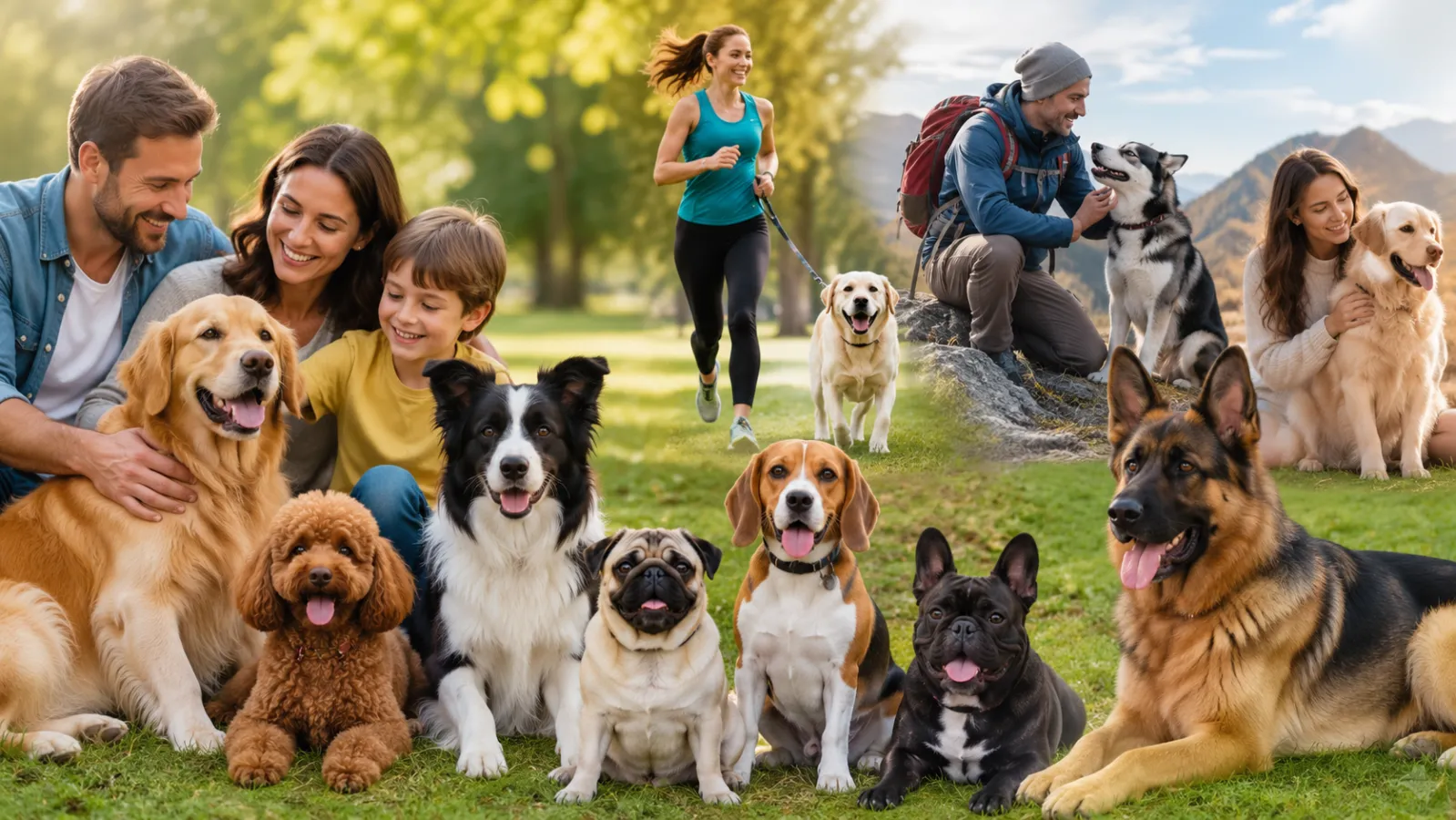
Bringing home your first dog is exciting, but it can also feel overwhelming. With hundreds of dog breeds to choose from, it's natural to wonder which one will fit your lifestyle, experience level, and home environment. While every dog has a unique personality, some breeds are generally easier to train, more adaptable, and better suited for people who have never owned a dog before.
The best dog breeds for first-time owners typically share a few important qualities. They are friendly, eager to learn, relatively easy to manage, and forgiving of common beginner mistakes. They also have moderate exercise needs, manageable grooming requirements, and fewer behavioral challenges when properly trained and socialized.
If you're looking for a loyal companion that makes the transition into dog ownership smoother, this guide covers everything you need to know before choosing your first furry friend.
What Makes a Good Dog for First-Time Owners?
Not every dog is ideal for beginners. Some breeds require extensive training, constant mental stimulation, or experienced handling. For first-time owners, it's usually best to choose a breed known for being cooperative and adaptable.
Easy to Train
One of the biggest advantages of beginner-friendly dogs is their willingness to learn. Intelligent breeds that enjoy pleasing their owners typically respond well to positive reinforcement and basic obedience training.
Easy-to-train dogs often:
- Learn commands quickly
- Respond well to rewards
- Enjoy structured routines
- Require less repetition
Training becomes far more enjoyable when your dog understands expectations and eagerly participates.
Friendly Personality
A friendly temperament makes everyday life much easier. Dogs that naturally enjoy meeting people, interacting with children, and getting along with other pets are generally better suited for inexperienced owners.
Friendly breeds tend to:
- Adapt well to visitors
- Handle new environments confidently
- Bond quickly with family members
- Display lower levels of fearfulness
Early socialization remains important regardless of breed, but naturally social dogs often adjust faster.
Moderate Exercise Requirements
Exercise needs vary dramatically between breeds. Some working dogs require several hours of activity every day, while others are happy with regular walks and play sessions.
Moderate-energy breeds usually need:
- One or two daily walks
- Interactive playtime
- Mental stimulation through games
- Weekend outdoor adventures
These exercise requirements fit well into most North American lifestyles.
Low Behavioral Issues
While every dog needs training, beginner-friendly breeds are generally less prone to excessive aggression, stubbornness, or destructive behaviors when their needs are met.
Common qualities include:
- Lower tendency to guard resources
- Less reactivity toward strangers
- Easier house training
- Better adaptability to routine
Good management and consistent training remain essential for every dog.
Manageable Grooming
Some breeds require professional grooming every month, while others need only weekly brushing.
For first-time owners, manageable grooming helps reduce stress and maintenance costs.
Consider:
- Coat length
- Shedding level
- Brushing frequency
- Professional grooming needs
Labrador Retriever
The Labrador Retriever consistently ranks among the most popular dogs in North America—and for good reason. Labs combine intelligence, friendliness, patience, and adaptability into one dependable companion.
Why They're Great for Beginners
Labradors genuinely enjoy working with people. They love learning new skills, making training enjoyable rather than frustrating.
They are also incredibly forgiving of beginner mistakes. Even if your timing isn't perfect during training, Labs usually remain eager to participate.
Personality
Labradors are known for being:
- Gentle
- Loyal
- Social
- Patient
- Affectionate
They typically get along well with:
- Children
- Seniors
- Other dogs
- Cats (with proper introductions)
- Visitors
Exercise Needs
Labs have moderate to high energy.
Daily activities should include:
- 60–90 minutes of exercise
- Fetch games
- Swimming
- Hiking
- Walks
Without enough exercise, they may become bored and chew household items.
Grooming
Their short double coat is relatively easy to maintain.
Routine care includes:
- Weekly brushing
- Seasonal shedding management
- Nail trimming
- Ear cleaning
Training Tips
Labs respond exceptionally well to:
- Food rewards
- Praise
- Consistent routines
- Short training sessions
Positive reinforcement produces excellent results.
Golden Retriever
Golden Retrievers are another outstanding choice for first-time dog owners. Their calm nature, intelligence, and affectionate personality make them one of the easiest family dogs to live with.
Why They're Beginner-Friendly
Goldens naturally want to please their owners. This makes obedience training straightforward, even for people with little experience.
Their patient temperament also makes them forgiving when owners make occasional mistakes.
Personality
Golden Retrievers are known for:
- Kindness
- Patience
- Gentleness
- Intelligence
- Loyalty
They enjoy spending time with:
- Families
- Children
- Other pets
- Guests
Aggression is uncommon when properly socialized.
Exercise Requirements
Goldens enjoy being active.
Recommended activities include:
- Daily walks
- Fetch
- Swimming
- Hiking
- Puzzle toys
About an hour of daily exercise usually keeps them happy.
Grooming Requirements
Their beautiful coat requires more maintenance than a Labrador.
Expect:
- Brushing several times each week
- Seasonal heavy shedding
- Regular bathing
- Ear cleaning
Consistent grooming helps prevent matting.
Training
Golden Retrievers thrive on:
- Positive reinforcement
- Clear expectations
- Consistency
- Daily practice
They're among the easiest breeds for learning basic obedience.
Poodle
Poodles are often underestimated because of their elegant appearance, but they are among the smartest dog breeds in the world.
They come in Standard, Miniature, and Toy sizes, making it easy to find one that matches your living space.
Why Beginners Love Poodles
Poodles are highly trainable and eager to learn.
They enjoy:
- Problem-solving
- Learning tricks
- Obedience work
- Interactive games
Their intelligence allows new owners to make rapid progress with training.
Personality
Poodles are:
- Friendly
- Alert
- Loyal
- Playful
- Highly intelligent
They build strong bonds with their families.
Exercise Needs
Poodles require moderate daily exercise.
Activities include:
- Walks
- Fetch
- Agility games
- Mental puzzles
- Training sessions
Mental stimulation is just as important as physical activity.
Grooming
This is the biggest commitment.
Their curly coat requires:
- Frequent brushing
- Professional grooming every 6–8 weeks
- Regular ear care
- Routine trimming
Although grooming requires effort, Poodles shed very little, making them popular among allergy-sensitive households.
Training
Because they learn quickly, consistency is essential.
Keep sessions:
- Short
- Fun
- Reward-based
- Varied
Bichon Frise
The Bichon Frise is a cheerful, affectionate companion that adapts well to apartments, condos, and family homes.
Its small size makes it easier for beginners to manage.
Why They're Ideal for New Owners
Bichons are social dogs that enjoy spending time with people.
They're typically:
- Easygoing
- Friendly
- Curious
- Playful
They don't require overwhelming amounts of exercise.
Personality
The Bichon Frise loves:
- Meeting strangers
- Playing with children
- Being part of family activities
- Learning tricks
They're known for maintaining a happy attitude throughout life.
Exercise Needs
Most Bichons are satisfied with:
- Daily walks
- Indoor games
- Backyard play
- Interactive toys
Around 30–45 minutes of exercise is often enough.
Grooming
Their fluffy white coat requires regular maintenance.
Owners should expect:
- Daily brushing
- Professional grooming
- Eye cleaning
- Routine bathing
The reward is a beautiful, low-shedding coat.
Training
Bichons respond well to:
- Treats
- Encouragement
- Gentle correction
- Consistent routines
Early potty training should be a priority.
Whippet
The Whippet surprises many first-time owners. Despite their athletic appearance, they're calm, quiet, and surprisingly low-maintenance indoors.
Why They're Good for Beginners
Whippets enjoy relaxing just as much as running.
After a good walk or sprint, they're often content to spend hours lounging beside their owners.
Personality
Whippets are:
- Gentle
- Quiet
- Affectionate
- Sensitive
- Calm
They generally avoid unnecessary barking.
Exercise Needs
Whippets enjoy:
- Daily walks
- Safe fenced running areas
- Play sessions
Once exercised, they're excellent indoor companions.
Grooming
One of the easiest coats to maintain.
Care includes:
- Occasional brushing
- Nail trimming
- Dental care
- Bathing when necessary
Minimal shedding is another advantage.
Training
Because Whippets are sensitive, harsh corrections should never be used.
Positive reinforcement helps them build confidence while learning commands.
Grooming Requirements Every Beginner Should Understand
Choosing a breed with grooming needs that match your schedule is important.
Low Maintenance
These breeds require minimal grooming:
- Labrador Retriever
- Whippet
Weekly brushing is usually sufficient.
Moderate Maintenance
Golden Retrievers need:
- Frequent brushing
- Seasonal shedding management
High Maintenance
Poodles and Bichon Frises require:
- Professional grooming
- Frequent brushing
- Coat maintenance
While more demanding, these breeds often shed less than many others.
Common Beginner Mistakes
Every first-time owner makes mistakes. Recognizing them early can help build a happier relationship with your dog.
Waiting Too Long to Start Training
Training begins the day your dog comes home.
Teaching simple commands immediately helps establish good habits before unwanted behaviors develop.
Skipping Socialization
Dogs should gradually experience:
- Different people
- Other dogs
- New environments
- Various sounds
- Different surfaces
Proper socialization builds confidence and reduces fear-based behaviors.
Not Providing Enough Exercise
Even relaxed breeds need daily activity.
Without sufficient exercise, dogs may develop:
- Excessive barking
- Chewing
- Digging
- Hyperactivity
Physical activity also supports mental health.
Inconsistent Rules
Dogs thrive on consistency.
If one family member allows jumping while another discourages it, your dog becomes confused.
Everyone should use the same commands and expectations.
Using Punishment Instead of Positive Reinforcement
Punishment often creates fear rather than understanding.
Instead, reward behaviors you want repeated through:
- Treats
- Praise
- Toys
- Play
Positive reinforcement strengthens trust and speeds up learning.
Tips for Choosing the Right Breed
Before selecting your first dog, ask yourself:
- How much time do I have each day?
- Can I provide daily exercise?
- Am I prepared for grooming?
- Do I have children or other pets?
- Do I travel frequently?
- How large is my home?
Choosing a breed that matches your lifestyle is far more important than choosing the most popular dog.
Building a Strong Relationship With Your First Dog
Owning a dog is about much more than feeding and walking them.
A successful relationship includes:
- Daily interaction
- Consistent training
- Patience
- Exercise
- Mental stimulation
- Routine veterinary care
- Quality nutrition
- Plenty of affection
Dogs thrive when they feel secure, loved, and included in family life.
Even beginner-friendly breeds need guidance, structure, and commitment to become well-adjusted companions.
Final Thoughts
Choosing your first dog is an exciting decision that will shape your life for many years. The best dog breeds for first-time owners combine intelligence, friendly personalities, manageable exercise needs, and trainable temperaments that make learning together enjoyable.
Labrador Retrievers and Golden Retrievers remain two of the most reliable choices thanks to their affectionate nature and willingness to please. Poodles offer exceptional intelligence and low shedding, while the Bichon Frise provides a cheerful personality in a compact size. For those seeking a quieter companion, the Whippet offers calm indoor behavior with surprisingly simple grooming needs.
Remember that no breed is completely maintenance-free. Every dog requires time, patience, training, exercise, and love. By choosing a breed that matches your lifestyle and committing to positive reinforcement, consistent routines, and proper care, you'll build a lifelong bond with a loyal companion.
Your first dog won't just become a pet—they'll become a trusted friend, a source of daily joy, and an unforgettable member of your family.