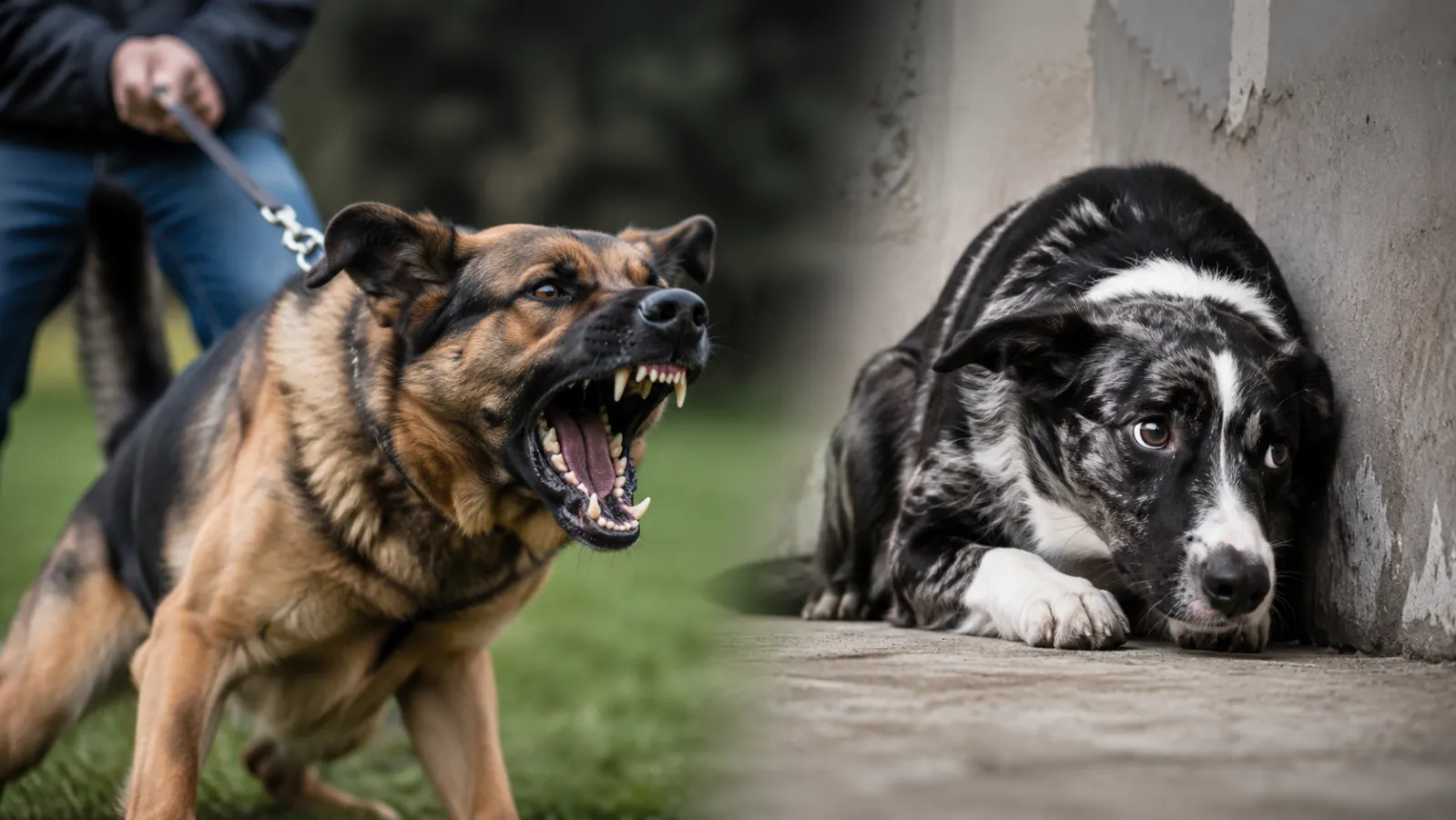
Bringing a dog into your home is one of life's greatest joys, but it also comes with responsibilities. One of the most common behavioral problems that dog owners in North America face is separation anxiety. Millions of dogs struggle when left alone, leading to stress for both pets and their families.
Dogs are naturally social animals that thrive on companionship. While it's normal for a dog to miss their owner, separation anxiety goes far beyond simple loneliness. Dogs with this condition experience genuine panic when left alone, often resulting in destructive behavior, excessive barking, escape attempts, and even self-injury.
The good news is that separation anxiety can often be improved with patience, consistency, and proper training. In this guide, you'll learn how to recognize the signs, understand the causes, and use effective techniques to help your dog become more confident and comfortable when home alone.
What Is Separation Anxiety in Dogs?
Separation anxiety is a behavioral condition in which a dog becomes extremely distressed whenever they are separated from their owner or primary caregiver. Unlike boredom, separation anxiety triggers genuine fear and panic.
Many owners mistakenly believe their dog is acting out of spite after coming home to chewed furniture or accidents indoors. In reality, the dog is experiencing overwhelming emotional distress and has little control over their actions.
Dogs suffering from separation anxiety are not being disobedient—they are asking for help.
Why Do Dogs Develop Separation Anxiety?
Several factors can contribute to separation anxiety. Understanding the root cause helps determine the most effective treatment plan.
Changes in Routine
Dogs thrive on consistency. Sudden schedule changes, such as returning to office work after working from home, can trigger anxiety.
Adoption or Rehoming
Dogs adopted from shelters or rescue organizations sometimes have a history of abandonment or multiple homes, making them more vulnerable.
Loss of a Family Member
The death of a family member or another household pet can significantly affect a dog's emotional well-being.
Moving to a New Home
Relocating introduces unfamiliar sights, sounds, and routines that may increase stress.
Lack of Independence
Some puppies and adult dogs become overly dependent on their owners if they rarely spend time alone during their early development.
Common Signs of Separation Anxiety
Recognizing the symptoms early allows owners to begin training before the problem worsens.
1. Destructive Chewing
One of the most obvious signs is chewing furniture, doors, windowsills, shoes, or household objects shortly after the owner leaves.
Dogs may chew because they are trying to relieve stress or escape to find their owner.
2. Excessive Barking or Howling
Continuous barking, whining, or howling that begins after the owner leaves is one of the classic symptoms.
Neighbors often notice this behavior before owners do.
3. House Soiling
Even completely house-trained dogs may urinate or defecate indoors when suffering from anxiety.
This isn't a potty training issue—it's an emotional response to stress.
4. Escape Attempts
Dogs experiencing severe anxiety may:
- Scratch doors
- Dig under fences
- Bite window frames
- Jump gates
- Break crates
Unfortunately, these attempts sometimes result in injuries.
5. Constant Pacing
Many anxious dogs walk back and forth in repetitive patterns while waiting for their owner to return.
Some may pace continuously for hours.
Additional Symptoms
Other behaviors include:
- Drooling excessively
- Panting without exercise
- Trembling
- Refusing food
- Following owners everywhere
- Becoming anxious when owners prepare to leave
Is It Separation Anxiety or Boredom?
Many behaviors overlap, but there are important differences.
Dogs that are simply bored usually:
- Calm down after some time
- Enjoy toys while alone
- Sleep for much of the day
- Cause occasional destruction
Dogs with separation anxiety often:
- Panic immediately after departure
- Ignore toys and treats
- Remain distressed for hours
- Display multiple anxiety symptoms together
Knowing the difference helps avoid using ineffective solutions.
Independence Training: The Foundation of Recovery
One of the most effective long-term solutions is teaching your dog that being alone is safe.
This process should always be gradual.
Start with Short Separations
Leave your dog alone for just a few seconds.
Return before they become anxious.
Gradually increase the time:
- 10 seconds
- 30 seconds
- 1 minute
- 3 minutes
- 5 minutes
- 10 minutes
Progress slowly.
If your dog becomes anxious, shorten the duration and build confidence again.
Avoid Making Departures Emotional
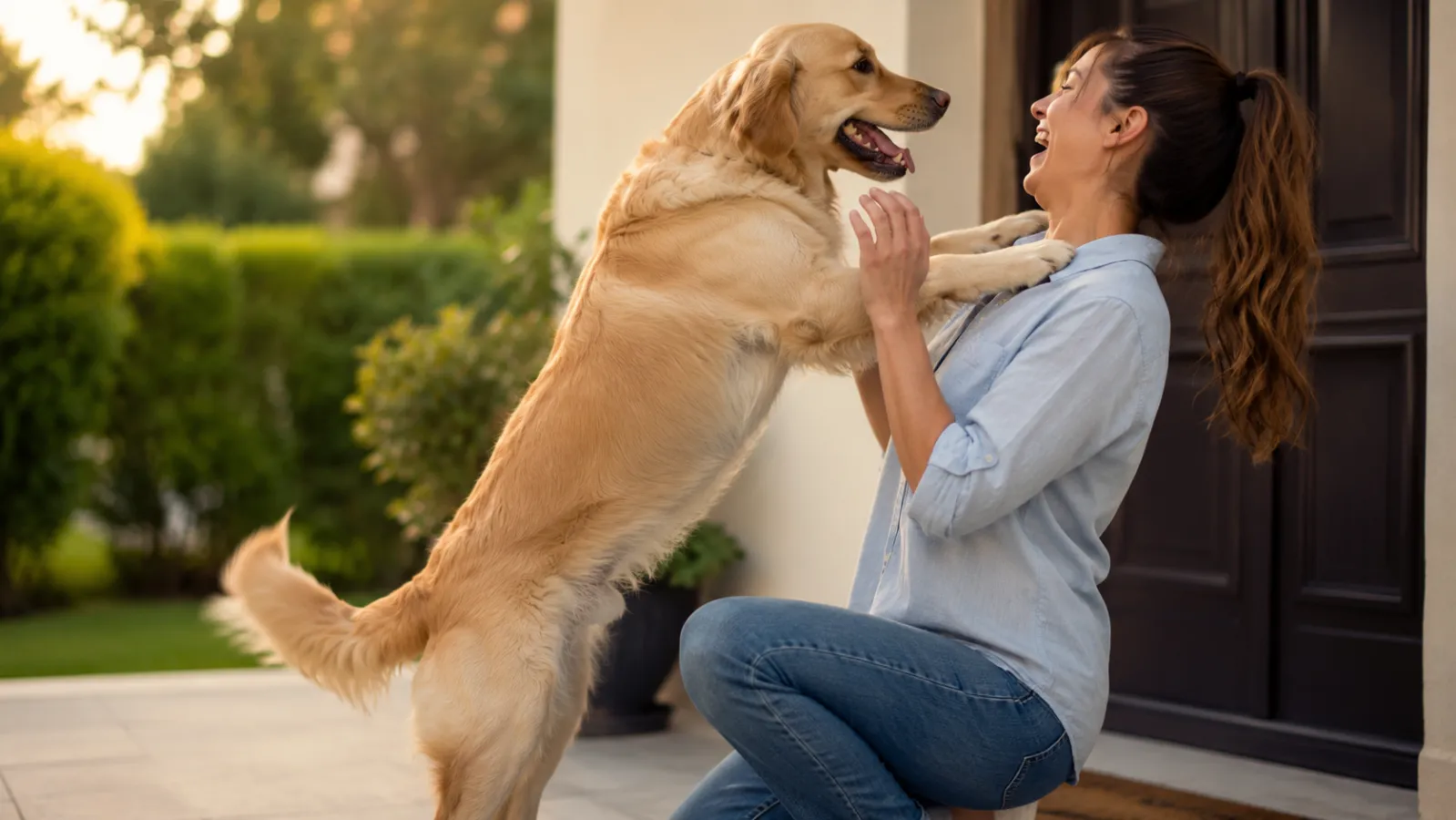
Many owners unintentionally increase anxiety by creating dramatic goodbyes.
Instead:
- Stay calm.
- Leave quietly.
- Return calmly.
- Wait until your dog relaxes before greeting them.
This teaches that departures and arrivals are normal events.
Gradual Departure Training
Dogs often recognize signals that owners are leaving.
These include:
- Picking up keys
- Putting on shoes
- Wearing a jacket
- Grabbing a purse
- Closing the laptop
Eventually these cues alone can trigger anxiety.
Practice these actions without actually leaving.
For example:
- Pick up your keys.
- Sit back down.
- Put on your shoes.
- Watch TV.
Over time, these signals lose their emotional meaning.
Create Positive Associations
Your departure should predict something enjoyable.
Offer special enrichment only when leaving.
Examples include:
- Stuffed food puzzles
- Frozen peanut butter treats (xylitol-free)
- Frozen pumpkin treats
- Long-lasting dental chews
- Snuffle mats
Remove these special items once you return so they remain valuable.
Mental Enrichment Reduces Anxiety
A tired mind often copes better with being alone.
Daily mental stimulation helps lower stress levels.
Great enrichment activities include:
Puzzle Toys
Food-dispensing toys keep dogs occupied while encouraging problem-solving.
Sniffing Games
Hide treats around the house and encourage your dog to search for them.
Sniffing naturally reduces stress.
Training Sessions
Teaching new tricks builds confidence and strengthens your bond.
Even 10-minute sessions can make a difference.
Rotation of Toys
Rather than leaving all toys available, rotate them every few days to maintain interest.
Physical Exercise Matters
Exercise alone won't cure separation anxiety, but it helps.
Dogs with excess energy often struggle more when left alone.
Before leaving:
- Go for a brisk walk.
- Play fetch.
- Practice obedience.
- Let your dog explore new scents.
Avoid exhausting your dog immediately before departure, as overly tired dogs can sometimes become more stressed.
Create a Safe Space
Many anxious dogs feel more secure when they have a comfortable retreat.
A safe space may include:
- Comfortable bedding
- Favorite toys
- Water
- Familiar scents
- Soft lighting
Some dogs enjoy crates if introduced positively.
Others become more anxious in confined spaces.
Always observe your dog's individual response.
Should You Leave the TV or Music On?
Background noise can help mask outdoor sounds that may trigger barking.
Many owners find success with:
- Soft classical music
- White noise
- Calm television
- Dog-specific relaxation playlists
Although not a cure, background sound may reduce stress for some dogs.
Build Confidence Throughout the Day
Confidence-building exercises improve independence.
Encourage your dog to:
- Rest in another room
- Play independently
- Solve puzzle toys alone
- Spend short periods separated while you're still home
Reward calm, independent behavior.
Avoid constantly encouraging your dog to follow you everywhere.
Mistakes to Avoid
Some common mistakes can unintentionally worsen anxiety.
Punishing Destructive Behavior
Never punish your dog for chewing or accidents that occurred while you were away.
Punishment only increases fear and confusion.
Leaving Suddenly for Long Periods
Jumping from constant companionship to eight hours alone rarely succeeds.
Gradual progress works much better.
Ignoring Exercise
Dogs that lack both physical and mental stimulation often struggle more with stress.
Expecting Overnight Results
Recovery takes weeks or months.
Patience and consistency are essential.
Separation Anxiety in Puppies
Puppies naturally depend on their owners.
Teaching independence early prevents future problems.
Helpful puppy habits include:
- Short alone-time sessions
- Independent play
- Crate training using positive reinforcement
- Consistent routines
- Socialization with new environments
Never force a frightened puppy to remain alone for long periods.
Separation Anxiety in Adult and Senior Dogs
Adult dogs can develop anxiety after major life changes.
Senior dogs may experience anxiety due to:
- Reduced vision
- Hearing loss
- Cognitive decline
- Medical conditions
Always rule out health problems if anxiety develops suddenly.
When Professional Help Is Needed
Some dogs require more than home training.
Consult your veterinarian or a certified professional dog trainer if your dog:
- Injures themselves trying to escape
- Panics immediately upon departure
- Stops eating when alone
- Cannot be left alone even briefly
- Shows no improvement after consistent training
- Displays severe anxiety every day
In some cases, veterinary-prescribed anti-anxiety medication may be recommended alongside behavior modification.
Medication isn't a shortcut—it simply reduces anxiety enough for training to become effective.
A Daily Routine for Dogs with Separation Anxiety
Consistency creates predictability, helping dogs feel secure.
A balanced routine might include:
Morning
- Potty break
- Walk or play session
- Breakfast
- Short training session
Midday
- Puzzle toy
- Independent relaxation
- Calm rest
Afternoon
- Mental enrichment game
- Sniff walk
- Practice short departures
Evening
- Family time
- Gentle exercise
- Dinner
- Quiet relaxation before bedtime
Predictable schedules reduce uncertainty and improve confidence.
Can Separation Anxiety Be Prevented?
While not every case can be prevented, early habits greatly reduce the risk.
Start by:
- Teaching your puppy to spend short periods alone.
- Encouraging independent play.
- Maintaining a consistent daily routine.
- Avoiding constant attention throughout the day.
- Rewarding calm behavior.
- Providing daily exercise and enrichment.
These habits help dogs grow into confident, emotionally resilient companions.
Final Thoughts
Separation anxiety is one of the most challenging behavioral issues dog owners face, but it is also one of the most treatable when addressed with patience and consistency. Remember that your dog isn't being stubborn or spiteful—they're experiencing real emotional distress.
Focus on building confidence through independence training, practice gradual departures, provide plenty of mental and physical enrichment, and create a safe, predictable environment. Celebrate small improvements, as progress often comes in gradual steps rather than overnight success.
If your dog's anxiety is severe or doesn't improve with training, don't hesitate to seek help from your veterinarian or a qualified dog behavior professional. With the right approach, most dogs can learn that being home alone is safe, allowing them to become calmer, happier, and more secure companions for years to come.