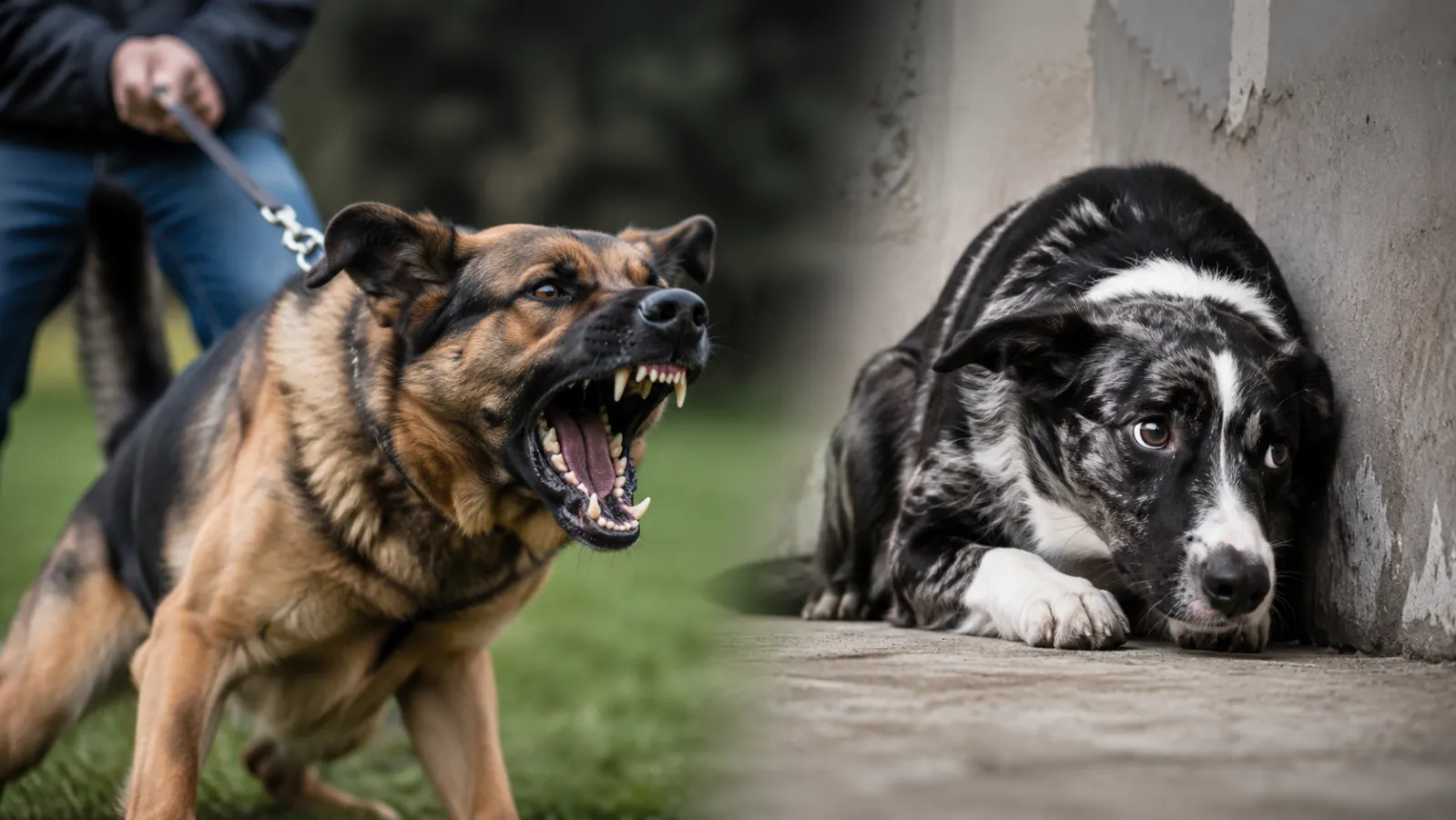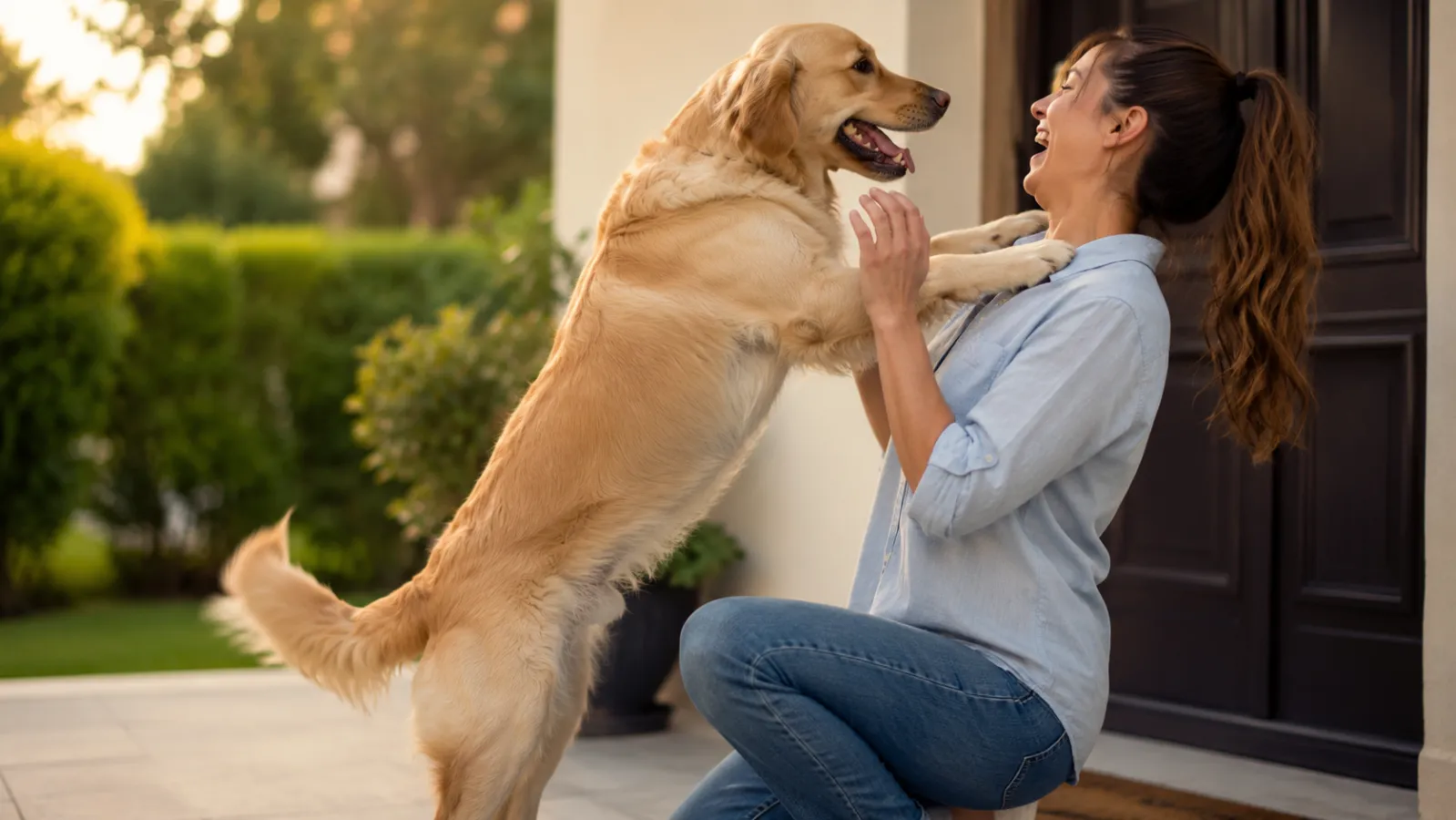
Bringing a puppy or rescue dog into your home is exciting, but one of the biggest responsibilities you have is helping them become comfortable around people, other dogs, and new environments. Many behavior problems that owners struggle with later—including fear, aggression, excessive barking, and separation anxiety—can often be traced back to poor or incomplete socialization.
Socialization is much more than letting your dog meet other dogs. It's about teaching them that the world is safe, predictable, and full of positive experiences. Combined with gradual independence training, proper introductions, and an understanding of canine body language, socialization creates the foundation for a confident and well-behaved companion.
Whether you're raising a young puppy or helping an older dog adjust to a new life, this guide explains everything North American dog owners need to know about healthy socialization, dog-to-dog behavior, and preventing fear-based problems.
Why Socialization Matters
Dogs are naturally social animals, but they aren't automatically comfortable in every situation. They must learn how to respond appropriately to different people, animals, sounds, and environments.
Proper socialization helps your dog:
- Build confidence
- Reduce fear of unfamiliar situations
- Prevent aggression
- Improve communication with other dogs
- Reduce anxiety
- Make veterinary visits easier
- Enjoy family outings
- Adapt to changing environments
Dogs that miss early socialization may become nervous, reactive, or fearful. These dogs often bark excessively, avoid strangers, or overreact when meeting other dogs.
Fortunately, while puppies learn fastest, dogs of every age can continue developing positive social skills through careful training.
The Best Socialization Window
The most important period for puppy socialization occurs between 3 and 16 weeks of age.
During this stage, puppies absorb new experiences rapidly. Their brains are highly adaptable, making it easier to develop confidence rather than fear.
This doesn't mean puppies should immediately visit busy dog parks before vaccinations are complete. Instead, socialization should occur safely and gradually.
Good experiences during this period include:
- Meeting calm adults
- Seeing children from a safe distance
- Walking on different surfaces
- Hearing household appliances
- Riding in the car
- Visiting pet-friendly stores
- Watching bicycles and strollers
- Meeting vaccinated, friendly dogs
Every positive experience teaches your puppy that new things are normal.
Continue Socialization Beyond Puppyhood
A common mistake is believing socialization ends after four months.
In reality, dogs continue learning throughout adolescence and adulthood.
Continue exposing your dog to:
- New neighborhoods
- Hiking trails
- Outdoor cafes
- Friendly visitors
- Grooming appointments
- Different weather conditions
- New sounds
- Controlled dog interactions
Confidence grows through regular, positive experiences.
Separation Training Starts Early
Many owners unintentionally create separation anxiety by spending every moment with a new puppy.
Instead, puppies should gradually learn that being alone is safe.
Start with short absences.
Examples include:
- Leaving the room for one minute
- Closing the bathroom door
- Giving a food puzzle while you step outside
- Practicing independent naps
Return calmly without creating excitement.
Gradually increase the amount of time your puppy spends alone.
This teaches:
- Independence
- Confidence
- Emotional stability
Dogs that never learn independence often become anxious whenever their owners leave.
Recognizing Early Signs of Separation Anxiety
Early intervention is much easier than correcting severe anxiety later.
Watch for signs such as:
- Constant whining
- Destructive chewing
- Scratching doors
- Barking after you leave
- Drooling excessively
- House soiling
- Pacing
- Refusing food when alone
Mild signs can often improve with gradual independence exercises before becoming serious problems.
Introducing New Dogs Properly
First impressions matter.
Poor introductions can create fear that lasts for years.
Instead of forcing dogs together, allow them to meet gradually.
Choose Neutral Territory
Dogs are often more relaxed outside their own home.
Good locations include:
- Quiet parks
- Walking trails
- Open fields
Avoid small rooms or tight spaces where dogs feel trapped.
Keep Both Dogs Relaxed
Before introductions:
- Exercise both dogs lightly
- Use comfortable leashes
- Stay calm yourself
Dogs often mirror human emotions.
Walk Together First
Instead of greeting nose-to-nose immediately, walk both dogs several feet apart.
Gradually reduce the distance.
This allows them to:
- Observe one another
- Relax
- Build familiarity without pressure
Many professional trainers recommend parallel walking before allowing direct interaction.
Allow Brief Greetings
When both dogs appear relaxed:
Allow a few seconds of sniffing.
Then calmly separate them again.
Multiple short greetings are usually better than one long interaction.
Reward Calm Behavior
Praise and reward:
- Loose body language
- Calm sniffing
- Friendly curiosity
- Checking in with the owner
This reinforces polite social behavior.
Understanding Dog-to-Dog Body Language
Dogs communicate almost entirely through body language.
Owners who recognize these signals can prevent conflicts before they begin.
Relaxed Body Language
Signs include:
- Loose muscles
- Soft eyes
- Wagging tail at mid-height
- Play bows
- Curved body movements
- Open mouth
- Relaxed ears
These dogs are usually comfortable and interested in interaction.
Signs of Stress
Watch carefully for:
- Lip licking
- Yawning
- Turning away
- Freezing
- Raised paw
- Avoiding eye contact
- Slow movements
These subtle signals often appear before growling or snapping.
Warning Signs
If you notice:
- Hard staring
- Raised hackles
- Stiff posture
- Tail held high and rigid
- Showing teeth
- Growling
- Lunging
Increase distance immediately.
Never punish growling.
Growling is valuable communication that warns before a bite.
Punishing it may suppress the warning while leaving the fear unchanged.
Reading Play Behavior
Healthy dog play often looks rough to humans.
Normal play includes:
- Play bows
- Taking turns chasing
- Role reversal
- Self-handicapping
- Frequent breaks
- Relaxed expressions
Good play is balanced.
If one dog constantly pins, chases, or overwhelms the other, it's time for a break.
Dog Park Etiquette
Dog parks can be enjoyable, but they're not suitable for every dog.
A dog park should never be the first place your puppy learns social skills.
Instead, begin with controlled one-on-one interactions.
If you decide to visit a dog park:
Choose the Right Time
Visit during quieter hours.
Large crowds increase stress.
Know Your Dog
Avoid dog parks if your dog:
- Is fearful
- Guards toys
- Has poor recall
- Is recovering from illness
- Is overly reactive
These dogs benefit more from structured playdates.
Supervise Constantly
Stay engaged.
Avoid distractions like:
- Phones
- Conversations
- Sitting far away
Watch interactions carefully.
Remove Toys
High-value items can create competition.
Many conflicts begin over toys or treats.
Interrupt Rough Play
Call your dog away periodically.
Short breaks help prevent excitement from escalating into conflict.
Respect Other Owners
Ask before allowing your dog to approach another dog.
Not every dog enjoys social interaction.
Preventing Fear and Aggression
Most aggression develops from fear rather than dominance.
Confident dogs rarely feel the need to defend themselves aggressively.
Prevention begins with positive experiences.
Never Force Interactions
Avoid pulling your dog toward people or dogs.
Instead, allow them to approach voluntarily.
Choice builds confidence.
Use Positive Reinforcement
Reward:
- Calm behavior
- Looking at other dogs without reacting
- Checking in with you
- Relaxed body language
This changes emotional responses over time.
Build Confidence Slowly
Expose your dog to challenges gradually.
Examples include:
- Quiet parks before busy parks
- One friendly dog before large groups
- Short visits before long outings
Success builds confidence.
Avoid Flooding
Flooding means forcing a fearful dog into overwhelming situations.
Examples include:
- Crowded dog parks
- Busy festivals
- Loud events
- Large playgroups
This often increases fear rather than reducing it.
Socializing Adult Dogs
Adult dogs can absolutely become more social.
They simply need more patience.
Begin with:
- Quiet walks
- Calm dog friends
- Short introductions
- High-value treats
- Controlled environments
Progress may take weeks or months.
Celebrate small improvements.
Helping Shy Dogs Gain Confidence
Some dogs naturally have cautious personalities.
Help them by:
- Allowing them to observe before participating
- Rewarding curiosity
- Avoiding pressure
- Speaking calmly
- Keeping routines predictable
Confidence cannot be rushed.
Teaching Puppies Appropriate Play
Young puppies often become overly excited.
Teach good manners by:
- Ending play when biting becomes too rough
- Rewarding calm behavior
- Scheduling naps
- Providing chew toys
- Supervising interactions
Learning self-control is part of healthy development.
The Importance of Mental Stimulation
A mentally stimulated dog is often more relaxed socially.
Provide enrichment through:
- Puzzle feeders
- Snuffle mats
- Training games
- Nose work
- Food-dispensing toys
- Short obedience sessions
Mental exercise reduces frustration and improves emotional regulation.
Common Socialization Mistakes
Many owners unintentionally create setbacks.
Avoid these common errors:
Waiting Too Long
The earlier positive experiences begin, the easier learning becomes.
Forcing Greetings
Not every dog wants to meet every person or dog.
Visiting Busy Dog Parks Too Soon
Controlled introductions are far more beneficial.
Ignoring Stress Signals
Small signs often appear long before aggressive behavior.
Punishing Fear
Fear cannot be punished away.
Instead, create positive associations.
Inconsistent Rules
Everyone in the household should reinforce the same expectations.
Creating a Daily Socialization Routine
You don't need exciting adventures every day.
Simple daily experiences are enough.
A balanced routine might include:
- Morning neighborhood walk
- Short obedience practice
- Meeting one friendly person
- Exposure to new sounds
- Independent rest time
- Puzzle toy
- Calm interaction with another dog when appropriate
Consistency matters far more than intensity.
Long-Term Benefits of Proper Socialization
Dogs that receive appropriate socialization often become:
- More confident
- Less fearful
- Easier to train
- Better family companions
- Safer around children
- More relaxed during travel
- Better behaved at veterinary clinics
- More adaptable to life changes
These benefits continue throughout your dog's lifetime.
Final Thoughts
Healthy socialization is one of the greatest gifts you can give your dog. By introducing new experiences gradually, encouraging positive interactions with people and other dogs, teaching independence to reduce separation-related stress, and learning to read canine body language, you build the foundation for a calm, confident companion.
Remember that every dog learns at their own pace. Some are naturally outgoing, while others need extra patience and reassurance. Focus on creating positive experiences rather than forcing interactions, reward calm behavior consistently, and respect your dog's comfort level. With time, consistency, and positive reinforcement, your dog can develop excellent social skills, strong emotional resilience, and the confidence to enjoy the world safely by your side for years to come.