A happy dog rushing to greet you at the door can feel heartwarming—until those excited paws land on your clothes, knock over a child, or startle a visitor. Jumping on people is one of the most common behavior problems dog owners face. While it often begins as an adorable puppy habit, it can quickly become frustrating or even dangerous as dogs grow larger and stronger.
The good news is that jumping is a learned behavior, which means it can also be unlearned. With patience, positive reinforcement, and consistency, you can teach your dog polite greeting manners that last a lifetime.
Whether you have a playful Labrador Retriever, an energetic Border Collie, a tiny Chihuahua, or a giant Great Dane, the training principles remain the same. This guide explains why dogs jump, how to reward calm behavior, and how your entire family—and even your visitors—can help create lasting change.
Why Do Dogs Jump on People?
Before correcting the behavior, it's important to understand why it happens.
Dogs rarely jump to be rude or dominant. In most cases, they're simply excited and trying to interact the way they naturally communicate.
1. They Want Attention
Dogs quickly learn that jumping gets results.
Even if you push them away or say "No," they're still receiving attention—which many dogs consider rewarding.
If jumping consistently earns eye contact, talking, touching, or laughter, your dog will continue doing it.
2. They Are Excited
After you've been away all day, your dog may have an overwhelming desire to greet you.
Their excitement often comes out through:
- Jumping
- Barking
- Spinning
- Wagging intensely
- Running around the house
This excitement is normal, but it needs appropriate direction.
3. They Learned It as Puppies
Many owners unknowingly teach puppies to jump.
When a tiny puppy jumps onto your legs, it's cute.
People often respond by:
- Picking them up
- Petting them
- Talking excitedly
- Giving treats
Months later, that same behavior becomes a problem when the puppy weighs 60 pounds.
4. They're Trying to Reach Your Face
Dogs naturally greet one another face-to-face.
Jumping allows them to get closer to your face, smell you, lick you, and interact more naturally.
Why Jumping Becomes a Problem
Although friendly jumping usually isn't aggressive, it can create serious issues.
A jumping dog may:
- Knock down children
- Frighten elderly visitors
- Scratch skin with nails
- Dirty clothes
- Cause guests to avoid visiting
- Accidentally injure someone
Large breeds especially need early training because even playful jumping carries significant force.
Start Training Immediately
From the moment your puppy comes home, training has already begun—whether you realize it or not.
Every interaction teaches your dog what works.
If jumping earns attention today, your dog will repeat it tomorrow.
The earlier you begin teaching polite greetings, the easier the habit becomes to maintain throughout adulthood.
Remember:
Dogs repeat behaviors that bring rewards.
Your job is simply to reward the behavior you actually want.
Teach the Correct Greeting Instead
Instead of focusing only on stopping jumping, teach your dog what they should do.
The easiest replacement behavior is:
Sit before greeting.
A sitting dog cannot jump.
Every greeting becomes an opportunity to practice.
For example:
- Dog approaches.
- Ask for "Sit."
- Dog sits.
- Immediately reward with praise, treats, or petting.
Soon your dog learns:
Sitting makes people interact.
Jumping makes people disappear.
Reward Calm Behavior
Positive reinforcement is the fastest way to change greeting habits.
Whenever your dog remains calm:
- Offer praise
- Give treats
- Pet gently
- Speak calmly
- Allow greeting
The reward should happen immediately after the desired behavior.
Timing matters.
If you wait too long, your dog may not understand what earned the reward.
Ignore the Jumping
Many owners accidentally reinforce jumping.
Instead:
- Stay quiet.
- Turn your body away.
- Fold your arms.
- Avoid eye contact.
- Don't push your dog away.
- Don't yell.
The moment all four paws touch the floor, calmly acknowledge your dog.
This teaches:
Jumping = No attention
Four paws on the floor = Attention
Greeting Manners Every Dog Should Learn
A polite greeting includes:
- Four paws on the floor
- Sitting when asked
- Waiting calmly
- No barking
- No jumping
- No mouthing
Practice these greetings every day—not only when visitors arrive.
Use family members to rehearse multiple greetings throughout the week.
Train Every Family Member
Consistency is the secret to success.
If one person rewards jumping while another discourages it, your dog receives mixed messages.
Everyone should follow the same rules.
Create simple household guidelines like:
- Ignore jumping.
- Reward sitting.
- Use the same commands.
- Stay calm during greetings.
- Never encourage jumping during play.
Dogs thrive when expectations never change.
Children Need Training Too
Young children often accidentally encourage jumping by:
- Running away
- Screaming
- Waving hands
- Playing rough
Teach children to:
- Stand still
- Fold their arms
- Wait for the dog to sit
- Pet calmly after sitting
Adult supervision is always recommended, especially with energetic puppies.
Teach Visitors to Help
Visitors often undo weeks of training without realizing it.
Many people immediately:
- Pet jumping dogs
- Laugh
- Hug them
- Speak excitedly
Politely explain your training before they enter.
Ask visitors to:
- Ignore jumping
- Avoid eye contact
- Wait for four paws on the floor
- Reward calm behavior only
Most guests are happy to help once they understand the goal.
Practice Before Guests Arrive
Real visitors create excitement.
Instead of waiting for important guests, stage practice sessions.
Ask friends or neighbors to help.
Practice:
- Doorbell rings
- Dog sits
- Visitor enters
- Calm greeting
- Reward
The more repetitions your dog experiences, the faster polite greetings become automatic.
Use a Leash During Training
A lightweight leash gives you more control during greetings.
Before opening the door:
- Attach the leash.
- Ask for a sit.
- Reward calm behavior.
- Allow greetings only after sitting.
Avoid jerking or pulling.
The leash simply helps prevent unwanted jumping while your dog learns new habits.
Teach an Alternative Job
Some dogs benefit from having another task.
Examples include:
Go to Your Mat
Teach your dog to move to a designated bed or mat whenever someone arrives.
Reward generously.
Eventually the doorbell becomes a cue to run to the mat.
Hold a Toy
Many excited dogs enjoy carrying a favorite toy while greeting guests.
A toy occupies the mouth and channels excitement into a more appropriate behavior.
Sit and Watch
Teach your dog to sit quietly while watching guests enter before being released to greet.
Impulse control grows stronger with practice.
Managing Different Types of Dogs
Every breed has unique tendencies.
High-Energy Dogs
Examples include:
- Border Collies
- Australian Shepherds
- Belgian Malinois
- Jack Russell Terriers
These dogs often jump because they have excess energy.
Solutions include:
- Longer walks
- Puzzle toys
- Training games
- Agility
- Daily exercise
A tired dog learns faster.
Large Breeds
Examples:
- Great Danes
- German Shepherds
- Golden Retrievers
- Labradors
Jumping should never be ignored in these breeds because their size increases injury risk.
Begin greeting training early.
Small Breeds
Owners often overlook jumping because small dogs seem harmless.
However, allowing small dogs to jump reinforces poor manners that often expand into barking and demanding attention.
Training expectations should be the same regardless of size.
Common Mistakes Owners Make
Accidentally Rewarding Jumping
Petting a jumping dog—even once—can reinforce the habit.
Be consistent.
Saying "Down" Repeatedly
Dogs often hear excitement in your voice rather than understanding the word.
Instead, ignore jumping and reward sitting.
Punishing the Dog
Harsh punishment may:
- Create fear
- Damage trust
- Increase anxiety
- Cause confusion
Positive reinforcement produces better long-term results.
Being Inconsistent
Some days owners allow jumping.
Other days they don't.
Dogs struggle when rules constantly change.
Consistency always wins.
Daily Practice Routine
Training doesn't require long sessions.
Practice several short greeting exercises throughout the day.
Example routine:
Morning
- Practice sit before breakfast.
- Reward calm behavior.
Afternoon
- Practice greeting after returning home.
Evening
- Ring the doorbell.
- Ask for sit.
- Reward calm greeting.
Each session can last just five minutes.
Frequent repetition builds reliable habits.
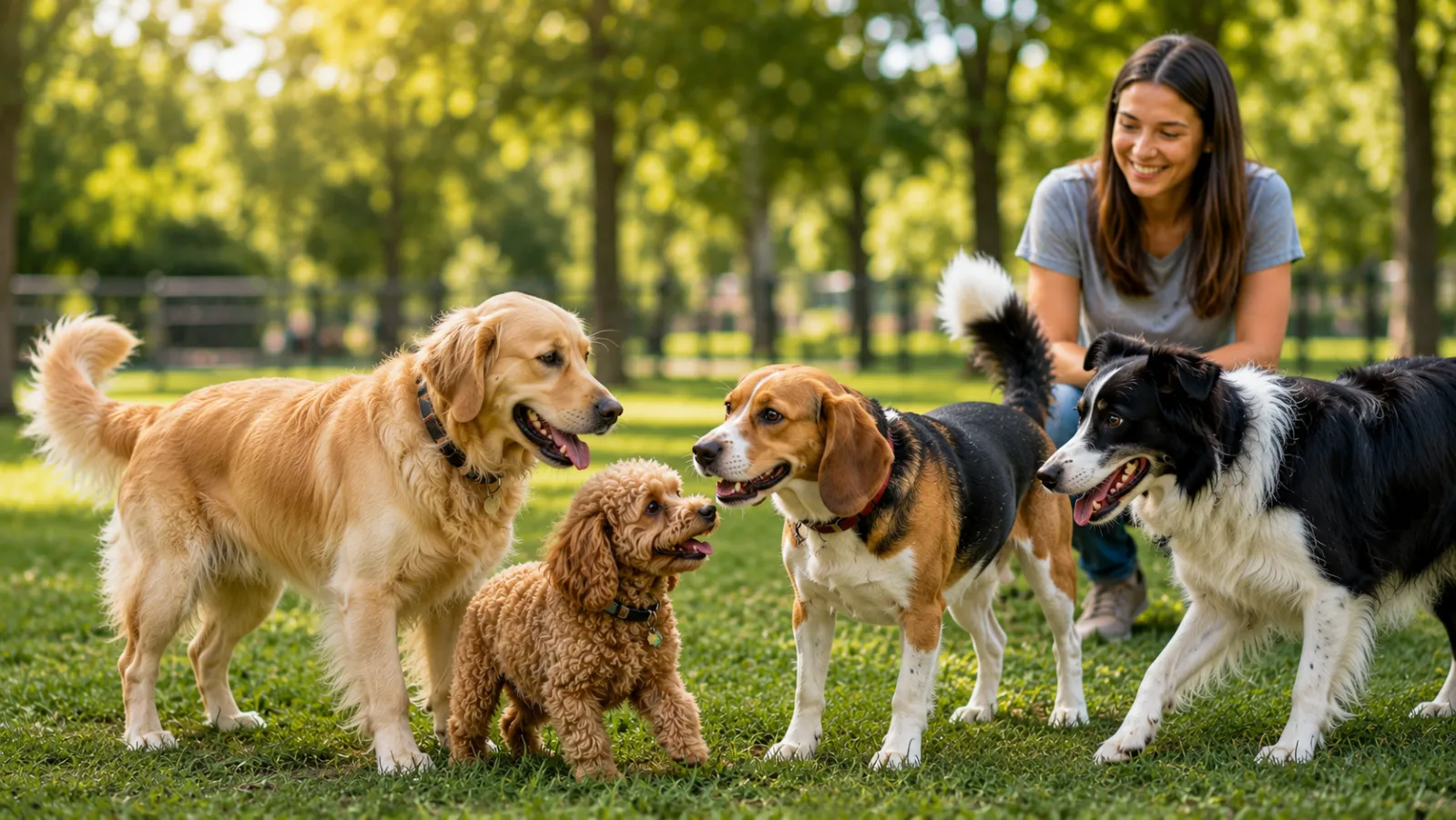
Socialization Supports Better Greetings
Dogs that regularly meet people in positive environments often develop better manners.
Safely expose your dog to:
- Adults
- Children
- Friendly dogs
- Different neighborhoods
- Outdoor cafés
- Pet-friendly stores
- Parks
Reward calm interactions every time.
Good socialization helps reduce overexcitement around new people.
When Progress Feels Slow
Behavior change doesn't happen overnight.
Some days your dog may seem to forget everything.
This is completely normal.
Stay patient.
Celebrate small improvements like:
- Shorter jumping
- Faster sitting
- Calmer greetings
- Better focus
Every successful repetition strengthens the new habit.
Signs Your Training Is Working
You'll notice steady improvement when your dog begins to:
- Pause before jumping
- Sit automatically
- Wait calmly at the door
- Greet guests politely
- Respond quickly to cues
- Stay calmer during excitement
These small victories eventually become permanent habits.
Final Thoughts
Jumping on people is one of the most common—and most preventable—dog behavior problems. Dogs jump because they're excited, seeking attention, or repeating a habit that has been rewarded in the past. The solution isn't punishment; it's teaching a better way to greet people.
By rewarding calm behavior, asking for a sit before greetings, ignoring jumping, and ensuring every family member follows the same rules, you'll help your dog develop polite manners that last a lifetime. Don't forget to involve visitors in the training process, as consistency from everyone your dog meets is essential for long-term success.
With daily practice, patience, and positive reinforcement, your dog will learn that keeping all four paws on the floor is the fastest way to earn attention, affection, and praise. A well-mannered greeting not only makes life easier for you but also helps your dog become a confident, welcome companion wherever they go.