Bringing home a new puppy is one of life's most exciting experiences. Those tiny paws, playful zoomies, and curious eyes quickly become part of the family. But along with the cuddles comes an important responsibility—teaching your puppy how to become a well-behaved, confident, and happy companion.
The first few weeks at home are more important than many new dog owners realize. Puppies are constantly learning from everything around them. Whether you're intentionally training them or not, they're forming habits every single day. That's why starting early with positive, consistent training is the key to raising a dog that is polite, obedient, and enjoyable to live with.
This guide covers everything new puppy owners in North America need to know, including when to start training, positive reinforcement, socialization, basic commands, crate training, and creating daily routines that encourage lifelong good behavior.
Why Early Puppy Training Matters
Training begins the moment your puppy enters your home. Even before they learn commands like "sit" or "stay," they're observing your reactions, routines, and expectations.
The first few months of a puppy's life are often called the critical learning period because their brains are developing rapidly. During this stage, puppies absorb new experiences, people, environments, and behaviors much faster than they will later in life.
Good habits developed now become easier to maintain, while unwanted behaviors become harder to correct if ignored.
For example:
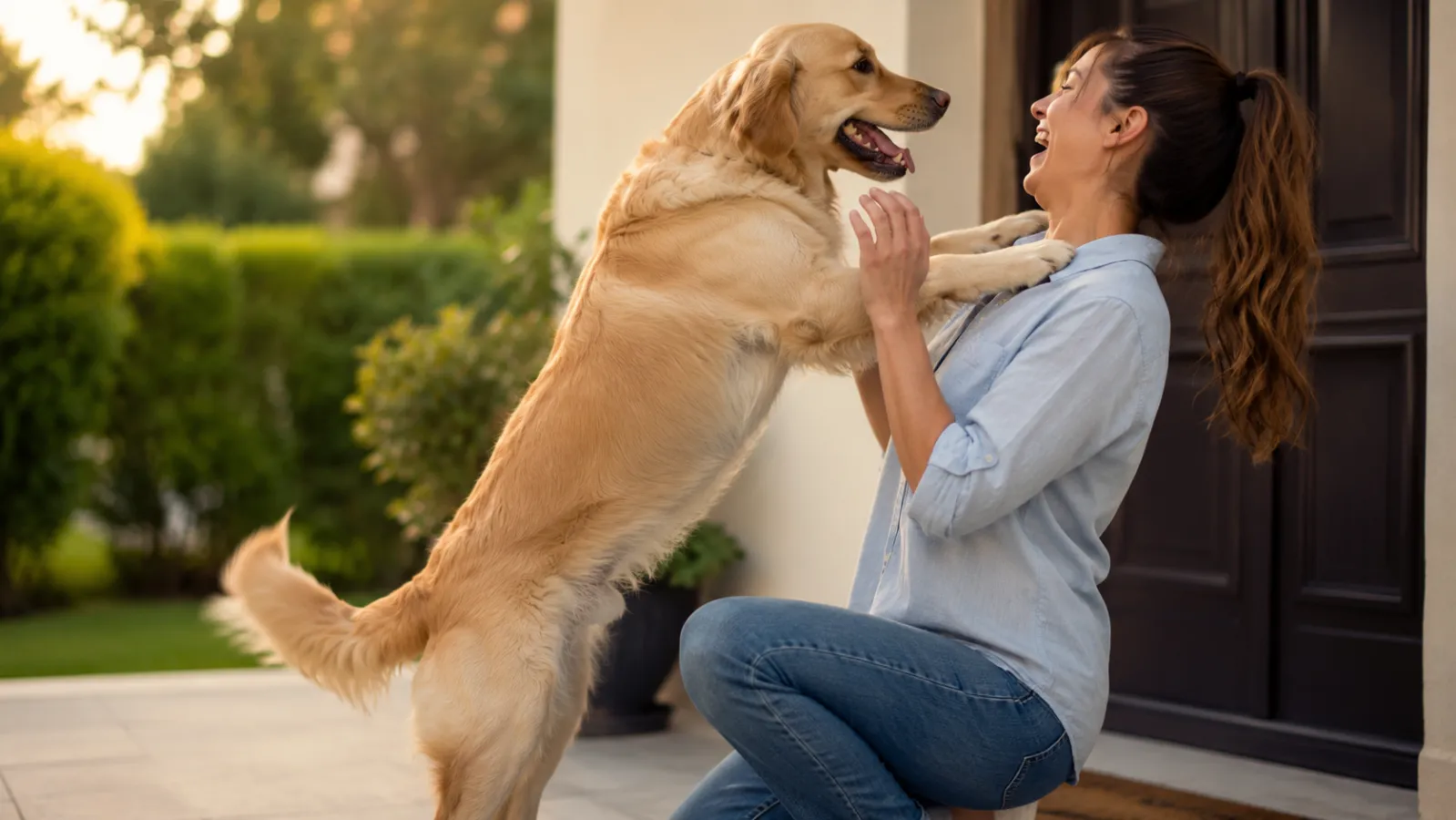
- Jumping on guests for attention can quickly become a habit.
- Chewing furniture may seem cute at first but becomes destructive later.
- Barking excessively can become difficult to stop once established.
Starting training early helps your puppy understand what behaviors earn rewards and which ones don't.
When Should You Start Training?
The answer is simple:
Immediately.
From the first day your puppy comes home, every interaction teaches them something.
Formal obedience training can begin as early as 8 weeks of age, provided lessons remain short, positive, and age-appropriate.
Young puppies don't need advanced tricks.
Instead, focus on:
- Learning their name
- Potty training
- Responding to simple cues
- Gentle handling
- Building confidence
- Creating routines
Remember, training isn't about perfection.
It's about building communication and trust.
Understanding How Puppies Learn
Dogs learn primarily through association.
If a behavior leads to something enjoyable, they're more likely to repeat it.
If it doesn't provide a reward, the behavior gradually fades.
This learning process is why positive reinforcement has become the gold standard in modern dog training.
Your puppy isn't trying to be stubborn or naughty.
They're simply discovering what works.
Your job is to reward the behaviors you want repeated.
Positive Reinforcement: The Most Effective Training Method
Positive reinforcement means rewarding good behavior immediately after it happens.
Rewards may include:
- Small training treats
- Verbal praise
- Petting and affection
- Favorite toys
- Short play sessions
For example:
If your puppy sits when asked, immediately reward them.
They begin thinking:
"When I sit, good things happen."
That simple connection motivates them to repeat the behavior.
Why Positive Reinforcement Works
Positive reinforcement:
- Builds trust
- Increases confidence
- Encourages faster learning
- Reduces fear
- Strengthens your relationship
Rather than teaching dogs to avoid punishment, it teaches them what you actually want them to do.
Avoid Punishment-Based Training
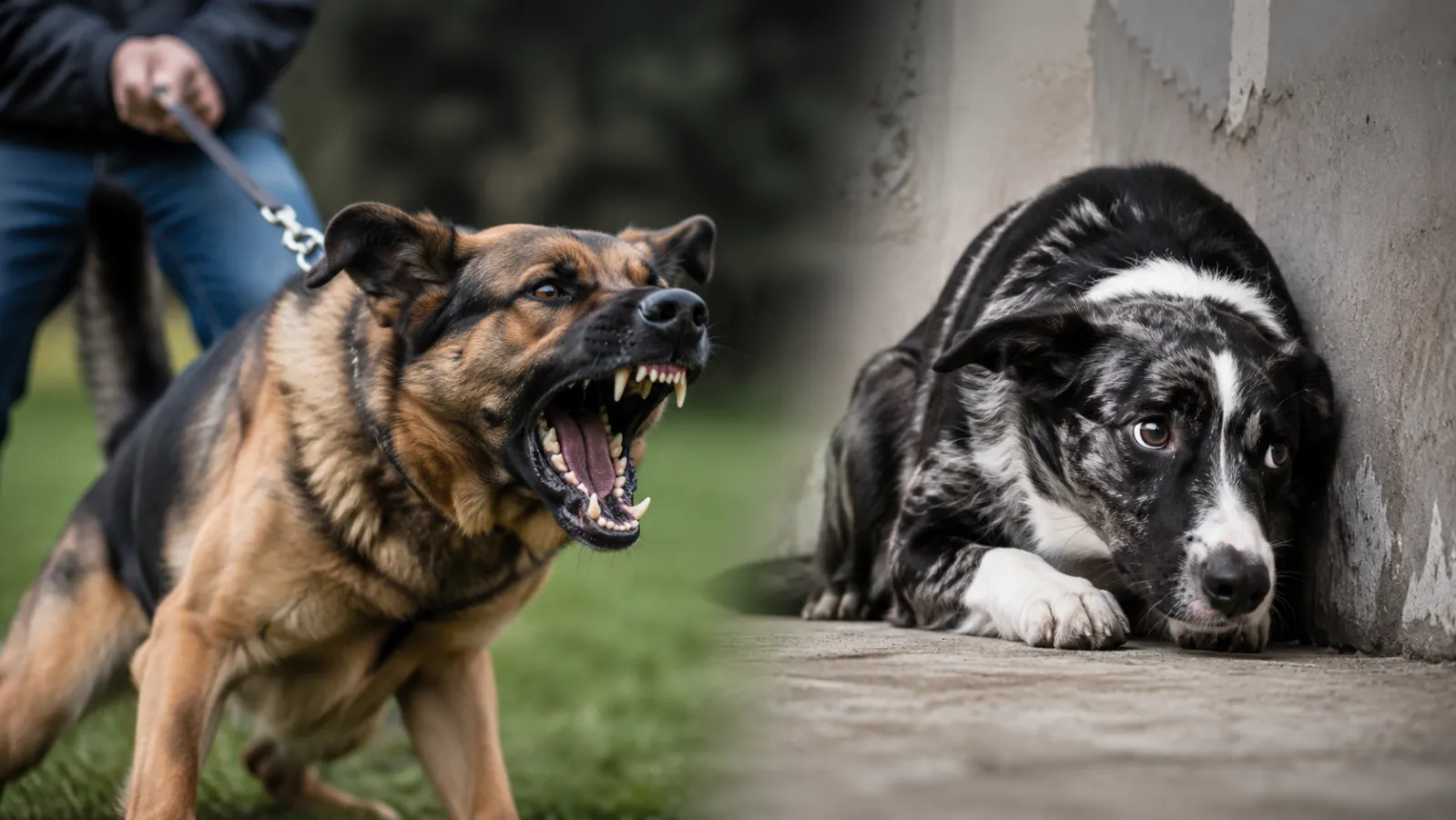
Many outdated training methods rely on yelling, physical corrections, or intimidation.
These methods can create:
- Anxiety
- Fear
- Aggression
- Loss of trust
- Confusion
Sensitive breeds such as Shetland Sheepdogs, Whippets, or Cavalier King Charles Spaniels may become fearful.
Confident breeds may become defensive.
Instead of punishing mistakes, simply redirect your puppy toward the correct behavior and reward success.
Patience always wins.
Start with Basic Commands
Every puppy should learn a few essential commands that improve communication and safety.
Sit
Usually the easiest command to teach.
It helps prevent jumping, encourages calm behavior, and becomes the foundation for many other skills.
Stay
Stay teaches patience and self-control.
It's especially useful around visitors, busy sidewalks, and open doors.
Come
Arguably the most important command.
A reliable recall can prevent dangerous situations if your puppy slips out the front door or gets loose outdoors.
Always make coming to you rewarding.
Never punish your puppy after they come when called.
Down
Teaching "down" helps puppies relax during exciting situations.
It's also useful at restaurants, family gatherings, and veterinary visits.
Keep Training Sessions Short
Puppies have short attention spans.
Long lessons quickly become boring.
Aim for:
- 5–10 minute sessions
- Two to five sessions daily
- Plenty of breaks
- Ending on a positive note
Frequent, enjoyable sessions produce much better results than one long lesson.
Consistency matters far more than duration.
Consistency Is the Secret to Success
Dogs thrive on consistency.
If one family member allows jumping while another discourages it, your puppy becomes confused.
Everyone should use:
- The same commands
- The same rules
- The same rewards
- The same expectations
For example:
Choose either "Down" or "Off" when asking your puppy to stop jumping.
Don't switch between different words.
Clear communication speeds learning.
Socialization: Raising a Confident Puppy
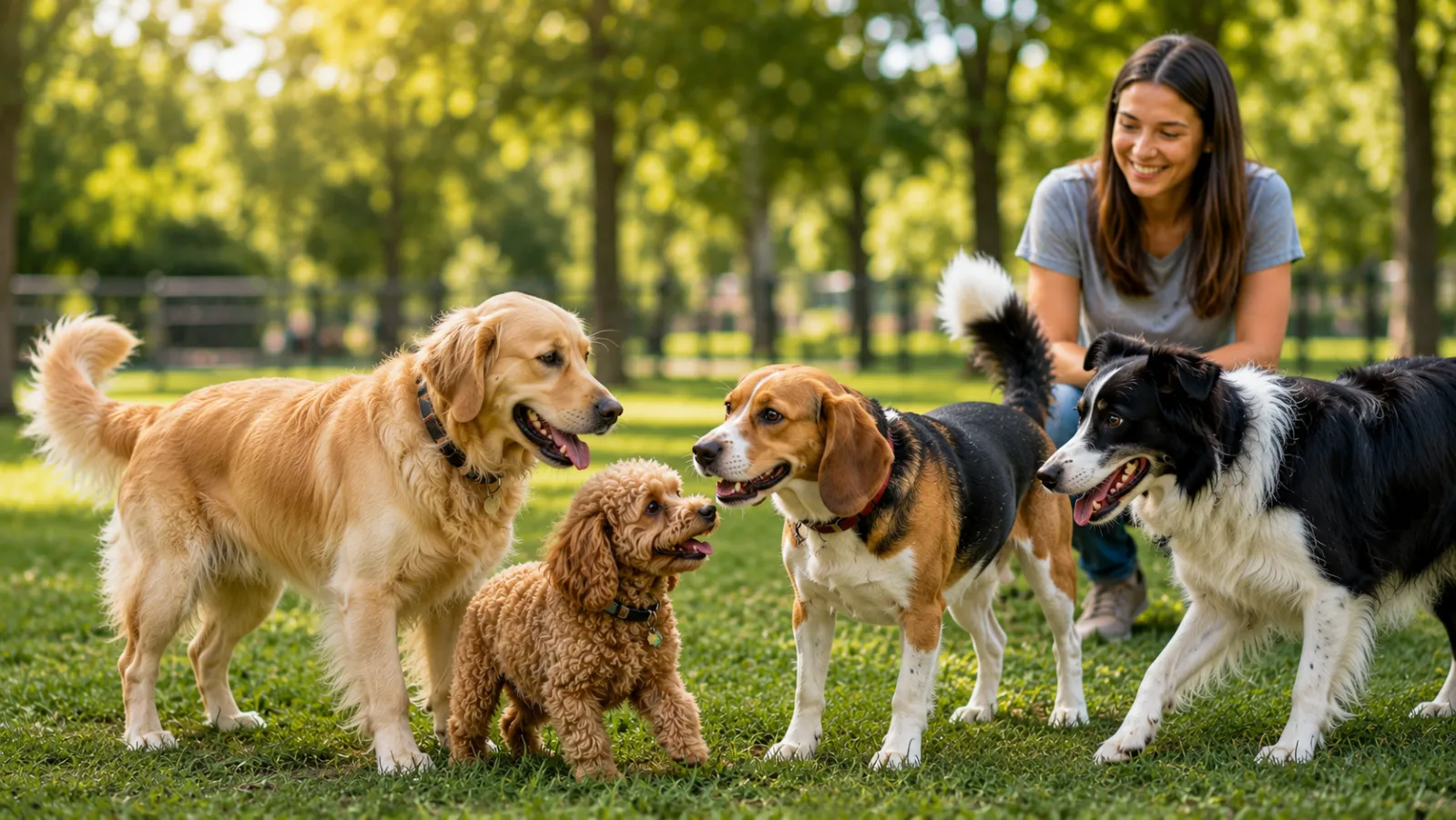
Socialization is just as important as obedience training.
A well-socialized puppy is less likely to develop fear, anxiety, or aggression later in life.
The goal isn't simply meeting lots of dogs.
It's creating positive experiences with the world.
Introduce your puppy gradually to:
- Adults
- Children
- Seniors
- Friendly vaccinated dogs
- Different breeds
- Delivery drivers
- Veterinary staff
- Groomers
Also expose them to everyday environments such as:
- Parks
- Sidewalks
- Pet-friendly stores
- Car rides
- Outdoor cafés
- Neighborhood walks
Help them experience everyday sounds including:
- Vacuum cleaners
- Doorbells
- Thunder recordings
- Fireworks recordings at low volume
- Traffic
- Lawn equipment
Keep every new experience calm and rewarding.
Never force a frightened puppy into overwhelming situations.
Crate Training: Creating a Safe Space
Many first-time owners worry that crate training is cruel.
When introduced correctly, it's actually one of the most valuable tools for raising a well-adjusted dog.
Dogs naturally seek small, secure spaces.
A properly introduced crate becomes their personal bedroom.
Benefits of Crate Training
Crate training helps with:
- Potty training
- Preventing destructive chewing
- Safe travel
- Veterinary recovery
- Reducing anxiety
- Establishing routines
Making the Crate Positive
Never use the crate as punishment.
Instead:
- Feed meals inside
- Toss treats into the crate
- Add soft bedding
- Include safe chew toys
- Leave the door open during early introductions
Gradually increase the amount of time your puppy spends inside.
The goal is for your puppy to willingly enter the crate because they feel safe.
Potty Training Success
House training requires consistency.
Most puppies need bathroom breaks:
- After waking up
- After meals
- After playtime
- Before bedtime
- Every few hours during the day
When your puppy eliminates outside:
Reward immediately with praise and treats.
Accidents indoors are part of learning.
Clean them thoroughly using an enzymatic cleaner and avoid punishment.
Remember:
Punishment doesn't teach where to go.
Consistency does.
Daily Routines Build Better Behavior
Dogs love predictable schedules.
A structured routine reduces stress while making training easier.
A typical puppy routine might include:
Morning
- Potty break
- Breakfast
- Short training session
- Walk or playtime
Afternoon
- Potty break
- Nap
- Interactive toys
- Brief training session
Evening
- Dinner
- Walk
- Family time
- Practice commands
- Final potty break
- Bedtime
Predictable routines help puppies:
- Feel secure
- Learn faster
- Sleep better
- Develop healthy habits
Adjust Training for Different Breeds
Every puppy learns differently.
While all dogs benefit from positive reinforcement, certain breeds have unique characteristics.
High-Energy Breeds
Examples include:
- Australian Shepherd
- Border Collie
- Jack Russell Terrier
These puppies need:
- Daily exercise
- Puzzle toys
- Obedience games
- Mental stimulation
Without enough activity, they may become destructive.
Independent Breeds
Examples include:
- Shiba Inu
- Dachshund
- Afghan Hound
These dogs may question instructions before responding.
Keep sessions fun, rewarding, and patient.
Avoid repeating commands endlessly.
Large Breeds
Examples include:
- German Shepherd
- Great Dane
- Labrador Retriever
Early manners are especially important because these puppies grow rapidly.
Teaching loose-leash walking and polite greetings while they're small prevents problems later.
Toy Breeds
Examples include:
- Chihuahua
- Pomeranian
- Yorkshire Terrier
Small dogs need training just as much as large dogs.
Ignoring unwanted behaviors simply because they're tiny often leads to excessive barking or anxiety.
Common Puppy Training Challenges
Every puppy owner experiences setbacks.
Understanding common problems helps you stay patient.
Biting and Nipping
Puppies naturally explore with their mouths.
During teething, biting increases.
Instead of punishment:
- Offer chew toys
- End play briefly if biting becomes too rough
- Reward gentle interactions
Easily Distracted
Everything is exciting to a young puppy.
Begin training in quiet locations before adding distractions gradually.
Use higher-value treats outdoors.
Jumping on People
Puppies often jump because it earns attention.
Instead:
Ignore jumping.
Reward sitting.
Soon your puppy learns that sitting—not jumping—gets attention.
Pulling on the Leash
Don't wait until your puppy is older.
Teach loose-leash walking early using rewards whenever they stay near you.
Short neighborhood walks work best.
Separation Anxiety Prevention
Teach independence gradually.
Allow your puppy to spend short periods alone while enjoying a food puzzle or chew toy.
Avoid making arrivals and departures overly emotional.
Building confidence early helps reduce future separation anxiety.
Mental Enrichment Is Part of Training
Physical exercise alone isn't enough.
Mental stimulation tires puppies in healthy ways.
Try:
- Food puzzles
- Snuffle mats
- Hide-and-seek games
- Basic scent work
- Interactive toys
- Short obedience sessions
A mentally engaged puppy is less likely to become bored or destructive.
Celebrate Progress, Not Perfection
Every puppy learns at their own pace.
Some master "sit" in one afternoon.
Others need several weeks.
Progress isn't always linear.
You'll have great days and frustrating days.
Celebrate every improvement, no matter how small.
Patience builds confidence for both you and your puppy.
Continue Training Throughout Adulthood
Training doesn't stop after puppyhood.
Dogs continue learning throughout their lives.
As your puppy grows, introduce:
- Advanced obedience
- Recall games
- Agility
- Trick training
- Nose work
- Public manners
Ongoing training keeps your dog mentally stimulated while strengthening your lifelong bond.
Final Thoughts
Raising a well-behaved puppy isn't about having the smartest breed or the most expensive training equipment. It's about consistency, patience, and building trust from the very beginning.
Start training the day your puppy comes home. Focus on positive reinforcement, teach basic commands, establish daily routines, and make socialization a priority. Introduce crate training with patience, celebrate small successes, and remember that every puppy learns at their own pace.
Challenges such as biting, potty accidents, or distracted behavior are normal parts of growing up. Stay calm, remain consistent, and continue rewarding the behaviors you want to see. Over time, those daily lessons become lifelong habits.
With commitment and positive guidance, your puppy won't just learn commands—they'll become a confident, well-adjusted companion who enjoys spending time with you and fits happily into your family for years to come.