As dogs grow older, their nutritional needs change just as ours do. A diet that worked perfectly during adulthood may no longer provide the right balance of nutrients for a senior dog. Ageing often brings slower metabolism, reduced activity, joint stiffness, changes in digestion, dental problems, and an increased risk of chronic health conditions. Feeding your senior dog the right nutrition can help them stay active, maintain a healthy weight, support their immune system, and enjoy a better quality of life.
Every dog ages differently depending on breed, size, genetics, and overall health. Larger breeds often enter their senior years around six to seven years of age, while smaller breeds may not be considered seniors until around nine or ten. Regardless of age, paying attention to nutritional changes early can make a significant difference in your dog's long-term wellbeing.
1. Choose Senior-Formulated Diets
One of the easiest ways to support an ageing dog is by switching to a high-quality senior dog food. These diets are specifically designed to meet the nutritional needs of older dogs while addressing common age-related concerns.
Why Senior Dog Food Matters
As dogs age, they generally require fewer calories because their metabolism slows down and they become less active. However, they still need adequate amounts of high-quality protein, vitamins, minerals, and healthy fats to maintain muscle mass and overall health.
Senior dog foods are typically formulated to provide:
- Controlled calorie levels
- Easily digestible ingredients
- High-quality protein
- Balanced vitamins and minerals
- Appropriate fibre content
- Joint-supporting nutrients
These diets are designed to reduce unnecessary calories while still delivering complete and balanced nutrition.
Look for High-Quality Protein
Contrary to outdated beliefs, healthy senior dogs do not necessarily require less protein. In fact, adequate protein becomes even more important because ageing dogs naturally lose muscle mass.
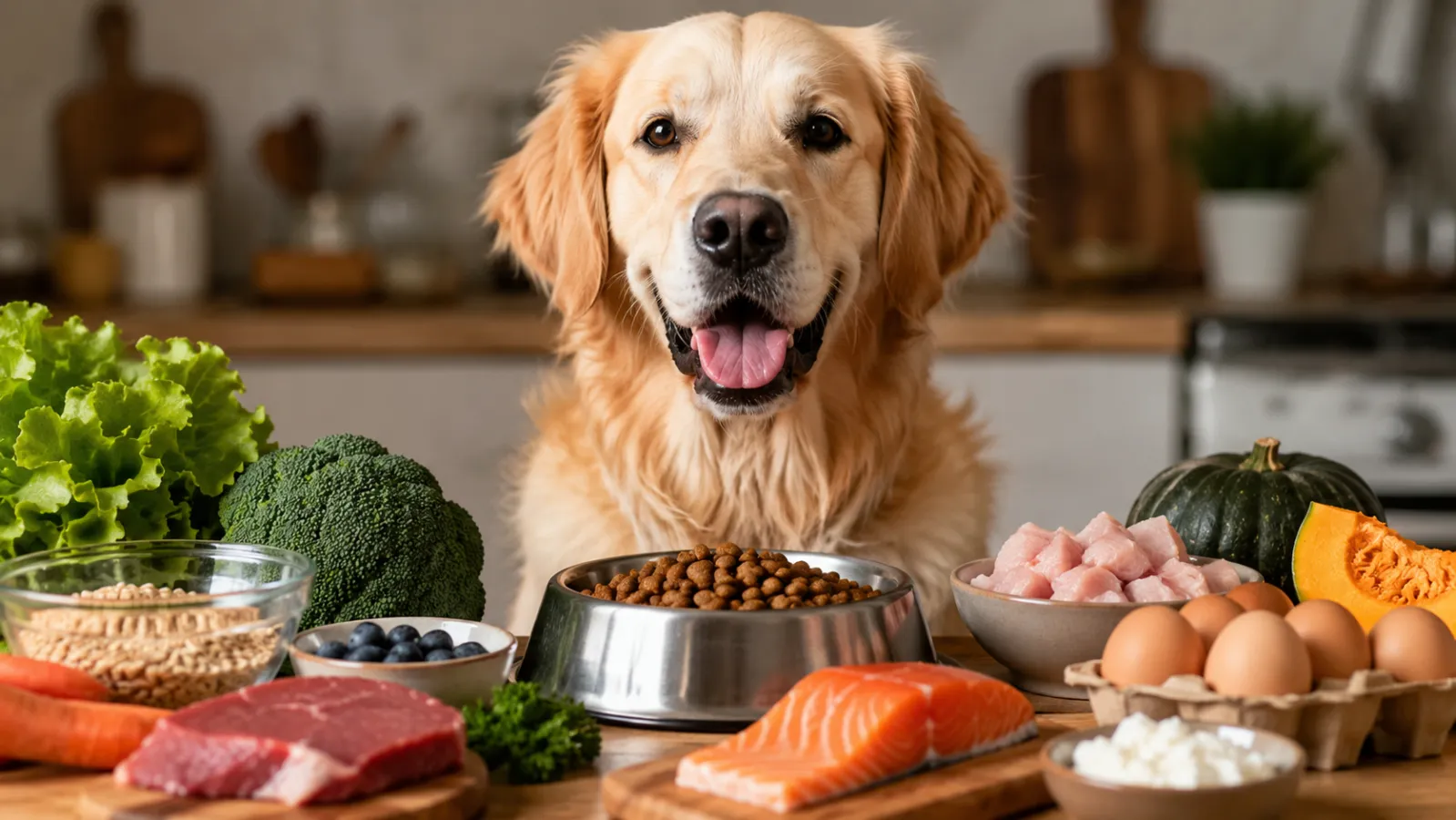
Good protein sources include:
- Chicken
- Turkey
- Salmon
- Lamb
- Beef
- Eggs
High-quality animal proteins are easier for dogs to digest and help preserve lean muscle.
Easily Digestible Ingredients
Older dogs may develop more sensitive digestive systems.
Look for foods containing ingredients such as:
- Brown rice
- Oats
- Sweet potatoes
- Pumpkin
- Easily digestible proteins
These ingredients help improve digestion while providing steady energy.
Balanced Fat Levels
Healthy fats remain essential for:
- Brain function
- Skin health
- Coat quality
- Energy
However, excessive fat can contribute to unwanted weight gain. Senior diets usually contain moderate fat levels that meet nutritional needs without excessive calories.
2. Maintain a Healthy Body Weight
Weight management becomes increasingly important as dogs age. Both obesity and being underweight can negatively affect a senior dog's health.
Why Weight Control Is Essential
Excess weight places additional stress on:
- Joints
- Heart
- Lungs
- Spine
- Internal organs
Obesity also increases the risk of:
- Diabetes
- Arthritis
- High blood pressure
- Heart disease
- Reduced mobility
- Shortened lifespan
On the other hand, unexplained weight loss may indicate illness or inadequate nutrition.
Measure Food Portions
Many owners accidentally overfeed senior dogs because they continue feeding adult portions even after activity levels decrease.
Instead:
- Measure every meal
- Follow feeding guidelines
- Adjust portions based on weight
- Monitor body condition regularly
Avoid guessing portions using large scoops or bowls.
Monitor Body Condition
Rather than relying only on the number on the scale, regularly assess your dog's body condition.
Healthy senior dogs should have:
- Easily felt ribs without excessive fat
- A visible waist when viewed from above
- A slight abdominal tuck from the side
Your veterinarian can help determine the ideal body condition score.
Limit Treats
Treats should account for no more than 10% of your dog's daily calorie intake.
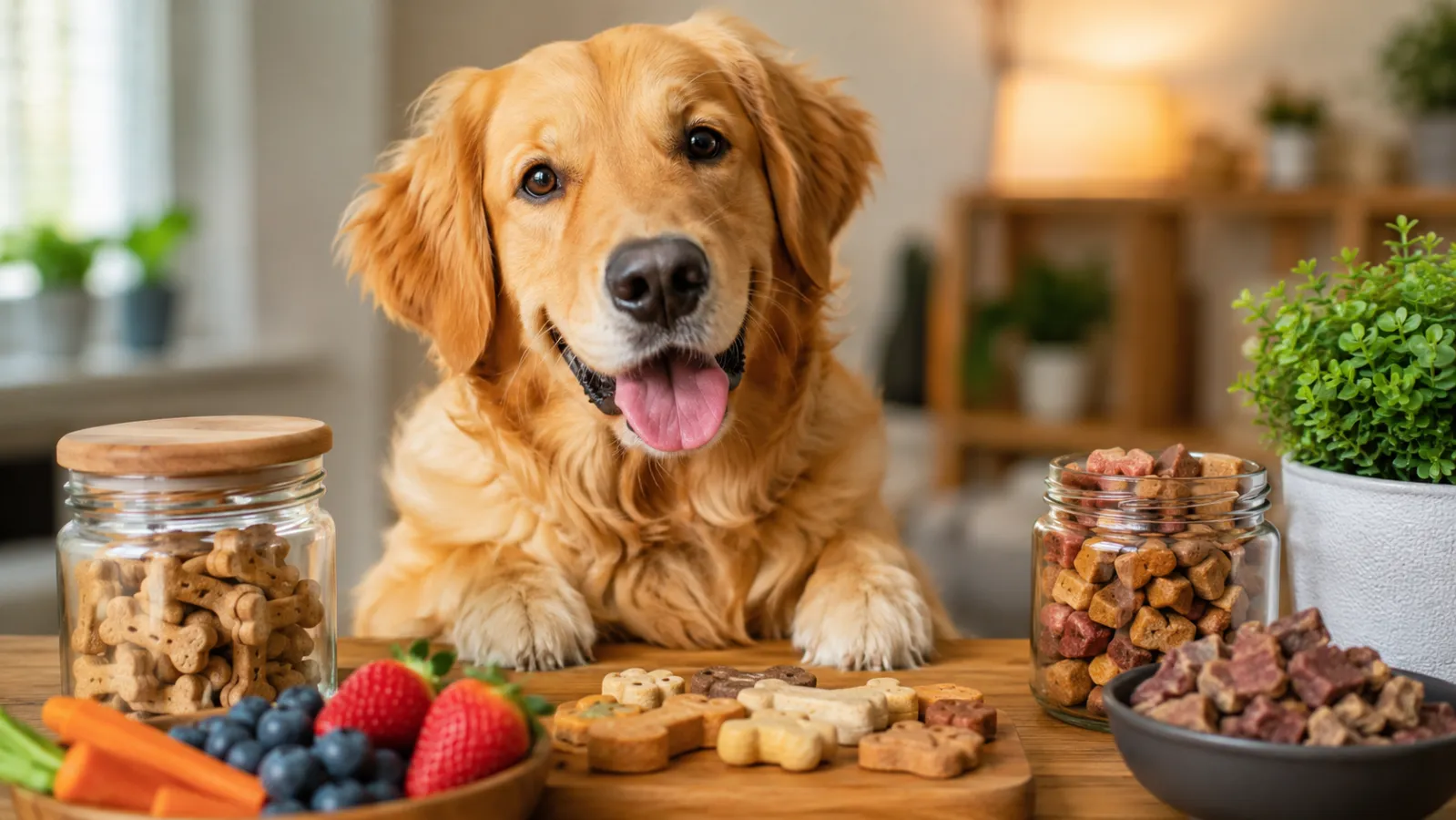
Healthier treat choices include:
- Small carrot pieces
- Green beans
- Blueberries
- Apple slices (without seeds)
- Commercial low-calorie treats
Avoid feeding large amounts of table scraps, which often contain excess fat, salt, and calories.
3. Support Joint Health With Appropriate Nutrients
Joint problems become increasingly common in senior dogs. Arthritis, stiffness, and reduced mobility can make everyday activities more difficult.
Nutrition plays a significant role in maintaining joint comfort.
Glucosamine and Chondroitin
Many senior dog foods include glucosamine and chondroitin.
These nutrients may help:
- Support cartilage
- Reduce joint wear
- Improve mobility
- Slow joint degeneration
While they are not cures for arthritis, they may help many ageing dogs remain more comfortable.
Omega-3 Fatty Acids
Omega-3 fatty acids have natural anti-inflammatory properties.
Common sources include:
- Fish oil
- Salmon
- Sardines
- Menhaden fish
Benefits include:
- Reduced inflammation
- Improved joint mobility
- Healthier skin
- Better coat condition
- Support for heart and brain health
Maintain Lean Muscle
Strong muscles provide important support for ageing joints.
Adequate protein combined with regular low-impact exercise helps preserve muscle while reducing stress on joints.
Appropriate Exercise
Nutrition works best alongside regular movement.
Senior dogs benefit from:
- Daily walks
- Swimming
- Gentle play
- Controlled exercise sessions
Avoid sudden bursts of intense activity that may worsen joint discomfort.
4. Support Digestive Health
Ageing often affects digestion. Some senior dogs experience constipation, while others become more sensitive to dietary changes.
Increase Dietary Fibre
Moderate amounts of fibre can help:
- Improve digestion
- Support healthy bowel movements
- Promote gut health
- Maintain healthy weight
Good fibre sources include:
- Pumpkin
- Sweet potatoes
- Brown rice
- Beet pulp
Too much fibre, however, may reduce nutrient absorption, so balance is important.
Encourage Hydration
Senior dogs may drink less water, increasing the risk of dehydration.
Encourage water intake by:
- Providing fresh water at all times
- Cleaning bowls daily
- Offering wet food when appropriate
- Adding water to dry kibble if recommended
Proper hydration supports kidney health, digestion, and circulation.
5. Consider Brain Health
Just like people, dogs may experience cognitive decline as they age.
Signs include:
- Confusion
- Changes in sleep patterns
- Wandering
- Forgetting routines
- Reduced interaction
Certain nutrients may help support brain function.
Antioxidants
Antioxidants help protect cells from oxidative damage.
Foods rich in antioxidants often contain:
- Vitamin E
- Vitamin C
- Beta-carotene
These nutrients support overall immune and brain health.
DHA
Docosahexaenoic acid (DHA), an omega-3 fatty acid, supports:
- Brain function
- Learning
- Memory
- Nervous system health
Some senior diets include DHA specifically for cognitive support.
6. Protect Dental Health
Dental disease is one of the most common problems in older dogs.
Painful teeth or gums can make eating difficult, leading to reduced food intake and weight loss.
Signs of Dental Problems
Watch for:
- Bad breath
- Dropping food
- Bleeding gums
- Loose teeth
- Difficulty chewing
Nutritional Adjustments
Some dogs benefit from:
- Softened kibble
- Wet food
- Dental diets
- Veterinary-approved dental chews
Regular dental cleanings and home brushing remain the most effective methods for maintaining oral health.
7. Watch for Health Conditions That Require Dietary Changes
Many senior dogs develop chronic medical conditions that require nutritional adjustments.
Kidney Disease
Dogs with kidney disease often require diets that carefully manage:
- Phosphorus
- Sodium
- Protein quality
Never change to a kidney diet without veterinary guidance.
Heart Disease
Dogs with heart conditions may benefit from diets that:
- Limit sodium
- Support healthy weight
- Provide omega-3 fatty acids
Diabetes
Diabetic dogs often require:
- Consistent meal schedules
- Controlled carbohydrates
- High-fibre diets
- Careful calorie management
Food Allergies
Some senior dogs develop food sensitivities later in life.
Symptoms may include:
- Itchy skin
- Ear infections
- Digestive upset
Veterinary guidance is essential when selecting specialized diets.
8. Schedule Regular Veterinary Check-Ups
Nutrition alone cannot replace regular veterinary care.
Senior dogs should generally receive veterinary examinations more frequently than younger adults because health changes can occur quickly.
Why Regular Check-Ups Matter
Routine examinations allow early detection of:
- Arthritis
- Kidney disease
- Liver disease
- Heart disease
- Diabetes
- Dental disease
- Cancer
Early diagnosis often leads to better treatment outcomes.
Nutritional Monitoring
During check-ups, your veterinarian can evaluate:
- Body weight
- Muscle condition
- Appetite
- Blood work
- Dietary needs
Your dog's nutrition plan may need adjustments as they continue ageing.
Common Feeding Mistakes With Senior Dogs
Many owners unintentionally make feeding mistakes that can affect their senior dog's health.
Feeding Adult Food Too Long
Adult maintenance diets may provide too many calories or lack nutrients specifically designed for ageing dogs.
Ignoring Weight Changes
Even small weight gains or losses deserve attention.
Regularly weigh your dog or monitor body condition every month.
Overfeeding Supplements
Joint supplements, vitamins, and fish oils can be beneficial, but excessive amounts may create nutritional imbalances.
Always follow veterinary recommendations.
Feeding Too Many Table Scraps
Human foods often contain:
- Excess sodium
- Fat
- Sugar
- Seasonings
Frequent table scraps can contribute to obesity and digestive upset.
Warning Signs Your Senior Dog May Need a Dietary Adjustment
Contact your veterinarian if you notice:
- Weight loss
- Weight gain
- Reduced appetite
- Excessive thirst
- Vomiting
- Diarrhea
- Constipation
- Difficulty chewing
- Reduced activity
- Poor coat condition
- Muscle loss
These changes may indicate that your dog's current diet no longer meets their nutritional needs or that an underlying health condition is present.
Creating a Healthy Daily Routine
Nutrition works best when combined with healthy daily habits.
An ideal routine includes:
- Measured meals
- Fresh drinking water
- Daily gentle exercise
- Mental stimulation
- Comfortable sleeping areas
- Regular grooming
- Routine veterinary visits
Keeping a consistent schedule helps senior dogs feel secure while supporting their physical and emotional wellbeing.
Final Thoughts
Growing older is a natural part of every dog's life, but ageing does not have to mean poor health or reduced happiness. The right nutrition can help senior dogs maintain muscle, support healthy joints, protect brain function, manage weight, and enjoy an active lifestyle for many years.
Choosing a high-quality senior-formulated diet, maintaining a healthy body weight, providing nutrients that support joint health, and scheduling regular veterinary check-ups are among the most effective ways to care for an ageing dog. Every senior dog is unique, so their nutritional needs may change over time depending on their breed, activity level, and medical history.
By paying close attention to your dog's diet and working closely with your veterinarian, you can help ensure that your loyal companion remains comfortable, healthy, and full of life throughout their golden years.