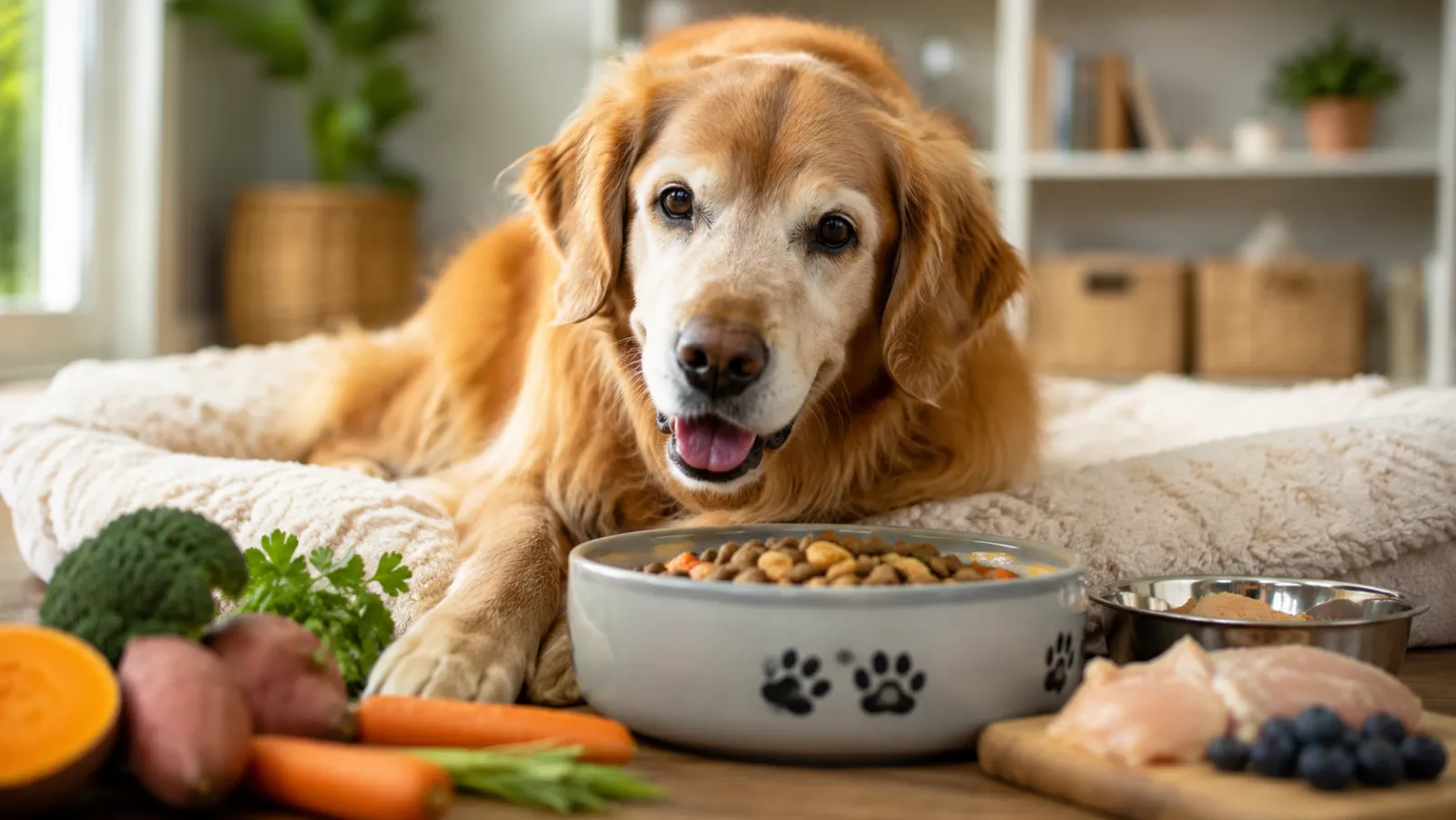
Providing your dog with proper nutrition is one of the most important responsibilities of pet ownership. Just like humans, dogs rely on a balance of nutrients to support growth, maintain healthy organs, strengthen the immune system, and provide energy for everyday activities. Feeding too little of one nutrient—or too much of another—can lead to health problems that affect your dog's quality of life.
Whether you have an energetic Labrador Retriever, a playful French Bulldog, a working German Shepherd, or a senior mixed-breed companion, every dog requires a complete and balanced diet. Understanding the role of proteins, fats, carbohydrates, vitamins, minerals, and water will help you make better feeding decisions and keep your furry friend healthy for years to come.
1. Protein: The Building Block of a Healthy Dog
Protein is one of the most essential nutrients in a dog's diet. It supports muscle growth, tissue repair, healthy skin, a shiny coat, hormone production, and a strong immune system. Every cell in your dog's body depends on protein to function properly.
Dogs require protein throughout every stage of life, but puppies, pregnant females, nursing mothers, and highly active dogs need even greater amounts. During periods of rapid growth or recovery from illness, adequate protein intake becomes even more important.
Why Protein Matters
Protein provides amino acids that cannot always be produced naturally by the body. These amino acids are responsible for repairing damaged tissues, maintaining muscles, supporting organ function, and producing enzymes and hormones.
Without enough protein, dogs may experience:
- Muscle loss
- Slow wound healing
- Poor coat condition
- Weak immune system
- Fatigue
- Delayed growth in puppies
Excellent Protein Sources
High-quality protein sources include:
- Chicken
- Turkey
- Beef
- Lamb
- Fish
- Eggs
Many premium commercial dog foods list real meat as the first ingredient, which is generally a good indicator of quality.
Plant proteins can contribute to nutrition, but animal proteins usually provide a more complete amino acid profile for dogs.
Choosing the Right Amount
The amount of protein your dog needs depends on:
- Age
- Breed
- Activity level
- Overall health
- Medical conditions
Working dogs and sporting breeds often require more protein than less active indoor companions.
2. Healthy Fats: Essential for Energy and Brain Function
Many people mistakenly think fat is unhealthy, but dietary fat is absolutely essential for dogs. Healthy fats provide concentrated energy while supporting the brain, nervous system, skin, and coat.
Fat also helps dogs absorb fat-soluble vitamins like A, D, E, and K.
Benefits of Healthy Fats
Healthy fats contribute to:
- Soft, shiny coats
- Healthy skin
- Brain development
- Eye health
- Hormone production
- Cell function
- Long-lasting energy
Dogs that consume too little fat may develop dry skin, brittle coats, and reduced energy levels.
Omega Fatty Acids
Omega-3 and Omega-6 fatty acids are especially beneficial.
Omega-3s help reduce inflammation and support:
- Joint health
- Brain function
- Heart health
- Skin health
Omega-6 fatty acids promote:
- Healthy skin
- Coat quality
- Immune function
Good sources include:
- Salmon
- Sardines
- Fish oil
- Flaxseed
- Chicken fat
Maintaining the proper balance between Omega-3 and Omega-6 fatty acids is more important than simply increasing one or the other.
3. Carbohydrates: A Valuable Energy Source
Although dogs don't require carbohydrates in the same way humans do, they can still benefit from digestible carbohydrates as part of a balanced diet.
Carbohydrates provide energy while supplying dietary fiber that supports digestive health.
Healthy Carbohydrate Sources
Nutritious carbohydrate ingredients include:
- Brown rice
- Oats
- Sweet potatoes
- Pumpkin
- Peas
- Barley
- Whole grains
These ingredients provide slow-release energy and important nutrients.
Benefits of Dietary Fiber
Fiber supports:
- Healthy digestion
- Regular bowel movements
- Weight management
- Blood sugar regulation
- Healthy gut bacteria
Pumpkin, for example, is commonly recommended by veterinarians to help dogs experiencing mild digestive upset.
Avoid foods loaded with excessive fillers or unnecessary refined carbohydrates that provide calories with limited nutritional value.
4. Vitamins: Small Nutrients with Big Responsibilities
Vitamins help regulate hundreds of important body processes.
Although dogs only need small amounts, vitamin deficiencies can lead to serious health problems.
Key Vitamins Every Dog Needs
Vitamin A
Supports:
- Vision
- Immune health
- Skin
- Reproduction
Vitamin D
Helps regulate:
- Calcium absorption
- Bone growth
- Muscle function
Unlike humans, dogs cannot produce enough Vitamin D through sunlight alone and depend on dietary sources.
Vitamin E
Acts as a powerful antioxidant by protecting cells from damage.
It also supports:
- Skin health
- Immune system
- Muscle function
Vitamin K
Essential for:
- Normal blood clotting
- Bone metabolism
B Vitamins
These vitamins help convert food into usable energy and support:
- Brain function
- Nervous system
- Red blood cell production
- Metabolism
A complete commercial diet generally provides all necessary vitamins in appropriate amounts.
5. Minerals: Supporting Bones, Muscles, and Organ Health
Minerals are equally important for maintaining a healthy body.
Dogs require both major minerals and trace minerals throughout life.
Important Minerals
Calcium
Necessary for:
- Strong bones
- Healthy teeth
- Muscle contractions
- Nerve signaling
Phosphorus
Works alongside calcium to maintain healthy bones and support energy production.
Magnesium
Supports:
- Muscle movement
- Heart function
- Nerve health
Potassium
Important for:
- Hydration
- Muscle activity
- Heart rhythm
Zinc
Helps with:
- Immune health
- Skin repair
- Wound healing
Iron
Required for healthy red blood cells that transport oxygen throughout the body.
Minerals must remain properly balanced. Too much supplementation can be just as harmful as deficiencies.
6. Water: The Most Important Nutrient of All
While proteins and vitamins receive much of the attention, water is arguably the single most essential nutrient.
Dogs can survive much longer without food than without water.
Water supports virtually every body function.
Why Water Is Essential
Water helps:
- Regulate body temperature
- Digest food
- Absorb nutrients
- Eliminate waste
- Lubricate joints
- Maintain circulation
- Protect organs
Even mild dehydration can affect your dog's energy and overall health.
Signs of Dehydration
Watch for:
- Dry gums
- Sunken eyes
- Lethargy
- Loss of appetite
- Thick saliva
- Reduced skin elasticity
Always provide unlimited access to fresh, clean drinking water.
During hot weather, exercise, or illness, dogs may require significantly more water.
Feed Complete and Balanced Diets
The simplest way to ensure your dog receives every essential nutrient is by feeding a complete and balanced commercial dog food that meets recognized nutritional standards.
These diets are carefully formulated to provide the proper balance of:
- Protein
- Fat
- Vitamins
- Minerals
- Carbohydrates
- Fiber
Homemade diets can work, but they require careful planning with veterinary guidance to avoid nutritional deficiencies.
Many homemade recipes found online fail to provide the correct nutrient balance.
Avoid Unnecessary Supplements
Many dog owners believe supplements automatically improve health, but this is not always true.
Healthy dogs eating complete commercial diets usually do not require additional vitamins or minerals.
Giving unnecessary supplements may actually create nutritional imbalances.
For example:
- Too much calcium can affect bone development in large-breed puppies.
- Excess Vitamin D can become toxic.
- Over-supplementation with certain minerals may interfere with nutrient absorption.
Supplements should only be used when recommended by your veterinarian for a specific medical condition.
Ensure Constant Access to Fresh Water
Hydration should never be overlooked.
Fresh water should always be available both indoors and outdoors.
To encourage drinking:
- Clean water bowls daily.
- Replace water frequently.
- Bring water during walks and travel.
- Offer additional water after exercise.
Some dogs enjoy pet fountains because moving water stays fresh and encourages more frequent drinking.
Adjust Nutrition According to Activity Level
Not every dog has the same nutritional needs.
A Border Collie working on a farm burns far more calories than a senior Chihuahua spending most of the day indoors.
Highly Active Dogs
Active dogs generally require:
- Higher calorie intake
- More protein
- Additional healthy fats
- Increased hydration
Examples include:
- Hunting dogs
- Sporting breeds
- Agility competitors
- Search-and-rescue dogs
Moderately Active Dogs
Most family pets fall into this category.
They require balanced nutrition without excessive calories.
Portion control is essential to prevent obesity.
Senior Dogs
Older dogs often benefit from diets that contain:
- Moderate calories
- Easily digestible protein
- Joint-supporting nutrients
- Controlled phosphorus when appropriate
- Added fiber
Regular veterinary checkups help determine whether dietary adjustments are needed.
Common Nutritional Mistakes Dog Owners Make
Even caring owners sometimes make feeding mistakes that affect their dog's long-term health.
Overfeeding
Providing too much food contributes to obesity, diabetes, arthritis, and heart disease.
Measure meals instead of guessing.
Too Many Treats
Treats should account for less than 10% of your dog's daily calorie intake.
Healthy alternatives include small portions of dog-safe fruits and vegetables recommended by your veterinarian.
Feeding Human Foods
Many human foods are unsafe for dogs.
Avoid feeding:
- Chocolate
- Grapes
- Raisins
- Onions
- Garlic
- Xylitol-containing products
- Alcohol
- Macadamia nuts
Always verify that any new food is safe before offering it.
Frequently Changing Diets
Constantly switching foods can upset your dog's digestive system.
When changing diets, transition gradually over 7–10 days by slowly mixing increasing amounts of the new food with the old food.
Recognizing Signs of Good Nutrition
A properly nourished dog usually displays several positive health indicators.
Healthy dogs generally have:
- Bright, clear eyes
- A shiny, soft coat
- Healthy skin
- Strong muscles
- Consistent energy levels
- Firm, regular stools
- Healthy body weight
- Good appetite
- Fresh breath
- Strong immune function
If you notice sudden weight changes, digestive issues, poor coat quality, or reduced energy, consult your veterinarian to rule out nutritional deficiencies or underlying medical conditions.
The Importance of Regular Veterinary Guidance
Nutrition is not one-size-fits-all.
A veterinarian can recommend the most appropriate diet based on your dog's:
- Age
- Breed
- Size
- Weight
- Medical history
- Lifestyle
- Allergies
- Activity level
Routine wellness exams help identify nutritional concerns before they become serious health problems.
As dogs age, their dietary needs naturally change, making regular nutritional evaluations increasingly valuable.
Final Thoughts
Every healthy dog depends on a balanced combination of protein, healthy fats, carbohydrates, vitamins, minerals, and plenty of fresh water. Each nutrient performs a unique role, from building strong muscles and supporting healthy organs to maintaining a shiny coat and providing the energy needed for daily life.
The best approach is simple: feed a complete and balanced diet, avoid unnecessary supplements, provide unlimited access to clean water, and adjust food portions based on your dog's age, activity level, and overall health. Small nutritional choices made today can have a lasting impact on your dog's well-being, helping them stay active, maintain a healthy weight, and enjoy a longer, happier life. With proper nutrition and regular veterinary care, you're giving your canine companion one of the greatest gifts possible—a strong foundation for lifelong health.