Every dog owner loves rewarding their furry companion with a tasty treat. Whether it's celebrating a successful training session, showing affection, or simply making your dog happy, treats play an important role in strengthening the bond between pets and their families. However, many owners unknowingly overfeed treats, offer unhealthy snacks, or develop inconsistent feeding habits that can negatively affect their dog's health.
Excessive treats, table scraps, and poor feeding routines are among the leading contributors to obesity, digestive problems, nutritional deficiencies, and even chronic diseases in dogs. According to veterinary experts, maintaining balanced feeding habits is just as important as choosing a high-quality dog food.
Fortunately, responsible feeding doesn't mean eliminating treats altogether. Instead, it's about selecting nutritious, low-calorie options, using treats with purpose, following a consistent feeding schedule, and avoiding foods that can harm your dog. Whether you have a playful puppy, an active adult dog, or a senior companion, healthy feeding habits lay the foundation for a longer, happier, and healthier life.
1. Choose Healthy, Low-Calorie Treats
Treats should complement your dog's diet—not replace it. Many commercial treats contain excessive calories, artificial preservatives, sugar, salt, and fillers that provide little nutritional value.
Why Healthy Treats Matter
Dogs require a carefully balanced diet consisting of protein, healthy fats, carbohydrates, vitamins, and minerals. Too many high-calorie treats can quickly upset this balance, leading to unwanted weight gain and poor nutrition.
For example, a medium-sized dog that receives several large biscuits every day may consume hundreds of extra calories without the owner realizing it. Over time, these additional calories increase the risk of obesity, diabetes, arthritis, and heart disease.
Healthy treats allow you to reward your dog without compromising their overall diet.
What Makes a Good Dog Treat?
Look for treats that are:
- Low in calories
- High in protein
- Made with real meat or natural ingredients
- Free from artificial colors and preservatives
- Appropriate for your dog's size and age
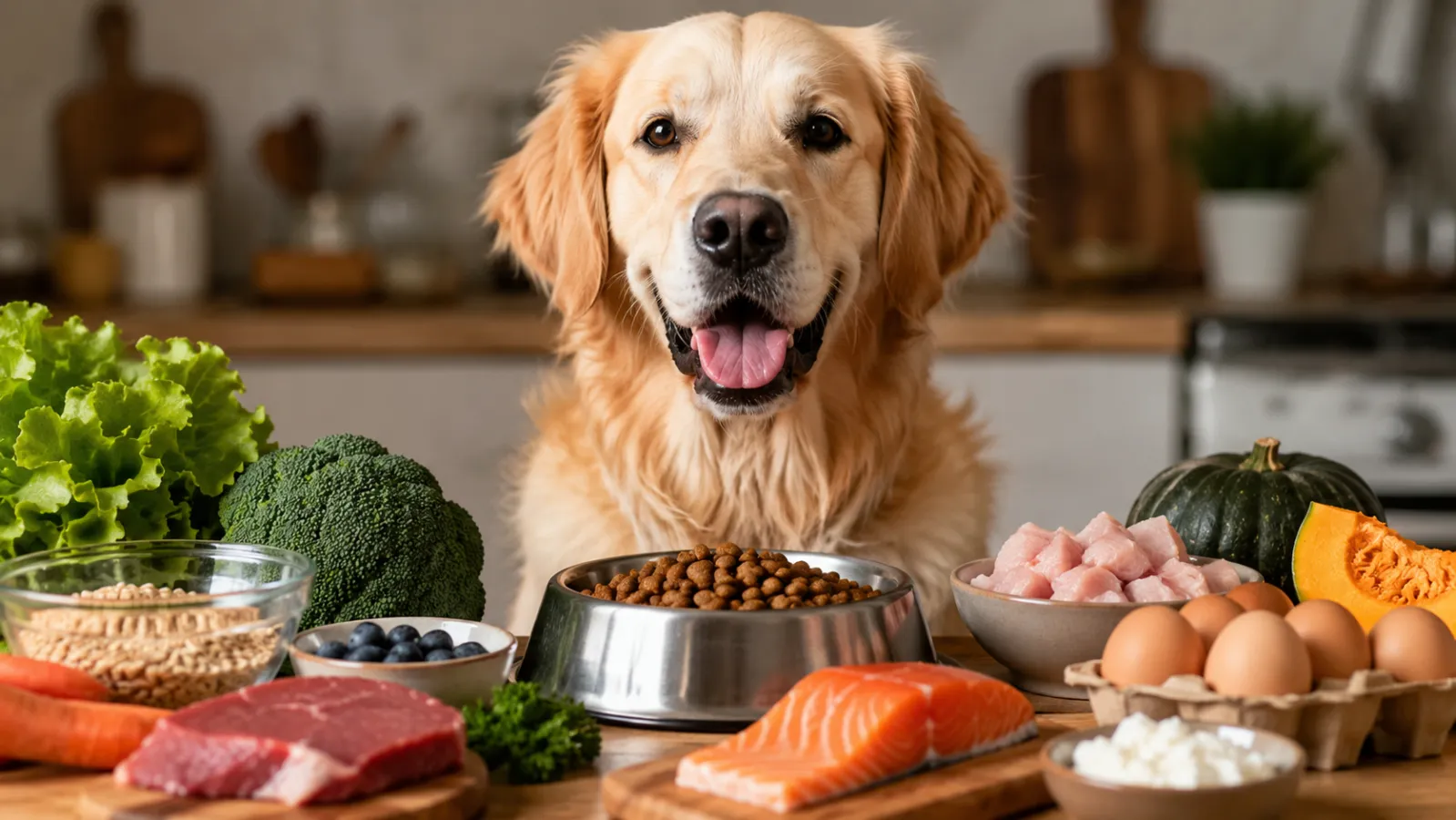
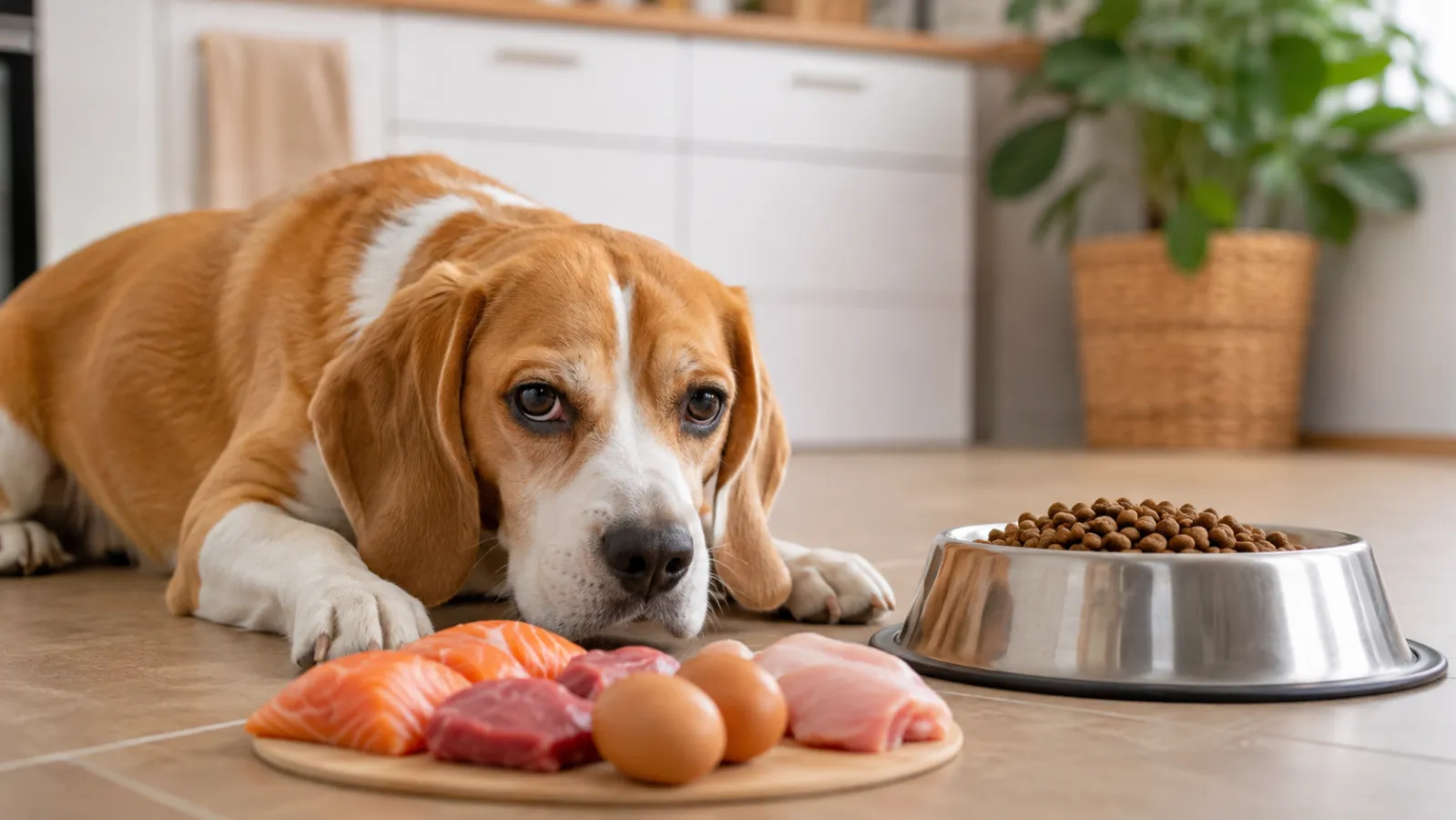
Single-ingredient treats like freeze-dried chicken, turkey, salmon, or beef liver are excellent choices because they contain minimal additives.
Healthy Homemade Treat Options
Many everyday foods make excellent dog treats when served safely.
Examples include:
- Carrot sticks
- Green beans
- Blueberries
- Apple slices (without seeds)
- Pumpkin
- Cucumber
- Plain cooked sweet potato
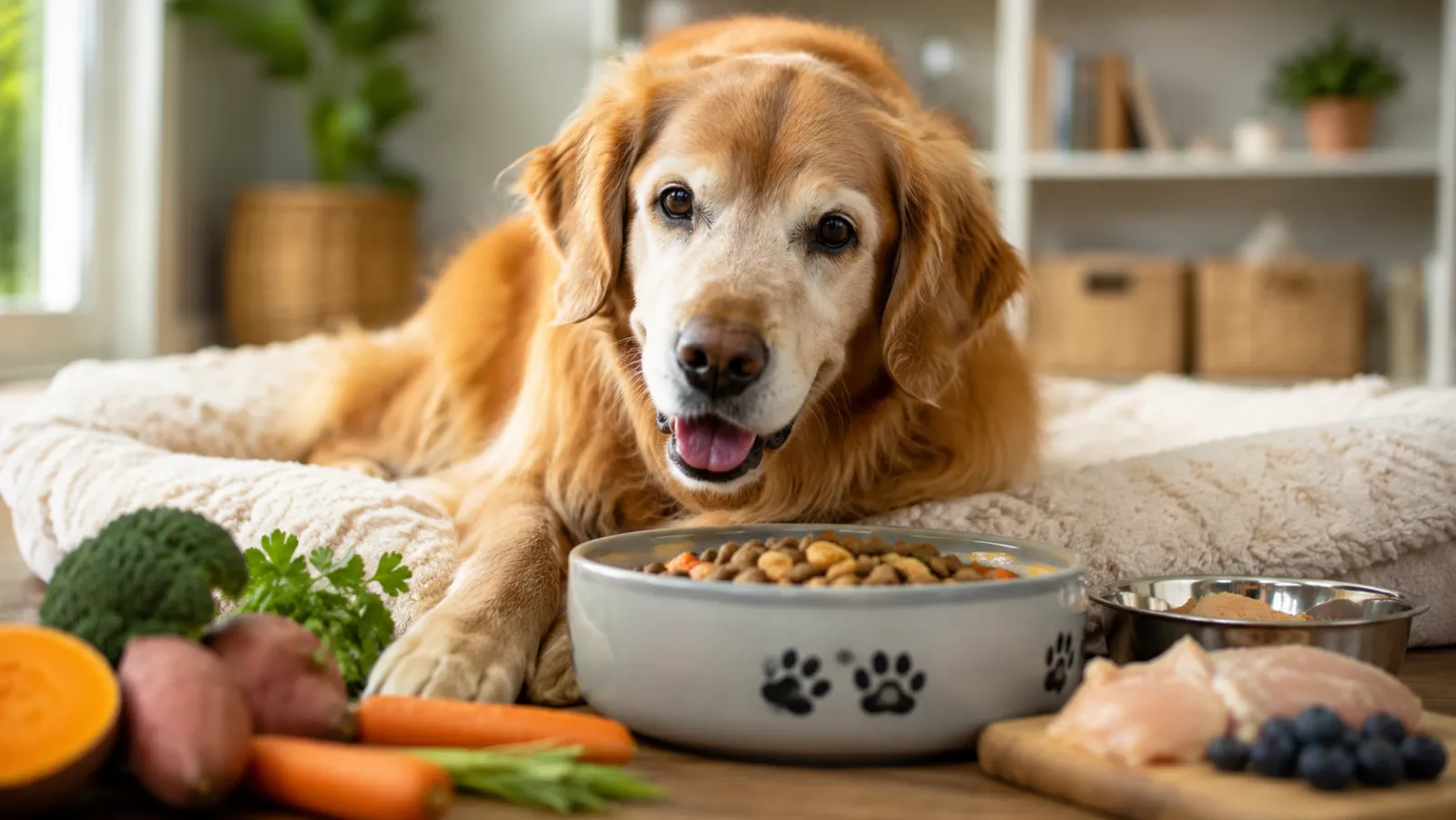
These foods provide vitamins, antioxidants, and fiber while keeping calorie intake relatively low.
Treat Size Matters
Owners often give treats that are much larger than necessary.
For training purposes, treats should be:
- Soft
- Easy to chew
- Pea-sized
- Quick to eat
Tiny rewards allow for frequent reinforcement without excessive calorie consumption.
2. Use Treats Primarily for Training and Positive Reinforcement
Treats are powerful teaching tools. Rather than offering snacks randomly throughout the day, use them to reinforce positive behavior.
Why Training Treats Work
Dogs naturally repeat behaviors that lead to positive outcomes.
When your dog sits, stays, comes when called, or walks politely on a leash and immediately receives a reward, they begin associating those actions with something enjoyable.
This learning process is called positive reinforcement and is considered the most effective training method by professional trainers and veterinarians.
Reward Good Behavior
Treats should reward behaviors such as:
- Sitting politely
- Coming when called
- Waiting patiently
- Walking calmly
- Going potty outside
- Following commands
- Calm behavior around visitors
Over time, treats can gradually be replaced with praise, affection, or toys once the behavior becomes reliable.
Avoid Treating Without Purpose
Many owners unintentionally reward unwanted behaviors.
Examples include:
- Giving treats to stop barking
- Offering snacks every time the dog begs
- Feeding treats out of guilt
- Handing out food simply because the dog looks cute
Dogs quickly learn patterns. If begging consistently results in food, they'll continue begging.
Purposeful treating creates better manners while protecting your dog's health.
Keep Treats Below 10% of Daily Calories
Veterinary nutritionists generally recommend that treats account for no more than 10% of your dog's total daily calorie intake.
The remaining 90% should come from a complete and balanced dog food.
This helps prevent nutritional imbalances while keeping your dog's weight under control.
3. Avoid Table Scraps
Sharing food from the dinner table may seem harmless, but it often creates more problems than benefits.
Why Table Scraps Are Dangerous
Human foods are typically much higher in:
- Salt
- Fat
- Sugar
- Seasonings
- Oils
Dogs process nutrients differently than humans, meaning foods that are perfectly safe for people may cause digestive upset or even toxicity in dogs.
Human Foods Dogs Should Never Eat
Avoid feeding:
- Chocolate
- Grapes
- Raisins
- Onions
- Garlic
- Xylitol (artificial sweetener)
- Alcohol
- Macadamia nuts
- Cooked bones
- Excessively fatty meats
These foods can cause poisoning, pancreatitis, intestinal blockage, or life-threatening complications.
Even Safe Foods Can Become Problems
Some owners assume that because cooked chicken or steak is safe, feeding leftovers regularly is acceptable.
However, leftover meals often contain:
- Butter
- Garlic
- Onion powder
- Rich sauces
- Heavy seasoning
These ingredients can upset your dog's digestive system.
Instead, prepare plain, unseasoned portions if you wish to occasionally share lean meat.
Prevent Begging
Table feeding encourages begging behaviors that quickly become difficult to eliminate.
To discourage begging:
- Feed your dog before family meals
- Ignore begging behavior
- Never reward whining
- Provide a chew toy during dinner
Consistency from every family member is essential.
4. Maintain a Consistent Feeding Schedule
Dogs thrive on routine.
Regular meal times improve digestion, help maintain healthy weight, and reduce anxiety around food.
Why Feeding Schedules Matter
Free-feeding—leaving food available all day—can make it difficult to:
- Monitor appetite
- Detect illness
- Control weight
- Prevent overeating
Scheduled meals help owners quickly notice changes in eating habits, which are often early signs of health problems.
Recommended Feeding Frequency
Different life stages require different schedules.
Puppies
Young puppies have smaller stomachs and higher energy needs.
Generally:
- 8–12 weeks: 4 meals daily
- 3–6 months: 3 meals daily
- 6–12 months: 2 meals daily
Adult Dogs
Most healthy adult dogs do well with:
- Two meals daily
- Approximately 10–12 hours apart
This routine helps regulate digestion and energy levels.
Senior Dogs
Older dogs often benefit from:
- Smaller portions
- Two or three meals daily
- Consistent meal times
Dogs with medical conditions should follow feeding schedules recommended by their veterinarian.
Portion Control Is Essential
Even healthy food becomes unhealthy when overfed.
Many owners estimate portion sizes rather than measuring them accurately.
Use Measuring Cups
Always measure food using:
- Standard measuring cups
- Kitchen scales
- Feeding guidelines provided by your veterinarian or food manufacturer
Avoid guessing.
Adjust for Activity Level
Highly active dogs generally require more calories than sedentary pets.
Factors influencing calorie needs include:
- Age
- Breed
- Weight
- Exercise level
- Health conditions
- Metabolism
Your veterinarian can help determine appropriate daily calorie intake.
Fresh Water Should Always Be Available
Nutrition isn't just about food.
Water is the most essential nutrient your dog needs every day.
Proper hydration supports:
- Digestion
- Circulation
- Temperature regulation
- Joint health
- Kidney function
- Nutrient absorption
Always provide:
- Clean water
- Fresh water daily
- Multiple bowls in larger homes
- Extra water during hot weather or exercise
Dogs eating dry kibble often drink more water than those consuming wet food.
Feeding Habits for Different Types of Dogs
Although every dog benefits from responsible feeding, nutritional needs vary.
Puppies
Growing puppies need:
- High-quality puppy food
- Frequent meals
- Controlled treats
- Slow introduction of new foods
Avoid excessive treats that may replace essential nutrients.
Active Dogs
Working dogs and athletic breeds burn more calories.
They benefit from:
- Higher protein intake
- Nutrient-dense meals
- Healthy training treats
- Adequate hydration
Senior Dogs
Older dogs often become less active.
Focus on:
- Lower-calorie treats
- Joint-supportive nutrients
- Easily digestible foods
- Weight management
Small Breeds
Small dogs have faster metabolisms but smaller stomachs.
Offer:
- Small treats
- Controlled portions
- Frequent but measured meals if recommended
Large Breeds
Large dogs are prone to obesity and joint disease.
Avoid excessive calorie intake and maintain lean body condition throughout life.
Common Feeding Mistakes Dog Owners Make
Even experienced owners sometimes develop habits that affect their dog's health.
1. Too Many Treats
Frequent snacking leads to hidden calorie overload.
2. Feeding from the Table
Creates begging and encourages unhealthy eating.
3. Inconsistent Meal Times
Can cause digestive upset and anxiety.
4. Overestimating Exercise
Many owners believe short walks burn enough calories to offset excessive treats.
Unfortunately, weight gain often occurs gradually.
5. Switching Foods Too Quickly
Sudden diet changes frequently cause diarrhea and stomach upset.
Transition gradually over 7–10 days by mixing increasing amounts of the new food with the old diet.
Healthy Alternatives to High-Calorie Treats
If your dog enjoys frequent rewards, consider healthier options.
Examples include:
- Baby carrots
- Green beans
- Frozen blueberries
- Small apple slices
- Plain pumpkin puree
- Ice cubes on hot days
- Freeze-dried meat treats
- Small pieces of cooked chicken
These alternatives provide satisfaction while reducing unnecessary calories.
Building Lifelong Healthy Feeding Habits
Responsible feeding is about more than choosing a premium dog food.
Daily habits shape your dog's long-term health.
A healthy routine includes:
- Measuring every meal
- Offering nutritious treats
- Using treats for training
- Avoiding table scraps
- Maintaining regular feeding times
- Monitoring body weight monthly
- Providing constant access to clean water
- Scheduling regular veterinary checkups
Small daily decisions have a lasting impact on your dog's quality of life.
Recognizing Signs of Overfeeding
Watch for signs that your dog may be receiving too much food.
Common indicators include:
- Weight gain
- Difficulty feeling the ribs
- Reduced energy
- Heavy panting during light activity
- Decreased mobility
- Frequent begging despite regular meals
If you notice these changes, consult your veterinarian before making major dietary adjustments.
Final Thoughts
Healthy treats and safe feeding habits are among the simplest yet most important ways to protect your dog's long-term health. While treats are an enjoyable part of life, they should always support—not replace—a balanced diet. Choosing nutritious, low-calorie rewards, using treats mainly for training, avoiding table scraps, and maintaining a consistent feeding schedule all contribute to a healthier weight, better digestion, and improved overall well-being.
Every dog is unique, and their nutritional needs change throughout life. Puppies require frequent, nutrient-rich meals, active dogs need fuel for their energy levels, and senior dogs often benefit from lower-calorie diets with controlled portions. By measuring meals carefully, providing fresh water at all times, and working with your veterinarian to adjust your dog's diet as needed, you can help prevent obesity, digestive issues, and nutritional imbalances.
Responsible feeding isn't about denying your dog the joy of treats—it's about making smarter choices that support a long, active, and happy life. With consistency, moderation, and healthy habits, every meal becomes an opportunity to care for your dog's health while strengthening the bond you share.