Walking your dog should be one of the most enjoyable parts of pet ownership. Unfortunately, for many dog owners across North America, daily walks become frustrating because their dog constantly pulls on the leash. Whether you have an energetic Labrador Retriever, a curious Beagle, or a powerful Siberian Husky, leash pulling is one of the most common behavior complaints among dog owners.
The good news is that pulling isn't a sign of a stubborn or "bad" dog. Most dogs pull simply because they're excited to explore the world, and they naturally walk faster than humans. With consistent training, the right equipment, and positive reinforcement, almost every dog can learn to walk politely on a loose leash.
This guide covers everything you need to know about teaching loose-leash walking, selecting the right leash and harness, rewarding good behavior, avoiding punishment, and handling distractions during walks.
Why Dogs Pull on the Leash
Understanding why your dog pulls is the first step toward solving the problem.
Dogs are naturally curious. Every walk introduces new scents, sounds, people, and animals. When your dog discovers that pulling gets them closer to something interesting, the behavior becomes rewarding. Every successful pull teaches them that pulling works.
Common reasons dogs pull include:
- Excitement before and during walks
- Lack of leash training
- Excess energy
- Desire to greet people or dogs
- Following interesting scents
- Inconsistent training
Remember that dogs don't instinctively know how to walk politely beside humans. Loose-leash walking is a learned skill that requires practice.
Start Leash Training Early
The best time to begin leash training is as soon as your puppy comes home. Puppies learn quickly, and early experiences shape lifelong habits.
If you adopt an older dog, don't worry. Adult dogs are fully capable of learning loose-leash walking with patience and consistency.
Start by letting your dog wear a properly fitted collar or harness around the house for short periods. Once they're comfortable, attach a lightweight leash and allow them to walk around indoors before heading outside.
This gradual introduction helps reduce anxiety and builds confidence.
Understanding Loose-Leash Walking
Loose-leash walking doesn't mean your dog must stay perfectly beside you at all times.
Instead, it means:
- The leash remains loose.
- Your dog checks in with you.
- Your dog walks without dragging you forward.
- Walks stay relaxed and enjoyable.
Allowing your dog some freedom to sniff while maintaining leash manners creates a balanced and rewarding walk.
Choosing the Right Leash and Harness
The equipment you use plays a significant role in training success.
Standard Leash
A standard leash between 4 and 6 feet long is ideal for everyday training.
Benefits include:
- Better control
- Safe walking distance
- Easier communication
- Reduced tangling
Avoid retractable leashes while teaching leash manners. They encourage constant tension and reward pulling by giving dogs more distance whenever they pull.
Front-Clip Harness
A front-clip harness is one of the best tools for dogs that pull.
Advantages include:
- Reduces pulling force
- Redirects your dog's body toward you
- Protects the neck
- Comfortable for daily walks
Many trainers recommend front-clip harnesses for beginners because they encourage better walking habits without causing pain.
Back-Clip Harness
Back-clip harnesses work well for dogs that already walk politely but may encourage pulling in dogs still learning because they allow them to use their full body strength.
Flat Collar
A regular flat collar works well for dogs with good leash manners but should not be relied upon for correcting pulling.
Avoid excessive leash jerks that may injure your dog's neck.
Begin Training Indoors
Your living room offers fewer distractions than the outdoors.
Practice by walking a few steps with your dog beside you.
The moment the leash stays loose:
- Say "Yes!" or use a clicker.
- Give a small treat.
- Continue walking.
Repeat this several times.
Once your dog succeeds indoors, gradually move to your yard, driveway, and eventually quiet streets.
Stop and Reward Method
One of the most effective techniques for teaching loose-leash walking is simply stopping when your dog pulls.
Here's how:
- Begin walking.
- The moment your dog pulls, stop moving.
- Remain still.
- Wait for your dog to turn back or loosen the leash.
- Reward immediately.
- Continue walking.
Your dog soon learns an important lesson:
Pulling makes the walk stop. Loose leash walking makes the walk continue.
This method requires patience but is extremely effective over time.
Reward Every Good Choice
Dogs repeat behaviors that earn rewards.
Reward your dog whenever they:
- Walk beside you
- Look at you voluntarily
- Keep the leash loose
- Return after sniffing
- Slow down when asked
Rewards may include:
- Small treats
- Verbal praise
- Petting
- Toys
- Permission to sniff
Food rewards are especially useful during early training because they provide immediate motivation.
Change Direction Frequently
If your dog consistently charges ahead, surprise them by changing direction.
Simply turn around and walk the opposite way.
When your dog catches up:
- Praise them.
- Offer a reward.
- Continue walking.
This teaches your dog that paying attention to you is more rewarding than pulling ahead.
Teach Your Dog to Check In
A dog that frequently checks in with their owner naturally walks better.
Encourage eye contact by rewarding your dog whenever they voluntarily look at you during walks.
Over time, your dog begins monitoring your movements instead of constantly focusing on distractions.
Walking Through Distractions
Real-world walks include countless distractions.
Common distractions include:
- Other dogs
- Squirrels
- Birds
- Children
- Cyclists
- Cars
- Strong smells
- Busy parks
Rather than avoiding distractions forever, gradually teach your dog to remain calm around them.
Start Small
Practice in quiet neighborhoods before visiting busy parks.
As your dog's focus improves, slowly increase the difficulty.
This gradual approach prevents overwhelming your dog.
Use High-Value Rewards
In highly distracting environments, ordinary treats may not be enough.
Consider using:
- Small chicken pieces
- Turkey
- Cheese
- Freeze-dried liver
- Favorite soft treats
Higher-value rewards help your dog choose you over distractions.
Increase Distance
If your dog becomes overly excited by another dog or person, simply create more distance.
Training is much easier when your dog remains below their excitement threshold.
As they improve, you can gradually move closer.
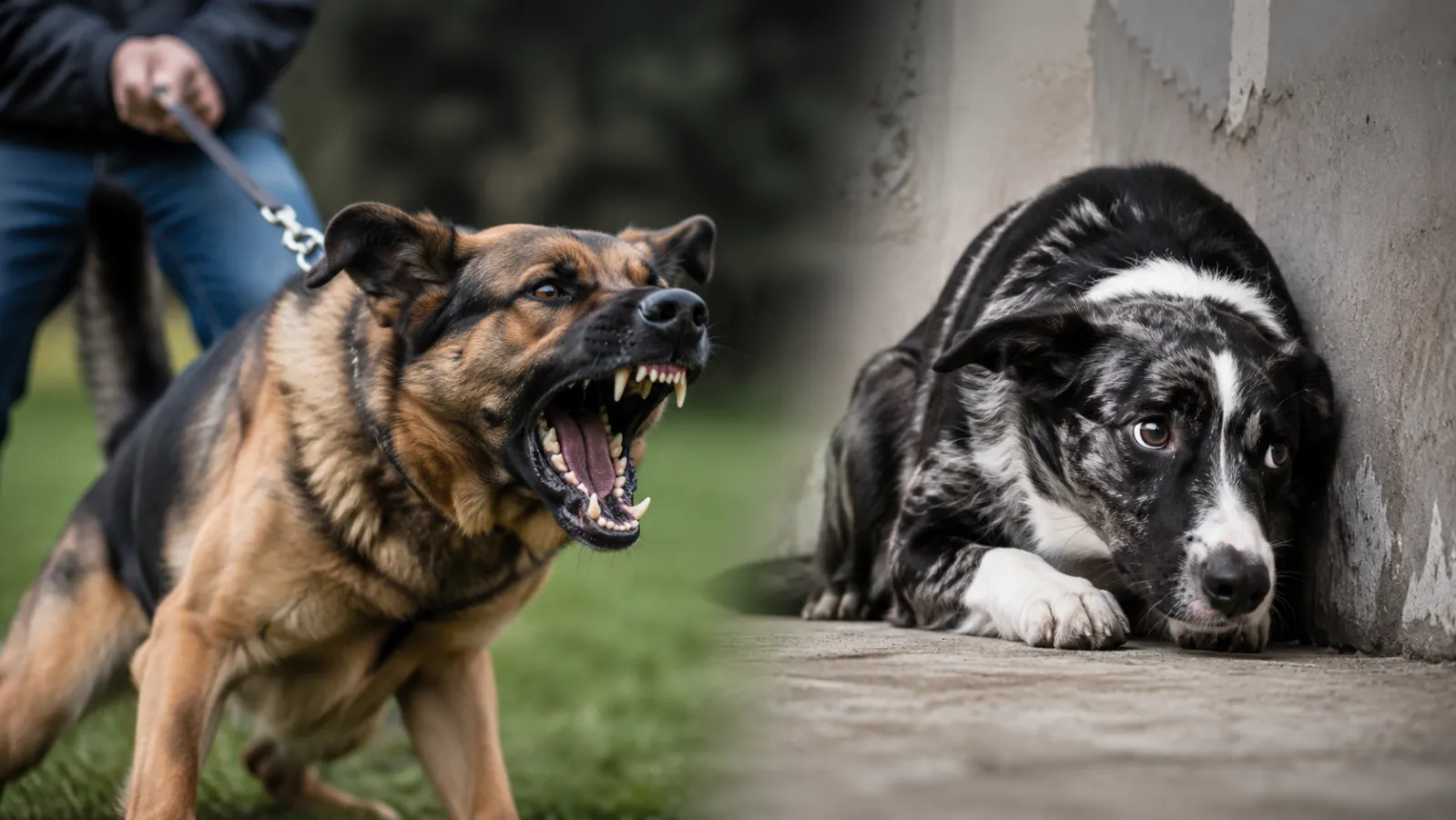
Avoid Punishment-Based Training
Many owners become frustrated when their dog pulls.
However, punishment often creates more problems than it solves.
Avoid:
- Choke chains
- Prong collars without professional guidance
- Yelling
- Hitting
- Alpha-roll techniques
- Harsh leash jerks
Punishment may cause:
- Fear
- Anxiety
- Reduced trust
- Aggression
- Negative associations with walks
Instead, focus on teaching the behavior you want.
Positive reinforcement creates confident, willing learners.
Burn Energy Before the Walk
Some dogs pull simply because they have too much energy.
Before longer walks, try:
- Fetch
- Tug games
- Puzzle toys
- Basic obedience practice
- Nose work games
A slightly tired dog often focuses much better during training.
Keep Training Sessions Short
Long walks can overwhelm young puppies and inexperienced dogs.
Instead:
- Practice for 10–15 minutes.
- End while your dog is successful.
- Repeat daily.
Frequent short sessions produce better results than occasional marathon walks.
Common Mistakes Dog Owners Make
Walking Too Fast
Give your dog opportunities to sniff and explore appropriately.
Constant rushing increases pulling.
Being Inconsistent
Everyone walking the dog should follow the same rules.
If one family member allows pulling while another doesn't, training becomes confusing.
Pulling Back Constantly
Many owners unknowingly keep tension on the leash.
Instead, maintain a relaxed leash whenever possible.
Expecting Instant Results
Loose-leash walking takes weeks or even months of consistent practice.
Celebrate gradual improvements.
Breed Differences
Every dog can learn loose-leash walking, although some breeds require additional patience.
Sporting Breeds
Examples:
- Labrador Retriever
- Golden Retriever
Generally eager to please and food motivated.
Herding Breeds
Examples:
- Border Collie
- Australian Shepherd
Highly intelligent but need mental stimulation along with walks.
Hounds
Examples:
- Beagle
- Basset Hound
Often become distracted by scents.
Allow designated sniffing breaks while reinforcing leash manners.
Working Breeds
Examples:
- German Shepherd
- Doberman
- Boxer
Benefit from structured training and consistent leadership.
Northern Breeds
Examples:
- Husky
- Malamute
Naturally enjoy pulling due to their breeding history.
Training requires patience, repetition, and plenty of exercise.
Teaching a "Let's Go" Cue
Choose a simple cue such as:
- Let's go
- With me
- Walk
Say the cue before you begin moving.
Reward your dog whenever they respond correctly.
Eventually, the verbal cue reminds your dog to focus on you.
Should Dogs Be Allowed to Sniff?
Absolutely.
Sniffing is mentally enriching and reduces stress.
Instead of expecting a perfect heel for the entire walk, alternate between:
- Structured walking
- Sniff breaks
- Play
- Training
This creates happier, more satisfying walks for both you and your dog.
When to Seek Professional Help
Some dogs struggle due to fear, anxiety, or reactivity.
Consider working with a certified positive reinforcement trainer if your dog:
- Lunges aggressively
- Shows fear toward people or dogs
- Becomes impossible to control
- Pulls so hard that safety becomes a concern
- Has not improved despite consistent training
Professional guidance can significantly speed up progress.
Creating a Daily Walking Routine
Consistency builds good habits.
A simple routine might include:
- Brief play session before the walk
- Five minutes of loose-leash practice
- Regular walking with occasional sniff breaks
- Rewards for good choices
- Calm return home
Daily repetition helps your dog understand expectations and reinforces positive behavior.
Final Thoughts
Leash pulling is one of the most common challenges dog owners face, but it's also one of the most rewarding behaviors to improve. Teaching your dog to walk calmly on a loose leash takes patience, consistency, and positive reinforcement—not force or punishment.
Start with the right equipment, practice in low-distraction environments, reward every success, and gradually introduce more challenging situations. Remember that every dog learns at their own pace, whether they're a young puppy or an adult rescue.
With regular practice, calm guidance, and plenty of encouragement, your dog will learn that staying close to you is more rewarding than pulling ahead. The result is safer, more enjoyable walks, a stronger bond between you and your dog, and a lifetime of stress-free adventures together.