As a dog owner, it's natural to want to share your favorite foods with your furry companion. Those pleading eyes at the dinner table can make it difficult to say no. However, many foods that are perfectly safe for humans can be extremely dangerous—even deadly—for dogs. Knowing which foods are safe and which should never be offered is one of the most important responsibilities of responsible pet ownership.
While some fruits and vegetables provide healthy vitamins and minerals, other common household foods such as chocolate, grapes, onions, and xylitol-containing products can cause severe poisoning. Learning the difference can help prevent emergency veterinary visits and protect your dog's long-term health. This guide explains the foods dogs can and cannot eat, common signs of poisoning, and practical steps to keep your pet safe.
Why Human Foods Can Be Dangerous for Dogs
Dogs process food differently than humans. Their digestive systems, liver enzymes, and metabolism are not designed to handle many ingredients commonly found in our meals.
Some foods may cause only mild digestive upset, while others can damage the kidneys, liver, nervous system, or heart. Even small amounts of certain toxins can become life-threatening depending on your dog's size, age, and overall health.
The safest approach is to feed a nutritionally complete dog food while offering only veterinarian-approved treats and dog-safe fruits or vegetables in moderation.
1. Learn Which Human Foods Are Toxic
Understanding dangerous foods is the first step toward preventing accidental poisoning.
Chocolate
Chocolate is one of the most well-known toxic foods for dogs.
It contains theobromine and caffeine, substances dogs cannot metabolize efficiently. Dark chocolate and baking chocolate contain much higher concentrations than milk chocolate, making them especially dangerous.
Possible symptoms include:
- Vomiting
- Diarrhea
- Restlessness
- Rapid heart rate
- Tremors
- Seizures
- Collapse
Even a relatively small amount can become an emergency, particularly for small dogs.
Grapes and Raisins
Although scientists still don't fully understand why, grapes and raisins can cause sudden kidney failure in some dogs.
Interestingly, some dogs appear unaffected while others become critically ill after eating only a few grapes.
Warning signs include:
- Vomiting
- Lethargy
- Loss of appetite
- Increased thirst
- Reduced urination
- Kidney failure
Because there's no safe amount, grapes and raisins should never be offered.
Onions, Garlic, Chives, and Leeks
These vegetables belong to the Allium family and can damage a dog's red blood cells.
Whether raw, cooked, powdered, or dehydrated, they may eventually lead to anemia.
Common symptoms include:
- Weakness
- Pale gums
- Fast breathing
- Fatigue
- Reduced appetite
Many soups, sauces, seasonings, and prepared foods contain onion or garlic powder, making accidental exposure common.
Xylitol
Xylitol is an artificial sweetener commonly found in:
- Sugar-free gum
- Sugar-free candy
- Peanut butter
- Toothpaste
- Baked goods
- Mouthwash
In dogs, xylitol causes a rapid release of insulin, leading to dangerously low blood sugar within minutes.
It may also cause liver failure.
Symptoms include:
- Weakness
- Vomiting
- Staggering
- Tremors
- Collapse
- Seizures
Xylitol poisoning requires immediate emergency veterinary care.
Alcohol
Dogs are far more sensitive to alcohol than humans.
Even small amounts may cause:
- Vomiting
- Difficulty walking
- Confusion
- Low body temperature
- Breathing difficulties
- Coma
Alcohol can also be found in raw bread dough, fermented foods, and some desserts.
Caffeine
Coffee, tea, energy drinks, caffeine pills, and certain supplements all contain stimulants that can seriously affect dogs.
Symptoms may include:
- Hyperactivity
- Restlessness
- Increased heart rate
- Tremors
- Seizures
Keep all caffeinated products well out of reach.
Macadamia Nuts
Macadamia nuts are particularly toxic to dogs.
Although the exact toxin remains unknown, ingestion may cause:
- Weakness
- Vomiting
- Tremors
- Fever
- Difficulty walking
Recovery usually occurs with veterinary treatment, but immediate care is still recommended.
Avocado
Avocados contain persin, a substance that can upset a dog's digestive system.
The large pit also creates a choking hazard and may cause intestinal blockage.
Small amounts of avocado flesh are less dangerous than the pit and skin, but it's generally best to avoid feeding avocados altogether.
Raw Bread Dough
Raw yeast dough continues expanding inside the stomach.
It may:
- Cause painful bloating
- Twist the stomach
- Produce alcohol during fermentation
Both complications are medical emergencies.
Fatty Foods
Greasy table scraps such as:
- Bacon
- Fried chicken
- Sausage
- Fat trimmings
can trigger pancreatitis, an extremely painful inflammation of the pancreas.
Symptoms include:
- Vomiting
- Severe abdominal pain
- Diarrhea
- Loss of appetite
- Fever
2. Human Foods Dogs Can Safely Eat
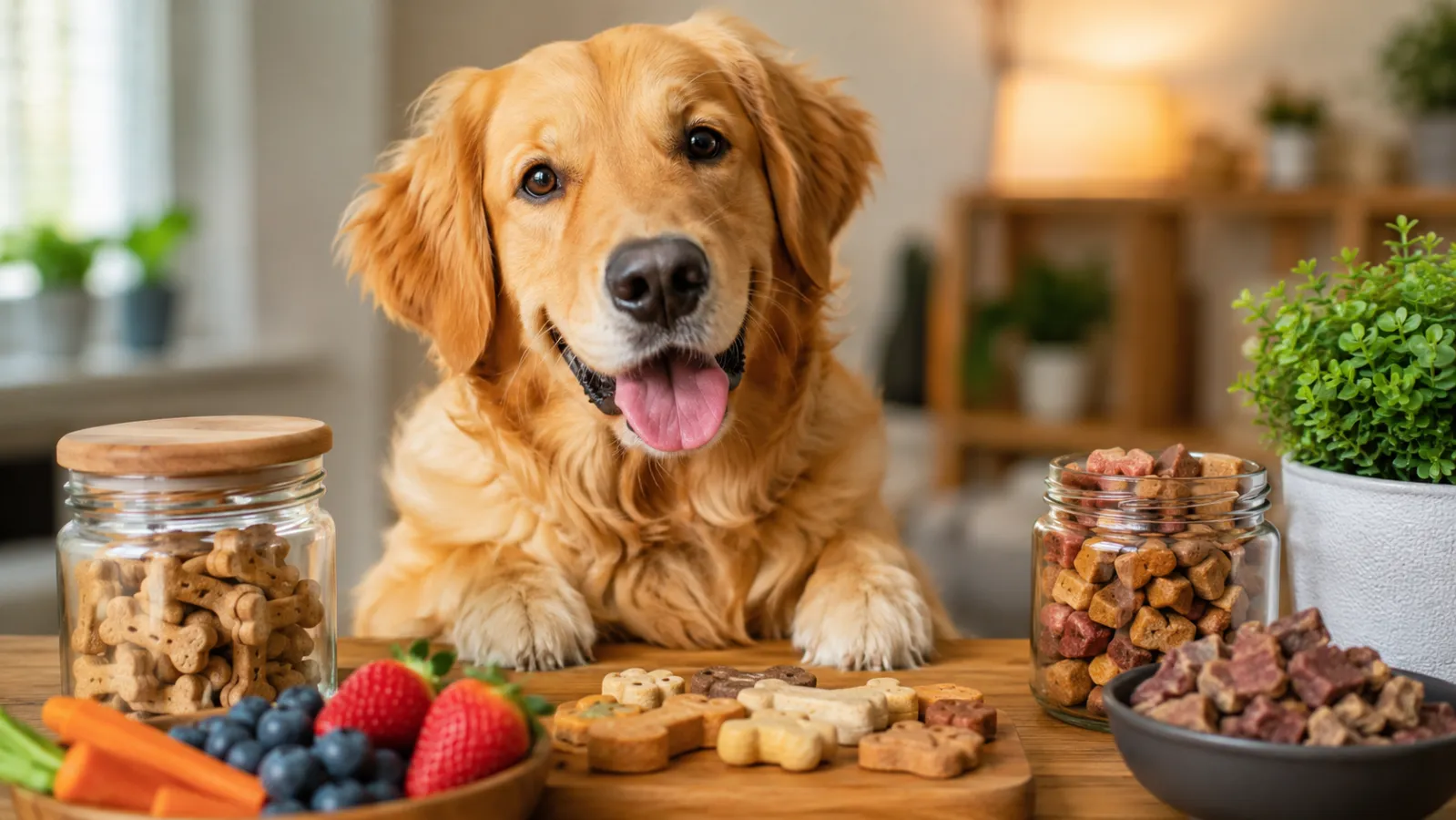
Not every human food is harmful. Many fresh foods can make healthy treats when fed in moderation.
Safe Fruits
Several fruits provide vitamins, antioxidants, and hydration.
Dog-safe fruits include:
- Apples (without seeds)
- Blueberries
- Strawberries
- Watermelon (seedless)
- Bananas
- Cantaloupe
- Pears (without seeds)
Always wash fruit thoroughly and remove pits, stems, and seeds before serving.
Safe Vegetables
Many vegetables are low-calorie snacks that provide fiber and nutrients.
Healthy options include:
- Carrots
- Green beans
- Cucumbers
- Pumpkin
- Sweet potatoes
- Broccoli (small portions)
- Zucchini
- Peas
Serve vegetables plain without butter, salt, garlic, or onion seasoning.
Lean Proteins
Cooked lean meats can make excellent treats.
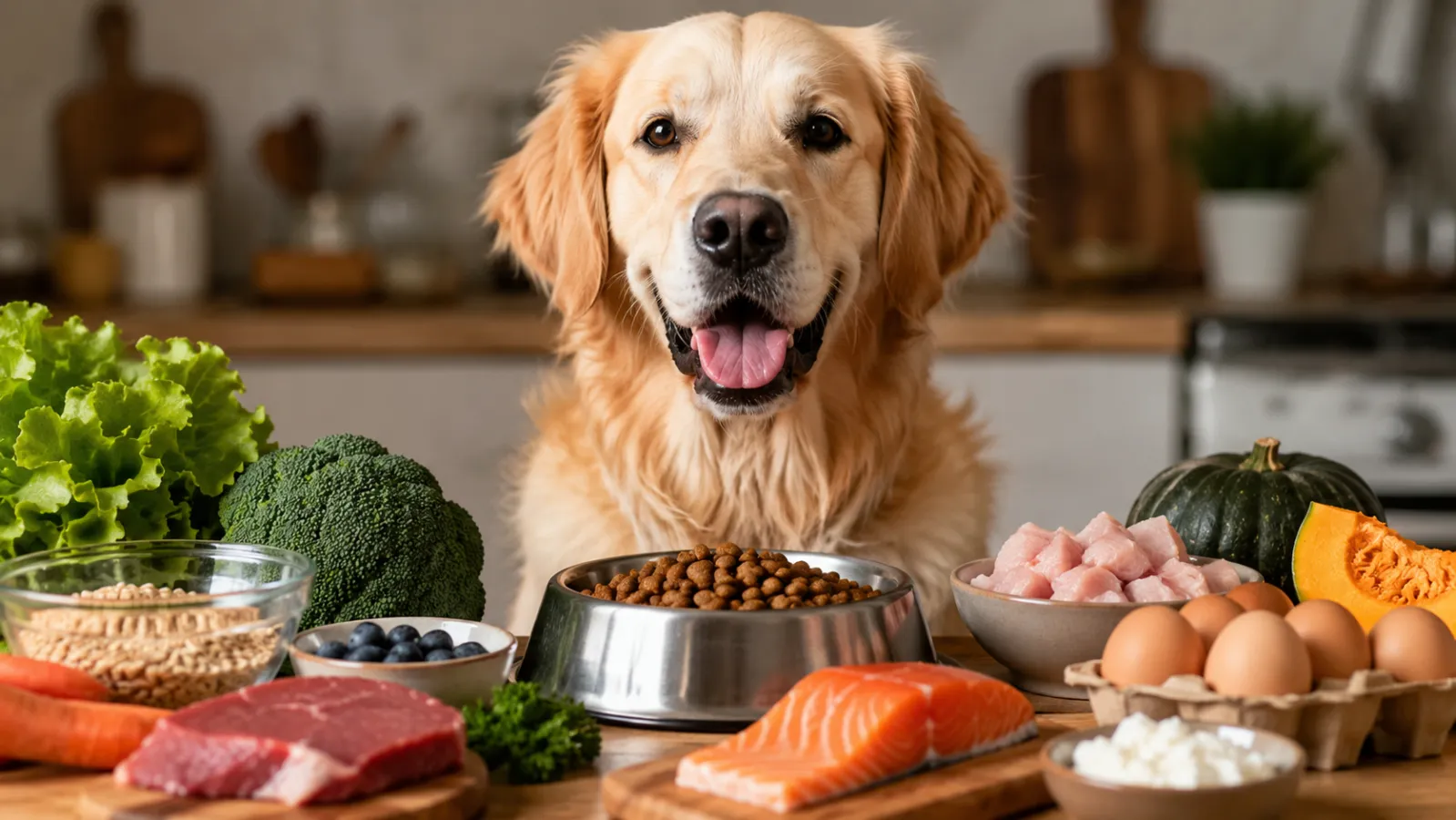
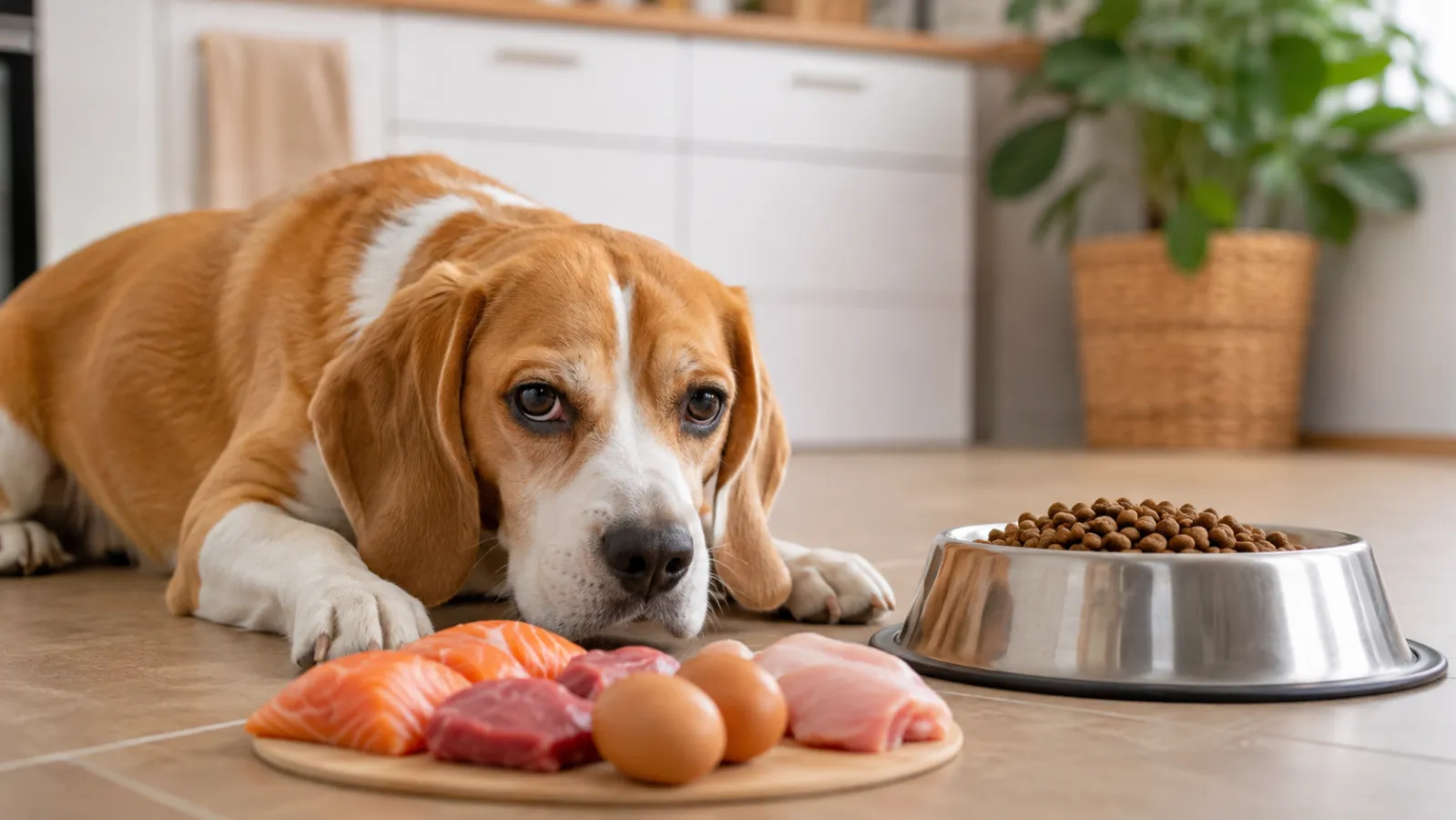
Safe choices include:
- Chicken
- Turkey
- Lean beef
- Pork (plain)
- Salmon
- White fish
Avoid:
- Bones
- Heavy seasoning
- Garlic
- Onion
- Rich sauces
Eggs
Cooked eggs are highly nutritious and provide:
- Protein
- Healthy fats
- Vitamins
- Minerals
Never feed raw eggs due to the risk of bacterial contamination.
Plain Rice and Oatmeal
Plain cooked rice and oatmeal are gentle on the digestive system and are often recommended during temporary stomach upset.
Avoid flavored instant varieties containing sugar or artificial sweeteners.
Plain Yogurt
Unsweetened plain yogurt may provide beneficial probiotics.
However, some dogs are lactose intolerant, so introduce dairy slowly and in small amounts.
3. Keep Dangerous Foods Out of Reach
Prevention is far easier than treating poisoning.
Many poisoning cases happen because curious dogs access food left unattended.
Practical safety tips include:
- Store food in sealed containers.
- Keep countertops clean.
- Never leave chocolate on coffee tables.
- Secure trash cans with tight-fitting lids.
- Teach children not to feed table scraps.
- Store medications separately from food.
- Check ingredient labels before sharing snacks.
Dogs are excellent problem solvers and can easily open cabinets, bags, and backpacks if food is accessible.
4. Feed Only Dog-Safe Fruits and Vegetables
Many owners enjoy sharing healthy snacks with their pets.
While that's perfectly acceptable, moderation remains important.
Even safe foods should make up only a small portion of your dog's daily calorie intake.
Generally:
- Introduce one new food at a time.
- Watch for digestive upset.
- Cut food into bite-sized pieces.
- Remove seeds, pits, and cores.
- Wash produce thoroughly.
Balanced commercial dog food should remain your dog's primary source of nutrition.
Portion Control Matters
Healthy foods can still contribute to obesity if overfed.
Treats—including fruits and vegetables—should account for less than 10% of your dog's daily calories.
Overfeeding healthy snacks may reduce your dog's appetite for complete and balanced dog food.
Common Signs of Food Poisoning
Recognizing symptoms early can save your dog's life.
Watch for:
- Vomiting
- Diarrhea
- Drooling
- Weakness
- Tremors
- Seizures
- Difficulty breathing
- Pale gums
- Collapse
- Excessive thirst
- Loss of coordination
- Loss of appetite
Some toxins produce symptoms within minutes, while others may take several hours or even days.
Never wait for symptoms if you know your dog has eaten a toxic food.
What To Do If Your Dog Eats Something Toxic
Quick action is critical.
If you suspect poisoning:
Stay Calm
Panicking can delay treatment.
Try to determine:
- What was eaten?
- Approximately how much?
- When did it happen?
Remove Access
Prevent your dog from eating any more of the food.
Keep wrappers, containers, or packaging for identification.
Contact Your Veterinarian Immediately
Even if your dog appears normal, immediate advice is essential.
Some toxins cause internal damage long before visible symptoms appear.
Follow your veterinarian's instructions carefully.
Do Not Induce Vomiting Without Professional Advice
Certain substances can cause additional damage if vomited.
Only induce vomiting if specifically instructed by a veterinary professional.
Monitor Your Dog Carefully
While traveling to the veterinary clinic, monitor:
- Breathing
- Alertness
- Walking ability
- Vomiting frequency
- Seizure activity
Prompt treatment significantly improves outcomes.
Foods That Are Often Misunderstood
Some foods fall into a gray area where small amounts may not be highly toxic but still aren't ideal.
These include:
Cheese
Safe in moderation but high in fat.
Peanut Butter
Generally safe if it contains no xylitol.
Popcorn
Plain air-popped popcorn is acceptable occasionally.
Bread
Plain bread is safe in small amounts but offers little nutritional value.
Corn
Cooked corn kernels are safe, but corn cobs can cause intestinal blockages.
Coconut
Small amounts are usually safe but may cause digestive upset if overfed.
Building Healthy Feeding Habits
Good nutrition involves more than avoiding toxic foods.
Healthy habits include:
- Feeding a balanced dog food.
- Measuring portions accurately.
- Limiting treats.
- Providing fresh drinking water.
- Reading ingredient labels carefully.
- Keeping feeding schedules consistent.
- Consulting your veterinarian before changing diets.
A healthy routine supports digestion, weight management, and overall wellness throughout your dog's life.
Common Mistakes Dog Owners Make
Even experienced owners sometimes make feeding mistakes.
Avoid these common errors:
Feeding Table Scraps Daily
Rich foods increase obesity and digestive problems.
Assuming "Natural" Means Safe
Many natural foods—including grapes and onions—are highly toxic.
Letting Dogs Clean Plates
Leftover seasonings, sauces, garlic, onions, and fats can all be harmful.
Forgetting Holiday Foods
Holidays often bring dangerous foods within easy reach, including chocolate, raisins, alcohol, rich desserts, and cooked bones.
Ignoring Small Exposures
Even tiny amounts of xylitol or dark chocolate can become emergencies for small dogs.
Final Thoughts
Sharing food with your dog can be a loving gesture, but it should always be done safely. Many everyday human foods—including chocolate, grapes, onions, xylitol, alcohol, and macadamia nuts—can cause serious illness or even become life-threatening. Fortunately, there are also plenty of healthy options such as carrots, blueberries, apples, pumpkin, green beans, and lean cooked meats that can be enjoyed as occasional treats.
The best way to protect your dog is through prevention. Learn which foods are toxic, keep dangerous items securely stored, offer only dog-safe fruits and vegetables in moderation, and seek immediate veterinary care if poisoning is suspected. By making informed feeding choices, you'll help your dog stay healthy, happy, and safe for years to come.