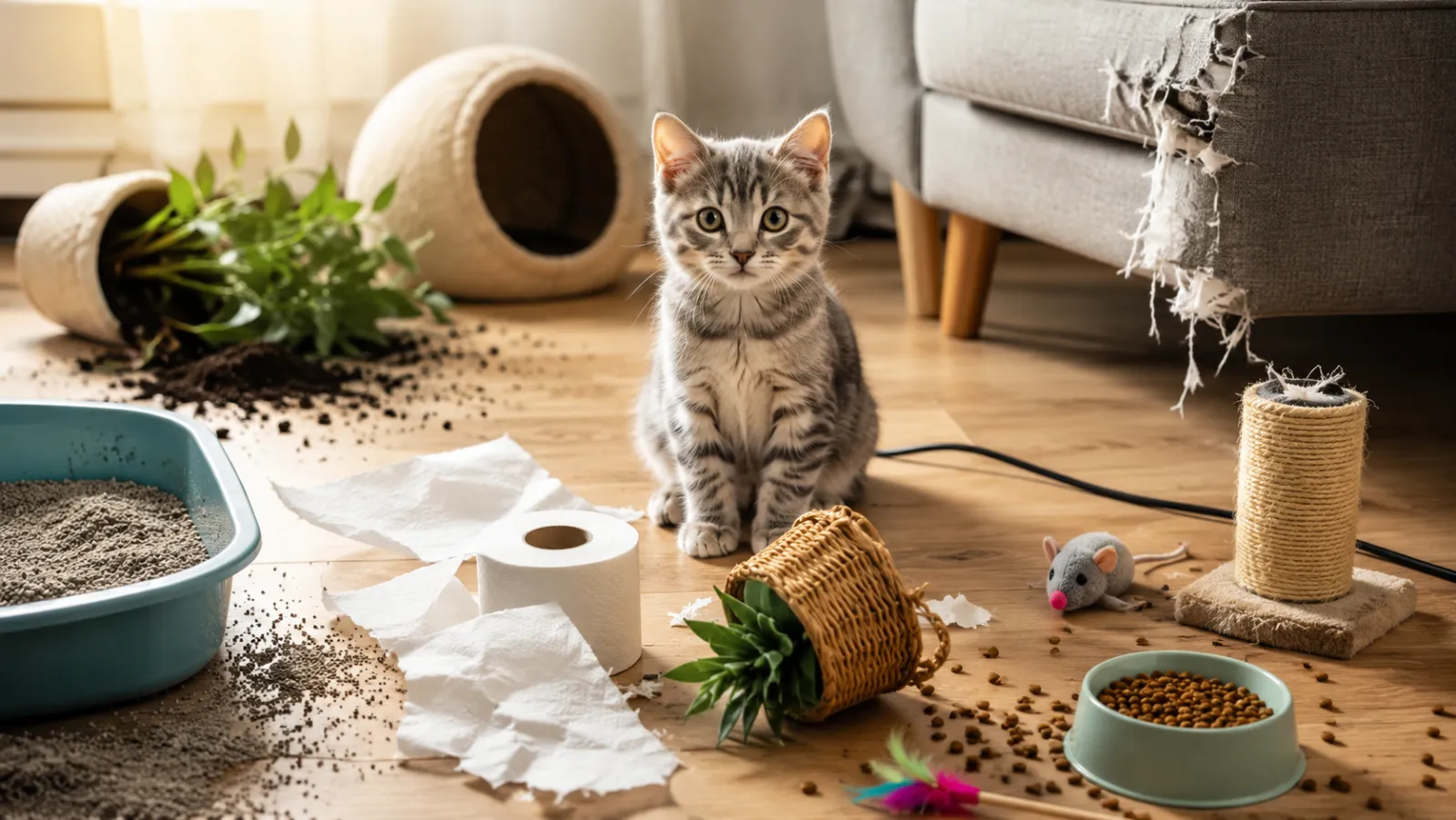
Bringing a cat home for the first time is an exciting milestone, but your preparation before your new companion arrives can make a huge difference in how quickly they feel comfortable. Cats are naturally curious animals that love to climb, squeeze into small spaces, and explore every corner of their surroundings. Unfortunately, many everyday household items can become safety hazards if your home isn't properly prepared.
Creating a cat-friendly home isn't just about buying toys and food bowls. It means removing potential dangers, setting up safe spaces, and making your home a calm environment where your cat can adjust without unnecessary stress. Whether you're adopting a playful kitten or welcoming an adult rescue cat, taking the time to prepare your home helps prevent accidents, protects your belongings, and gives your new pet the confidence to settle in faster.
This guide covers everything you need to know before bringing your cat home—from cat-proofing every room to choosing the best sleeping areas and preparing your family for a smooth introduction.
Quick Checklist Before Bringing Your Cat Home
Quick Checklist Before Bringing Your Cat Home
- Remove toxic plants such as lily plants.
- Secure electrical cords and loose cables.
- Store dangerous foods safely.
- Close or secure windows and balconies.
- Set up a quiet safe room.
- Prepare a comfortable sleeping area.
- Remove choking hazards and small objects.
- Add scratching posts or cat trees.
- Block unsafe hiding places.
- Introduce household members to the new routine.
1. Cat-Proof Your Home
Cats investigate everything using their paws, noses, and mouths. Unlike dogs, they also enjoy climbing onto shelves, countertops, and furniture, making it essential to think vertically as well as horizontally when preparing your home.
Cat-proofing means identifying anything your cat could chew, swallow, knock over, or become trapped in.
Pay special attention to:
- Loose electrical cords
- String, ribbon, yarn, and thread
- Plastic bags
- Rubber bands
- Coins
- Hair ties
- Small children's toys
- Glass decorations
- Fragile ornaments
Secure heavy furniture to walls if necessary. Curious cats often jump onto bookcases and shelves, and unstable furniture can tip over.
Walk through every room from your cat's perspective. If something looks interesting to a curious kitten, it probably is.
2. Remove Household Hazards
Many common household items that seem harmless to people can be dangerous for cats.
Store cleaning products inside cabinets with secure doors.
Keep medications in closed drawers rather than leaving them on countertops.
Other hazards include:
- Detergents
- Bleach
- Air fresheners
- Essential oils
- Paint
- Glue
- Batteries
- Sharp tools
- Sewing supplies
Trash bins should have secure lids because cats often investigate food smells.
Laundry rooms deserve extra attention. Always check washing machines and dryers before closing the doors since cats sometimes crawl inside warm spaces.
3. Set Up a Safe Room
Moving into a new home can be overwhelming for cats. Instead of allowing full access immediately, prepare one quiet room where your cat can adjust gradually.
A safe room helps reduce anxiety and gives your cat a secure place to hide while becoming familiar with new sounds and smells.
Include:
- Food bowl
- Water bowl
- Litter box
- Soft bed
- Scratching post
- Toys
- Blanket
- Hiding box
Avoid placing food directly beside the litter box, as most cats prefer these areas separated.
Spend quiet time sitting in the room without forcing interaction. Let your cat approach you at their own pace.
Once your cat becomes confident, you can slowly introduce additional rooms.
4. Remove Toxic Plants
Many popular houseplants are poisonous to cats.
One of the most dangerous is the lily plant. Even tiny amounts of pollen or a single leaf can cause severe kidney failure.
Other plants to avoid include:
- Aloe vera
- Sago palm
- Pothos
- Philodendron
- Dieffenbachia
- English ivy
- Peace lily
- Jade plant
If you're unsure whether a plant is safe, remove it before your cat arrives.
Safer alternatives include:
- Spider plants
- Cat grass
- Boston ferns
- Areca palms
- Calathea varieties
Always verify plant safety before adding greenery to your home.
5. Keep Dangerous Foods Out of Reach
Cats may not beg for food like dogs, but curiosity often leads them onto kitchen counters.
Many human foods can make cats seriously ill.
Keep these foods safely stored:
- Chocolate
- Onions
- Garlic
- Grapes
- Raisins
- Alcohol
- Coffee
- Tea
- Caffeine
- Xylitol products
- Raw bread dough
- Cooked bones
- Fat trimmings
Never leave leftovers unattended on tables or countertops.
Use sealed containers whenever possible and secure garbage cans with tight-fitting lids.
Even foods that aren't toxic can upset your cat's stomach if eaten in large amounts.
6. Make Windows and Balconies Safe
Cats enjoy watching birds, squirrels, and passing cars from windows.
Unfortunately, open windows can become dangerous.
Install sturdy window screens that cannot be pushed open.
Avoid leaving windows partially open where a cat could become trapped.
If your home has balconies:
- Install protective safety netting
- Supervise outdoor time
- Never allow access to unsafe ledges
- Keep balcony furniture away from railings
High-rise apartments require extra caution because falls from significant heights can result in serious injuries.
Window safety should never be overlooked.
7. Manage Electrical Cords
Electrical cords attract many kittens because they resemble dangling toys.
Chewing cords can result in burns, electrical shock, or even fatal injuries.
Reduce the risk by:
- Using cord protectors
- Hiding cables behind furniture
- Bundling loose wires
- Keeping chargers unplugged when not in use
- Using cable management sleeves
Discourage chewing by offering plenty of safe chew toys and interactive play sessions.
Regularly inspect cords for bite marks and replace damaged ones immediately.
8. Create Safe Hiding Spots
Hiding is completely normal behavior for newly adopted cats.
Instead of preventing hiding altogether, provide safe locations where your cat can retreat when feeling nervous.
Good hiding options include:
- Covered cat beds
- Cardboard boxes
- Cat tunnels
- Blankets draped over chairs
- Enclosed cat furniture
Block access to dangerous hiding places such as:
- Inside recliners
- Behind appliances
- Under washing machines
- Inside HVAC spaces
- Open wall cavities
Allow your cat to emerge naturally instead of pulling them from hiding.
Feeling secure is an important step toward building trust.
9. Prepare Comfortable Sleeping Areas
Cats sleep between 12 and 16 hours each day, so comfortable resting places are essential.
Provide several sleeping options around your home.
Popular choices include:
- Soft cat beds
- Window perches
- Cat hammocks
- Blankets
- Elevated shelves
- Cozy baskets
Some cats prefer warm enclosed beds, while others enjoy sleeping on elevated platforms where they can observe their surroundings.
Avoid placing beds in noisy areas with heavy foot traffic.
Giving your cat multiple choices allows them to decide where they feel safest.
10. Add Vertical Space with Cat Trees
Cats naturally enjoy climbing because it provides security and mental stimulation.
A cat tree is one of the best investments for a cat-friendly home.
Benefits include:
- Safe climbing opportunities
- Exercise
- Nail maintenance
- Reduced boredom
- Increased confidence
- Less furniture scratching
Position cat trees near windows so your cat can enjoy watching outdoor activity.
Multiple levels encourage climbing and exploration while helping cats feel secure above ground level.
If space is limited, wall-mounted shelves can provide similar benefits.
11. Protect Furniture and Belongings
Scratching is a natural feline behavior.
Rather than trying to stop it completely, redirect it toward appropriate surfaces.
Provide:
- Scratching posts
- Cardboard scratchers
- Sisal scratching poles
- Cat trees
Place scratching surfaces near sleeping areas since many cats stretch and scratch after waking.
Use furniture protectors if needed during the adjustment period.
Never punish scratching. Positive reinforcement works much better.
12. Prepare Your Family
A new cat needs patience from everyone in the household.
Before bringing your cat home, discuss expectations with family members.
Teach children to:
- Speak quietly
- Avoid chasing the cat
- Let the cat approach first
- Handle gently
- Respect sleeping time
Introduce household routines gradually.
If you have other pets, prepare separate spaces for slow introductions.
Some families also use baby gates to control access between rooms during the first few days, allowing pets to become familiar with each other's scent before face-to-face meetings.
Consistency helps cats adjust much more quickly.
13. Reduce Stress During the First Week
The first week is all about helping your cat feel secure.
Keep your routine predictable.
Feed meals at the same time each day.
Clean the litter box daily.
Limit loud gatherings and excessive visitors.
Avoid forcing cuddles or handling.
Many cats hide initially before gradually becoming more social.
Allow your cat to build confidence at their own pace.
Interactive toys and gentle play sessions help establish trust while encouraging healthy exercise.
Common Mistakes New Cat Owners Make
Many first-time owners unintentionally create unnecessary stress.
Avoid these common mistakes:
- Giving full access to the house immediately
- Ignoring toxic plants
- Leaving windows unsecured
- Forgetting to hide electrical cords
- Placing food beside the litter box
- Buying too few scratching surfaces
- Forcing interactions
- Leaving dangerous foods on countertops
- Blocking all hiding places instead of providing safe ones
Simple preparation prevents many problems before they occur.
Common Household Hazards
| Hazard Risk Prevention | ||
| Lily plants | Kidney failure | Remove from your home |
| Electrical cords | Electric shock | Use cord protectors |
| Open windows | Falls or escapes | Install secure screens |
| Chocolate | Toxic to cats | Store safely out of reach |
Essential Supplies Before Bringing Your Cat Home
| Item Purpose | |
| Litter box | Bathroom needs |
| Cat carrier | Safe transportation |
| Food & water bowls | Daily feeding |
| Water fountain | Encourages hydration |
| Cat tree | Climbing and exercise |
| Scratching post | Protects furniture |
| Toys | Mental stimulation |
| Grooming brush | Reduces shedding |
Pro Tip: Set up all your cat's essentials before they arrive. A prepared, quiet, and cat-friendly home helps reduce stress and allows your new feline companion to settle in more quickly.
Final Thoughts
Preparing your home before bringing a cat home is one of the best ways to ensure a smooth transition for both you and your new companion. A carefully prepared environment reduces stress, minimizes accidents, and allows your cat to explore safely while building confidence.
Focus on removing hazards, securing electrical cords, eliminating toxic plants like lily plants, storing dangerous foods safely, creating a quiet safe room, and providing comfortable sleeping areas and vertical spaces such as cat trees. Don't forget window safety, safe hiding spots, and preparing every member of the family for your cat's arrival.
With a little planning, your home can become a secure, enriching environment where your new feline friend feels protected, comfortable, and loved from the very first day.