Bringing a kitten home is an exciting experience, but caring for a young cat involves much more than providing food, water, and a cozy bed. Kittens go through rapid physical, mental, and behavioral development during their early months. The care they receive during this period can influence their health, confidence, habits, and relationship with people for years to come.
Whether you have adopted a kitten from a shelter, rescue organization, or breeder, understanding the basics of kitten care will help you provide a safe and healthy start. From choosing the right kitten food and establishing a sleeping routine to vaccinations, deworming, grooming, teething, safe play, and socialization, each part of kitten care plays an important role in development.
1. Prepare Your Home Before Bringing Your Kitten Home
Before your kitten arrives, create a safe and comfortable space where they can settle in gradually. A quiet room can be a good starting point, especially if your home is busy or contains other pets.
Your basic kitten supplies should include:
- Kitten food
- Fresh water bowl
- Food bowl
- Small litter box
- Kitten-safe litter
- Comfortable bed or blanket
- Soft toys
- Scratching post or pad
- Secure pet carrier
- Grooming brush
- Kitten-safe nail clippers
- Kitten formula if specifically required
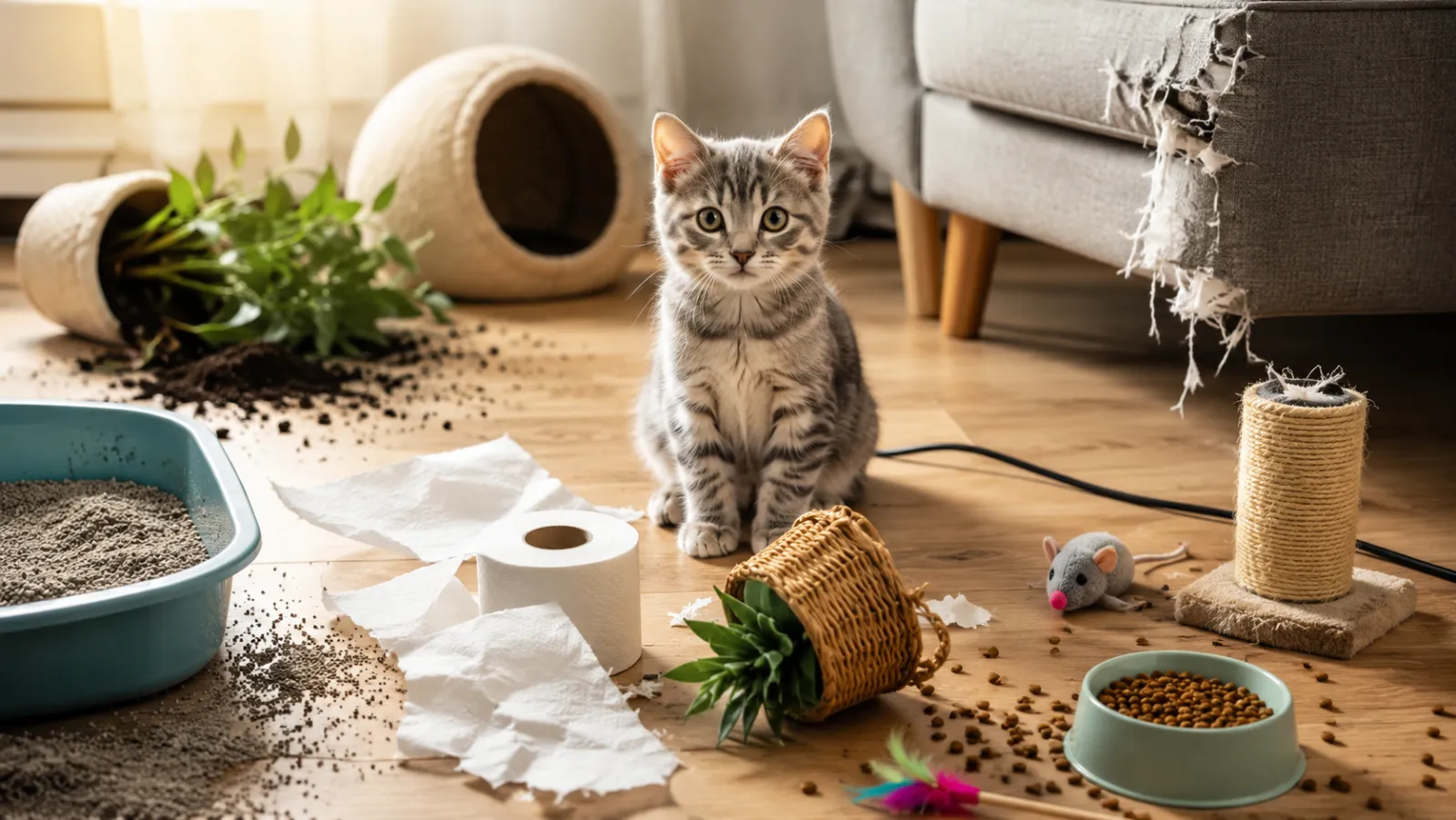
Kitten-proof the area by removing electrical cords, small objects, medications, cleaning products, toxic plants, and anything that could be swallowed.
Remember that kittens are naturally curious. They may climb, chew, scratch, and investigate almost everything around them. Creating a safe environment before they arrive can prevent many common accidents.
If you have other pets, don't immediately introduce them face-to-face. Give your kitten time to adjust and introduce animals gradually and under supervision.
2. Feed Your Kitten the Right Food
Nutrition is one of the most important aspects of kitten care. During the first year, kittens experience significant growth and need a diet formulated specifically for their developmental needs.
Choose a high-quality commercial kitten food that is appropriate for growth. Kitten food is generally more calorie-dense than adult cat food and provides nutrients needed for developing bones, muscles, organs, and the nervous system.
Depending on the kitten's age, you may feed wet kitten food, dry kitten food, or a combination of both.
Very young kittens that have not yet been weaned may require kitten formula. If a kitten is orphaned or cannot nurse from its mother, speak with a veterinarian about the appropriate formula and feeding method. Regular cow's milk is not an appropriate substitute for kitten formula.
Most kittens are weaned by approximately eight weeks of age, although individual development can vary.
Young kittens generally do better with several smaller meals throughout the day. Follow the feeding instructions on the food packaging and your veterinarian's recommendations based on your kitten's age, weight, and growth.
Always provide clean, fresh water.
When changing foods, make the transition gradually rather than switching suddenly. A slow transition can help reduce digestive problems such as diarrhea or vomiting.
3. Understand Your Kitten's Sleeping Habits
Don't be surprised if your kitten seems to sleep for most of the day.
Young kittens need significant amounts of rest because their bodies and brains are developing rapidly. They may spend a short period running, jumping, eating, and playing before suddenly falling asleep.
This cycle is normal.
Give your kitten a quiet and comfortable sleeping area. A soft bed, blanket, or enclosed cat bed can provide a secure place to rest.
Avoid constantly waking a sleeping kitten for play or attention. Sleep is an important part of healthy growth.
Establishing a predictable routine can also help. Feeding, playtime, litter-box cleaning, and quiet periods can happen at approximately similar times each day.
Your kitten may also become active at night. Cats naturally tend to be more active around dawn and dusk, so nighttime play and exploration can be normal.
A good evening play session followed by a meal may help encourage a calmer nighttime routine.
4. Begin Socialization Early
Socialization helps kittens learn that people, environments, sounds, handling, and other experiences can be safe.
The early weeks of life are especially important for social development, but learning continues after you bring your kitten home.
Introduce new experiences gradually and positively.
Your kitten can become familiar with:
- Different people
- Gentle handling
- Household noises
- Different rooms
- Carriers
- Grooming
- Nail handling
- Appropriate toys
- Safe surfaces
- Friendly, properly introduced pets
Never force a frightened kitten into an interaction.
For example, if your kitten hides when visitors arrive, allow them to remain in a safe place. Give them the opportunity to approach when they feel comfortable.
Positive experiences are important. Gentle handling combined with praise, treats, or play can help your kitten develop confidence.
If you have a dog or another cat, introductions should be slow and supervised. Separate spaces and gradual exposure can help reduce fear and territorial behavior.
Socialization is not about exposing your kitten to everything at once. It is about helping them experience new things safely and positively.
5. Follow the Vaccination Schedule
Vaccinations are an important part of preventive healthcare for kittens.
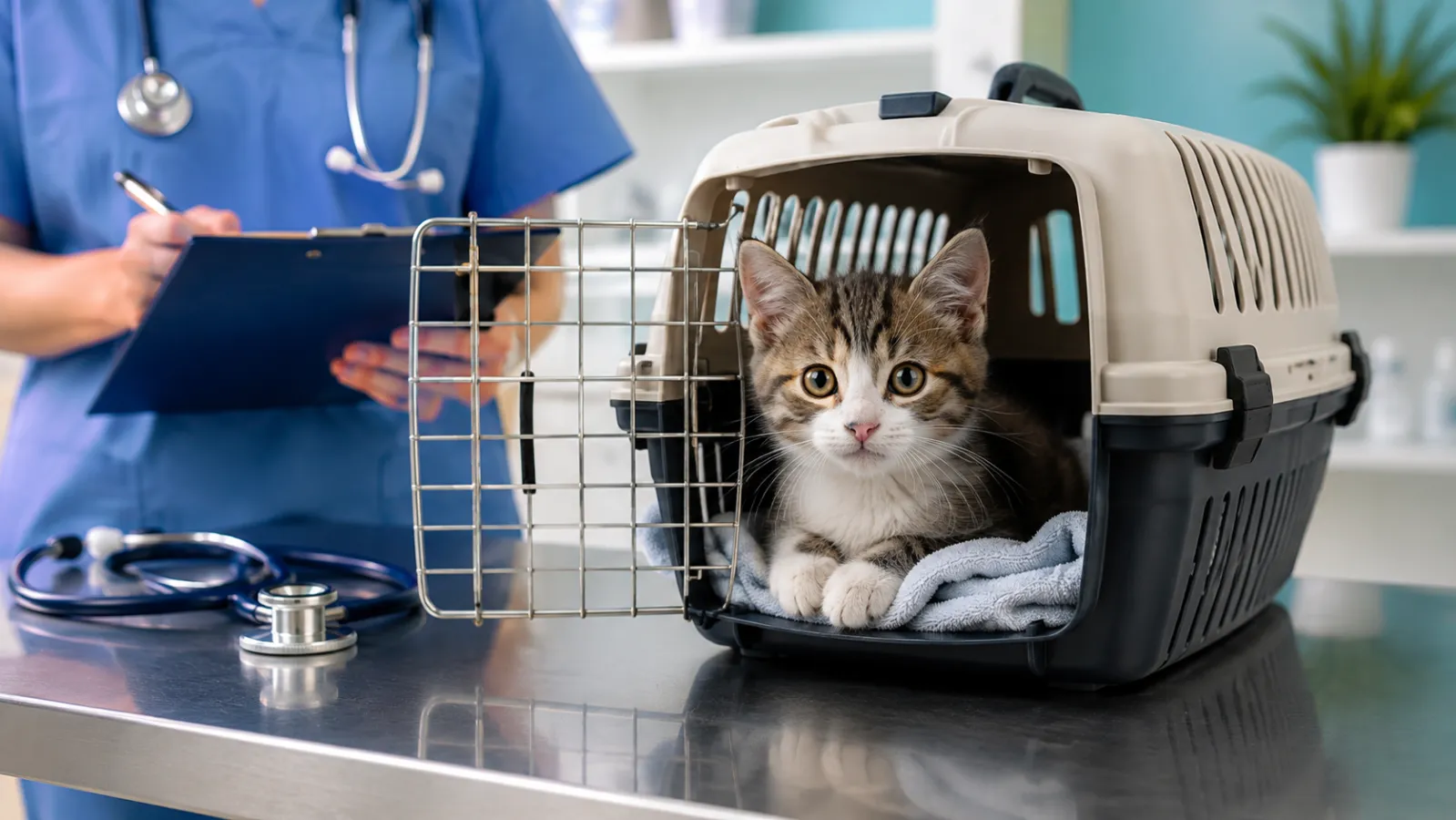
Kittens are vulnerable to several infectious diseases, which is why veterinary care should begin soon after adoption.
In North America, veterinarians commonly recommend core protection against diseases such as feline panleukopenia, feline herpesvirus, and feline calicivirus. Rabies vaccination is also important and may be required by law depending on where you live.
Your veterinarian may also recommend vaccination against feline leukemia virus, particularly because kittens and young cats can be more vulnerable to infection.
A typical kitten vaccination series may begin around six to eight weeks of age, followed by additional doses every few weeks until the kitten reaches the appropriate age for completion of the primary series.
The exact schedule depends on:
- Your kitten's age
- Previous vaccination history
- Health status
- Vaccine type
- Lifestyle
- Exposure risk
- Local regulations
Do not rely on a generic online schedule alone. Your veterinarian should create an appropriate vaccination plan for your individual kitten.
Keep vaccination records in a safe place so you know which vaccines your kitten has received and when future boosters are due.
6. Don't Forget Deworming
Parasites are common in kittens, particularly those who have lived outdoors, in shelters, or in environments where parasite exposure is possible.
Intestinal parasites can cause problems such as diarrhea, poor weight gain, abdominal discomfort, anemia, or a dull coat.
Kittens may require deworming at a young age, with treatment repeated according to veterinary recommendations. Your veterinarian may also recommend fecal testing to identify specific parasites.
Do not give your kitten a random deworming medication without professional guidance. Different parasites require different treatments, and medication must be appropriate for the kitten's age and weight.
Regular parasite prevention may also be recommended depending on your location and lifestyle.
Keeping the litter box clean is another important part of parasite control. Remove waste regularly and wash your hands after handling litter.
7. Provide Safe Play Every Day
Play is essential for a kitten's physical and mental development.
Kittens naturally want to chase, pounce, stalk, climb, and investigate. Safe play gives them an appropriate outlet for these behaviors.
Good kitten toys include:
- Soft toys
- Lightweight balls
- Toy mice
- Interactive wand toys
- Puzzle toys
- Scratching toys
Interactive toys can encourage your kitten to chase and pounce while providing exercise and mental stimulation.
However, safety should always come first.
Avoid toys with small parts that can be swallowed. String, thread, ribbon, and similar objects can be particularly dangerous if swallowed, so use them only under supervision and put them away afterward.
Never encourage your kitten to bite or attack your hands and feet. While this behavior may seem harmless when they are tiny, it can become painful and difficult to manage as the cat grows.
Instead, redirect biting and pouncing toward appropriate toys.
Provide several short play sessions throughout the day rather than expecting a kitten to remain entertained with one long session.
8. Introduce Grooming Early
Grooming is another habit that should begin during kittenhood.
Even if your kitten has short hair, gentle grooming can help them become comfortable with brushing and handling.
Start with short sessions. Use a soft brush and gently run it through the coat. Reward calm behavior with praise or a small treat.
Long-haired cats may need more frequent brushing to prevent tangles and mats.
Grooming also gives you an opportunity to check your kitten's skin and coat. Look for unusual redness, irritation, parasites, bald areas, or other changes.
Nail care should also be introduced gradually. Begin by gently touching your kitten's paws without immediately trimming the nails. Once your kitten becomes comfortable, you can gradually introduce nail trimming.
Dental care is important too. Establishing a tooth-brushing routine early can make dental care easier as your kitten becomes an adult.
Use only toothpaste designed specifically for cats. Human toothpaste should not be used for cats.
9. Prepare for Teething
Teething can be an interesting and sometimes challenging stage of kitten development.
As baby teeth are replaced by adult teeth, kittens may become more interested in chewing. You may notice your kitten biting toys, objects, or household items.
Provide appropriate toys and redirect unwanted chewing behavior.
Keep electrical cables, plastic pieces, rubber bands, thread, string, and other dangerous objects away from your kitten.
Inspect toys regularly. If a toy starts breaking apart, remove it immediately.
Avoid giving your kitten extremely hard objects that could damage their teeth.
During teething, watch for signs that something is not normal. Difficulty eating, significant mouth pain, excessive drooling, or other unusual symptoms should be discussed with a veterinarian.
10. Choose the Right Litter Box
A litter box should be easy for a young kitten to access.
A small litter box with low sides is often useful for kittens because they can enter and exit without difficulty.
Place the litter box somewhere quiet but easily accessible. Avoid putting it directly beside food and water.
After meals, naps, or play sessions, you can place your kitten near the litter box so they become familiar with its location.
Most kittens learn to use litter naturally, especially when the box is clean and easy to reach.
Clean the litter box regularly. Cats are generally clean animals, and a dirty litter box can discourage use.
If your kitten suddenly stops using the litter box, don't assume it is simply a behavioral problem. Stress, environmental changes, urinary problems, digestive problems, or other medical issues can sometimes affect litter-box habits.
11. Understand Important Growth Milestones
Kittens change rapidly during their first year.
During the first few weeks of life, newborn kittens depend heavily on their mother for warmth, nutrition, and care.
Around the first several weeks, kittens become increasingly mobile and begin exploring their surroundings. Play, interaction, and social learning become increasingly important.
By approximately eight weeks, many kittens are ready for adoption if they have been appropriately weaned and are otherwise healthy.
During the following months, kittens develop stronger coordination, curiosity, independence, and social skills.
Between three and six months, you may notice increased exploration, energetic play, and more confident behavior. Teething and the transition to adult teeth also occur during this general period.
By six to twelve months, many kittens begin moving into adolescence. Their behavior and physical appearance continue changing as they mature.
Growth rates vary between individual cats. Genetics, breed, nutrition, health, and other factors can influence how quickly a kitten develops.
Regular veterinary examinations are the best way to monitor healthy growth.
12. Create a Consistent Daily Routine
A predictable routine can make kitten care easier and help your kitten feel secure.
A typical day may include:
Morning: Fresh water, breakfast, litter-box cleaning, and playtime.
Midday: Rest, feeding when appropriate, and gentle interaction.
Afternoon: Play, exploration, grooming practice, or socialization.
Evening: Meal, interactive play, litter-box cleaning, and quiet time.
Night: A safe sleeping area with access to essential resources.
The exact schedule should depend on your kitten's age and individual needs.
Routine is particularly useful because kittens learn through repetition. Consistent feeding, play, handling, and household rules can help them understand what to expect.
13. Know When to Contact a Veterinarian
Kittens can become seriously ill faster than adult cats, so unusual symptoms should not be ignored.
Contact your veterinarian if your kitten experiences:
- Loss of appetite
- Repeated vomiting
- Persistent diarrhea
- Difficulty breathing
- Extreme lethargy
- Significant weakness
- Difficulty urinating
- Severe injury
- Pale gums
- Significant weight loss
- Unusual discharge from the eyes or nose
- A sudden major change in behavior
If you are concerned about your kitten's health, it is better to contact a veterinary professional rather than trying to diagnose the problem yourself.
Regular wellness visits also allow your veterinarian to monitor vaccinations, parasite prevention, growth, nutrition, dental development, and overall health.
Final Thoughts
Caring for a kitten is both rewarding and demanding. The first few months are filled with rapid growth, new experiences, playful behavior, and important developmental changes.
The goal is not to create a perfect kitten. It is to provide the right environment for healthy development.
Start with the essentials: nutritious kitten food, fresh water, comfortable sleeping space, a small litter box, safe toys, scratching opportunities, regular grooming, veterinary care, vaccinations, and appropriate parasite prevention.
Give your kitten plenty of opportunities to play, explore, and interact with people in positive ways. Introduce grooming and handling gradually, keep dangerous objects out of reach, and pay attention to changes in appetite, behavior, weight, and litter-box habits.
Most importantly, be patient. Your kitten is learning how to live in a human household, and many behaviors that seem unusual at first are simply part of growing up.
With consistent care, safe socialization, proper nutrition, preventive veterinary care, and plenty of positive interaction, you can give your kitten a strong foundation for a healthy, confident, and happy life.