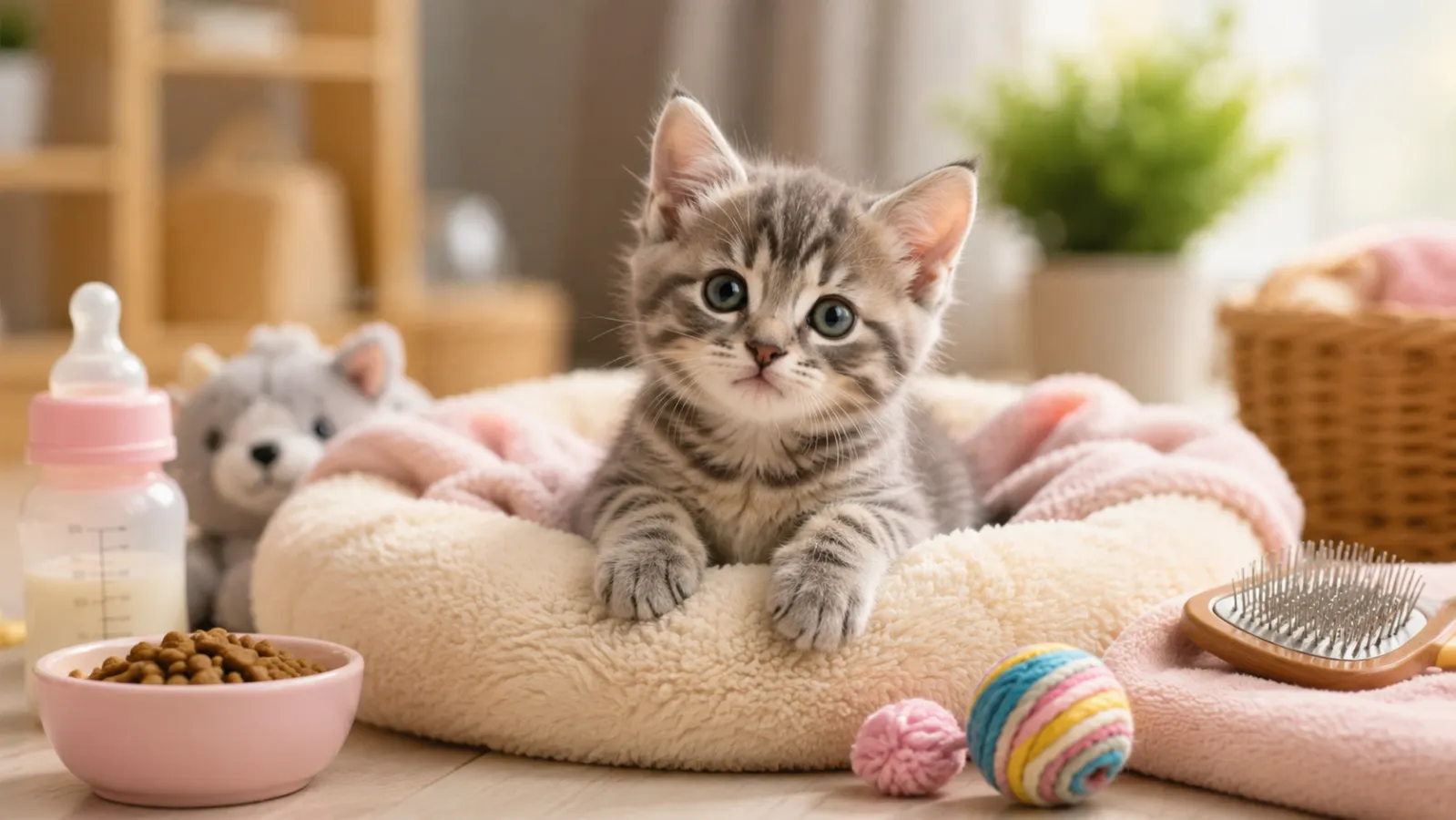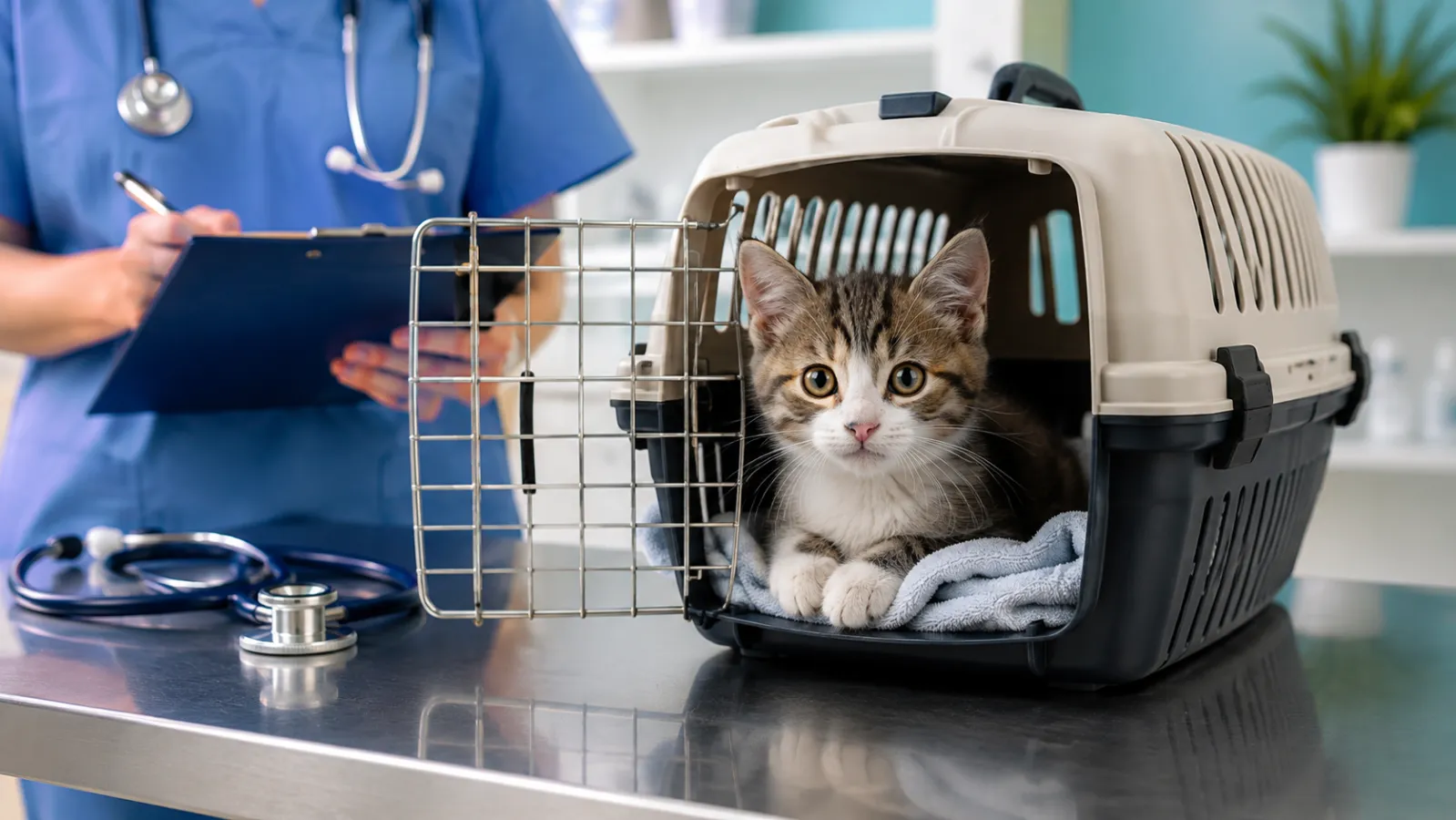
Bringing a kitten home is one of the most exciting experiences for a first-time cat owner. Those tiny paws, curious eyes, playful energy, and affectionate personality can quickly make a kitten feel like part of the family. But while kitten ownership can be incredibly rewarding, the first few months also require careful attention. Small mistakes in feeding, veterinary care, litter box habits, play, and socialization can create problems that become harder to correct later.
Kittens are still developing physically and behaviorally, which means their early experiences can have a lasting impact on their health, confidence, and relationship with people. Understanding basic kitten care is therefore essential for anyone welcoming a young cat into a North American home.
The good news is that most beginner mistakes are easy to avoid once you know what to look for. From feeding the right amount to keeping the litter box clean and introducing new people or pets gradually, simple daily habits can make a major difference.
Here are the most common kitten care mistakes first-time cat owners should avoid.
1. Overfeeding Your Kitten
One of the most common mistakes new cat owners make is assuming that a kitten should be allowed to eat as much as it wants.
Kittens do need more energy than many adult cats because their bodies are growing rapidly. However, that does not mean unlimited food is appropriate. Overfeeding can contribute to excessive weight gain and may make it more difficult to establish healthy eating habits.
Why Proper Feeding Matters
A kitten needs a nutritionally complete diet designed specifically for growth. Kitten food generally provides the calories, protein, vitamins, minerals, and other nutrients needed during development.
The amount your kitten needs can depend on factors such as:
- Age
- Body size
- Activity level
- Health status
- Type of food
- Individual growth rate
Instead of guessing, follow the feeding recommendations on the food label and ask your veterinarian whether the portion is appropriate for your kitten.
Avoid constantly filling the bowl without considering how much your kitten has already eaten. Treats should also be given in moderation.
Monitor your kitten's body condition rather than focusing only on how much they seem to enjoy eating. A healthy kitten should grow steadily without becoming excessively heavy.
2. Skipping Veterinary Visits
Another major mistake is assuming that a kitten only needs to see a veterinarian when something appears wrong.
Kittens require preventive veterinary care because their early months are an important period for vaccinations, parasite prevention, health assessments, and development.
Why Veterinary Care Is Important
A kitten's first veterinary visits provide an opportunity to establish a health baseline and discuss important topics such as:
- Vaccination schedules
- Parasite prevention
- Flea and tick control
- Nutrition
- Dental development
- Spaying or neutering
- Microchipping
- Behavioral concerns
- General growth and development
Vaccination schedules can vary depending on age, health, lifestyle, and local veterinary recommendations. Your veterinarian can create a schedule appropriate for your kitten.
Don't wait until your kitten looks sick before seeking professional advice. Cats can be very good at hiding signs of illness, so routine examinations can help identify potential concerns earlier.
For North American cat owners, establishing a relationship with a local veterinary clinic early can also make future emergencies much less stressful.
3. Neglecting Litter Box Maintenance
A dirty litter box can quickly become a problem for both the kitten and the owner.
Cats are naturally clean animals, and many prefer a clean, comfortable place to eliminate. If the litter box becomes excessively dirty, your kitten may begin avoiding it and choosing another location in the home.
Why a Clean Litter Box Matters
Regular litter box maintenance helps encourage consistent bathroom habits and makes it easier for you to notice changes in your kitten's urine or stool.
A basic routine should include:
- Scoop waste regularly
- Keep litter at an appropriate depth
- Clean the box according to the litter manufacturer's recommendations
- Replace litter when necessary
- Wash the box periodically
- Keep food and water away from the litter area
Cornell University College of Veterinary Medicine notes that cats may avoid litter boxes that are not clean and recommends providing one box per cat plus an additional box.
For example, if you have one kitten, having two accessible litter boxes can be helpful.
Avoid placing the box beside loud appliances, in a busy walkway, or somewhere your kitten cannot easily reach. A quiet, accessible location is usually better.
If your kitten suddenly stops using the litter box despite previously using it normally, don't simply assume the kitten is being stubborn. Medical problems, stress, environmental changes, or litter box issues can all contribute to inappropriate elimination.
4. Not Providing Enough Playtime
Kittens are naturally curious and energetic. They need opportunities to explore, chase, climb, pounce, and investigate their surroundings.
A common beginner mistake is assuming that food, a comfortable bed, and occasional attention are enough.
Play Is Part of Kitten Development
Interactive play provides physical exercise and mental stimulation. It can also give kittens an appropriate outlet for behaviors such as chasing and pouncing.
Useful toys may include:
- Wand toys
- Small cat-safe balls
- Interactive toys
- Puzzle feeders
- Lightweight toys designed for supervised play
Instead of leaving your kitten alone with the same toy all day, rotate toys to keep the environment interesting.
Play sessions do not have to be extremely long. Several short, engaging sessions throughout the day can be more practical than expecting a kitten to entertain itself for hours.
Always supervise toys that contain strings, feathers, small detachable pieces, or other components that could become dangerous if swallowed.
Avoid Misusing Laser Pointers
Laser pointers can encourage movement and chasing, but they should be used thoughtfully.
A laser creates a moving target that the kitten can never physically catch. If you use one, finish the session by redirecting your kitten toward a toy or another safe object they can actually catch and interact with.
The goal should be fun and enrichment, not endless frustration.
5. Ignoring Your Kitten's Scratching Needs
Scratching is normal cat behavior. It is not something you should try to eliminate completely.
Kittens and adult cats scratch for several reasons, including stretching, maintaining their claws, marking territory, and expressing natural behavior.
The mistake is not the scratching itself. The problem is failing to provide an appropriate place for it.
Provide Appropriate Scratching Areas
Place scratching posts or pads in areas where your kitten spends time.
You can provide different textures and positions, such as:
- Vertical scratching posts
- Horizontal scratching pads
- Cardboard scratchers
- Sisal-covered posts
If your kitten scratches the couch, don't punish them. Instead, place an appropriate scratching surface near the area and encourage its use.
You can make the scratching post more interesting with play or rewards. Once the kitten develops a habit of using it, you can gradually move it to a more convenient location if necessary.
Providing scratching options before destructive scratching becomes a habit is much easier than trying to correct the behavior later.
6. Feeding Unsafe Human Foods
A kitten may look interested when you're eating, but that doesn't mean the food is safe for them.
One of the biggest mistakes first-time owners make is sharing table scraps without checking whether the ingredients are appropriate for cats.
Some human foods can be harmful or toxic to cats. Chocolate, onions, garlic, and certain other foods should never be casually offered.
Chocolate is particularly important to remember. Cats can be affected by the methylxanthines found in chocolate, and darker chocolate generally contains higher concentrations.
Onions and related foods such as garlic and chives can also be dangerous. ASPCA notes that these foods can cause gastrointestinal irritation and damage to red blood cells in cats.
Other foods and substances that require caution include:
- Chocolate
- Onions
- Garlic
- Alcohol
- Caffeinated products
- Certain medications
- Raw dough
- Some human supplements
Don't assume that a food is safe simply because it is natural or healthy for humans.
The safest approach is to make commercially prepared kitten food the foundation of your kitten's diet and discuss treats or other foods with your veterinarian.
If your kitten accidentally eats a potentially toxic substance, contact your veterinarian promptly and keep the product packaging available so professionals can identify the ingredients and estimate the exposure.
7. Punishing Normal Kitten Behavior
Kittens can be chaotic.
They may jump on furniture, knock objects over, scratch something inappropriate, bite during play, climb where they shouldn't, or suddenly race around the house.
Punishing these behaviors can create fear without teaching your kitten what you actually want them to do.
Avoid yelling, hitting, chasing, or physically intimidating your kitten.
Instead, redirect the behavior.
For example:
If your kitten scratches furniture, provide a scratching post.
If your kitten bites your hands during play, redirect the kitten toward an appropriate toy.
If your kitten climbs somewhere unsafe, calmly move them to a safe area and provide an alternative climbing opportunity.
Positive reinforcement is usually more useful than punishment because it helps the kitten understand which behaviors lead to desirable outcomes.
Remember that many behaviors that seem "bad" to humans are completely normal from a cat's perspective.
Your job is to provide appropriate outlets rather than expecting a kitten to behave like a quiet adult cat immediately.
8. Not Establishing a Consistent Routine
Kittens may be adaptable, but a predictable routine can make life easier for both the kitten and the household.
A routine helps your kitten learn when to expect important activities such as feeding, play, rest, grooming, and litter box access.
A basic daily routine might include:
Morning:
Feeding, litter box check, and a short play session.
Afternoon:
Rest, exploration, and another opportunity for play.
Evening:
Feeding, interactive play, and calm social time.
Night:
A comfortable sleeping area and access to essential resources.
The exact schedule doesn't need to be identical every day. Life happens, and flexibility is important. However, major routines should be reasonably predictable.
Consistency also applies to household rules.
If one person allows the kitten on the kitchen counter while another person constantly removes them, the kitten receives mixed signals.
Everyone in the household should understand the basic rules and use similar approaches.
9. Rushing Introductions to People, Pets, and New Environments
One of the most important kitten care mistakes is rushing social introductions.
A first-time owner may be excited to introduce the new kitten to every family member, friend, dog, cat, and room in the house immediately.
But too much stimulation can overwhelm a young kitten.
Slow introductions can help your kitten feel safer and build confidence.
Introducing a Kitten to People
Allow your kitten to approach new people at their own pace.
Visitors should avoid immediately grabbing or chasing the kitten. Instead, they can sit calmly and allow the kitten to investigate.
Give the kitten access to a safe retreat where they can hide if they become overwhelmed.
Introducing a Kitten to Other Cats
If you already have another cat, avoid simply placing the new kitten directly into the resident cat's space.
A gradual introduction may involve:
- Giving the kitten a separate room initially.
- Allowing both cats to become familiar with each other's scent.
- Gradually allowing visual contact.
- Introducing short supervised interactions.
- Increasing contact as both cats become comfortable.
The process can take days or longer depending on the individual cats.
Introducing a Kitten to Dogs
Dogs and kittens should also be introduced carefully.
Even a friendly dog can accidentally injure a kitten through excessive excitement or rough play.
Keep early interactions controlled and supervised. Give the kitten an escape route and never force the animals to interact.
The goal isn't to make them best friends immediately. The goal is to create positive, safe experiences.
Common Beginner Kitten Care Problems
Even careful owners can encounter challenges during the first few months.
1. The Kitten Bites Hands
Kittens often use their mouths during play.
Solution:
Redirect biting toward appropriate toys and avoid encouraging hand-based rough play.
2. The Kitten Scratches Furniture
Scratching is normal behavior.
Solution:
Provide multiple scratching surfaces and place them near areas where your kitten already wants to scratch.
3. The Kitten Avoids the Litter Box
There may be a cleanliness, location, litter preference, stress, or health issue involved.
Solution:
Clean the box regularly, make sure it is easy to access, and speak with a veterinarian if the behavior continues or appears suddenly.
4. The Kitten Seems Hyperactive
Young cats naturally have periods of intense activity.
Solution:
Provide several short play sessions, interactive toys, climbing opportunities, and appropriate mental stimulation.
5. The Kitten Hides
A new home can be overwhelming.
Solution:
Give the kitten a quiet safe space and allow them to adjust gradually rather than forcing interaction.
Creating a Safe Home for Your Kitten
Kitten-proofing your home is another important part of responsible ownership.
Young cats are extremely curious and can squeeze into surprisingly small spaces.
Before bringing your kitten home, look for potential hazards such as:
- Electrical cords
- Small objects
- Open windows
- Unsecured balconies
- Toxic plants
- Cleaning chemicals
- Human medications
- Accessible trash
- Loose strings
- Small toys that can be swallowed
Keep potentially dangerous substances secured and make sure windows and balconies are properly protected.
Remember that cats climb. A hazard that is safely out of reach of a dog may still be completely accessible to a kitten.
Building Healthy Habits From the Beginning
Good kitten care is not about creating a perfect environment. It is about creating a safe, predictable, stimulating, and healthy one.
Feed an age-appropriate diet without overfeeding.
Keep veterinary care up to date.
Maintain clean and accessible litter boxes.
Provide regular play and scratching opportunities.
Keep toxic foods and household hazards away from your kitten.
Use positive reinforcement rather than punishment.
Create a predictable routine.
And introduce people and animals gradually.
These habits may seem simple, but they form the foundation of responsible cat ownership.
Final Thoughts
Caring for a kitten for the first time can feel overwhelming, especially when you're learning everything at once. However, most common kitten care mistakes can be prevented with preparation, patience, and consistency.
Overfeeding, skipping veterinary visits, neglecting the litter box, providing too little playtime, ignoring scratching needs, offering unsafe foods, punishing normal behavior, maintaining no routine, and rushing introductions can all create unnecessary challenges.
Your kitten doesn't need a perfect owner. They need an owner who pays attention, learns from mistakes, and provides appropriate care.
The first few months are an opportunity to establish healthy habits that can benefit your cat for years to come. By understanding your kitten's natural behaviors and responding to them appropriately, you can create a safer home and build a stronger relationship with your new companion.
Remember, kitten care is a long-term commitment. The food you provide, the veterinary care you schedule, the environment you create, and the way you respond to your kitten's behavior all contribute to their future health and well-being.
With the right foundation, your tiny kitten can grow into a confident, healthy, and happy member of your family.