Choosing a cat is exciting, but finding the right cat is about much more than picking the one with the cutest face. Every cat has a different personality, energy level, grooming requirement, social preference, and care needs. A playful kitten may be perfect for an active household, while a calm adult cat may be a much better match for someone who works long hours.
The best choice is the cat whose needs fit naturally into your lifestyle—not simply the breed, age, or appearance you prefer.
Before bringing a cat home, think about your schedule, living space, family members, budget, experience with pets, and how much time you can realistically dedicate to daily care. Cats can be wonderful companions, but they are also a long-term responsibility. With the right preparation, you can choose a cat that is happy in your home and well suited to your everyday life.
1. Start With Your Lifestyle
The first step in choosing the right cat is understanding your own lifestyle.
Ask yourself:
- How many hours am I away from home each day?
- Do I live in an apartment, condo, townhouse, or house?
- Do I have children?
- Do I already have dogs or other cats?
- Do I want a playful companion or a calmer pet?
- How much time can I spend playing with and caring for a cat?
- Am I comfortable with regular grooming?
- Can I afford routine and unexpected veterinary care?
There is no universally “best” cat. The best cat is one whose personality and care requirements fit your household.
For example, someone who works from home may enjoy a social cat that likes frequent interaction. Someone who works long shifts may prefer an independent adult cat rather than a young kitten that requires more supervision and stimulation.
Your home environment matters just as much as your personal preferences.
2. Kitten vs. Adult Cat: Which Is Better?
One of the biggest decisions is whether to adopt a kitten or an adult cat.
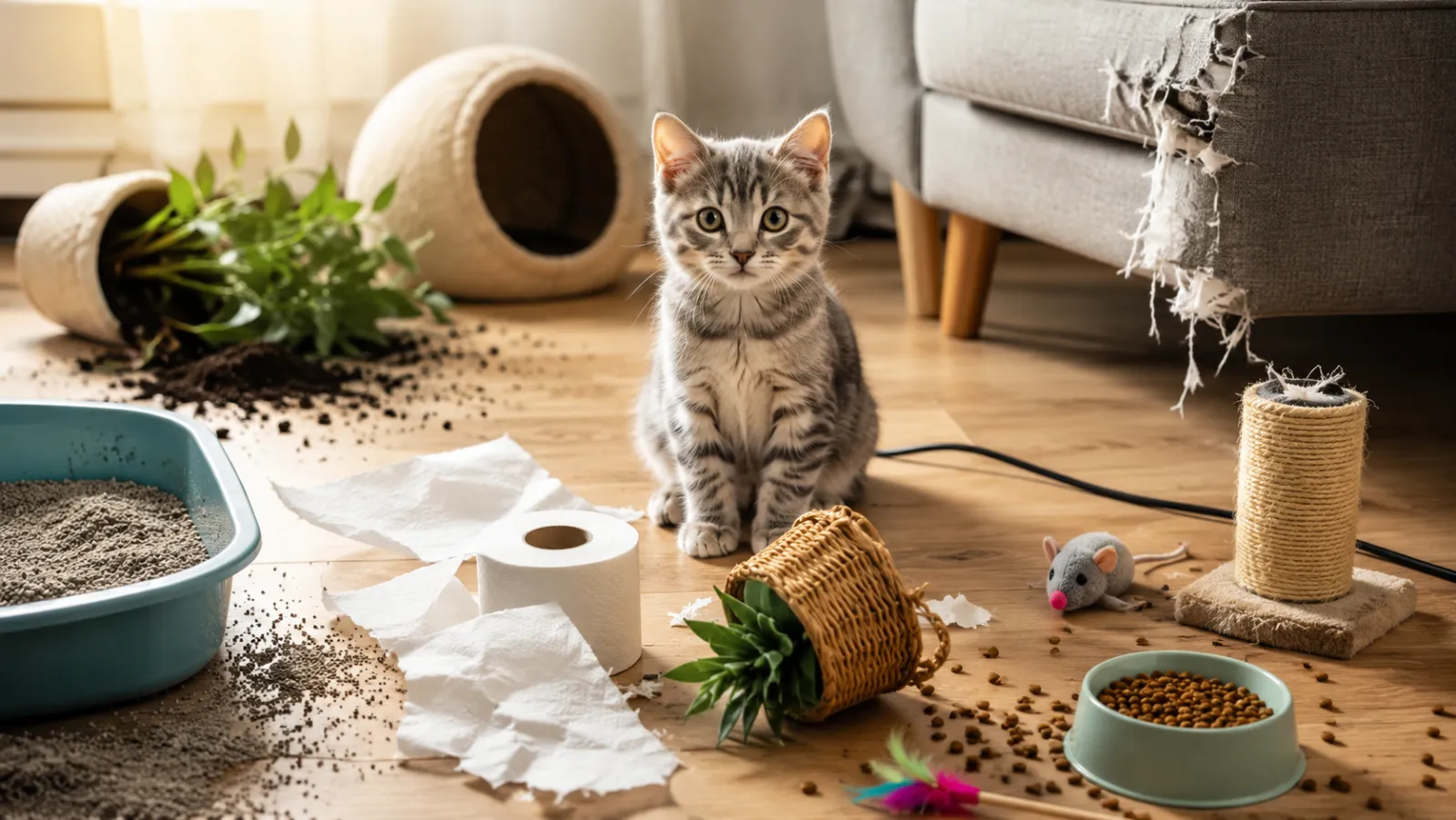
Kittens are adorable, energetic, curious, and entertaining. However, they require significant time and attention. They are still developing their behavior and learning how to interact with people, other animals, and their environment.
Kittens may need:
- Frequent play sessions
- Socialization
- Litter-box guidance
- Training and supervision
- Kitten-specific nutrition
- Veterinary visits and vaccinations
- More patience during their learning stages
A kitten can be an excellent choice for families who have the time and energy to guide a young cat through development.
Adult cats, on the other hand, often have more established personalities. When adopting an adult cat, the shelter or foster family may already know whether the cat is playful, quiet, affectionate, independent, comfortable with children, or compatible with other animals.
That can make matching easier.
Adult cats can be particularly suitable for first-time owners, busy professionals, older adults, or people who want a more predictable temperament. Senior cats may be even calmer, although they can require additional veterinary attention as they age.
Neither option is automatically better. The right choice depends on your time, expectations, and household.
3. Consider Purebred vs. Mixed-Breed Cats
Another common decision is whether to choose a purebred cat or a mixed-breed cat.
Purebred cats are bred according to established breed characteristics. Different breeds can have recognizable patterns in appearance, temperament, activity level, and coat type. However, individual cats can still vary considerably.
For example, British Shorthairs are often associated with a calm, easygoing temperament and a sturdy build. They may appeal to people looking for a relatively relaxed companion.
Maine Coons are known for their large size, long coats, and generally social personalities. Their size and coat mean prospective owners should be prepared for appropriate nutrition, space, grooming, and veterinary care.
Domestic Shorthairs are not a single breed but a broad category of cats with varied backgrounds and personalities. They are extremely common in North American shelters and rescues and can make wonderful companions.
Mixed-breed cats can be an excellent choice if your priority is finding the right individual personality rather than a specific appearance.
Remember that breed does not guarantee personality.
A calm mixed-breed shelter cat may be a better match for your apartment than a particular purebred cat that has much higher activity needs.
4. Match the Cat's Energy Level to Your Routine
Energy level is one of the most important factors people sometimes overlook.
Some cats are constantly exploring, climbing, chasing toys, and looking for interaction. Others are happy to spend much of the day sleeping and relaxing.
If you want an active companion, look for a cat that enjoys:
- Interactive toys
- Chasing games
- Climbing
- Puzzle feeders
- Exploration
- Frequent play
An energetic cat can be wonderful for someone who enjoys daily interaction and enrichment.
However, if you have a busy schedule or prefer a quieter household, a calmer adult cat may be more appropriate.
Do not assume that every kitten will remain extremely energetic forever, or that every adult cat will be quiet. Individual personality matters.
When possible, spend time with the cat before adopting. Watch how the cat responds to people, toys, handling, sounds, and other animals. Behavior observed in a shelter may not perfectly predict behavior at home, but it can provide valuable information.
5. Think About Family Compatibility
A cat should fit the entire household—not just one person.
If you have children, consider choosing a cat that has demonstrated comfort around respectful children. Teach children how to interact appropriately with cats.
Children should understand that cats need:
- Personal space
- Quiet resting areas
- Gentle handling
- Respect during eating and sleeping
- Safe escape areas
Never encourage children to chase, pull, squeeze, or corner a cat.
If you already have another cat or dog, ask the shelter or rescue organization about the new cat's history with other animals.
Some cats enjoy feline companionship. Others prefer to be the only pet.
Some cats can successfully live with dogs, while others may find dogs stressful. A proper introduction is extremely important. Bringing two animals together immediately and expecting them to become friends can create unnecessary fear and conflict.
A gradual introduction gives everyone time to adjust.
6. Is a Cat Suitable for Apartment Living?
Absolutely—but apartment living requires thoughtful preparation.
A cat does not necessarily need a huge house. What matters is whether the home provides opportunities for movement, exploration, scratching, resting, hiding, and play.
An apartment-friendly cat may benefit from:
- Cat trees
- Scratching posts
- Window perches
- Comfortable hiding places
- Interactive toys
- Puzzle feeders
- Safe vertical spaces
- Daily interactive play
Vertical space is particularly useful in smaller homes because it allows cats to climb and observe their surroundings without requiring additional floor space.
However, apartment size should not be the only consideration.
A highly energetic cat may need substantially more enrichment than a relaxed adult cat. If you live in a small apartment, consider choosing a cat whose energy level matches the amount of stimulation you can provide.
Also check your lease or building rules before adopting. Some North American apartment communities have pet restrictions, deposits, or limits on the number of animals allowed.
7. Understand Indoor Cat Needs
For many North American households, keeping a cat indoors can provide a controlled environment and reduce exposure to outdoor hazards.
However, indoor living does not mean a cat can simply sleep all day with nothing to do.
Indoor cats need physical activity and mental stimulation.
Provide:
- Daily play
- Scratching surfaces
- Climbing opportunities
- Interactive toys
- Places to hide
- Comfortable resting areas
- Appropriate litter-box setup
- Safe access to windows or observation areas
Rotate toys rather than leaving everything available all the time. This can help maintain interest.
Interactive play is especially valuable for cats with higher energy levels. Even short daily sessions can become an important part of a cat's routine.
If you want an indoor cat, choose based on personality and enrichment needs—not simply on the assumption that any cat will automatically adapt to apartment or indoor life.
8. Consider Grooming Requirements
Grooming is another major lifestyle consideration.
Short-haired cats generally require less hands-on coat maintenance than long-haired cats, although all cats benefit from regular observation and appropriate grooming.
Long-haired cats may require more frequent brushing to reduce tangles and mats.
For example, a Maine Coon's long coat requires more grooming attention than the coat of a typical Domestic Shorthair.
Regular brushing can help remove loose hair and allow you to notice changes in the skin or coat. Getting cats accustomed to grooming while they are young can also make the process easier.
Grooming needs can include:
- Brushing
- Nail trimming
- Coat checks
- Ear observation
- Dental care
- Veterinary grooming when medically necessary
Before choosing a long-haired cat, honestly consider whether you can maintain the grooming routine.
A beautiful coat is wonderful, but it also comes with responsibilities.
9. Adoption Can Help You Find the Right Match
For many people, adoption is an excellent way to find a companion.
Shelters and rescue organizations have cats of different:
- Ages
- Sizes
- Personalities
- Energy levels
- Coat types
- Backgrounds
- Social preferences
This gives adopters the opportunity to focus on personality and compatibility.
A shelter cat may be a Domestic Shorthair, a mixed breed, or occasionally a recognizable purebred or breed mix.
Do not overlook adult and senior cats simply because kittens receive more attention. Adult cats can offer a clearer picture of their established temperament, which can make lifestyle matching easier.
North American shelters and rescue organizations regularly have cats waiting for homes. Adoption can give an animal a permanent family while allowing you to find a companion whose personality fits your household.
10. Ask the Right Questions Before Adoption
Do not choose a cat based only on a few minutes of interaction.
Ask the shelter or rescue organization about the cat's history and behavior.
Important questions include:
- How old is the cat?
- Has the cat lived with children?
- Has the cat lived with dogs?
- Has the cat lived with other cats?
- Is the cat comfortable being handled?
- Is the cat playful or calm?
- Does the cat enjoy being around people?
- Does the cat use the litter box reliably?
- Does the cat have any known medical conditions?
- What food is the cat currently eating?
- What vaccinations has the cat received?
- Has the cat been spayed or neutered?
- Has the cat received parasite prevention?
- Are there known behavioral concerns?
- Does the cat have special dietary or medication needs?
Also ask whether the cat has any known history of anxiety, inappropriate elimination, aggression, excessive scratching, or other behaviors that may require additional management.
The more information you have before adoption, the better prepared you will be.
11. Meet the Cat More Than Once When Possible
If the shelter allows it, spend enough time with the cat to observe its behavior.
Look beyond appearance.
Notice whether the cat:
- Approaches people willingly
- Hides continuously
- Enjoys play
- Becomes overwhelmed easily
- Accepts gentle interaction
- Shows curiosity
- Appears comfortable in the environment
Remember that shelters can be stressful. A cat that hides in a shelter may become much more social after settling into a quiet home.
This is why adoption counselors and foster families can be extremely valuable. Foster caregivers may have more information about how a cat behaves in a home environment.
The goal is not to find the “friendliest” cat in the room. It is to find the cat whose personality works with your household.
12. Prepare Your Home Before the Cat Arrives
Choosing the right cat is only half the process.
Prepare the home before bringing your new companion home.
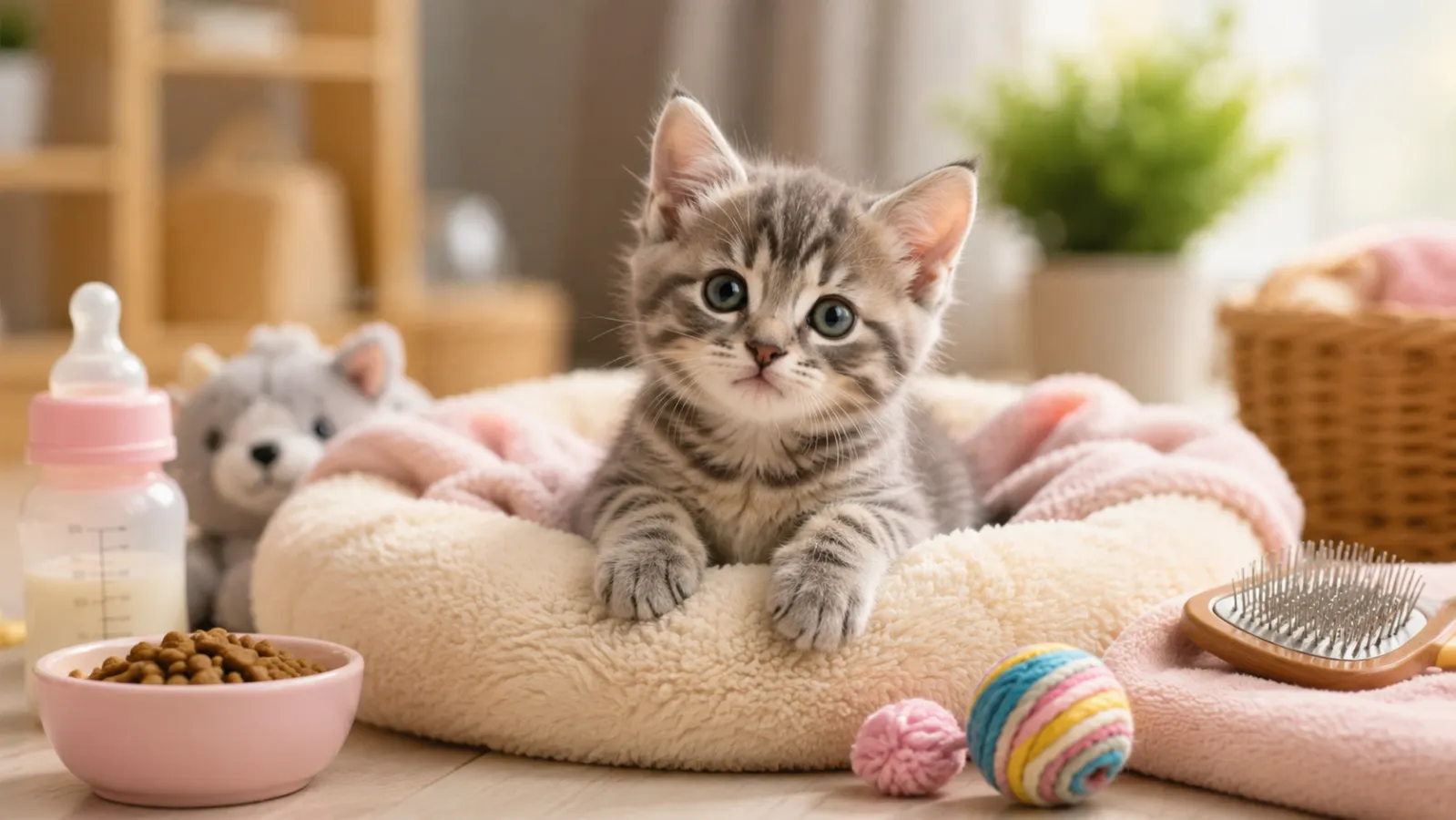
Essential supplies include:
- Food and water bowls
- Appropriate cat food
- Litter boxes and litter
- Scratching posts
- Comfortable bedding
- Toys
- A secure carrier
- Grooming supplies
- Identification information
- Basic cleaning supplies
Create a quiet area where the cat can initially retreat and feel safe.
Cat-proof the home before arrival. Secure loose electrical cords, remove toxic plants, keep medications and household chemicals out of reach, and check windows and screens for safety.
Do not expect a newly adopted cat to immediately explore the entire house and behave normally. Some cats adjust quickly; others need more time.
A predictable routine can help reduce stress.
13. Think About the Long-Term Commitment
A cat is not a short-term decision.
Your new companion may be with you for many years, so consider how your lifestyle could change.
Think about:
- Moving
- Career changes
- Relationships
- Children
- Travel
- Other pets
- Housing changes
- Veterinary expenses
- Aging and senior care
Many cats live well into their teens, and some live into their twenties. That means adopting a cat can represent a commitment lasting 15 years or more.
Ask yourself:
“Will I still be able to care for this cat if my life changes?”
Responsible ownership means planning for the future, not just the first few months.
14. Budget for More Than Food and Litter
The cost of owning a cat extends beyond the initial adoption fee.
Your budget may need to cover:
- Food
- Litter
- Routine veterinary examinations
- Vaccinations
- Parasite prevention
- Spaying or neutering
- Dental care
- Grooming supplies
- Toys and enrichment
- Emergency veterinary treatment
- Medications
- Pet insurance, if you choose to purchase it
Unexpected veterinary expenses can be significant, so having an emergency fund or another realistic plan for veterinary costs is important.
Your veterinarian can also help determine appropriate nutrition based on your cat's age, activity level, health, and individual needs.
15. Choose Personality Over Appearance
One of the easiest mistakes to make is choosing a cat because of appearance alone.
A fluffy Maine Coon may look impressive. A British Shorthair may have the exact appearance you love. A tiny kitten may be irresistible.
But appearance does not tell you everything about compatibility.
Instead, ask:
“Does this cat's personality fit my lifestyle?”
A quiet person living in an apartment may be happier with a relaxed adult Domestic Shorthair.
An active household may enjoy a playful and social cat.
A family with young children may benefit from a confident cat that has demonstrated positive interactions with children.
Someone who wants predictable behavior may appreciate an adult or senior cat whose personality is already established.
The right match is about compatibility—not perfection.
Common Mistakes to Avoid
Before making your final decision, avoid these common mistakes:
1. Choosing Based Only on Looks
A beautiful cat may have needs that do not match your lifestyle.
2. Assuming Every Cat Is Independent
Cats vary significantly in their need for social interaction and stimulation.
3. Ignoring Grooming Requirements
Long-haired cats can require considerably more coat care.
4. Choosing a Kitten Without Considering the Workload
Kittens need time, supervision, socialization, play, and veterinary care.
5. Forgetting About Existing Pets
Always consider compatibility with animals already living in your home.
6. Underestimating Veterinary Costs
Routine care and unexpected medical needs should be included in your budget.
7. Expecting Instant Bonding
Some cats need days or weeks to feel comfortable in a new environment.
8. Choosing a Cat Without Considering the Future
Your lifestyle may change, but your responsibility to your cat continues.
A Simple Checklist for Choosing the Right Cat
Before adopting, make sure you can answer these questions:
- Do I have enough time for a cat?
- Can I afford routine and emergency veterinary care?
- Is my home suitable for the cat's energy level?
- Do I want a kitten, adult, or senior cat?
- Can I manage the cat's grooming requirements?
- Is the cat compatible with my children?
- Is the cat compatible with my existing pets?
- Can I provide daily play and enrichment?
- Does my housing allow cats?
- Am I prepared for a long-term commitment?
- Can I provide a safe indoor environment?
- Am I prepared for potential behavioral or medical challenges?
If you can confidently answer these questions, you are much closer to finding the right match.
Final Thoughts
Choosing the right cat for your lifestyle is not about finding the most beautiful, popular, or expensive cat. It is about finding a companion whose personality, energy level, grooming needs, social preferences, and care requirements fit naturally into your life.
A kitten can be an exciting choice for someone with time and patience. An adult cat may be ideal for someone looking for a more predictable personality. A Domestic Shorthair from a shelter can make an incredible companion, while breeds such as the British Shorthair or Maine Coon may appeal to people specifically looking for certain characteristics.
Apartment residents can successfully live with cats when they provide appropriate enrichment and choose a cat whose needs match their environment. Families should consider temperament and previous experiences with children and other pets. People with busy schedules may benefit from considering an independent adult cat rather than automatically choosing a kitten.
Most importantly, remember that bringing home a cat is a long-term commitment. Your cat will depend on you for food, veterinary care, enrichment, safety, companionship, and a stable environment for many years.
The most important rule is simple: choose the cat, not just the look.
Take your time. Ask questions. Meet different cats. Talk with shelter staff, rescue organizations, foster caregivers, responsible breeders when appropriate, and your veterinarian.
When your cat's needs and your lifestyle are a good match, you are not simply bringing home a pet. You are creating the foundation for a healthy, rewarding relationship that can last for many years.