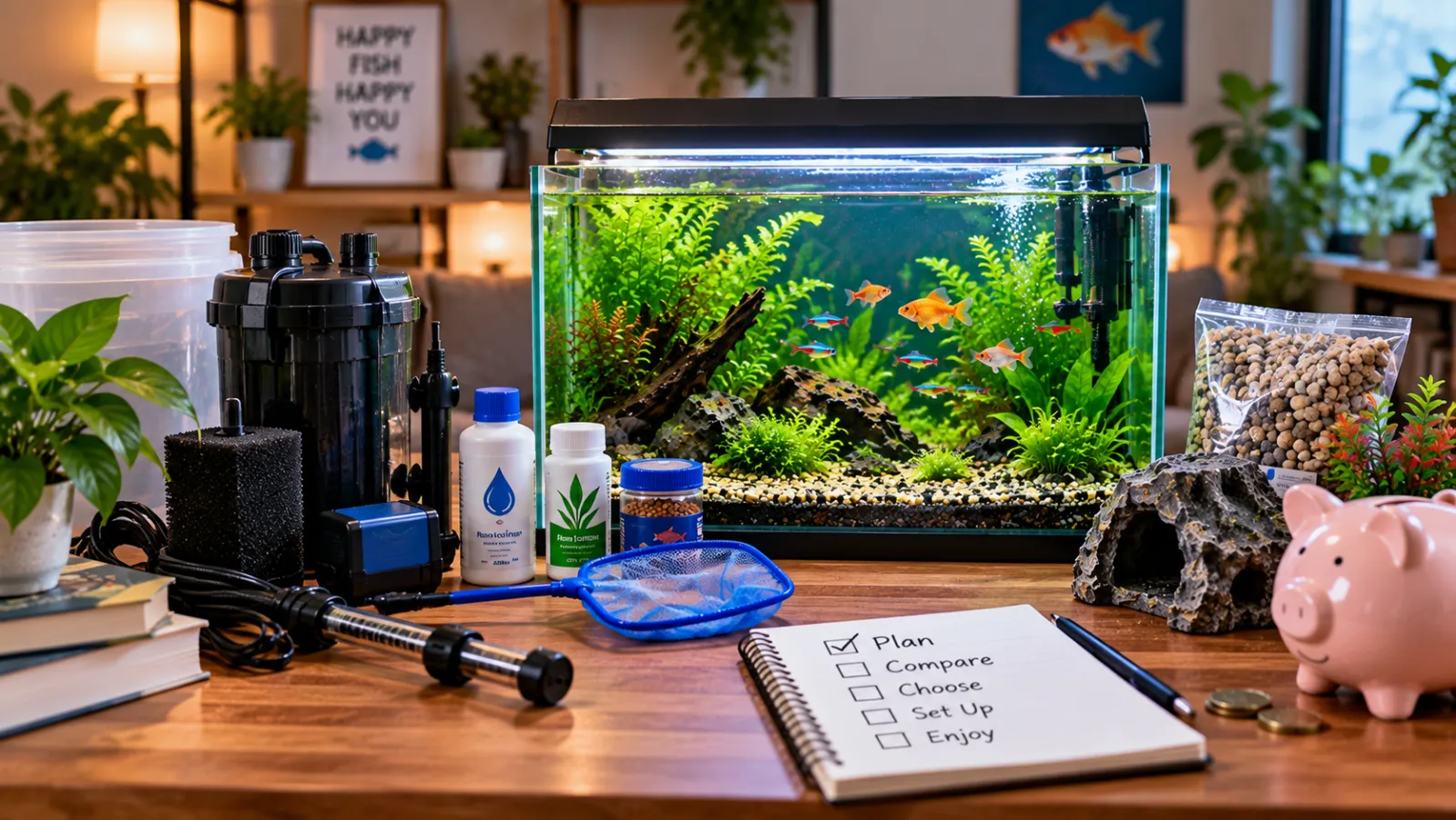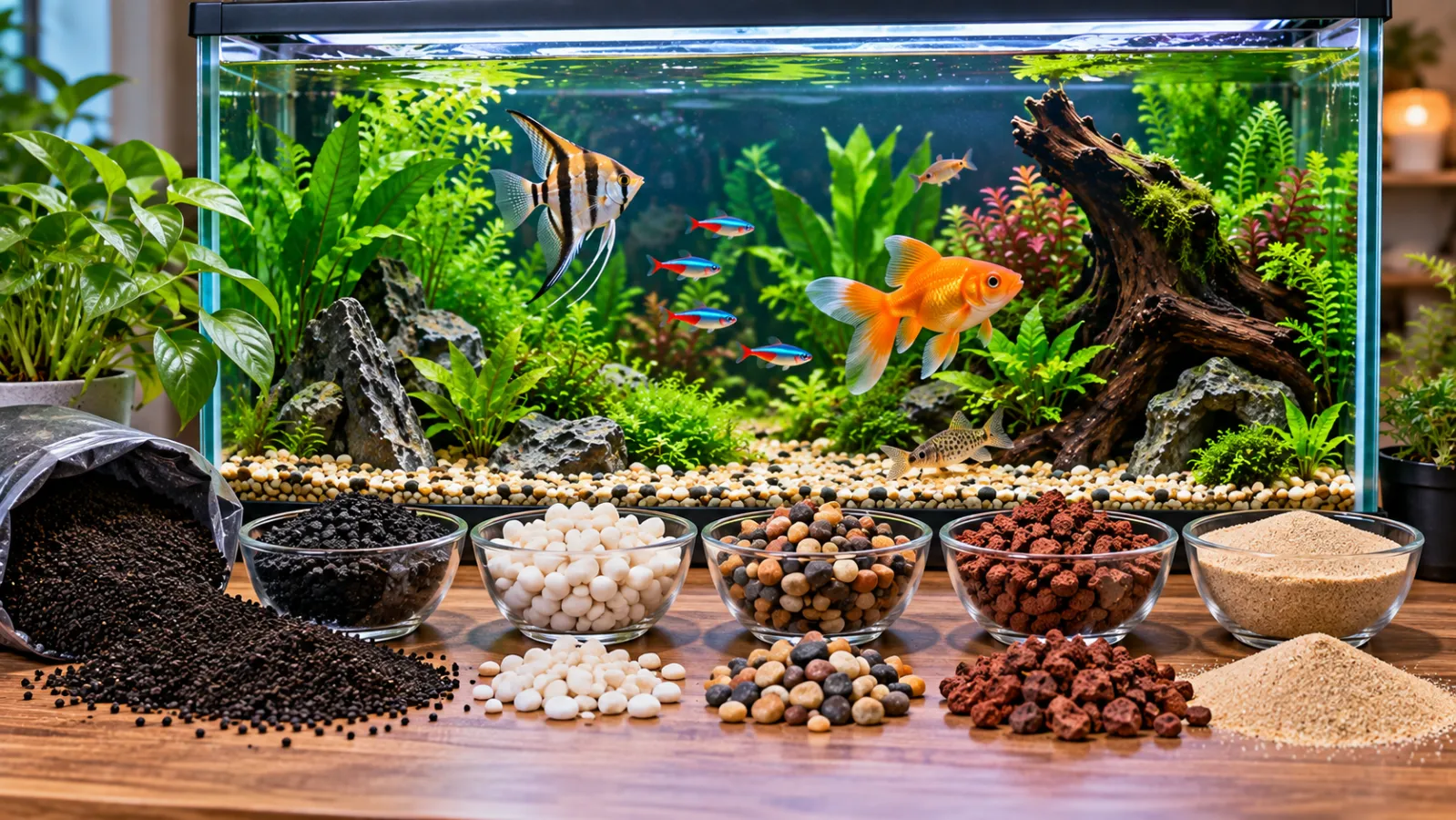
Aquarium decorations can make a fish tank more attractive and give fish places to explore, hide, or rest. However, not every decorative item is suitable for aquarium use. Some objects may have sharp edges, unstable structures, toxic coatings, or materials that can affect water quality.
Choosing safe aquarium decorations means looking beyond appearance and considering how the decoration will interact with your fish, plants, water, and equipment.
Why Safe Aquarium Decorations Matter
Fish can injure themselves by swimming against rough or sharp decorations. Unstable ornaments can also fall, damage plants or equipment, or trap fish underneath them.
The safest approach is to choose decorations specifically designed for aquariums or materials known to be suitable for long-term underwater use.
1. Choose Aquarium-Safe Materials
The material should be one of the first things you check before adding a decoration.
Good options can include:
- Aquarium-specific resin ornaments
- Aquarium-safe ceramic
- Smooth natural rocks that are suitable for the aquarium
- Driftwood prepared for aquarium use
- Aquarium-safe plastic
- Glass decorations specifically made for aquariums
Avoid adding household objects, painted items, metal objects that may corrode, or decorations with unknown coatings unless you know they are aquarium-safe.
A decoration may look harmless but still contain paints, glues, coatings, or other materials that are not designed for continuous underwater exposure.
2. Check for Sharp Edges
Fish can easily brush against decorations while swimming, hiding, or chasing food.
Before putting an ornament into the tank, run your fingers carefully over its accessible surfaces. Look for:
- Sharp points
- Jagged edges
- Rough cracks
- Broken sections
- Exposed wires
- Rough holes or openings
If a decoration could scratch your skin, it may also injure fish.
This is particularly important for fish with delicate fins or species that frequently move around rocks, caves, and other structures.
3. Make Sure Decorations Are Stable
An attractive decoration is not useful if it can easily fall over.
Heavy or poorly balanced ornaments can:
- Crush fish or plants
- Damage aquarium glass
- Block equipment
- Disturb the substrate
- Create unsafe spaces for fish
Place decorations on a stable surface and make sure they cannot easily topple when fish swim around them or when you perform maintenance.
For larger structures, consider how their weight is distributed rather than simply placing them on top of loose substrate.
4. Look for Smooth Surfaces
Smooth surfaces reduce the risk of scratches and damaged fins.
When examining a decoration, pay particular attention to:
- Corners
- Doorways and cave entrances
- Small holes
- Edges around artificial plants
- Broken or chipped areas
- Interior surfaces where fish may hide
A decoration can have a smooth exterior but still contain rough areas inside a cave or opening.
5. Choose the Right Size
Decoration size should match both the aquarium and the fish.
An oversized ornament can reduce swimming space and make a small aquarium feel overcrowded. A decoration that is too small may also be unsuitable for larger fish that can move or swallow smaller objects.
Consider:
Fish size: Make sure fish cannot become trapped inside openings.
Tank size: Leave enough open swimming space.
Swimming behavior: Active fish generally need more unobstructed room.
Territorial needs: Some species benefit from caves or visual barriers.
For help selecting an appropriately sized aquarium, see How to Choose the Right Aquarium for Your Fish.
6. Avoid Decorations With Dangerous Openings
Caves and hollow decorations can provide useful hiding places, but openings need to be appropriately sized.
Avoid structures where:
- Fish can enter but cannot easily turn around
- Fins can become caught
- Fish can become trapped between the decoration and glass
- Small fish can disappear into inaccessible spaces
- Larger fish can become wedged inside
Check the decoration from different angles before adding it to the aquarium.
7. Consider Your Fish's Natural Behavior
Different fish use decorations in different ways.
Some fish prefer:
- Caves
- Plants
- Driftwood
- Open swimming areas
- Rock structures
- Sheltered spaces
Bottom-dwelling species may interact with decorations differently from midwater or surface fish.
Research the needs and behavior of your particular species before designing the aquarium. Decorations should support the fish rather than simply fill empty space.
8. Think About Aquarium Maintenance
Decorations should not make routine maintenance unnecessarily difficult.
Large ornaments can create areas where waste accumulates, while complicated structures may make it difficult to clean the substrate or access equipment.
Before placing decorations, think about:
- Where waste will collect
- Whether you can reach the substrate
- Whether the filter intake can remain unobstructed
- Whether equipment can be removed easily
- Whether the decoration needs occasional cleaning
A simple layout is often easier to maintain than a tank packed with ornaments.
For more maintenance guidance, see How to Build an Easy Aquarium Maintenance Routine.
9. Clean Decorations Before Adding Them
New decorations should be inspected and cleaned before going into the aquarium.
For aquarium decorations:
- Remove packaging and loose debris.
- Rinse the decoration thoroughly with clean water.
- Check again for sharp edges or damaged sections.
- Make sure there are no loose pieces.
- Place the decoration securely in the aquarium.
Avoid using household soaps, detergents, or chemical cleaners on aquarium decorations because residues can enter the water.
10. Be Careful With Natural Rocks and Wood
Natural materials can create a beautiful aquarium environment, but they should not automatically be assumed to be safe.
Before adding rocks or wood, consider:
- Where the material came from
- Whether it has been treated with chemicals
- Whether it could contain contaminants
- Whether it is appropriate for your type of aquarium
- Whether it could alter water chemistry
Aquarium-specific natural materials are generally easier for beginners because they are intended for aquarium use.
Safe Aquarium Decoration Checklist
Before adding any decoration, ask:
| Check What to Look For | |
| Material | Specifically aquarium-safe |
| Edges | No sharp or jagged surfaces |
| Surface | Smooth and free from dangerous cracks |
| Stability | Cannot easily tip or collapse |
| Size | Appropriate for the fish and tank |
| Openings | Fish cannot become trapped |
| Coating | No peeling paint or unknown coating |
| Placement | Does not block equipment or swimming space |
| Maintenance | Easy enough to clean around |
| Condition | No broken or loose parts |
Common Aquarium Decoration Mistakes
Beginners often choose decorations based entirely on appearance. Some common mistakes include:
Choosing Household Objects
A household ornament is not automatically safe just because it looks harmless. Materials and coatings may not be designed for aquarium conditions.
Ignoring Sharp Edges
Small points and rough surfaces can cause injuries, especially when fish frequently swim through or around the decoration.
Overcrowding the Aquarium
Too many decorations can restrict swimming space and make maintenance harder.
Using Unstable Structures
A decoration that looks stable during setup may move later. Make sure larger ornaments are securely positioned.
Forgetting About Fish Size
A cave that is safe for small fish may become a trapping hazard for larger fish.
Final Thoughts
The best aquarium decorations are not simply attractive—they are safe, stable, appropriately sized, and suitable for the fish living in the aquarium. Prioritize aquarium-safe materials, smooth surfaces, secure construction, and enough swimming space.
When in doubt, choose decorations specifically manufactured for aquarium use and inspect them regularly for damage or deterioration.
Sources & References
RSPCA. Fish and Aquariums.
OATA. How to Set Up and Look After a Freshwater Tank / Aquarium.
OATA – Freshwater Tank Setup and Care
Aqueon. Aquarium Filtration Basics.
Aqueon – Aquarium Filtration Basics
Created with AI • Independently Verified
This article was created with the assistance of artificial intelligence and cross-checked using multiple AI systems to help identify errors, inconsistencies, and missing information.
Important factual claims are additionally checked against reputable veterinary, scientific, animal-welfare, and other authoritative sources before publication.
Our standard: AI helps us research and explain. Reliable evidence determines what we publish.
Last reviewed: September 2026