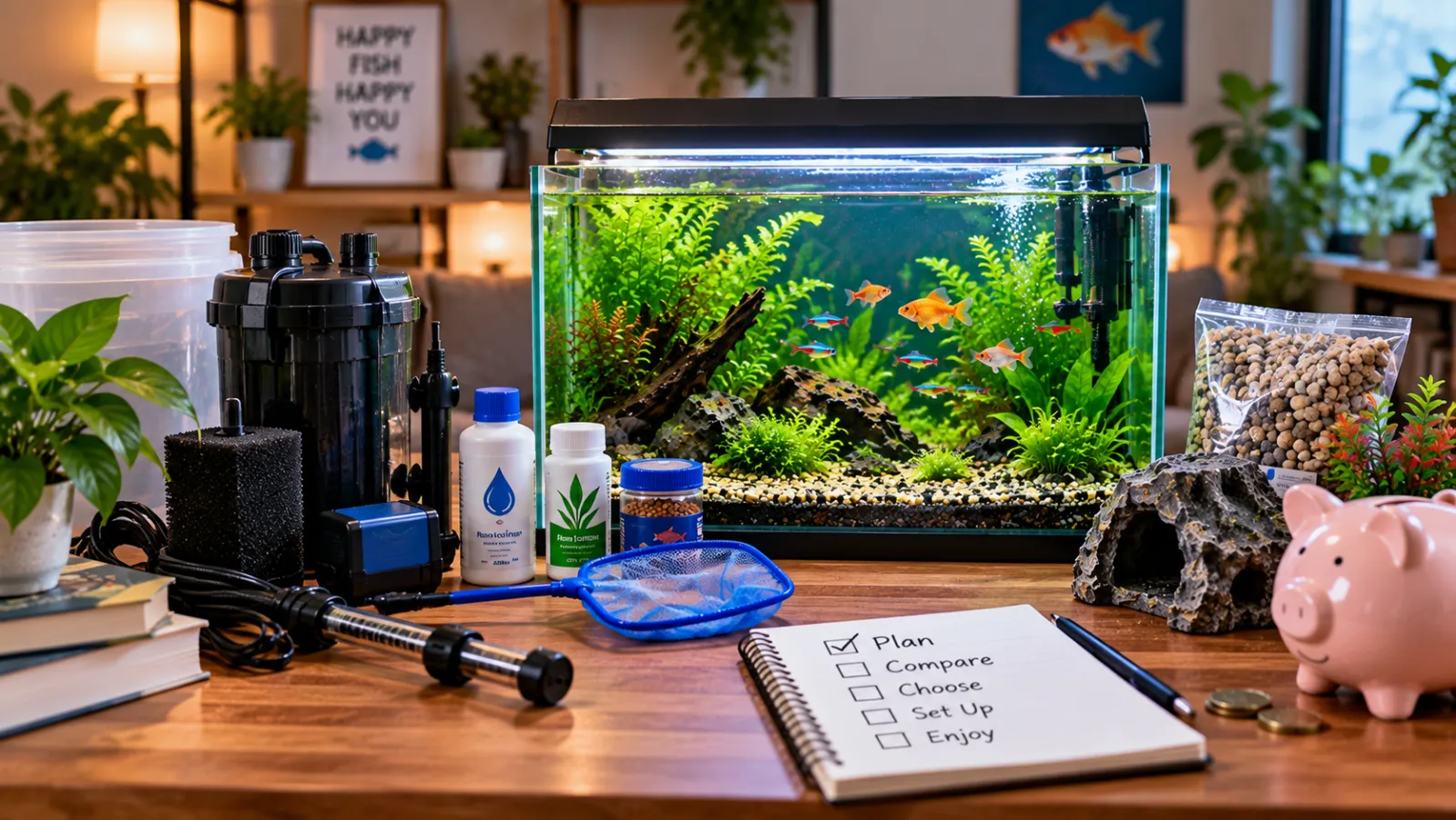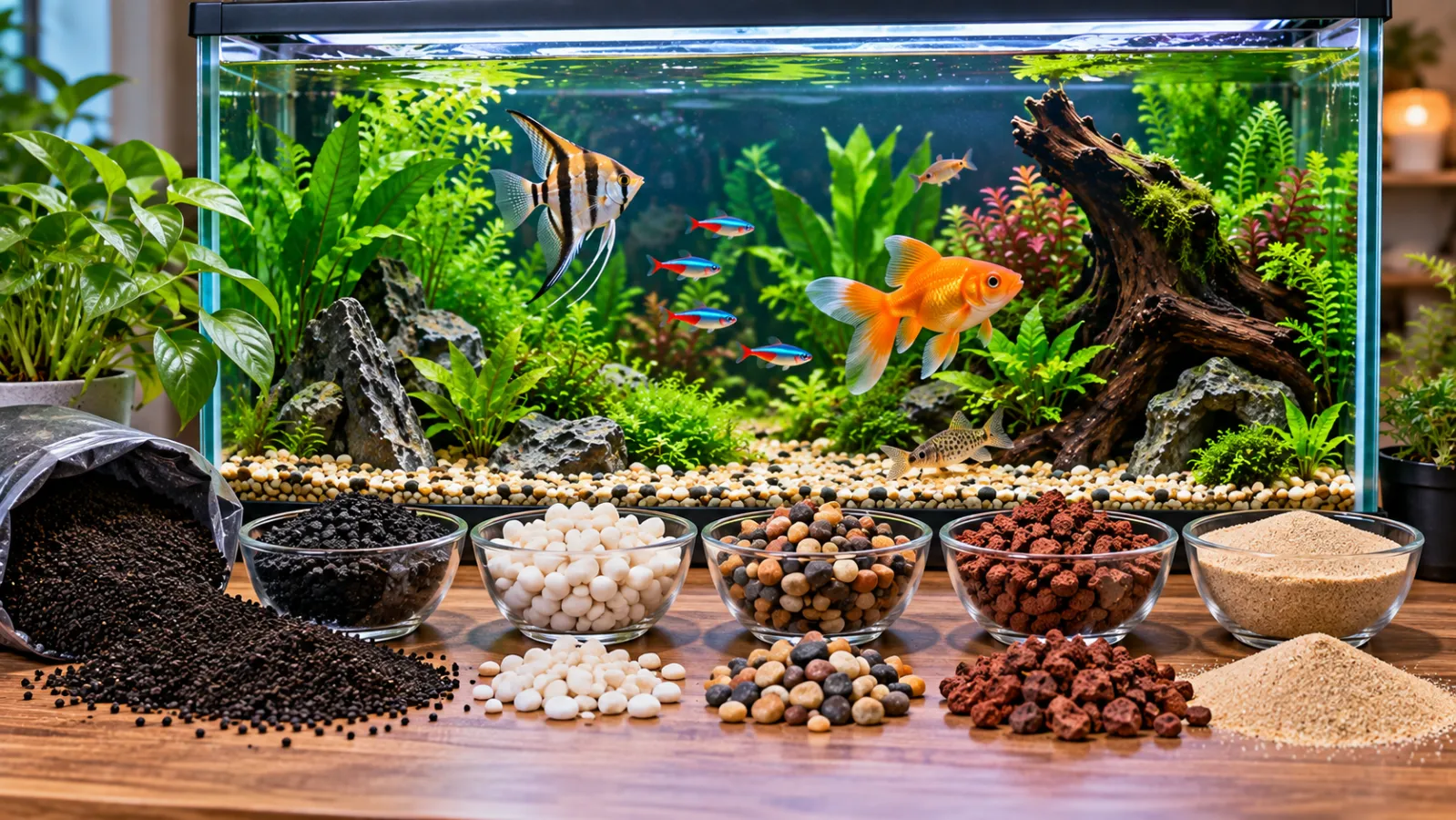
Choosing the right aquarium is one of the most important decisions you can make as a fish owner. A tank is not just a container for water and fish—it is the environment where your fish will spend their entire lives. The right aquarium provides enough swimming space, supports stable water conditions, makes maintenance easier, and allows you to create a suitable habitat for your fish.
Why it's a concern: Aquarium size and design affect water quality, swimming space, maintenance, and the number of fish you can responsibly keep.
Before buying an aquarium, consider the fish species you plan to keep, their adult size, the tank volume they require, and the space available in your home.
Why Does Aquarium Size Matter?
The size of an aquarium affects more than how much space your fish have to swim. Water volume also influences how quickly waste and changes in water conditions can affect the aquarium.
A very small tank can be less forgiving of mistakes, especially when it is overstocked or poorly maintained. A suitably sized aquarium gives fish adequate room to move and can make it easier to maintain consistent water conditions.
However, bigger does not automatically mean better. The aquarium should match the specific needs of the fish you intend to keep.
If you're planning your first setup, read our guide on How to Set Up Your First Freshwater Aquarium for additional guidance on creating a suitable environment.
1. Consider the Fish Species
The first thing to consider is the type of fish you want to keep.
Different freshwater fish have different requirements for swimming space, water temperature, shelter, plants, and tank conditions. Some species prefer open swimming areas, while others spend more time around plants, rocks, caves, or other decorations.
Before purchasing an aquarium, research:
- The fish's natural habitat
- Swimming behavior
- Adult size
- Water temperature requirements
- Water conditions
- Compatibility with other fish
- Filtration requirements
- Need for plants or hiding places
If you plan to keep multiple species together, compatibility is particularly important. Our guide on How to Choose Compatible Freshwater Fish can help you understand what to consider before creating a community aquarium.
2. Consider the Adult Size of Your Fish
One of the most common aquarium mistakes is choosing a tank based on the current size of a fish rather than its eventual adult size.
Many fish are sold while they are still young. They may look perfectly comfortable in a small aquarium initially, but they can grow significantly over time.
Before buying a tank, find out how large each fish is expected to become as an adult. Also consider how active the species is and how much swimming space it needs.
A fish's length isn't the only consideration. An active fish may need considerably more open swimming space than a less active fish of a similar size.
Planning for adult size from the beginning can prevent overcrowding and the need to upgrade your aquarium later.
3. Choose the Right Tank Volume
Tank volume is an important factor in maintaining a healthy aquarium.
The amount of water in the aquarium affects how quickly waste, temperature, and other water conditions can change. A larger volume can generally provide greater stability, but it still requires appropriate filtration, regular maintenance, and responsible stocking.
The number of fish you can keep should depend on factors such as:
- Species
- Adult size
- Activity level
- Filtration
- Swimming space
- Aquarium layout
- Maintenance routine
Avoid choosing fish based simply on how much empty space appears to be available.
If you're unsure about stocking levels, read How Many Fish Can You Keep in a Freshwater Aquarium? before adding fish to your tank.
4. Think About the Available Space
Before purchasing an aquarium, measure the location where you plan to put it.
Consider the tank's length, width, and height, but don't stop there. You also need enough room around the aquarium to perform routine maintenance.
Make sure you have sufficient space to:
- Clean the glass
- Perform water changes
- Maintain the filter
- Add food
- Check equipment
- Rearrange decorations
- Access the inside of the tank when necessary
The aquarium should also sit on a suitable, stable stand or surface capable of supporting its filled weight.
A beautiful aquarium that is difficult to access can quickly become frustrating to maintain.
5. Consider the Aquarium Shape
Aquarium shape can influence how useful the available space is for your fish.
A long aquarium can provide valuable horizontal swimming space for active fish. A tall aquarium may look attractive but may not provide the same type of swimming area.
When choosing between different designs, think about how your fish naturally move through the water.
Rather than choosing a tank purely because it looks attractive, choose a shape that complements the behavior and needs of your fish.
6. Don't Forget Filtration
An appropriate filtration system is essential for maintaining aquarium water quality.
Filters help remove waste and support beneficial biological processes within the aquarium. The filter you choose should be appropriate for the tank volume and the needs of the fish.
When selecting your aquarium, make sure there is enough room for the required equipment.
You can learn more about choosing suitable equipment in How to Choose the Right Aquarium Filter?.
Remember that filtration does not eliminate the need for regular water changes and aquarium maintenance.
7. Consider Water Quality and Maintenance
Even a correctly sized aquarium needs regular care.
Fish produce waste, leftover food can affect water quality, and aquarium conditions can change over time. Regular monitoring and maintenance help keep the environment suitable for your fish.
New fish owners should become familiar with basic water testing. Our guide How to Test Aquarium Water: A Beginner's Guide explains why monitoring aquarium water is an important part of fish care.
Regular partial water changes are also an important part of aquarium maintenance. Learn more in How to Perform a Safe Aquarium Water Change?.
8. Plan for Plants, Substrate, and Decorations
The inside of your aquarium also matters.
Plants, substrate, rocks, driftwood, and other decorations can contribute to the appearance and functionality of the aquarium. Some fish benefit from hiding places, while others need plenty of open swimming space.
Don't fill the aquarium with decorations simply because you have extra room. Consider how much usable swimming space your fish will have after everything is added.
If you plan to use live plants, How to Choose Freshwater Aquarium Plants? can help you select plants appropriate for your setup.
You should also consider the substrate carefully. Best Freshwater Aquarium Substrate for Fish and Plants provides more information about choosing a suitable base for your aquarium.
9. Consider Temperature Requirements
Different freshwater fish have different temperature requirements, so your aquarium may need a heater to maintain a stable environment.
Before purchasing equipment, research the temperature range your fish require.
If your species needs a heated aquarium, make sure the tank provides enough room for an appropriate heater and that you can monitor the water temperature.
For more information, see How to Choose the Right Freshwater Aquarium Heater.
10. Avoid Overstocking
Having an aquarium with lots of colorful fish may look appealing, but overcrowding can create serious maintenance challenges.
Too many fish can increase waste production and place additional demands on filtration and water quality. It can also reduce available swimming space and potentially increase competition or stress.
Stock your aquarium according to the needs of the fish rather than trying to fill every available space.
If you are building a community aquarium, consider species compatibility, adult size, behavior, and the amount of space each fish needs.
Common Mistakes to Avoid When Choosing an Aquarium
Choosing a Tank Based on Appearance Alone
A stylish aquarium may look great in your home, but appearance should never be the main deciding factor. The tank needs to meet the requirements of your fish.
Buying a Tank That Is Too Small
A small tank may seem convenient, but insufficient space can make fish care more challenging and limit the number and types of fish you can responsibly keep.
Ignoring Adult Fish Size
Always research the expected adult size of your fish before purchasing an aquarium.
Overstocking the Aquarium
More fish do not necessarily make an aquarium better. Overstocking can increase waste and make water quality more difficult to manage.
Forgetting Equipment
Remember to account for filters, heaters, lighting, air pumps, and other equipment when planning your aquarium.
Making Maintenance Difficult
Choose a location that gives you easy access to the aquarium. Regular maintenance should be convenient enough that you can perform it consistently.
Aquarium Selection Checklist
Before purchasing your aquarium, ask yourself:
- What fish species will I keep?
- How large will they become?
- How active are they?
- How much swimming space do they need?
- How many fish can I responsibly keep?
- What tank volume is appropriate?
- Does the aquarium's shape suit the fish?
- Can I install suitable filtration?
- Will I need a heater?
- Do I have enough space for maintenance?
- Is the aquarium stand strong and stable?
- Will there be enough room for plants and decorations?
- Can I maintain the aquarium regularly?
Answering these questions before buying your tank can help you avoid costly mistakes and create a healthier environment for your fish.
Final Thoughts
Choosing the right aquarium requires more thought than simply selecting a tank that fits your home. The best aquarium is one that provides your fish with enough space, supports stable water conditions, accommodates the necessary equipment, and is practical for you to maintain.
Start by researching your fish species and their adult size. Then consider tank volume, swimming space, filtration, temperature requirements, decorations, stocking levels, and the physical space available in your home.
Taking the time to choose the right aquarium from the beginning can make fishkeeping easier and help you provide a safer, more comfortable environment for your fish.
Sources & References
RSPCA. Fish and Aquariums.
https://www.rspca.org.uk/adviceandwelfare/pets/fish
RSPCA. Fish: Aquarium Care.
https://www.rspca.org.uk/adviceandwelfare/pets/fish/keeping
PetMD. How to Set Up a Fish Tank.
PetMD – Fish Tank Setup Guide
The Spruce Pets. How to Set Up a Freshwater Aquarium.
The Spruce Pets – Freshwater Aquarium Setup
Merck Veterinary Manual. Management of Aquarium Fish.
Merck Veterinary Manual – Aquarium Fish
U.S. Geological Survey (USGS). Fish and Aquatic Resources.
USGS – Fish and Aquatic Resources
Aquarium Co-Op. Freshwater Aquarium Guides.
Aquarium Co-Op – Freshwater Aquarium Resources
Created with AI • Independently Verified
This article was created with the assistance of artificial intelligence and cross-checked using multiple AI systems to help identify errors, inconsistencies, and missing information.
Important factual claims are additionally checked against reputable veterinary, scientific, animal-welfare, and other authoritative sources before publication.
Our standard: AI helps us research and explain. Reliable evidence determines what we publish.
Last reviewed: September 2026