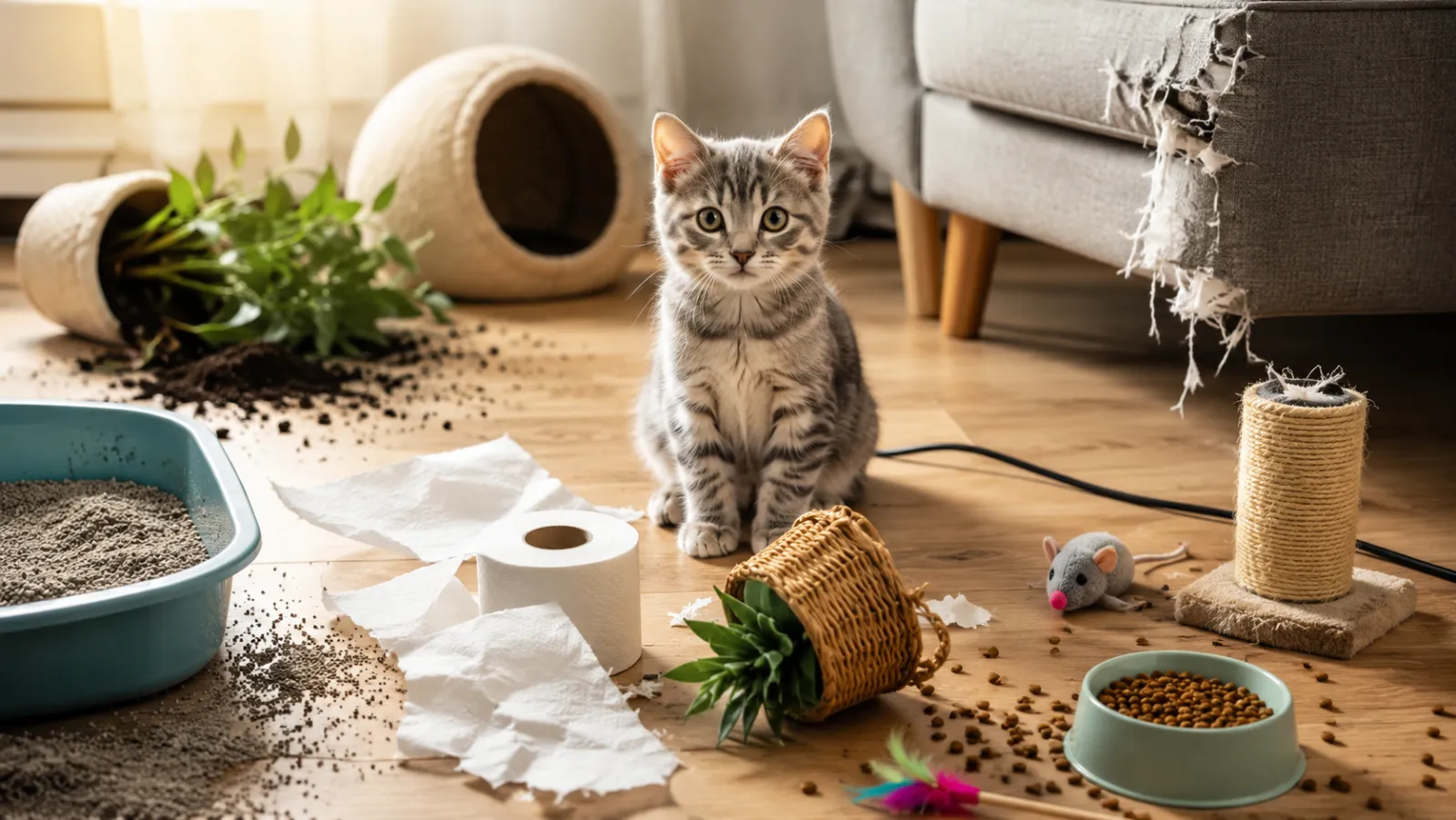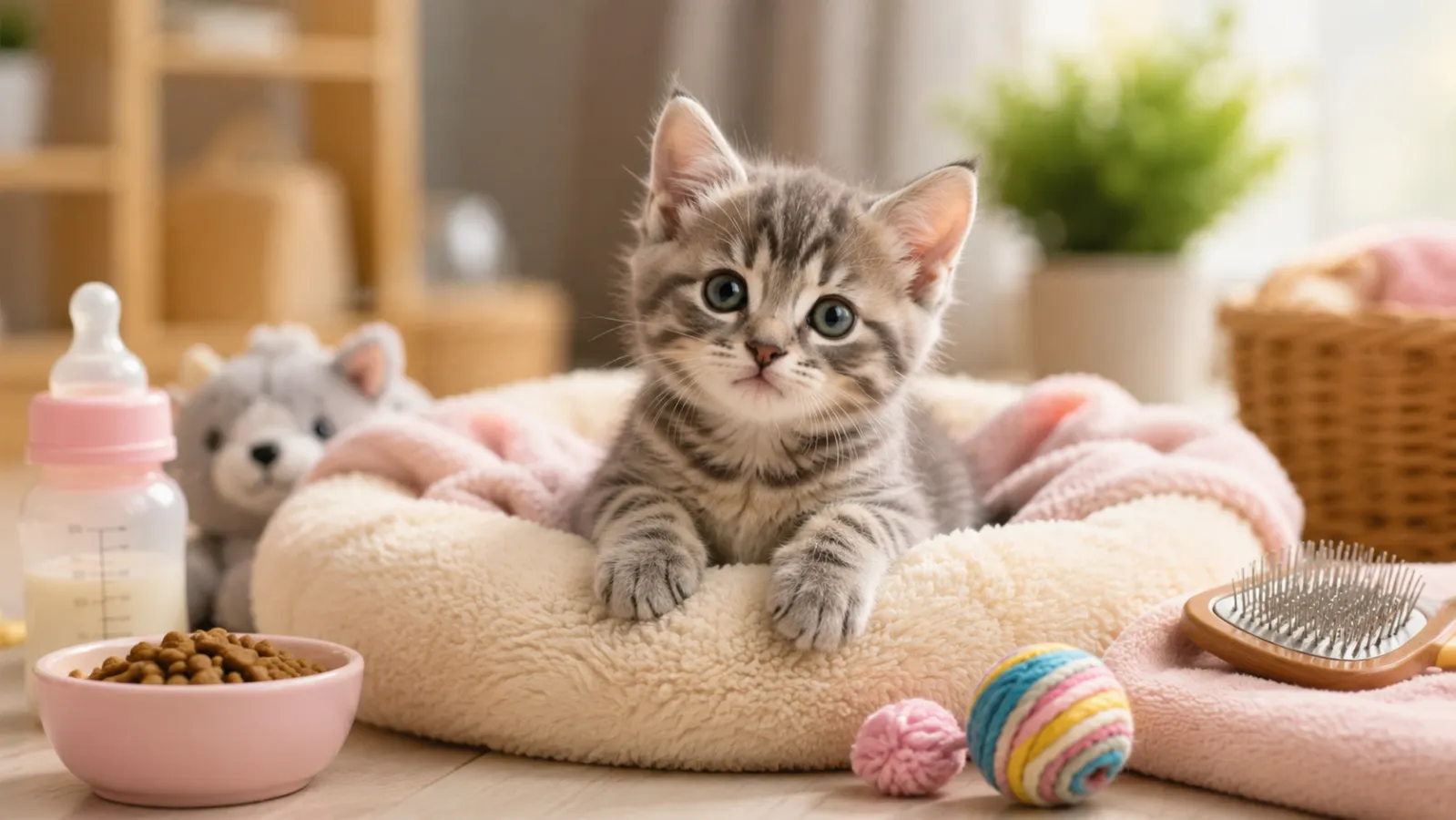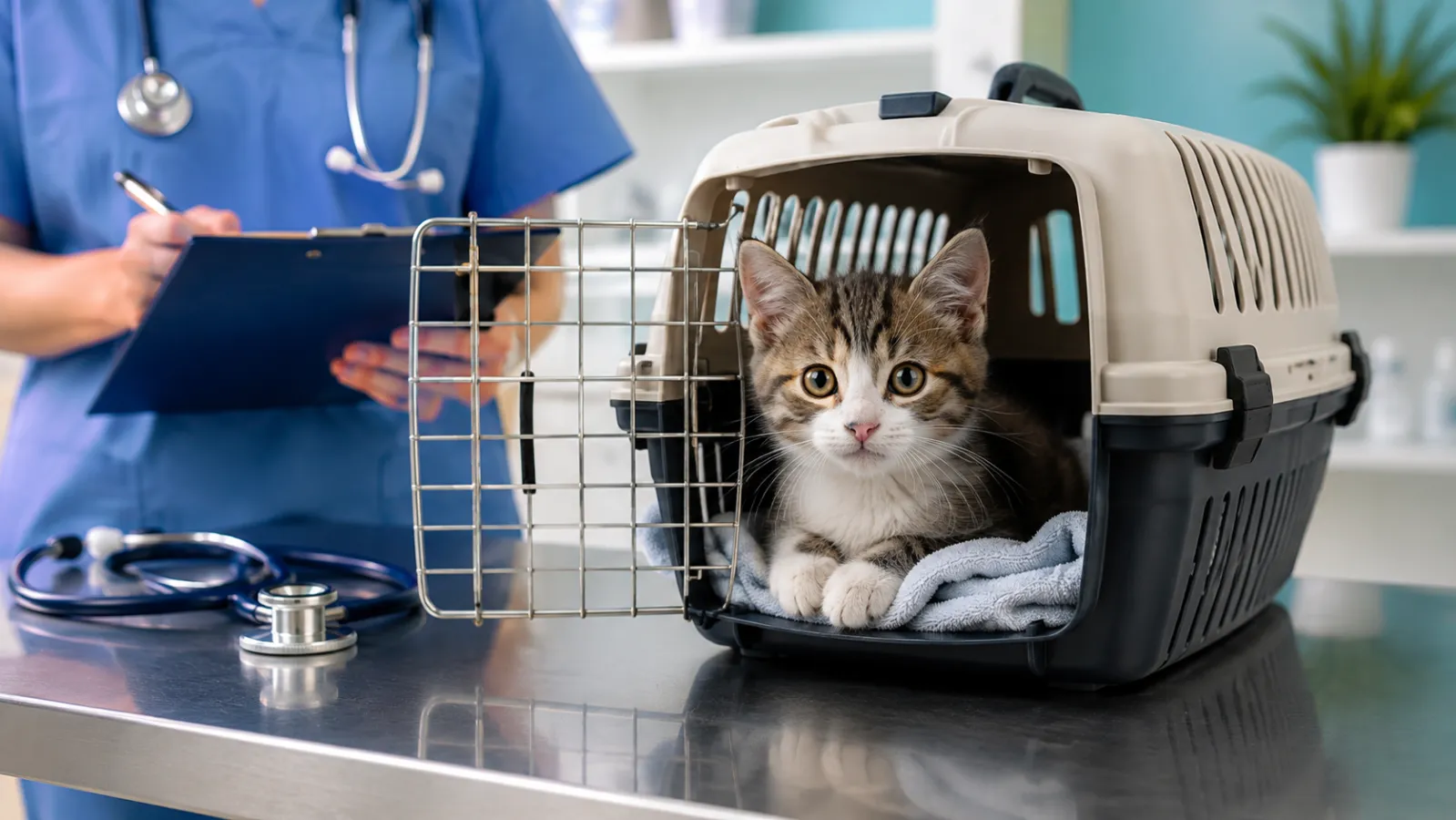
Bringing a new cat home is an exciting experience, but preparing for your cat’s arrival involves more than choosing a name and buying a bag of food. Whether you are adopting a playful kitten, welcoming an adult rescue, or bringing home your first indoor cat, having the right supplies ready can make the transition much easier.
Cats have specific needs for nutrition, hygiene, comfort, scratching, play, grooming, transportation, and healthcare. Fortunately, you do not need to buy every product available at a pet store. A few well-chosen essentials can provide everything your cat needs to feel safe, comfortable, and healthy.
Before bringing your new cat home, prepare the basics: food and water bowls, a litter box, appropriate litter, a secure carrier, a comfortable resting area, scratching surfaces, toys, grooming supplies, and essential healthcare items. Setting everything up in advance allows your cat to settle in without unnecessary stress.
1. Start With Food and Water Bowls
Food and water bowls are among the first supplies you should purchase. Your cat should have clean, accessible dishes for meals and fresh water every day.
Stainless steel bowls are an excellent choice for many cats because they are durable, easy to clean, and less likely to retain odors than some plastic bowls. Ceramic bowls can also work well when they are made from pet-safe materials and are free from cracks or damage.
When choosing bowls, consider:
- Stainless steel construction
- A stable, non-slip base
- Easy-to-clean surfaces
- A size that allows your cat to eat comfortably
- Separate food and water dishes
Keep food and water away from the litter box. Cats are naturally clean animals and may be reluctant to eat or drink if their feeding area is too close to their toilet area.
Fresh water should be available throughout the day. Some cats prefer moving water, so a cat water fountain can be useful if your cat does not drink enough from a traditional bowl.
You should also choose a nutritionally complete cat food appropriate for your cat's life stage. Kittens, adults, and senior cats can have different nutritional requirements. If you are changing the food your cat previously ate, transition gradually rather than making a sudden switch.
For cat food sold in the United States, check the package for an appropriate nutritional adequacy statement from the Association of American Feed Control Officials (AAFCO). Cornell also recommends feeding a nutritionally complete diet appropriate for the cat's life stage.
2. Choose the Right Litter Box
A litter box is not optional—it is one of the most important supplies your cat needs.
For a new owner, a simple, open litter box is often a good starting point. Some cats dislike enclosed boxes because they can feel cramped or trap odors. However, individual preferences vary.
Consider:
- The size of the box
- Easy access
- Low sides for kittens or older cats
- Easy cleaning
- A location with some privacy
- Enough space for your cat to turn around comfortably
One useful rule is to provide one litter box per cat, plus one extra. For example, a household with two cats should ideally have three litter boxes.
Place litter boxes in quiet, accessible areas rather than somewhere difficult to reach. Avoid putting them directly beside food and water.
Cleanliness is extremely important. Scoop waste regularly and clean the box according to the type of litter you use. A dirty litter box can cause some cats to avoid it and may contribute to inappropriate elimination.
3. Pick a Cat-Friendly Litter
Choosing cat litter can be surprisingly complicated because there are many options.
For beginners, clumping litter is often convenient because urine forms manageable clumps that can be removed without replacing all the litter immediately.
Other types include:
- Non-clumping clay litter
- Silica crystal litter
- Paper-based litter
- Wood-based litter
- Plant-based litter
Many cats prefer fine-textured, unscented litter. Cornell notes that most, although not all, cats prefer unscented, fine-textured litter.
Avoid assuming that the most heavily scented litter is the best. Strong fragrances may be unpleasant for some cats.
If you know which litter your cat was previously using, starting with the same type can make the transition easier. You can experiment with alternatives later if necessary.
4. Get a Secure Cat Carrier
A carrier is essential even if your cat is primarily an indoor pet.
You will need it for:
- Bringing your cat home
- Veterinary appointments
- Emergency transportation
- Moving
- Travel
- Evacuation during emergencies
Choose a sturdy carrier with good ventilation and a secure door. A hard-sided carrier is often a practical option because it is durable and easy to clean.
Do not wait until the day of a veterinary appointment to introduce the carrier. Leave it open in your home with a soft blanket or familiar bedding inside. You can occasionally place treats or toys inside to create positive associations.
A cat that sees the carrier as part of the normal environment may be less frightened when it eventually needs to travel.
5. Provide a Comfortable Cat Bed
Cats sleep a lot, so a comfortable resting space is an important part of your home's setup.
You do not necessarily need an expensive designer cat bed. Many cats are perfectly happy with a washable cushion, soft blanket, or simple enclosed bed.
Look for:
- Soft but durable material
- Easy washing
- A comfortable size
- Good insulation
- A quiet location
Your cat may choose to sleep somewhere completely different from the bed you purchased. That is normal.
Cats often like having multiple sleeping options. A warm bed near a window, a quiet corner, or an elevated perch can become a favorite resting location.
Do not be disappointed if your cat ignores the expensive bed and chooses a cardboard box instead. Providing choices is often more effective than trying to force a cat to use one particular sleeping area.
6. Buy a Scratching Post
A scratching post is not just a toy. Scratching is a normal feline behavior that helps cats stretch, mark territory, and maintain their claws.
Providing an appropriate scratching surface can also help protect furniture, carpets, and other household items.
A good scratching post should be:
- Stable
- Tall enough for a full-body stretch
- Made from an appealing scratching material
- Positioned where your cat is likely to use it
Sisal scratching posts are popular, but some cats prefer cardboard, wood, or other textures.
Pay attention to how your cat scratches. If your cat scratches vertically, choose a tall vertical post. If they prefer scratching floors or rugs, a horizontal cardboard scratcher may work better.
Cornell recommends matching the scratching post to the cat's preferred material and orientation and making sure the post is sturdy enough not to fall over.
If your cat scratches the sofa, place a scratching post near that area and reward them for using it. Once they consistently use the post, you can gradually move it if necessary.
7. Stock Up on Safe Cat Toys
Play is essential for cats, particularly indoor cats. Toys provide physical exercise, mental stimulation, and opportunities to express natural hunting behaviors.
A basic toy collection might include:
- Wand toys
- Small balls
- Catnip toys
- Kicker toys
- Crinkle toys
- Interactive puzzle toys
- Toy mice
Wand toys are especially useful because they allow you to interact with your cat while encouraging chasing and pouncing.
However, always supervise toys that contain strings, ribbons, feathers, or small detachable pieces. These items can become dangerous if swallowed.
Rotate toys instead of leaving every toy available all the time. Introducing a few toys at a time can keep play interesting.
Never use your hands or feet as toys. It may seem cute when a kitten attacks your fingers, but encouraging this behavior can lead to painful biting and scratching as the cat grows.
8. Prepare Basic Grooming Tools
Cats are naturally good groomers, but they still benefit from regular grooming.
Your grooming kit can include:
- Slicker brush
- Fine-tooth comb
- Nail clippers
- Cat-safe shampoo if needed
- Pet-safe grooming wipes
- Dental-care products recommended by your veterinarian
A slicker brush can be particularly useful for removing loose hair and helping prevent tangles in cats with appropriate coat types.
Long-haired cats generally require more grooming than short-haired cats. Regular brushing can help reduce loose fur around your home and allow you to notice changes in the skin or coat.
Nail clippers can also be useful. However, learn how to trim claws safely before attempting it. Only trim the appropriate tip of the claw and avoid the quick, which contains blood vessels and nerves.
If your cat strongly resists grooming, do not force the process. Introduce grooming gradually and reward calm behavior.
9. Keep Health Essentials Ready
Healthcare supplies are just as important as food and litter.
Before or shortly after bringing your cat home, arrange a veterinary appointment. A veterinarian can assess your cat's overall health and create an appropriate preventive-care plan based on age, lifestyle, location, and medical history.
Important healthcare considerations include:
- Vaccinations
- Parasite prevention
- Dental care
- Weight monitoring
- Spay or neuter planning when appropriate
- Microchipping
- Routine wellness examinations
- Flea and tick prevention when appropriate
- Heartworm and intestinal parasite prevention based on veterinary advice
Vaccination schedules are not identical for every cat. Veterinary guidelines recommend tailoring vaccination plans to factors such as age, lifestyle, exposure risk, and health status. Core vaccines commonly include protection against feline herpesvirus type 1, feline calicivirus, feline panleukopenia virus, and rabies, with additional vaccines considered according to risk.
Parasite prevention is another important consideration. AAHA/AAFP life-stage guidance recommends discussing broad-spectrum parasite control, including protection against fleas, intestinal parasites, and heartworms, with a veterinarian.
Keep your cat's veterinary records somewhere accessible. If you adopt from a shelter or rescue organization, ask for vaccination records, medical history, microchip information, and any other available documentation.
10. Consider Identification and Emergency Supplies
Even indoor cats can accidentally escape through an open door or window. Identification can make it easier to reunite with your cat.
A microchip is a permanent form of identification, while a properly fitted collar and identification tag can provide visible contact information.
Make sure your contact information remains current if your phone number or address changes.
You should also prepare a basic emergency kit containing items such as:
- Extra food and bottled water
- Spare litter
- Disposable litter box
- Medications prescribed by your veterinarian
- Towels or blankets
- Cleaning supplies
- Copies of veterinary records
- Secure carrier
Having these items ready can save valuable time during an unexpected emergency.
Common Mistakes New Cat Owners Make
Buying too much too quickly is one of the most common mistakes. You may be tempted to purchase every toy, bed, food, and accessory available, but your cat will have individual preferences.
Other common mistakes include:
Choosing scented litter without considering your cat
Strong fragrances may not appeal to every cat. Start with an unscented option if you are unsure.
Buying only one litter box
Even one cat may benefit from having more than one box, particularly in a larger home.
Skipping the scratching post
Scratching is normal behavior. Providing an appropriate scratching surface is much better than expecting your cat never to scratch.
Changing food suddenly
A sudden dietary change can cause digestive problems. Transition gradually when changing foods.
Ignoring preventive healthcare
Cats can hide signs of illness surprisingly well. Routine veterinary care helps identify problems before they become more serious.
Buying toys without considering safety
Avoid toys with loose pieces that your cat could swallow. Inspect toys regularly and replace damaged ones.
A Simple New Cat Shopping Checklist
Before your cat arrives, make sure you have the basics covered:
Feeding
- Stainless steel or ceramic food bowl
- Separate water bowl
- Complete, balanced cat food
- Optional water fountain
Litter
- Litter box
- Clumping or other suitable litter
- Litter scoop
- Litter mat
- Waste bags or disposal system
Comfort
- Cat bed or washable blanket
- Quiet resting area
- Optional elevated perch
Scratching and Play
- Scratching post
- Cardboard scratcher
- Wand toy
- Balls or interactive toys
- Puzzle toy
Grooming
- Slicker brush
- Comb if needed
- Nail clippers
- Cat-safe grooming supplies
Transportation
- Secure cat carrier
- Familiar blanket or towel
Health
- Veterinary appointment
- Vaccination records
- Parasite-prevention plan
- Microchip
- Identification tag
- Emergency contact information
Final Thoughts
Preparing for a new cat does not have to be overwhelming or expensive. The most important thing is to focus on the essentials that support your cat's health, safety, comfort, hygiene, and natural behavior.
Start with quality food and water bowls, a suitable litter box and litter, a secure carrier, comfortable sleeping space, scratching surfaces, safe toys, basic grooming tools, and a plan for veterinary care.
Remember that every cat is different. One cat may love a plush bed while another prefers a cardboard box. One may prefer a vertical scratching post, while another chooses a horizontal scratcher. Some cats love fountains, while others are perfectly happy drinking from a bowl.
The goal is not to create a perfect shopping list—it is to create an environment where your cat can eat comfortably, drink fresh water, use the litter box, scratch appropriately, play safely, rest peacefully, and receive proper healthcare.
With the right supplies prepared before your cat arrives, you can make those first days less stressful and give your new companion a strong foundation for a healthy and happy life.