Bringing home a new dog is an exciting experience, but it also comes with responsibilities. One of the most important is teaching your dog basic obedience commands. A well-trained dog is safer, happier, and much easier to live with. Whether you have a playful Labrador Retriever, an energetic Border Collie, a stubborn Bulldog, or a tiny Chihuahua, every dog benefits from learning essential commands through positive reinforcement.
Obedience training isn't about controlling your dog—it's about building trust, improving communication, and creating a lifelong partnership. The earlier you begin, the easier it becomes to establish good habits that last for years.
In this guide, you'll learn why basic obedience matters, how to teach the most important commands, common training challenges, and how to create a positive learning experience for dogs of every breed.
Why Basic Obedience Training Matters
Dogs naturally look for guidance from their owners. Without clear boundaries and consistent training, they create their own rules—which often include jumping on guests, pulling on the leash, barking excessively, or ignoring recall commands.
Teaching obedience provides numerous benefits:
- Improves safety around roads and public places
- Builds confidence in nervous dogs
- Strengthens communication between dog and owner
- Prevents unwanted behaviors from becoming habits
- Makes walks, vet visits, and travel less stressful
- Provides mental stimulation
- Helps dogs become calm, polite family members
Training is not just for puppies. Adult dogs can successfully learn new behaviors with patience and consistency.
Start Training Immediately
From the moment your puppy comes home, training has already begun—even if you haven't started formal lessons.
Puppies constantly observe the world around them. Every interaction teaches them what earns attention and what doesn't. If they discover that barking gets your attention or jumping earns affection, they'll repeat those behaviors.
Beginning early allows you to replace unwanted habits with positive ones before they become difficult to change.
Why Early Training Works
The first few months of a puppy's life are a critical learning period. During this stage, puppies learn rapidly and build lifelong habits.
Early training helps your puppy:
- Learn household rules
- Build confidence
- Develop self-control
- Strengthen trust with family members
- Prevent future behavioral problems
Even if your puppy is only eight weeks old, you can begin simple reward-based training immediately.
The Power of Positive Reinforcement
Modern dog trainers overwhelmingly recommend positive reinforcement because it encourages dogs to repeat desired behaviors without fear or intimidation.
Positive reinforcement simply means rewarding your dog immediately after they perform the correct behavior.
Rewards include:
- Small soft treats
- Praise ("Good dog!")
- Belly rubs or affection
- Favorite toys
- Short play sessions
When your dog associates obedience with positive experiences, learning becomes enjoyable.
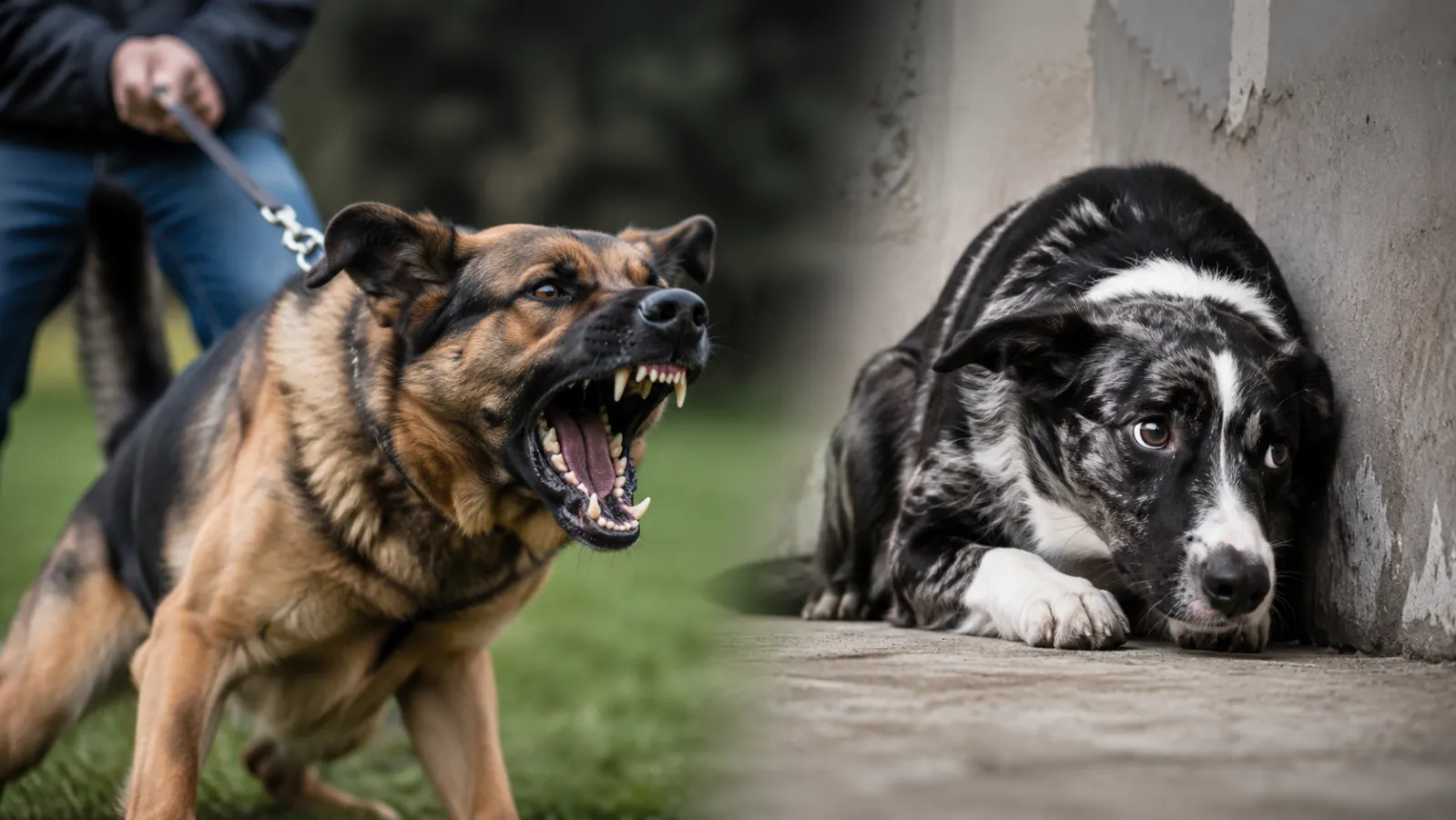
Avoid punishment-based methods such as yelling, leash jerks, or physical corrections. These techniques often create fear, anxiety, and confusion while damaging the relationship between owner and dog.
Essential Basic Obedience Commands
These eight commands form the foundation of every well-trained dog.
1. Sit
Why It Matters
Sit is usually the very first command puppies learn. It teaches self-control and becomes the starting point for many other behaviors.
A dog that knows "Sit" is less likely to:
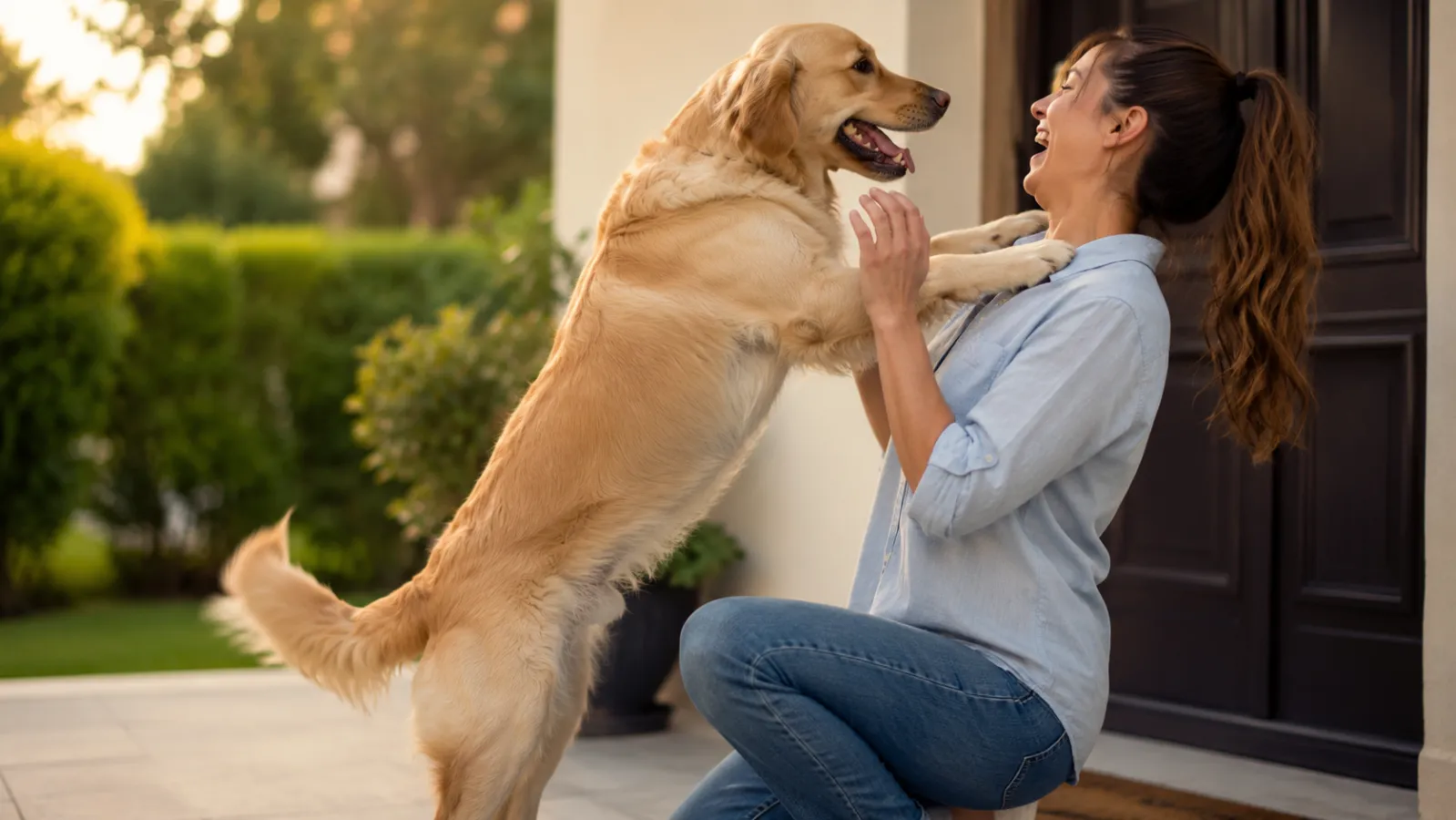
- Jump on guests
- Rush through doors
- Beg aggressively
- Become overly excited
How to Teach Sit
- Hold a treat near your dog's nose.
- Slowly raise the treat over their head.
- As their head follows the treat, their bottom naturally lowers.
- The moment they sit, say "Sit."
- Reward immediately.
- Repeat several short sessions daily.
Never push your dog's rear down manually. Allow them to perform the action naturally.
2. Stay
Why It Matters
Stay teaches patience and impulse control.
This command can prevent accidents by keeping your dog safely in one place during situations such as:
- Opening the front door
- Crossing streets
- Greeting visitors
- Waiting at the veterinarian
How to Teach Stay
- Ask your dog to sit.
- Hold your palm toward them and say "Stay."
- Take one step backward.
- If they remain still, immediately reward them.
- Gradually increase distance and duration.
- Always release them with a cue such as "Okay."
Build difficulty slowly to avoid frustration.
3. Come
Why It Matters
Come is arguably the most important command for your dog's safety.
Reliable recall can prevent your dog from:
- Running into traffic
- Chasing wildlife
- Getting lost
- Approaching dangerous animals
How to Teach Come
- Begin indoors with few distractions.
- Kneel down and cheerfully say "Come."
- Encourage your dog toward you.
- Reward generously when they arrive.
- Practice in larger spaces using a long training leash.
Never punish your dog after they come to you, even if they took a long time. You want them to associate coming with positive experiences.
4. Down
Why It Matters
Down helps dogs relax and remain calm during exciting situations.
It is especially useful for:
- Visitors arriving
- Restaurants with pet-friendly patios
- Veterinary waiting rooms
- Quiet evenings at home
How to Teach Down
- Begin with your dog sitting.
- Hold a treat near their nose.
- Slowly move the treat toward the floor.
- Move it forward slightly.
- As your dog follows the treat and lies down, reward immediately.
- Repeat until the behavior becomes consistent.
Patience is important, especially with energetic puppies.
5. Leave It
Why It Matters
Dogs explore the world with their mouths, making Leave It one of the most valuable safety commands.
It helps prevent dogs from picking up:
- Toxic foods
- Medications
- Sharp objects
- Trash
- Wildlife
How to Teach Leave It
- Hold a treat inside your closed fist.
- Allow your dog to sniff.
- Ignore pawing or licking.
- When they stop trying, say "Leave It."
- Reward with a different treat from your other hand.
Gradually increase the difficulty using objects placed on the floor.
6. Heel
Why It Matters
Heel teaches polite leash walking.
Instead of pulling constantly, your dog learns to walk calmly beside you.
Benefits include:
- More enjoyable walks
- Better control in crowds
- Reduced pulling injuries
- Improved focus
How to Teach Heel
- Hold treats beside your left or right leg.
- Say "Heel."
- Reward every few steps your dog remains beside you.
- Stop walking whenever they pull.
- Resume once they return to position.
Consistency is the key to successful leash training.
7. Wait
Why It Matters
Many owners confuse Wait with Stay.
Stay means remain in position until released.
Wait simply means pause briefly before moving.
Wait is useful for:
- Doorways
- Vehicle exits
- Food bowls
- Crossing streets
How to Teach Wait
- Ask your dog to stop at a doorway.
- Say "Wait."
- Open the door slightly.
- If your dog remains still, reward them.
- Release with a cue once it's safe.
This simple command prevents countless accidents.
8. Drop It
Why It Matters
Dogs often grab objects they shouldn't have.
Drop It allows you to safely remove dangerous items without chasing your dog.
It can prevent swallowing:
- Socks
- Children's toys
- Chicken bones
- Rocks
- Household objects
How to Teach Drop It
- Give your dog a toy.
- Offer a high-value treat.
- Say "Drop It."
- When they release the toy, reward immediately.
- Return the toy after rewarding.
This teaches your dog that letting go doesn't mean losing everything.
Keep Training Sessions Short
Dogs learn best through frequent, short practice sessions.
Aim for:
- 5–10 minutes per session
- Two to four sessions daily
- Plenty of breaks
- Ending on a successful repetition
Short lessons prevent boredom while keeping your dog motivated.
Adjust Training for Different Breeds
Every breed learns differently.
High-Energy Breeds
Examples:
- Border Collie
- Australian Shepherd
- Jack Russell Terrier
These dogs require both physical exercise and mental stimulation. Training games and puzzle toys work extremely well.
Independent Breeds
Examples:
- Shiba Inu
- Dachshund
- Afghan Hound
These breeds may question commands. Patience and rewarding every success are essential.
Large Breeds
Examples:
- German Shepherd
- Great Dane
- Rottweiler
Early obedience is especially important because these dogs become physically powerful very quickly.
Small Breeds
Examples:
- Chihuahua
- Yorkshire Terrier
- Pomeranian
Despite their size, small dogs need the same structure and consistency. Without training, they often develop excessive barking and nervous behaviors.
Common Training Challenges
Every owner encounters obstacles during training.
Biting and Nipping
Puppies naturally explore with their mouths.
Solution:
- Offer chew toys
- Stop play immediately after biting
- Reward gentle behavior
Short Attention Span
Young puppies become distracted easily.
Solution:
- Train in quiet areas
- Remove distractions initially
- Use high-value rewards
Inconsistent Household Rules
Mixed messages confuse dogs.
Solution:
Everyone should:
- Use identical commands
- Reward the same behaviors
- Follow consistent household rules
Owner Frustration
Progress isn't always linear.
Some days your dog may seem to forget everything.
Remain patient, celebrate small improvements, and remember that consistency produces long-term success.
Create a Daily Routine
Dogs thrive on predictable schedules.
Include:
- Morning potty break
- Short training session
- Walk
- Feeding
- Playtime
- Afternoon practice
- Evening relaxation
Many trainers recommend practicing commands before meals since dogs are naturally motivated by food rewards.
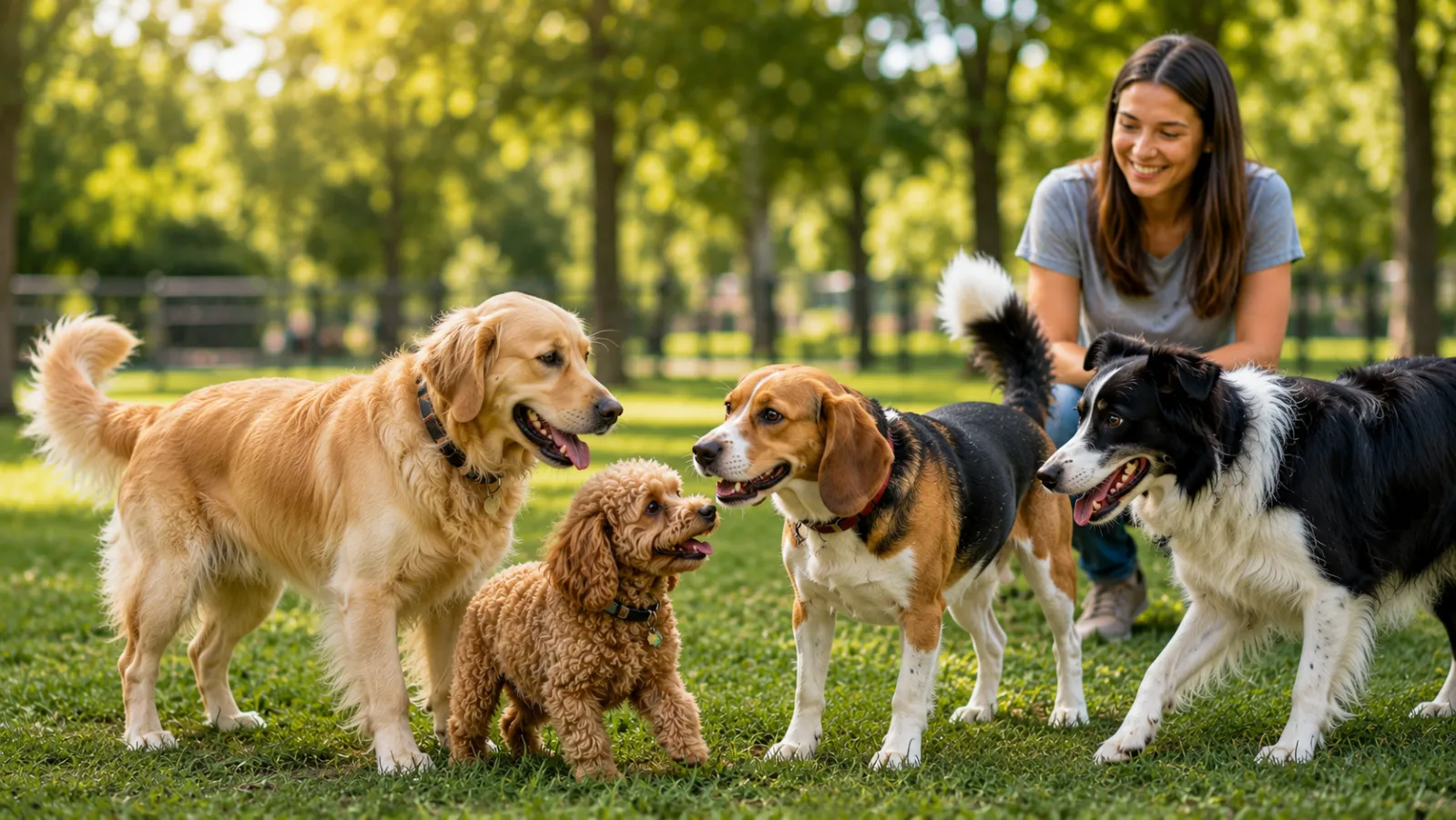
Socialization Is Part of Training
A well-trained dog also needs positive life experiences.
Safely expose your puppy to:
- Adults
- Children
- Friendly vaccinated dogs
- Car rides
- Parks
- Different flooring surfaces
- Household noises
- Grooming
- Veterinary visits
Proper socialization reduces fear and helps dogs respond confidently in new situations.
Build Lifelong Good Habits
Training doesn't stop after your dog learns basic commands.
Continue reinforcing skills throughout adulthood.
Practice during:
- Walks
- Family gatherings
- Park visits
- Vacations
- Daily routines
You can also teach fun tricks, scent games, agility, and advanced obedience to keep your dog's mind active.
Even senior dogs enjoy learning and benefit from continued mental stimulation.
Tips for Long-Term Success
- Be patient and consistent.
- Reward good behavior immediately.
- Train every day.
- Keep sessions fun and positive.
- Use the same commands every time.
- Increase distractions gradually.
- Never punish your dog for mistakes.
- Celebrate small victories.
- End every session on a positive note.
- Remember that every dog learns at their own pace.
Final Thoughts
Basic obedience training is one of the greatest gifts you can give your dog. Commands like Sit, Stay, Come, Down, Leave It, Heel, Wait, and Drop It aren't just tricks—they're essential life skills that improve safety, strengthen communication, and create a happier home.
Whether you're raising a playful puppy or adopting an older dog, positive reinforcement remains the most effective training method. Start early, stay consistent, keep sessions short, and make learning enjoyable. Every successful repetition builds confidence, deepens your bond, and helps your dog become a polite, well-adjusted companion.
Training is a lifelong journey rather than a one-time task. With patience, encouragement, and daily practice, your dog won't simply obey commands—they'll learn to trust you, communicate with you, and thrive as a beloved member of your family for many years to come.