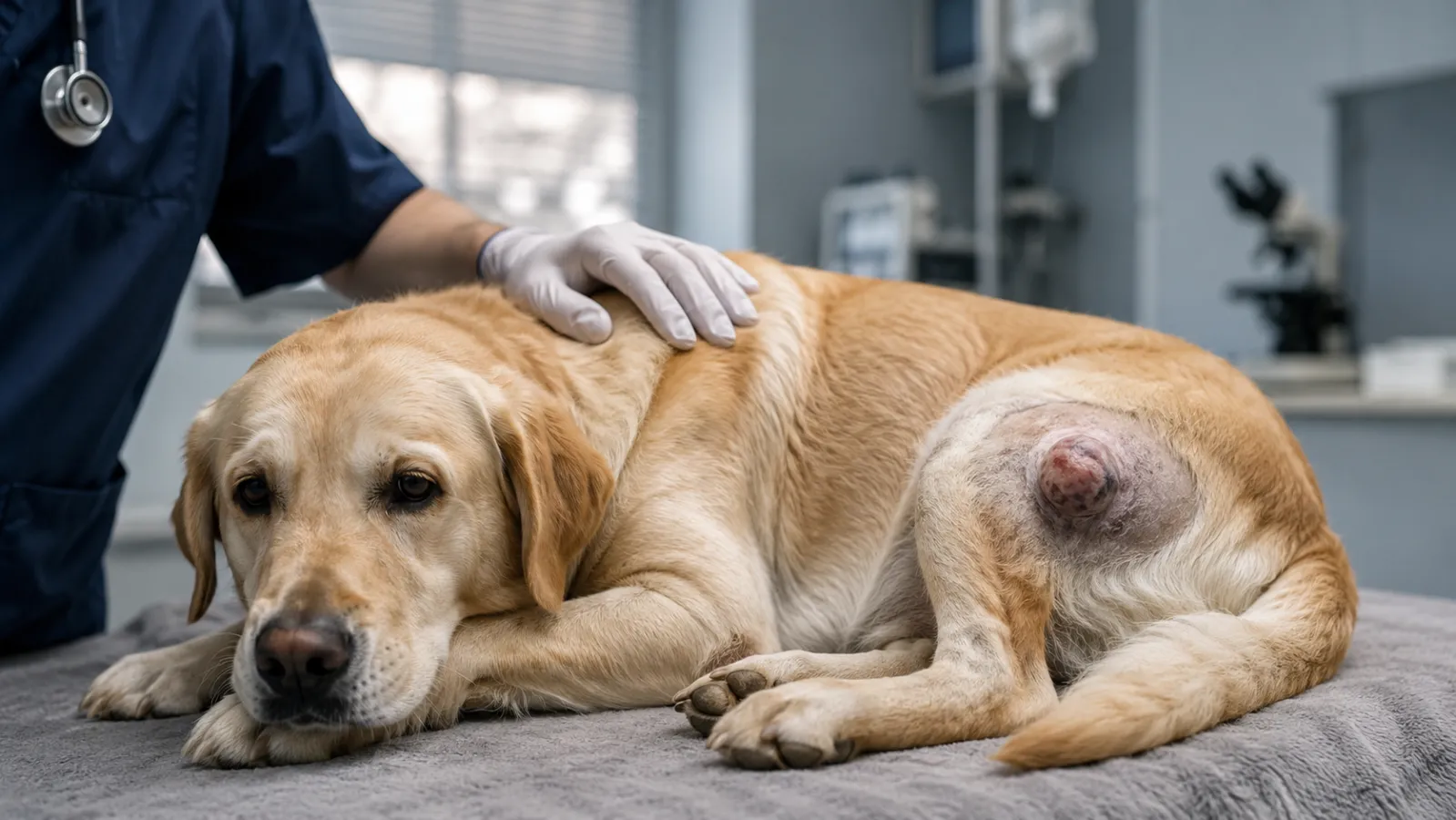
Skin allergies and itching are among the most common reasons dog owners visit the veterinarian. While an occasional scratch is perfectly normal, constant itching, licking, chewing, or rubbing can indicate an underlying health problem. Left untreated, skin allergies can lead to painful infections, hair loss, and significant discomfort, affecting your dog's quality of life.
Every dog, regardless of breed or age, can develop skin allergies. Some breeds are genetically more prone to allergic skin diseases, while others may develop allergies due to environmental factors, parasites, or food sensitivities. Understanding the causes, recognizing the symptoms early, and taking preventive measures can help keep your dog comfortable and healthy.
This comprehensive guide explains everything you need to know about skin allergies and itching in dogs, including causes, warning signs, treatment options, and practical prevention tips.
Why Skin Allergies Are a Concern
Unlike humans, dogs often show allergic reactions through their skin rather than sneezing or watery eyes. Persistent itching damages the skin barrier, allowing bacteria and yeast to invade, leading to secondary infections that require medical treatment.
Untreated skin allergies may cause:
- Constant scratching and discomfort
- Hair loss and bald patches
- Red, inflamed skin
- Ear infections
- Open sores and hot spots
- Skin thickening and dark pigmentation
- Chronic pain and reduced quality of life
Because allergies usually worsen over time rather than disappear on their own, early diagnosis and management are essential.
Common Causes of Skin Allergies in Dogs
Several different conditions can cause itching in dogs. Identifying the exact cause is the first step toward effective treatment.
1. Environmental Allergies (Atopic Dermatitis)
Environmental allergies are among the most common causes of chronic itching.
Dogs may react to:
- Pollen
- Grass
- Mold spores
- Dust mites
- Household dust
- Certain plants
These allergies are often seasonal but may become year-round depending on the allergen.
Commonly affected areas include:
- Face
- Paws
- Belly
- Armpits
- Ears
Many dogs repeatedly lick their paws after spending time outdoors.
2. Flea Allergy Dermatitis
Some dogs are extremely sensitive to flea saliva. Even a single flea bite can trigger intense itching for days or weeks.
Signs include:
- Excessive scratching near the tail
- Hair loss around the lower back
- Red bumps
- Skin irritation
- Scabs
Dogs with flea allergies require consistent flea prevention throughout the year.
3. Food Allergies
Food allergies are less common than environmental allergies but still affect many dogs.
The most common food allergens include:
- Beef
- Chicken
- Dairy
- Eggs
- Wheat
- Soy
Unlike environmental allergies, food allergies can occur throughout the year.
Dogs may experience:
- Itchy skin
- Ear infections
- Paw licking
- Digestive upset
- Chronic skin infections
4. Contact Allergies
Some dogs develop allergic reactions after direct contact with certain materials.
Possible triggers include:
- Cleaning products
- Lawn chemicals
- Certain shampoos
- Plastic food bowls
- Synthetic fabrics
- Carpet cleaners
The affected skin is usually limited to areas that touched the irritant.
5. Parasites
Besides fleas, other parasites can cause severe itching.
These include:
- Mange mites
- Ear mites
- Lice
- Ticks
Veterinary examination is necessary to identify these parasites.
Dogs Most Prone to Skin Allergies
Although any dog can develop allergies, some breeds have a higher risk.
These include:
- Labrador Retriever
- Golden Retriever
- French Bulldog
- Boxer
- German Shepherd
- West Highland White Terrier
- Cocker Spaniel
- Bulldog
- Shih Tzu
- Pug
Mixed-breed dogs can also develop allergic skin disease.
Common Symptoms of Skin Allergies
Skin allergies rarely appear as just scratching.
Watch for signs such as:
Constant Scratching
Dogs may scratch throughout the day and even wake during the night.
Excessive Licking
Many allergic dogs repeatedly lick:
- Feet
- Legs
- Belly
Continuous licking can stain the fur brown and worsen skin damage.
Biting and Chewing
Dogs often chew itchy areas until the skin becomes raw.
Red or Inflamed Skin
Inflammation is one of the earliest visible signs of allergies.
Affected areas often appear:
- Pink
- Bright red
- Warm
- Swollen
Hair Loss
Repeated scratching and chewing can remove large amounts of fur.
Hair loss commonly develops around:
- Tail
- Neck
- Paws
- Belly
- Face
Ear Infections
Recurring ear infections are frequently linked to allergies.
Signs include:
- Head shaking
- Ear odor
- Red ears
- Brown discharge
- Scratching around the ears
Hot Spots
Hot spots are moist, painful skin infections that can spread rapidly.
They usually develop because of excessive scratching or licking.
Thickened Skin
Long-term allergies may cause the skin to become:
- Dark
- Thick
- Wrinkled
- Rough
This indicates chronic inflammation.
How Veterinarians Diagnose Skin Allergies
Diagnosing allergies often requires ruling out several other skin conditions.
Your veterinarian may recommend:
Physical Examination
A complete skin examination identifies affected areas and possible causes.
Skin Scraping
This helps detect mites and certain parasites.
Flea Evaluation
Even if fleas aren't visible, flea allergy remains possible.
Allergy Testing
Blood or skin tests can identify environmental allergens.
Food Elimination Trial
Dogs suspected of food allergies may eat a prescription elimination diet for 8–12 weeks.
This remains the gold standard for diagnosing food allergies.
Ear and Skin Cytology
Microscopic examination identifies bacterial or yeast infections that commonly accompany allergies.
Treatment Options
Treatment depends on the underlying cause and the severity of symptoms.
Treat Secondary Infections
Many allergic dogs require treatment for:
- Bacterial infections
- Yeast infections
This may include antibiotics, antifungal medications, or medicated shampoos.
Anti-Itch Medications
Veterinarians may prescribe medications that reduce itching and inflammation.
These help break the itch-scratch cycle while addressing the underlying allergy.
Allergy Immunotherapy
For environmental allergies, customized allergy injections or oral drops may reduce long-term sensitivity.
Although improvement takes several months, many dogs experience lasting relief.
Prescription Diets
Dogs with food allergies often improve dramatically after switching to a veterinarian-approved hypoallergenic diet.
Avoid introducing treats or table scraps during the elimination period.
Flea Prevention
Monthly flea prevention is essential, especially for dogs with flea allergy dermatitis.
Treat every pet in the household to prevent reinfestation.
Medicated Baths
Special shampoos can:
- Remove allergens
- Soothe inflamed skin
- Reduce bacteria
- Hydrate dry skin
Always use products formulated specifically for dogs.
Daily Skin Care Tips
Simple daily habits can significantly reduce allergic flare-ups.
Brush Regularly
Brushing removes dirt, pollen, loose fur, and allergens trapped in the coat.
Wipe Paws After Walks
Cleaning your dog's paws after outdoor walks helps remove grass pollen and other allergens.
Keep Bedding Clean
Wash blankets and bedding weekly using pet-safe detergent.
Maintain Good Nutrition
Healthy skin depends on a balanced diet rich in essential nutrients.
Omega-3 fatty acids may support skin health when recommended by your veterinarian.
Keep the Home Clean
Vacuum frequently to reduce:
- Dust
- Hair
- Dust mites
- Environmental allergens
Air purifiers may also help dogs with environmental allergies.
Preventing Skin Allergies
While not every allergy can be prevented, proper care reduces the likelihood of severe flare-ups.
Control Fleas Year-Round
Never skip flea prevention, even during colder months.
Feed a High-Quality Diet
Balanced nutrition supports healthy skin and a stronger immune system.
Avoid frequent changes in diet unless recommended by your veterinarian.
Bathe Appropriately
Bathing every few weeks with a gentle dog shampoo helps remove allergens without drying the skin.
Avoid excessive bathing, which can damage the natural skin barrier.
Maintain Healthy Weight
A healthy body supports better immune function and skin health.
Overweight dogs may have reduced mobility, making skin care more difficult.
Maintain a healthy weight by:
- Feeding measured portions rather than free-feeding.
- Limiting treats to less than 10% of daily calorie intake.
- Exercising daily according to your dog's breed, age, and health condition.
- Scheduling regular weight checks with your veterinarian.
Watch for Early Signs
Treating mild itching early is far easier than managing advanced skin disease.
Monitor your dog for:
- Frequent scratching
- Paw licking
- Ear infections
- Hair thinning
- Red skin
Early veterinary care often prevents more serious complications.
Common Mistakes Owners Should Avoid
Many well-meaning owners unintentionally make allergies worse.
Avoid these mistakes:
Ignoring Persistent Itching
If your dog scratches every day for weeks, veterinary evaluation is necessary.
Using Human Creams
Many human medications contain ingredients that are unsafe if dogs lick them.
Always consult your veterinarian before applying topical products.
Over-Bathing
Bathing too often strips natural oils, making dry skin even worse.
Switching Foods Too Frequently
Changing diets repeatedly without veterinary guidance makes diagnosing food allergies much more difficult.
Skipping Flea Prevention
Even indoor dogs can develop flea infestations.
Consistent prevention remains the safest approach.
When to Visit the Veterinarian
Seek veterinary attention if your dog:
- Scratches constantly
- Has bleeding or open sores
- Develops hair loss
- Has recurring ear infections
- Shows signs of pain
- Has a foul skin odor
- Experiences itching that lasts more than a few days
- Becomes restless or unable to sleep because of itching
Prompt treatment prevents worsening skin damage and improves your dog's comfort.
Building a Lifelong Skin Care Routine
Managing skin allergies is often a lifelong commitment rather than a one-time treatment. Many dogs require ongoing care to keep symptoms under control. Regular grooming, balanced nutrition, routine parasite prevention, and veterinary check-ups all play important roles in maintaining healthy skin.
Owners should also keep track of seasonal flare-ups, changes in diet, new household products, or environmental exposures that may trigger allergic reactions. Identifying patterns can help your veterinarian create a more effective long-term management plan.
With consistent care and early intervention, most dogs with skin allergies can live comfortable, active, and happy lives.
Final Thoughts
Skin allergies and itching are common problems, but they should never be ignored. Persistent scratching, licking, or chewing often signals an underlying issue that requires attention. Whether the cause is environmental allergens, fleas, food sensitivities, or parasites, early diagnosis and proper treatment can prevent discomfort and serious skin infections.
By maintaining regular grooming, feeding a balanced diet, using year-round parasite prevention, monitoring your dog's skin, and seeking veterinary advice when symptoms first appear, you can greatly reduce the impact of skin allergies. With patience, consistency, and proper medical care, your dog can enjoy healthy skin, lasting comfort, and a better quality of life.