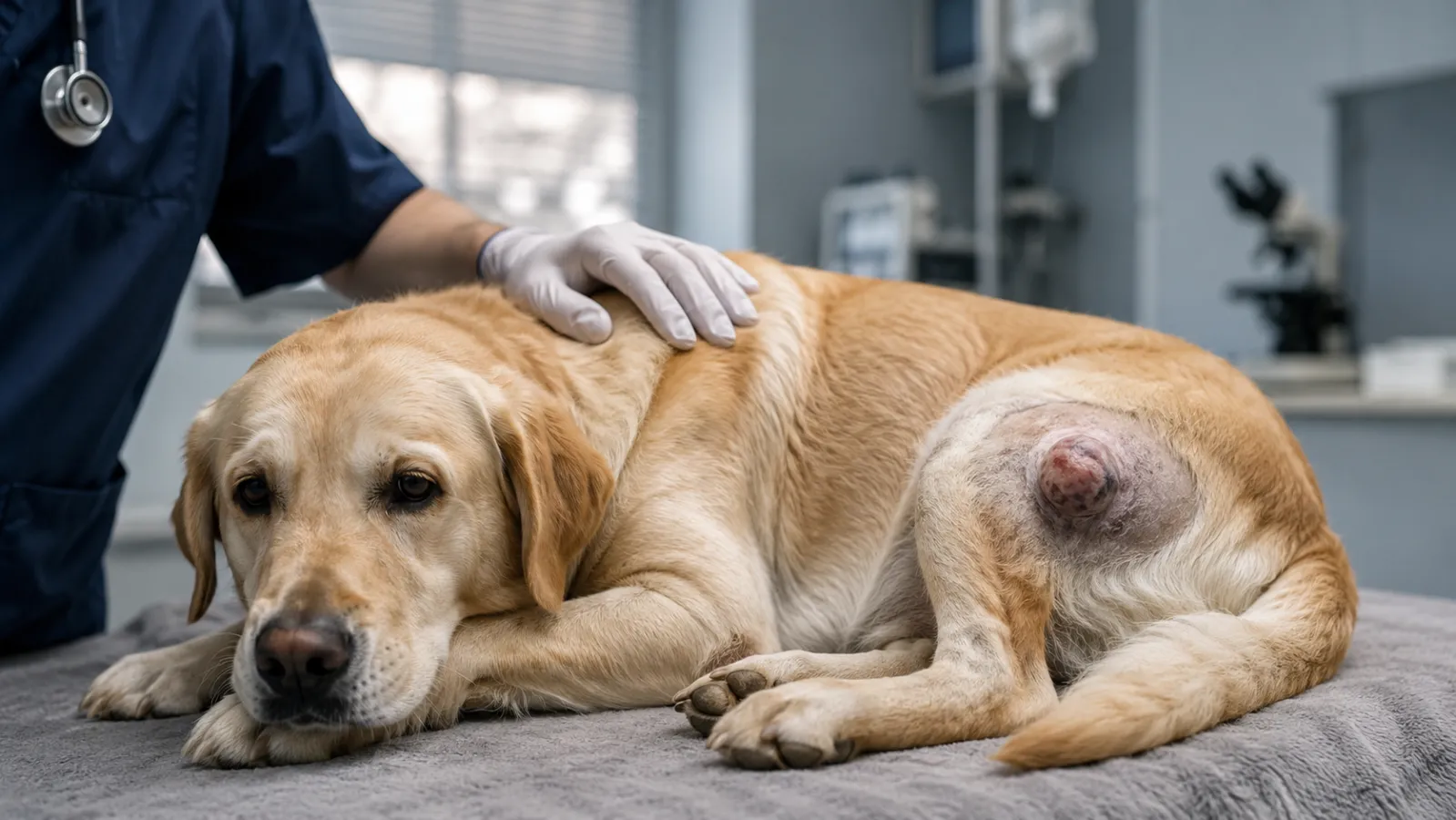
Diabetes is one of the most common hormonal disorders affecting dogs, and with proper treatment, most diabetic dogs can enjoy a long, active, and happy life. The condition develops when the body cannot produce enough insulin or cannot use insulin effectively, causing blood sugar levels to remain abnormally high.
Although diabetes requires lifelong care, early diagnosis and consistent management can prevent many serious complications. Understanding the warning signs, knowing what causes the disease, and following a veterinarian-approved treatment plan can make a significant difference in your dog's quality of life.
This guide explains everything dog owners need to know about canine diabetes, including symptoms, diagnosis, treatment options, daily management, and ways to help your dog live comfortably.
What Is Diabetes in Dogs?
Diabetes mellitus is a disease in which the body is unable to regulate blood glucose (blood sugar) properly. Normally, insulin—produced by the pancreas—allows glucose to enter cells where it is converted into energy.
In diabetic dogs, this process fails because:
- The pancreas produces little or no insulin.
- The body cannot effectively use the insulin that is produced.
As a result, glucose builds up in the bloodstream while the body's cells are deprived of energy. This imbalance affects nearly every organ and, if left untreated, can become life-threatening.
Unlike humans, most diabetic dogs require insulin therapy throughout their lives.
Which Dogs Are Most at Risk?
Although any dog can develop diabetes, some are more likely to be affected.
Risk factors include:
- Middle-aged and senior dogs
- Female dogs, particularly those that are unspayed
- Overweight or obese dogs
- Dogs with chronic pancreatitis
- Dogs receiving long-term steroid medications
- Certain genetic predispositions
Breeds commonly associated with higher diabetes risk include:
- Miniature Schnauzers
- Poodles
- Dachshunds
- Beagles
- Samoyeds
- Cairn Terriers
- Australian Terriers
Having a higher-risk breed does not guarantee diabetes, but it does mean owners should monitor for symptoms carefully.
Common Symptoms of Diabetes in Dogs
Diabetes often develops gradually. Many owners initially mistake the symptoms for normal aging.
Increased Thirst
One of the earliest and most noticeable signs is excessive drinking. Dogs with diabetes lose large amounts of water through urine because excess glucose draws water out of the body.
Your dog may:
- Empty the water bowl more frequently
- Wake up at night to drink
- Constantly search for water
Persistent excessive thirst should never be ignored.
Frequent Urination
Because diabetic dogs drink more water, they also urinate more often.
You may notice:
- More frequent bathroom trips
- Larger amounts of urine
- Accidents indoors
- Asking to go outside during the night
Frequent urination is often one of the first symptoms owners recognize.
Weight Loss Despite Eating Normally
One confusing sign is weight loss even though the dog continues eating well—or sometimes eats even more than usual.
Without insulin, glucose cannot enter the cells for energy. Instead, the body begins breaking down fat and muscle, leading to gradual weight loss.
This symptom is especially concerning when appetite remains normal.
Cataracts
Diabetes is one of the leading causes of cataracts in dogs.
High blood sugar causes changes within the eye lens, making it cloudy.
Signs include:
- Cloudy or bluish eyes
- Difficulty seeing
- Bumping into furniture
- Hesitation on stairs
- Reduced confidence in unfamiliar places
Some dogs can develop cataracts rapidly, sometimes within weeks of diagnosis.
Fatigue
Dogs with diabetes often appear tired because their bodies cannot efficiently convert glucose into usable energy.
They may:
- Sleep more
- Lose interest in walks
- Tire easily
- Become less playful
Persistent fatigue combined with increased thirst and urination should prompt a veterinary visit.
Other Possible Symptoms
Additional warning signs include:
- Increased appetite
- Poor coat condition
- Recurrent urinary tract infections
- Slow wound healing
- Weakness
- Sweet-smelling breath in advanced cases
- Vomiting (during diabetic emergencies)
These symptoms may vary depending on disease severity.
What Causes Diabetes in Dogs?
Several factors contribute to diabetes development.
Pancreatic Damage
Inflammation of the pancreas (pancreatitis) may permanently damage insulin-producing cells.
Obesity
Excess body fat decreases insulin sensitivity, making blood sugar regulation more difficult.
Maintaining a healthy weight significantly lowers risk.
Hormonal Disorders
Certain diseases affect insulin action, including:
- Cushing's disease
- Hormonal changes associated with pregnancy
- Heat cycles in unspayed females
Genetics
Some breeds inherit a greater tendency to develop diabetes.
Responsible breeding helps reduce inherited risk.
Long-Term Medication Use
Extended use of corticosteroids can interfere with insulin function and increase diabetes risk.
Always use these medications only under veterinary supervision.
How Veterinarians Diagnose Diabetes
Diagnosis typically includes several tests.
Physical Examination
Your veterinarian evaluates:
- Body weight
- Hydration
- Eye health
- Overall condition
Blood Tests
Blood tests measure glucose levels.
Consistently elevated blood sugar strongly suggests diabetes.
Urinalysis
Healthy dogs normally have no glucose in their urine.
Finding glucose in urine alongside elevated blood sugar confirms diabetes in many cases.
Additional Testing
Your veterinarian may also evaluate:
- Kidney function
- Liver health
- Pancreatic function
- Cholesterol
- Electrolytes
These tests help identify related conditions and guide treatment.
Diabetes Management in Dogs
Managing diabetes requires lifelong commitment but becomes routine for most owners.
Insulin Injections
Most diabetic dogs require insulin injections every day.
Modern insulin needles are extremely small, and most dogs tolerate injections very well.
Owners are taught how to:
- Measure insulin accurately
- Give injections safely
- Store insulin correctly
- Rotate injection sites
Never change the insulin dose without veterinary guidance.
Prescription Diet
Nutrition plays a major role in diabetes management.
Veterinarians often recommend prescription diets formulated specifically for diabetic dogs.
These diets typically:
- Provide controlled carbohydrate levels
- Support healthy weight
- Promote stable blood sugar
- Contain appropriate fiber levels
Feeding should occur at the same times every day.
Consistency is one of the most important parts of successful diabetes treatment.
Consistent Exercise
Exercise improves insulin efficiency and helps maintain healthy body weight.
Good exercise habits include:
- Walking daily
- Keeping exercise duration consistent
- Avoiding sudden intense activity
- Monitoring for fatigue
Large fluctuations in exercise can cause unpredictable blood sugar changes.
Regular Blood Glucose Monitoring
Monitoring helps ensure insulin is working correctly.
Veterinarians may recommend:
- Blood glucose curves
- Home glucose monitoring
- Continuous glucose monitors in some cases
- Periodic urine testing
Routine monitoring allows insulin doses to be adjusted safely.
Establishing a Daily Routine
Dogs with diabetes thrive on consistency.
A typical schedule includes:
Morning:
- Feed breakfast
- Give insulin
- Short walk
Afternoon:
- Regular activity
- Fresh water available
Evening:
- Dinner at the same time
- Second insulin injection (if prescribed)
- Gentle exercise
Keeping meals, medications, and walks on schedule greatly improves blood sugar stability.
Can Dogs Live Normal Lives with Diabetes?
Yes.
Many diabetic dogs live for years after diagnosis.
Success depends on:
- Early diagnosis
- Owner commitment
- Consistent insulin administration
- Appropriate diet
- Routine veterinary checkups
Many dogs return to their normal personalities once treatment begins.
Complications of Untreated Diabetes
Without treatment, diabetes becomes progressively worse.
Potential complications include:
Diabetic Ketoacidosis (DKA)
This is a medical emergency.
Symptoms include:
- Vomiting
- Severe weakness
- Collapse
- Loss of appetite
- Dehydration
Immediate veterinary treatment is required.
Cataracts and Blindness
Many diabetic dogs eventually develop cataracts.
Early diagnosis and proper management may reduce the speed of progression.
Urinary Tract Infections
High glucose levels encourage bacterial growth.
Signs include:
- Frequent urination
- Blood in urine
- Straining
- Pain during urination
Poor Healing
Elevated blood sugar slows healing and increases infection risk.
Small cuts and wounds should always be monitored carefully.
Caring for a Diabetic Dog at Home
Home care makes the biggest difference in long-term success.
Helpful tips include:
- Give insulin exactly as directed.
- Feed meals at the same times daily.
- Avoid unnecessary treats.
- Monitor water intake.
- Record insulin doses and symptoms.
- Attend regular veterinary appointments.
- Watch for behavior changes.
- Keep emergency contact numbers available.
Routine creates stability and helps prevent complications.
Preventing Diabetes in Dogs
Not every case can be prevented, but healthy lifestyle choices reduce risk.
Maintain a Healthy Weight
Obesity increases insulin resistance.
Feed measured portions rather than free-feeding.
Provide Daily Exercise
Regular physical activity supports healthy metabolism.
Choose activities appropriate for your dog's age and breed.
Feed a Balanced Diet
High-quality nutrition supports overall health.
Avoid excessive table scraps and sugary foods.
Schedule Routine Veterinary Visits
Annual or twice-yearly checkups help detect diabetes before severe symptoms develop.
Senior dogs benefit from regular bloodwork.
Manage Other Health Conditions
Treating pancreatitis, hormonal disorders, and obesity may reduce diabetes risk.
When Should You Visit a Veterinarian?
Seek veterinary attention if your dog experiences:
- Increased thirst
- Frequent urination
- Weight loss despite eating
- Fatigue
- Cloudy eyes
- Sudden blindness
- Vomiting
- Weakness
- Loss of appetite
Early treatment leads to better long-term outcomes.
Final Thoughts
A diagnosis of diabetes can feel overwhelming at first, but it does not mean your dog's quality of life has to suffer. With insulin injections, a prescription diet, consistent exercise, and regular blood glucose monitoring, most diabetic dogs adapt remarkably well and continue to enjoy many happy years with their families.
The key to successful diabetes management is consistency. Following the same daily routine, attending regular veterinary checkups, and monitoring for changes in thirst, urination, weight, or energy levels can help prevent serious complications and keep blood sugar under control. By staying committed to your dog's treatment plan and working closely with your veterinarian, you can provide the care your companion needs to live a healthy, comfortable, and active life.