
Helping Your Puppy Feel Safe in a Busy World
Your puppy is mid-zoom around the living room, completely absorbed in a squeaky toy, when the doorbell rings. Or a scooter rips past outside. Or a stranger steps into the garden. Suddenly that confident little explorer freezes, ducks behind your legs, or starts barking like the sky is falling.
Everyday life is full of these moments for a young dog. Things that barely register for us can feel brand new and uncertain to them. The good news is that the way you introduce those moments now can shape how calmly your dog handles them later.
Socialization isn’t about dragging your puppy to meet every person, dog, and noisy machine on the planet. It’s about helping them learn, at a pace they can handle, that the world is mostly safe. Some puppies bounce toward new things with their tails up. Others need more space and time. Both are normal.
The goal is simple: teach your puppy that unfamiliar things can be approached (or observed) without pressure or panic.
What socialization really means
The main window when puppies are especially open to learning about the world is roughly 3 to 16 weeks of age. Positive, calm experiences during this time help them form useful associations with people, sounds, surfaces, and situations they’re likely to meet later. Socialization doesn’t slam shut at four months, though. Older puppies and adult dogs can keep learning—they just may need more patience and smaller steps.
Good socialization gives your puppy the chance to:
- See different kinds of people (adults, children, people in hats, glasses, uniforms, or using walking aids)
- Hear ordinary household and outdoor sounds—vacuums, doorbells, traffic, kitchen appliances
- Walk on varied safe surfaces: grass, pavement, rugs, different indoor floors
- Watch new environments without being forced to engage
- Meet suitable, healthy dogs in controlled, calm settings
- Get used to gentle handling of paws, ears, mouth, and body
- Experience normal activities like short car rides, grooming, and vet visits
What’s deliberately missing from that list? Any rule that your puppy must greet everyone. Watching people walk past from a comfortable distance counts. So does choosing not to approach a particular dog. Quality matters far more than quantity.
For more on those first weeks at home, see Your First Puppy: Start Training Early for Lifelong Good Behavior.
Start where your puppy already feels safe
You don’t need a rigid schedule or daily field trips. Begin at home.
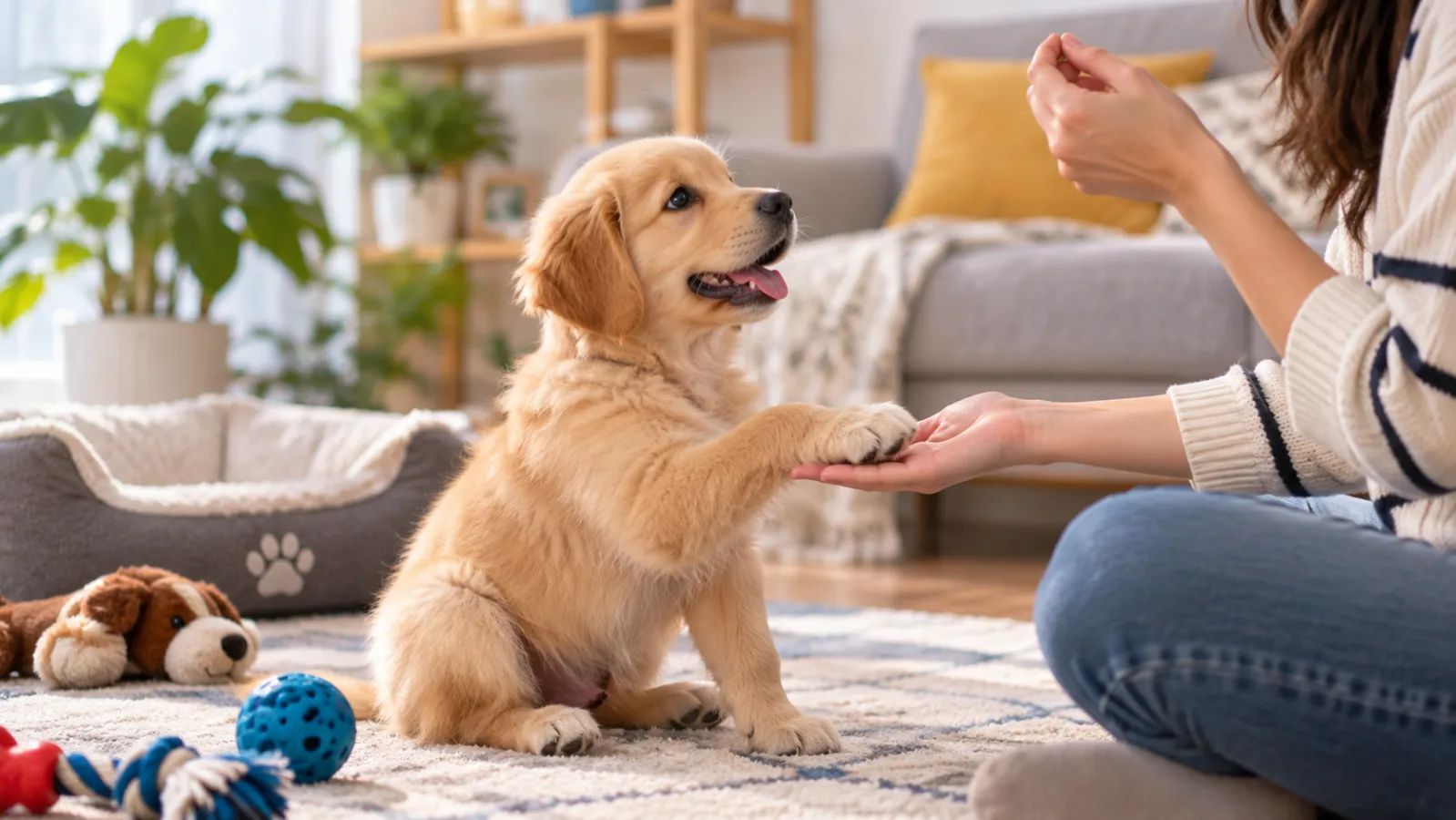
Let your puppy explore the sounds and surfaces already around them. Introduce new objects gradually—leave the vacuum cleaner sitting quietly in a room rather than switching it on right in front of them. Reward calm curiosity with a small treat or quiet praise. If they move away, let them. There’s no bravery test here.
When visitors come, ask them to approach calmly and give the puppy space to decide whether to come closer. Some puppies will bound up for attention. Others prefer to watch from a few feet away first. Both responses are fine. Supervise children carefully—teach them not to chase, hug tightly, corner, or pick up the puppy without help. Even the friendliest young dog needs undisturbed rest.
People who look or move differently (someone with a walking stick, a motorcycle helmet, or a different gait) can look surprising to a puppy. A treat tossed gently on the floor often works better than a hand reaching over their head.
If you’re still choosing a dog for a household with children, Large Dog Breeds: Gentle Giants has related reading—though individual temperament, training, and a child’s ability to respect boundaries matter at least as much as breed size.
Everyday noises and other dogs
A sudden doorbell, a barking dog next door, or a motorcycle starting can startle any puppy. Simply turning up the volume doesn’t automatically make the sound easier to live with—the puppy’s emotional response does.
Start quiet. If you’re using a recording, keep it low enough that your puppy notices but doesn’t freeze or try to escape. Pair it with something pleasant—a treat, a bit of play, or a familiar routine. If they stop eating, hide, or look tense, turn it down or increase distance. A calm reaction to a quiet version is a far better foundation than forcing tolerance of the loudest possible noise.
Meeting other dogs can teach useful social skills, but only if the meetings feel safe. Choose healthy, appropriately vaccinated dogs known for gentle interactions. Supervise closely and let either dog move away when they want a break. Loose, relaxed bodies and voluntary re-engagement are good signs. Persistent chasing, stiff posture, cornering, or repeated escape attempts mean it’s time to change the setup.
Size, play style, age, and temperament all affect whether two dogs actually enjoy each other. A well-run puppy class that uses reward-based methods and carefully manages interactions can help. Puppies don’t need constant playtime—learning to settle and watch calmly is valuable too.
New places, carefully
Once you’ve checked with your veterinarian about health and vaccination status, you can gradually introduce new environments. Depending on local disease risks and your vet’s advice, that might mean:
- Being carried while watching people and traffic from a quiet outdoor spot
- Short car rides to calm locations
- Exploring clean, low-risk areas with permission
- Observing bicycles, cars, and other dogs from a comfortable distance
- Quiet dog-friendly settings where young puppies are allowed
Exposure doesn’t always mean participation. Watching a busy street from a safe distance teaches something useful without walking right beside heavy traffic. Keep outings short and matched to your puppy’s age, energy, and physical ability. A successful five-minute outing beats a longer trip that leaves them overwhelmed. Predictable routines help—see Create a Daily Routine for ideas on building consistency.
Reading your puppy’s body language
Puppies can’t tell you in words when something is too much, but their bodies usually do.
A relaxed puppy might sniff the ground, investigate, take a treat, or go back to exploring after noticing something new. A worried one may freeze, tuck their tail, lower their body, tremble, hide, try to move away, turn their head, lick their lips, or yawn in a stressful moment. They may refuse food they normally love, or bark, growl, or lunge if they feel trapped.
No single signal is the whole story—context matters. If your puppy looks uncomfortable, create more distance and let them settle before deciding whether to try again. And if they growl, don’t punish them for it. A growl is information: “I need space or a change.” Suppressing the warning doesn’t remove the fear; it can make the dog feel they have fewer options.
For ongoing fear or strong reactions, talk with your veterinarian. They can rule out medical causes and point you toward a qualified, reward-based behavior professional. You can also read more about Anxiety and Behavioral Health.
The vaccination question
This is the worry that keeps many new puppy owners awake: how do you socialize before the full set of vaccinations is done?
Isolation until the last shot isn’t the answer, and neither is taking them everywhere and hoping. Young puppies can be vulnerable to diseases like parvovirus, and risk varies by location. Your veterinarian’s advice for your area is the most important guide.
You can still offer many experiences without putting your puppy on high-risk ground. Carry them while they watch the world, invite healthy and fully vaccinated dogs you trust into a clean home setting, or arrange calm visits with people in controlled environments. Avoid dog parks and places heavily used by unknown dogs until your vet says it’s appropriate. Even carrying a puppy doesn’t remove every risk, so the setting still matters.
Some carefully run puppy classes offer controlled socialization before the full series is complete. Ask about vaccination requirements, cleaning practices, class size, and supervision, then check with your vet. For help tracking preventive care, see Stay on Top of Vet Care.
Making it part of ordinary days
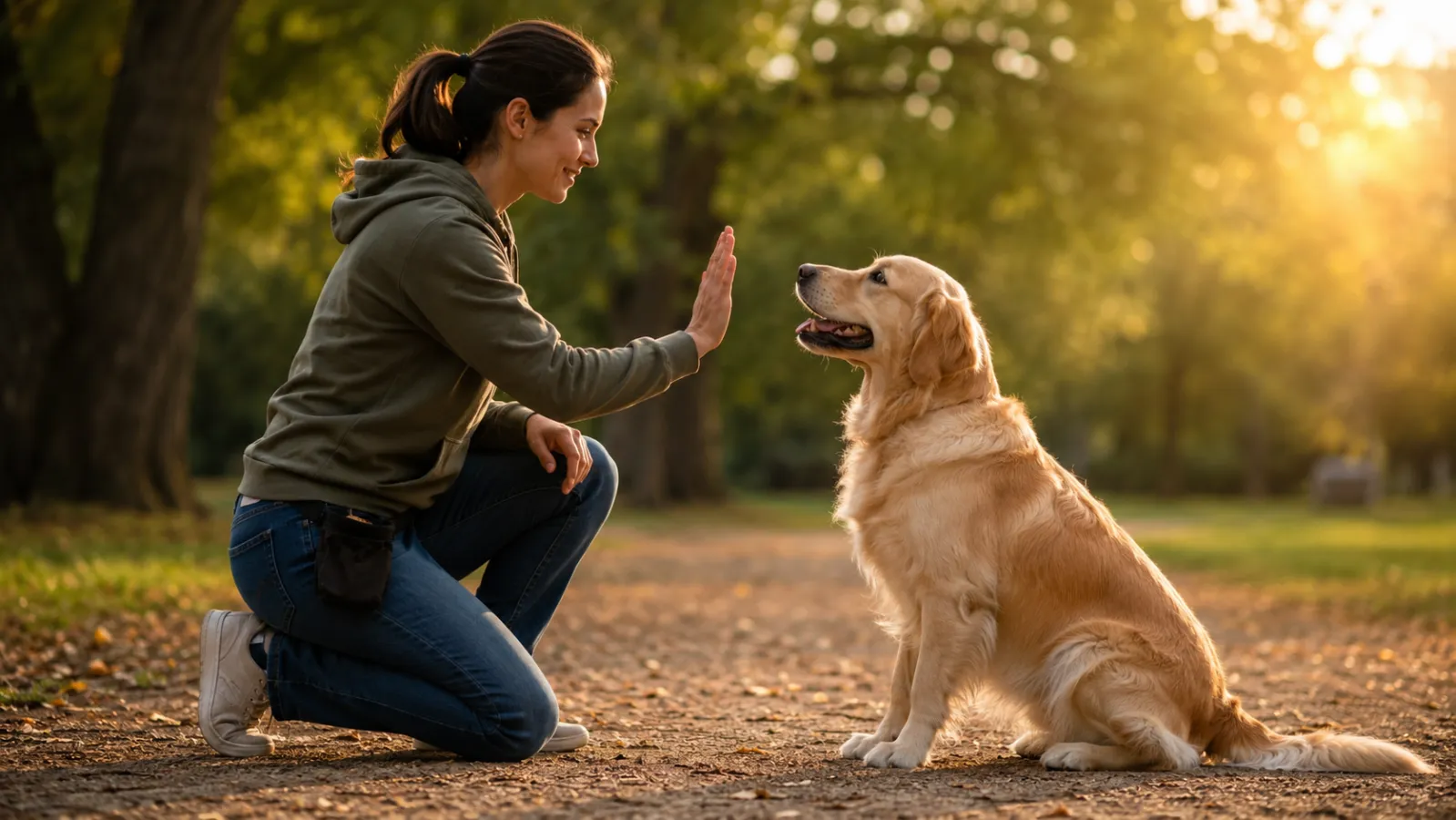
Socialization doesn’t have to feel like another big job. Small, positive moments add up. When your puppy notices something new and stays reasonably calm, reward that. Use whatever they actually like—tiny treats, praise, a favorite toy.
Keep sessions short and flexible. Some puppies manage a few minutes comfortably; others need even less when they’re tired, very young, or naturally cautious. Watch the dog in front of you rather than a stopwatch. A simple mental checklist of surfaces, sounds, people of different appearances, car rides, grooming tools, and suitable dogs can help you notice gaps—but it’s a guide, not a race.
Young dogs need plenty of sleep and downtime. An overtired puppy finds ordinary experiences harder. Safe chewing and opportunities to explore at their own pace support learning too. For suitable options, see Provide Safe Chew Toys—choose toys that match your puppy’s size, chewing style, and age, and supervise.
When your puppy is already worried
Maybe your puppy already barks at strangers, backs away from other dogs, or gets tense at certain sounds. That doesn’t mean you failed.
Temperament, early experiences before they came home, genetics, and health all play a part. Make the situation easier first. Watch from a distance where your puppy can stay relatively relaxed. Reward calm observation and let them decide whether to move closer. Don’t drag them in, hold them still, or surround them hoping they’ll “just get used to it.” Being unable to escape something frightening can deepen the fear.
Progress is often gradual. If everyday situations keep being hard, get help from your veterinarian or a qualified reward-based trainer or behavior professional. Even after the early socialization window, dogs can still learn to feel safer. It just may take a more individualized approach and more patience.
What confidence actually looks like
A confident dog isn’t necessarily the one who rushes up to every stranger or plays with every dog at the park. Sometimes confidence looks like calmly watching the world from a safe distance, recovering quickly after a surprising noise, or choosing to investigate something new when they’re ready.
Your puppy doesn’t need a perfect socialization checklist. They need thoughtful experiences, clear communication that their signals matter, and the space to tell you when something feels like too much.
Start with the world around your home. Build gradually. Celebrate the small moments when your puppy looks at something unfamiliar and decides it’s okay. Keep your veterinarian involved in decisions about health and exposure, and stick with reward-based methods that help your puppy feel safe rather than pressured.
Those ordinary, well-handled moments are what prepare a dog to handle life’s surprises alongside you.
References
American Veterinary Society of Animal Behavior (AVSAB) — Puppy Socialization Position Statement
American Veterinary Society of Animal Behavior (AVSAB) — Position Statement on Humane Dog Training
RSPCA Australia — How Can I Socialise My Puppy?
RSPCA UK — Caring for Your Puppy
RSPCA Australia — Is It Important to Train My Dog? What Sort of Training Would You Recommend?
American Kennel Club (AKC) — How Much Exercise Does a Dog Need?
How we create our content: Our articles are developed using AI-assisted research, cross-checked with multiple AI systems, and validated against reputable professional and authoritative sources before publication.