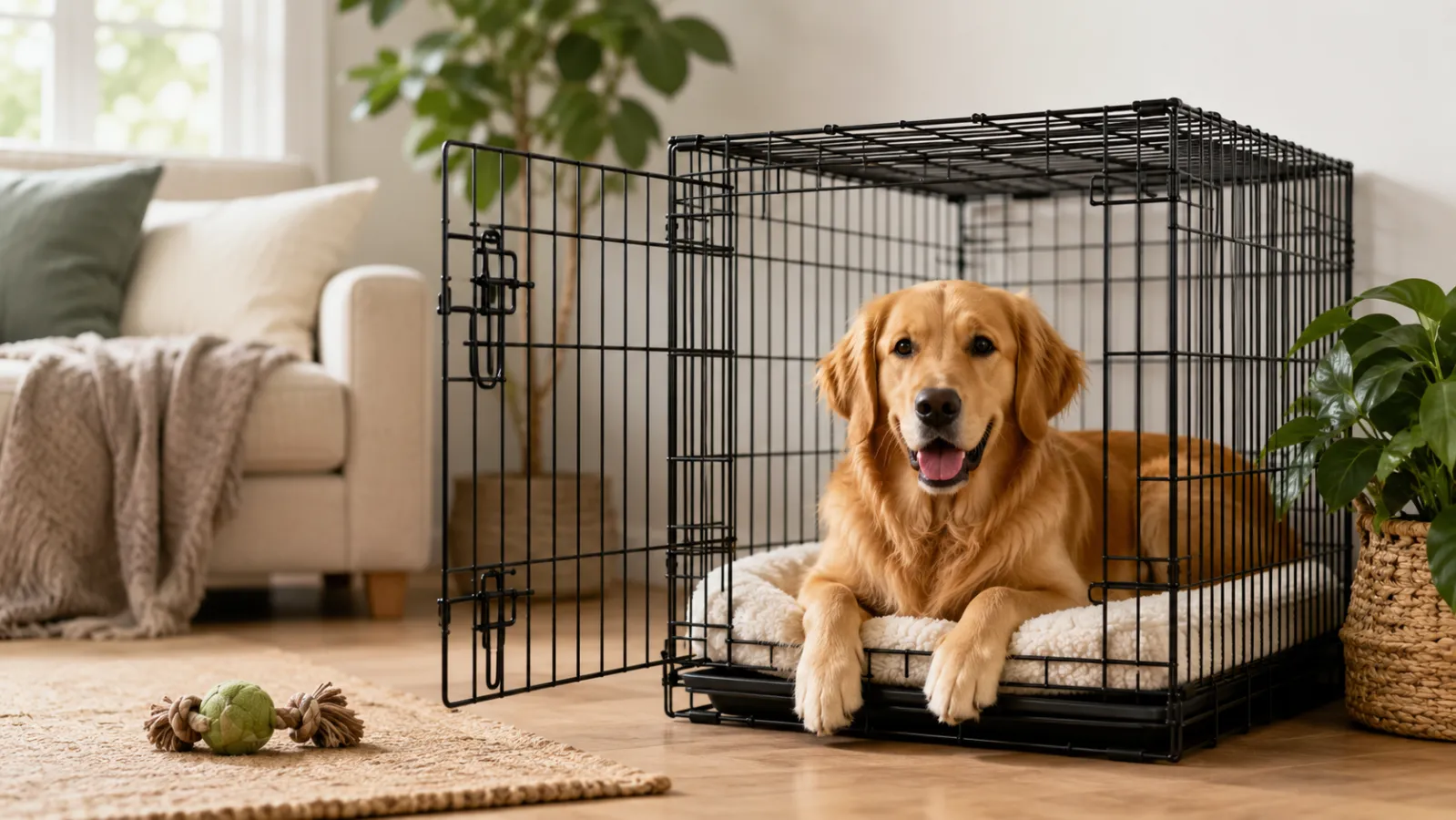

Safe chew toys play an important role in a dog’s daily life. Dogs naturally love to chew—especially puppies going through teething—and without suitable options they often turn to furniture, shoes, or other household items. The right chew toys give them a safe outlet, help reduce stress, and keep their minds occupied.
Choosing well matters for both safety and long-term health. Toys that are too hard, too small, or made from questionable materials can cause problems. When paired with good nutrition, regular exercise, and everyday care, appropriate chew toys support a dog’s overall well-being. For broader daily health ideas, see Create a Daily Routine.
What Makes a Chew Toy Safe?
Safe chew toys are designed to satisfy a dog’s natural urge to chew without risking injury. They are typically made from durable, non-toxic materials that can stand up to regular use.
Dogs chew for several reasons:
- Relieving teething discomfort
- Reducing stress
- Entertainment
- Mental stimulation
- Supporting dental health through gentle abrasion
A good toy should suit your dog’s size, age, chewing strength, and breed type. Soft options often work well for puppies, while stronger chewers may need durable rubber or nylon toys.
How to Choose the Right Chew Toys
1. Look for non-toxic materials
Choose toys made from pet-safe substances. Natural rubber, food-grade silicone, durable nylon, and organic cotton rope are generally good choices. Avoid anything with strong chemical smells or unknown ingredients.
2. Match the size to your dog
A toy that is too small can become a choking hazard for a large dog, while an oversized toy may frustrate a smaller one.
- Small dogs usually do best with lightweight, appropriately sized toys
- Medium dogs need medium-sized options
- Large or powerful dogs benefit from extra-durable toys designed for bigger mouths
3. Consider chewing style
- Light chewers often enjoy plush toys or soft rubber
- Moderate chewers do well with rope toys or flexible rubber
- Aggressive chewers need heavy-duty rubber or tough nylon toys that hold up under pressure
4. Avoid extremely hard items
Toys harder than a dog’s teeth can cause dental damage. Real bones, hard antlers, and metal toys are generally best avoided.
5. Replace damaged toys promptly
Inspect toys regularly for sharp edges, loose pieces, cracks, or missing parts. Discard anything that has started to break apart.
For more ideas on toys that also support exercise and mental stimulation, explore Best Dog Toys for Exercise, Play, and Mental Stimulation.
Real-Life Examples
Puppy teething
A four-month-old puppy keeps chewing shoes and furniture. Soft rubber puppy chew toys are introduced, and the puppy gradually redirects chewing to the appropriate items instead of household belongings.
Reducing anxiety
An adult dog becomes restless when left alone. A durable treat-filled chew toy keeps the dog occupied and calmer during short absences. For additional support with anxiety-related behaviors, see Anxiety and Behavioral Health.
Preventing boredom in active dogs
A high-energy dog starts destroying items indoors. Interactive and long-lasting chew toys provide mental engagement and help reduce boredom-driven behavior.
Benefits of Safe Chew Toys
Supports dental health
Chewing can form part of a dog’s oral-care routine, though it should never replace regular dental care or professional check-ups. Dental issues become more common as dogs age; for related guidance, see Nutrition for Senior Dogs.
Reduces destructive behavior
Dogs with appropriate outlets are far less likely to chew furniture, shoes, or other household items.
Provides mental stimulation
Interactive or treat-dispensing toys keep dogs engaged and mentally active.
Supports puppy development
Young dogs learn healthy chewing habits early, which helps prevent problems later.
Helps reduce stress
Chewing is a natural calming activity for many dogs.
Encourages independent play
Good toys give dogs something constructive to do when owners are busy. A crate can also be a helpful management tool alongside toys—learn more in Use Crate Training (Properly).
Common Mistakes to Avoid
- Choosing toys that are too small (choking risk)
- Ignoring material safety or buying the cheapest option without checking quality
- Leaving broken or frayed toys available
- Selecting toys only because they look cute
- Offering human items such as old shoes, socks, or plastic bottles, which can reinforce unsafe habits
- Skipping supervision when introducing a new toy
Practical Tips
Before buying, run through a quick checklist:
Is it non-toxic? Size-appropriate? Durable enough for this dog’s chewing style? Easy to clean?
Rotate toys every few days so they stay interesting.
Freeze soft rubber toys for teething puppies—the cool surface can soothe sore gums.
Use treat-dispensing toys to combine chewing with mental exercise.
These simple habits, along with consistent feeding and exercise, fit naturally into a broader daily routine. For nutrition guidance that complements good toys, see Feed a Proper Diet.
Key Takeaways
- Safe, well-chosen chew toys let dogs chew without injury
- Non-toxic, durable materials and correct sizing matter most
- Good toys help reduce stress and destructive behavior
- Puppies usually need softer options during teething
- Strong chewers require tougher toys
- Inspect and replace damaged toys promptly
- Chew toys support both mental engagement and dental health when used thoughtfully
Frequently Asked Questions
What are the safest chew toys for dogs?
Toys made from non-toxic, durable materials such as natural rubber or food-grade silicone that match the dog’s size and chewing strength.
Are rope toys safe?
They can be, when supervised. Replace them as soon as threads loosen or fray.
How often should chew toys be replaced?
As soon as they show cracks, sharp edges, or broken pieces.
Can puppies use regular dog chew toys?
Puppies do better with softer toys specifically designed for teething.
Are hard bones safe?
Very hard bones and similar items can damage teeth and are generally not recommended.
How many chew toys does a dog need?
Most dogs benefit from three to five toys that can be rotated for variety.
Conclusion
Safe chew toys help dogs satisfy a natural instinct in a healthy way. Matching the toy to your dog’s size, age, and chewing style reduces the risk of injury and destructive habits while supporting mental stimulation and everyday calm. Regular checks and simple rotation keep the toys effective and safe. Combined with good nutrition, exercise, and a predictable routine, they become a practical part of caring for a happy, well-adjusted dog.
References
- ASPCA — Position Statement on Dog Chews/Treats
- American Kennel Club (AKC) — A Guide to Toy Shopping for Your Pup
- American Kennel Club (AKC) — How to Choose Edible Dog Chews That Are Also Safe
- American Kennel Club (AKC) — Choosing the Right Dog Toys and Teething Toys for Your Puppy
- Preventive Vet — How to Choose Safe Dog Chews
- ASPCA Pet Health Insurance — Choosing The Best Pet Toys
How we create our content: Our articles are developed using AI-assisted research, cross-checked with multiple AI systems, and validated against reputable professional and authoritative sources before publication.