
Dogs thrive when their days follow a familiar rhythm. Knowing roughly when food, walks, bathroom breaks, play, and rest will happen helps a dog feel secure and settled. A predictable routine also makes everyday care easier for owners and supports better behavior.
A good routine doesn’t need to stick to the clock with military precision. It simply gives your dog a few reliable landmarks throughout the day—regular meals, age-appropriate exercise, potty breaks, short training sessions, playtime, and plenty of sleep.
Why Consistency Matters
Dogs are creatures of habit. When familiar activities happen in roughly the same order each day, they learn what to expect. This makes training smoother and can reduce the frustration that comes from an unpredictable schedule.
A consistent routine supports house training, feeding, exercise, and rest. Measured meals paired with appropriate activity help maintain a healthy weight, while regular interaction builds trust and confidence between dogs and their families.
If you’re bringing home a puppy, the early weeks are the perfect time to start simple habits. For more guidance on getting off on the right foot, see Your First Puppy: Start Training Early for Lifelong Good Behavior.
Building a Daily Routine Step by Step
Feeding Times
Most adult dogs do well with two meals a day—usually morning and evening. Puppies often need smaller, more frequent meals to meet their growing nutritional needs.
Serve meals at roughly consistent times and use measured portions rather than leaving food out all day, unless your veterinarian suggests otherwise. Regular feeding also makes bathroom habits more predictable, which is especially helpful during house training. For practical advice on choosing and measuring food, explore Feed a Proper Diet.
Walks and Exercise
Exercise needs vary widely depending on age, breed, health, size, and individual energy level.
Puppies generally benefit from short periods of play and exploration rather than long, demanding workouts. Healthy adult dogs often need a mix of walks, games, and other activities. Senior dogs usually prefer shorter, gentler outings.
A walk isn’t only about physical exercise. Time to sniff and explore provides valuable mental stimulation. Games like fetch, tug, scent activities, and simple training exercises keep dogs engaged too.
Watch your individual dog. A high-energy companion may need considerably more activity than a calm one, while an older dog or one with health limitations will do better with a gentler approach.
Bathroom Breaks
Give your dog regular opportunities to go outside—especially after waking, eating, playing, and before bedtime.
Young puppies need much more frequent breaks than adult dogs. Depending on age, they may need opportunities every couple of hours.
The goal is a predictable pattern rather than waiting until your dog is desperate. For detailed help establishing good bathroom habits, see Establish a Potty Routine.
Short Training Sessions
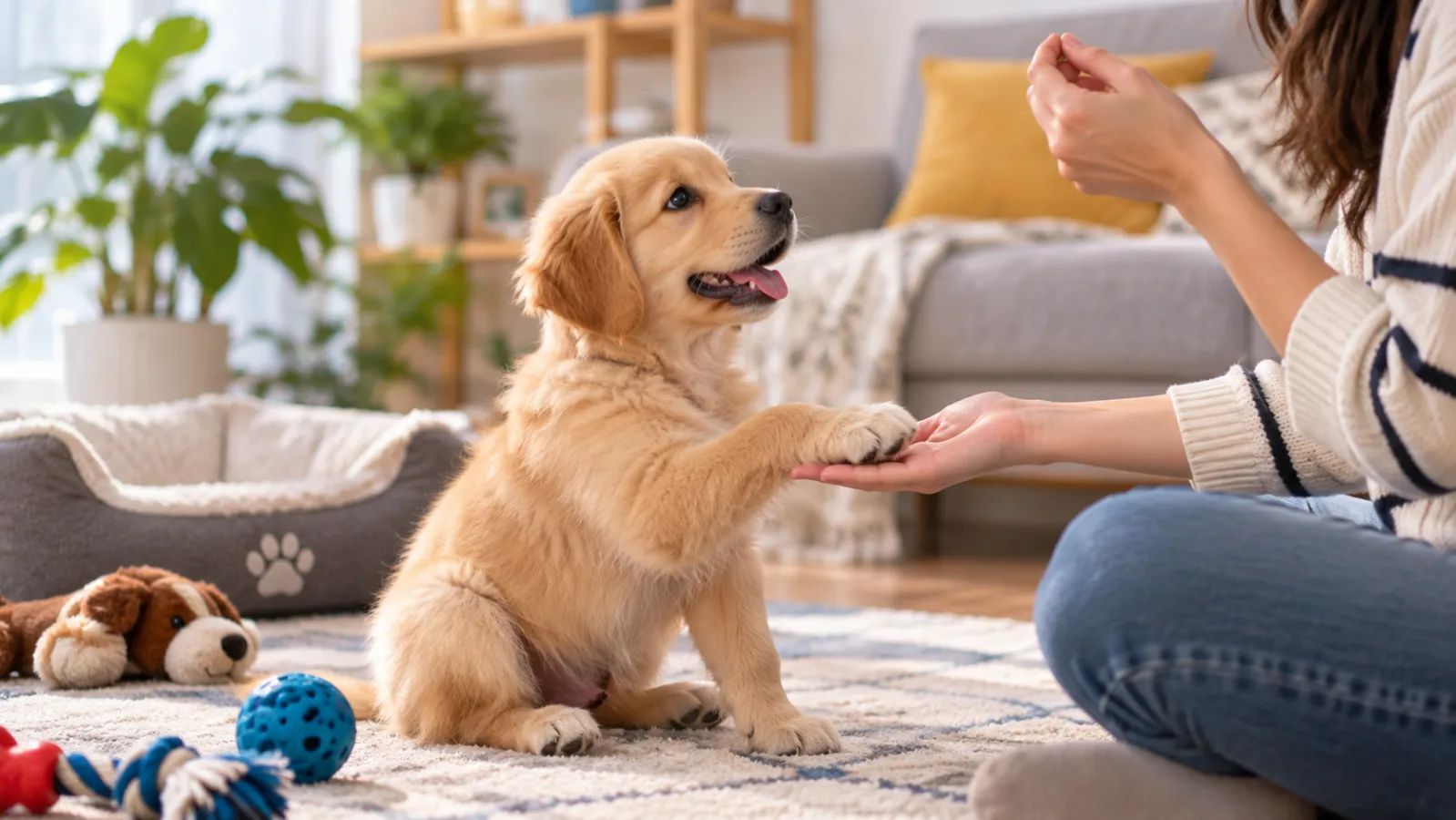
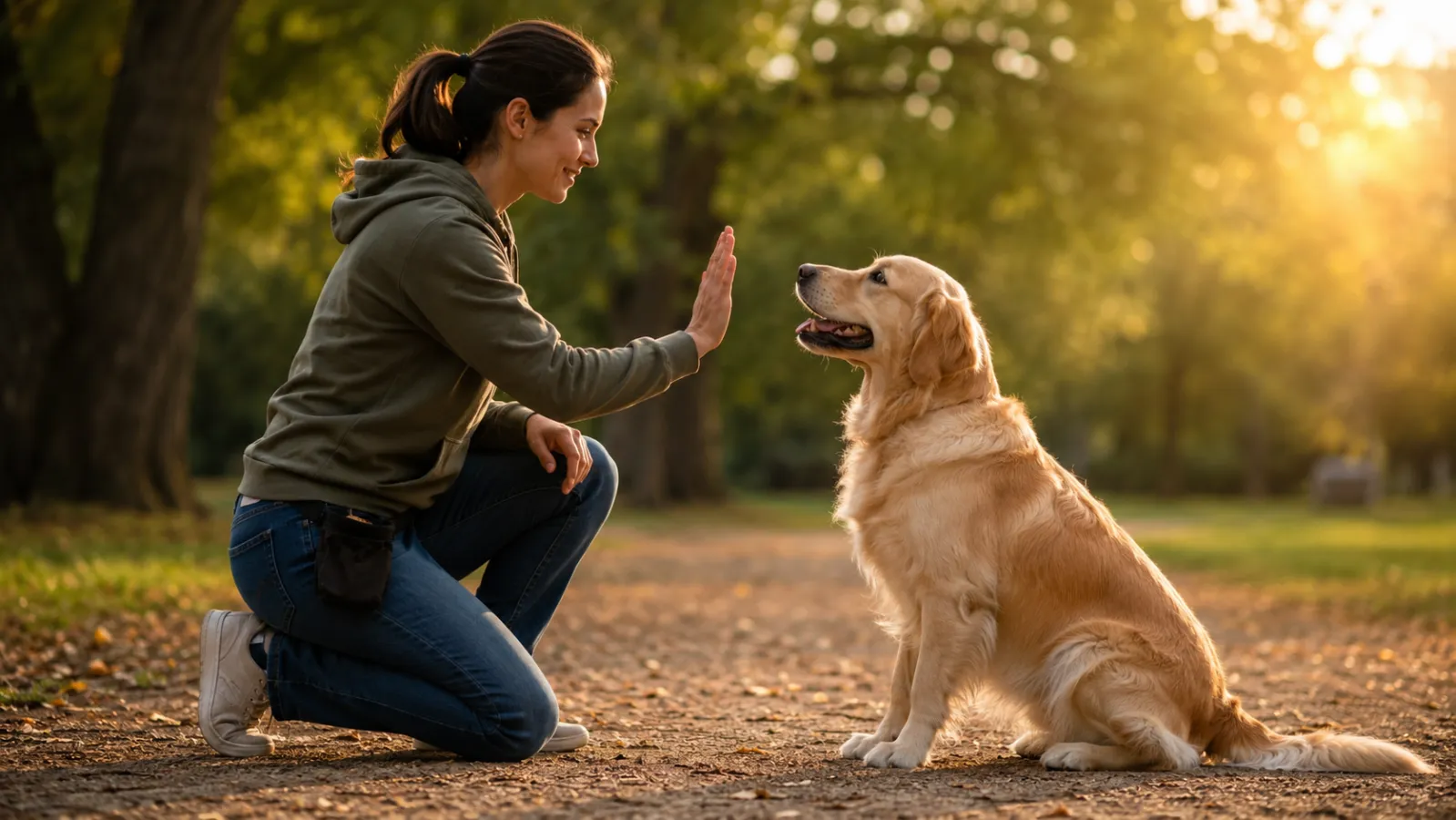
Training doesn’t have to take up a large part of the day. A few minutes of positive, reward-based practice once or twice a day can make a real difference. You might work on sit, stay, come, leave it, or everyday manners that matter in your home.
Keep sessions short and end while your dog is still interested. Frequent, enjoyable practice is usually easier to stick with than long sessions.
Play and Connection
Not every part of the day needs structure. Spend time simply enjoying your dog—play with an interactive toy, practice gentle grooming, offer a puzzle activity, or just sit together quietly.
These small moments strengthen your relationship and give your dog positive attention. Dogs that receive regular appropriate interaction are less likely to invent their own (sometimes unwanted) entertainment. For ideas on toys that support both play and mental stimulation, check Best Dog Toys for Exercise, Play, and Mental Stimulation.
Sleep and Downtime
Rest is just as important as activity. Puppies can sleep for much of the day, and adult and senior dogs also need substantial downtime. A comfortable, quiet resting area gives them a place to recharge.
An evening wind-down sequence can be especially helpful:
Final potty break → calm interaction → quiet rest → bedtime
Over time, many dogs begin to recognize this sequence and settle more easily.
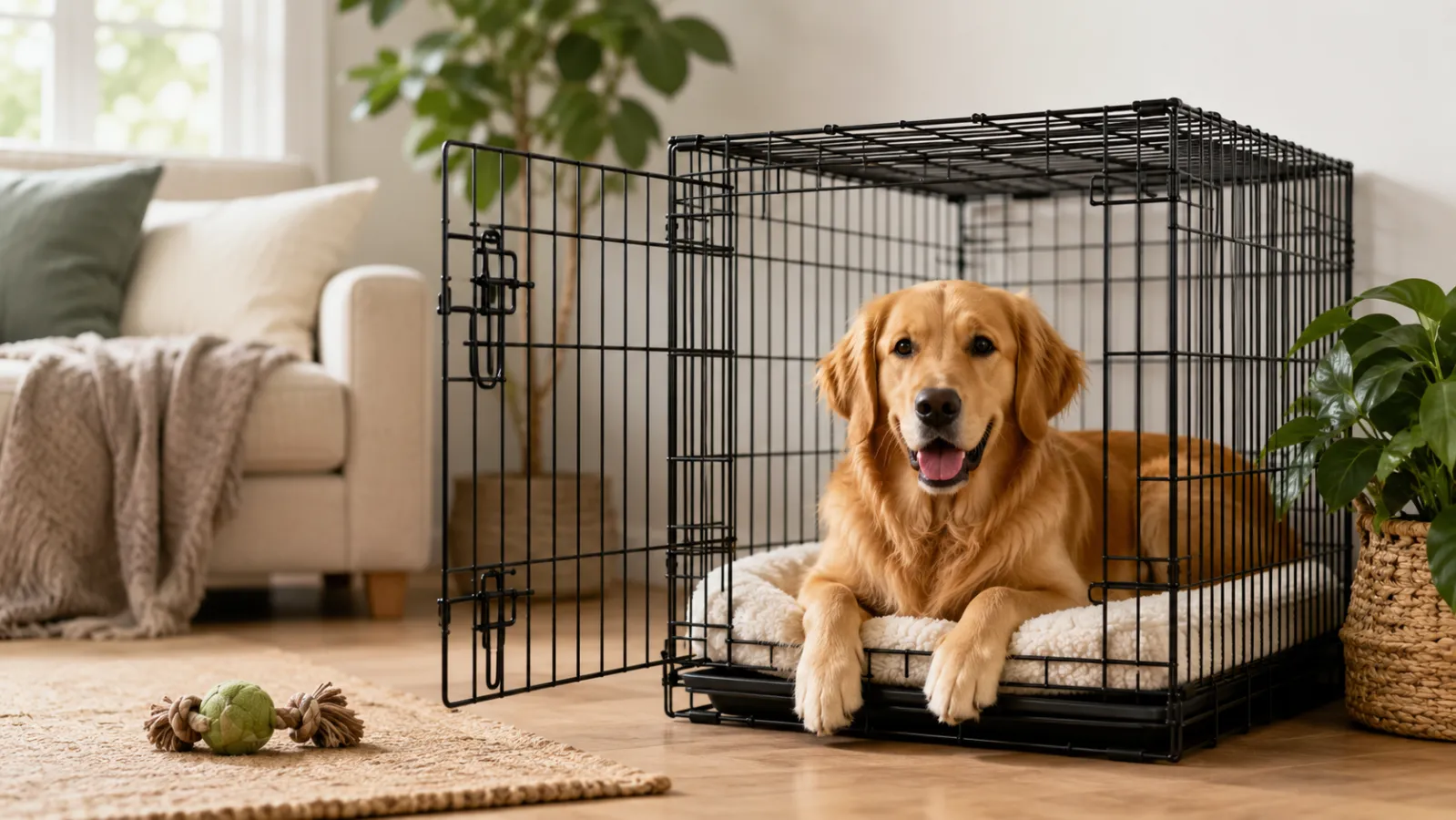
A properly introduced crate can also serve as a safe space for rest, travel, house training, and recovery when appropriate. Introduce it positively and never use it as punishment. Learn more in Use Crate Training (Properly).
Real-Life Daily Schedules
There’s no single perfect routine. The best schedule is one that works for both the dog and the people caring for them.
Busy Household With an Adult Dog
- Morning: Potty break → breakfast → short walk
- Midday: Potty break if needed → quiet rest → brief play or enrichment
- Evening: Dinner → short training session → walk or play → calm family time → final potty break
This structure fits well around work, school, and other daily responsibilities.
Young Puppy
- Early morning: Potty break → breakfast → short supervised activity → nap
- Mid-morning: Potty break → brief play or training → rest
- Afternoon: Meal → potty break → play → nap
- Evening: Dinner → calm activity → potty break → quiet time → sleep
Puppies need frequent bathroom opportunities and plenty of sleep. Trying to keep a young puppy active for long stretches often leaves them overtired and harder to settle.
Senior Dog
Senior dogs usually benefit from a gentler version of the same basic structure:
- Consistent meal times
- Shorter, comfortable walks
- Regular bathroom opportunities
- Comfortable resting areas
- Gentle mental stimulation
- Calm interaction with family
The routine stays familiar while the intensity of activities adjusts to the dog’s age and physical needs. For more on supporting older dogs through diet and daily habits, see Nutrition for Senior Dogs.
Benefits You May Notice
A consistent routine can make everyday life easier for both dogs and their owners. You may notice that your dog:
- Settles more easily after activity
- Becomes familiar with household expectations
- Develops more predictable bathroom habits
- Responds more consistently during training
- Gets regular opportunities for exercise and mental stimulation
- Receives more predictable rest and interaction
A shared routine also helps everyone in the household stay consistent, so the dog receives fewer mixed signals.
For dogs that struggle with anxiety or behavioral challenges, predictable daily patterns can be a useful part of a broader management plan. Learn more in Anxiety and Behavioral Health.
Common Routine Mistakes
Even a well-planned schedule can run into trouble if it’s overly complicated or inconsistently applied.
Changing the Routine Constantly
Exact times aren’t required every day, but a completely unpredictable schedule makes it harder for your dog to know what to expect.
Skipping Exercise
A lack of appropriate physical and mental activity can lead to restlessness and unwanted behavior.
Giving Too Many Treats
Treats count toward overall food intake. Too many can undermine measured meals and contribute to weight gain.
Making Training Too Long
Long sessions often lead to boredom or frustration. Short, positive sessions work better for most dogs and owners.
Focusing Only on Physical Exercise
A tired dog isn’t necessarily a fulfilled dog. Sniffing, exploring, puzzle toys, scent games, and training all provide important mental stimulation.
Simple Tools That Can Help
You don’t need expensive equipment. A few practical tools make daily care easier:
- Phone reminders for meals, medication, walks, or potty breaks
- A measuring cup for consistent food portions
- Puzzle toys for mental stimulation
- A treat pouch for convenient short training sessions
- A notebook or app to track meals, activity, or bathroom habits
- An automatic feeder when consistent meal timing is helpful
The basic structure can stay simple:
Morning: potty → food → walk
Afternoon: rest → play → training or enrichment
Evening: food → walk → relaxation → final potty break
Exact timing will naturally shift according to your household and your dog’s needs.
If you’re preparing to bring home a dog for the first time, remember that breed, size, age, and temperament all influence how much exercise and training your dog will need. For another useful perspective, see Large Dog Breeds: Gentle Giants.
Key Points to Remember
A good daily routine doesn’t have to be complicated. Focus on the basics:
- Keep meals reasonably consistent
- Provide regular bathroom opportunities
- Match exercise to your dog’s age, health, breed, and energy level
- Include short training and mental enrichment
- Make time for play and positive interaction
- Give your dog plenty of quiet rest
- Keep household rules consistent
- Adjust the routine as your dog’s needs change
Start with a routine that fits your real life. You don’t need a perfect schedule overnight. Pick a few reliable daily habits and repeat them consistently.
Over time, your dog will learn the rhythm of the household. That familiarity can make daily life calmer, more predictable, and easier for everyone.
References
American Veterinary Society of Animal Behavior (AVSAB) — Position Statements (including Puppy Socialization)
RSPCA — How to Toilet Train Your Puppy or Dog
RSPCA — Caring for Your Puppy
RSPCA WA — Caring for a Dog (includes establishing a routine)
ASPCA — General Dog Care
ASPCA — House Training Basics
American Kennel Club (AKC) — How Much Exercise Does a Dog Need?
American Kennel Club (AKC) — How Many Walks Does Your Dog Need Each Day?
How we create our content: Our articles are developed using AI-assisted research, cross-checked with multiple AI systems, and validated against reputable professional and authoritative sources before publication.